Nissan Remembered What It Was
A car company doesn't admit its own mythology is worth selling unless it's already lost the argument.
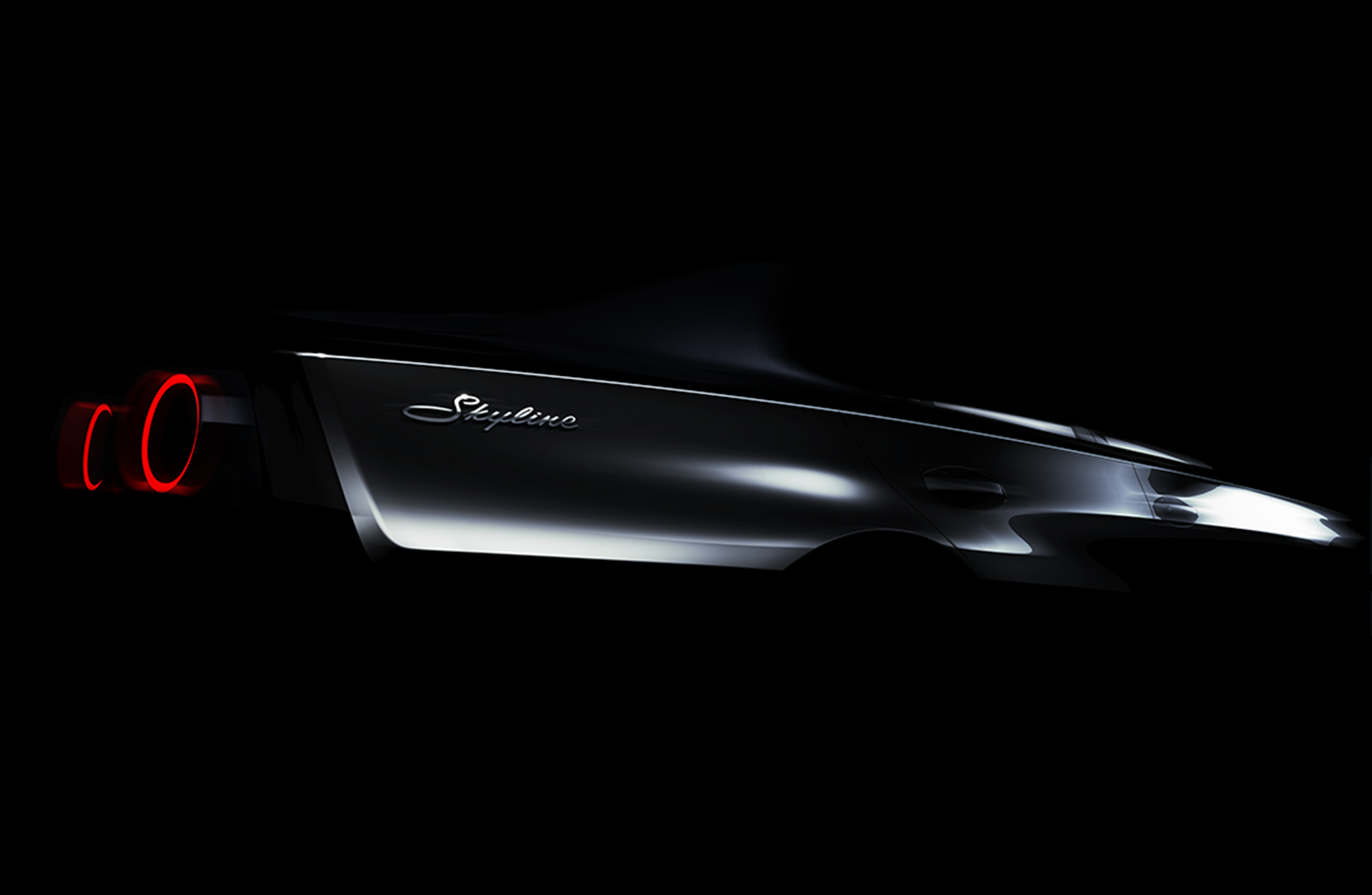
Photo · The Drive
There's a version of this story that starts with a press release. Clean, managed, full of words like commitment and community and passion for performance. That's not this story.
This story starts with a question someone at The Drive asked Nissan America's boss — apparently point-blank, probably half-expecting a non-answer — about whether a dealer-offered JDM Skyline retrofit kit could end up on the options sheet for the upcoming Infiniti Q50. The answer was yes. One word. No hedge. Which is, in the context of how car companies usually communicate, roughly equivalent to someone in a suit standing on a conference table.
That single syllable contains about twenty years of subtext.
The Gap Between What Enthusiasts Did and What the Brand Allowed
For a long time, the people who loved Nissans most were doing it without Nissan's help. They were sourcing parts from Japan through channels the manufacturer neither sanctioned nor supported. They were backdating, converting, restoring — building the cars they wanted out of the cars they had, because the cars they wanted weren't being offered. The knowledge lived in forums. The parts lived in shipping containers. The brand was, functionally, absent from its own mythology.
That's not unusual. Plenty of manufacturers have watched enthusiast culture develop around their legacy vehicles while doing nothing to serve it, feed it, or even acknowledge it. Benign neglect is a corporate default. It's cheaper than engagement, and it carries no liability.
What makes Nissan's current posture different — and what three separate pieces in The Drive are all circling from slightly different angles — is that the company isn't just acknowledging the culture now. It's building infrastructure around it. According to The Drive's reporting, a motorsports-bred executive has already been installed and given a specific mandate: heritage parts, restomod kits, backdating programs, brought to industrial scale within six to twelve months. And Nissan North America's boss told The Drive directly: we won't dabble.
That's not a press release word. Dabble is what you say when you're ruling something out.
What Scale Changes
Here's what I keep turning over: there's a meaningful difference between a manufacturer tolerating a subculture and a manufacturer scaling it. The first is passive. The second is a business decision with real consequences for what authenticity means.
When the parts come through official channels — when the Skyline conversion kit is a dealer option, when the heritage catalog ships from a Nissan-backed program rather than a container from Osaka — something shifts. The thing that made those builds feel like acts of devotion, like proof of knowledge and resourcefulness and genuine commitment to the car, gets absorbed into a product offering. That's not necessarily bad. More people get access. Fewer builds get stranded by unavailable parts. The cars survive.
But the culture that grew up in that gap — in the space between what the manufacturer offered and what the enthusiast wanted — that culture was shaped by the difficulty. By the hunt. A forum post about sourcing a specific component from a specific prefecture carries a different energy than a line item on a dealer invoice.
Nissan is betting that the energy survives the convenience. Maybe it does. The appetite is clearly real — you don't build this kind of program unless the demand signal is loud enough to justify the infrastructure. And Nissan's broader pitch, as The Drive reported it, is genuinely wide: classic parts, JDM conversions, tunable powertrains, a whole ecosystem of things that say we know what you want from us.
What a Yes Actually Costs
The Q50 Skyline conversion detail is the one that sticks. Not because it's the most operationally significant piece of the announcement — the heritage parts program at scale is probably the bigger structural move — but because of what it signals about where the brand's self-image is landing.
The Infiniti Q50 is a current car. A car being sold now, through dealers, to people in the market for a sedan. Offering a JDM Skyline retrofit kit as a dealer option on that vehicle isn't just product differentiation. It's the brand saying, out loud, in a showroom context: the thing you actually want is the thing we came from. It's an admission that the lineage matters more than the current nameplate. That the Skyline name carries more weight than whatever the Q50 has managed to accumulate on its own.
That's a strange and quietly radical thing for a manufacturer to say about its own product. It takes a particular kind of institutional honesty — or institutional desperation, depending on how you read it — to point customers backward as a forward strategy.
I don't think it's desperation. I think it's someone finally reading the room.
The enthusiasts already knew what Nissan was. They've known for decades, maintained the knowledge, kept the cars alive, and done it all without much help. The brand is just now catching up to its own reputation — arriving late to a party that started in its honor, with a yes and a plan and six to twelve months to prove it means both.
Keep reading cars.

800 Horsepower, One Ton of Doubt
Lamborghini built the most powerful SUV it's ever made. It's also slower than what it replaced.

£11,990 Draws a Line Under Every Excuse You Had Left
Dacia just made the cheapest new car in Britain electric — and that's not a footnote, it's a verdict.
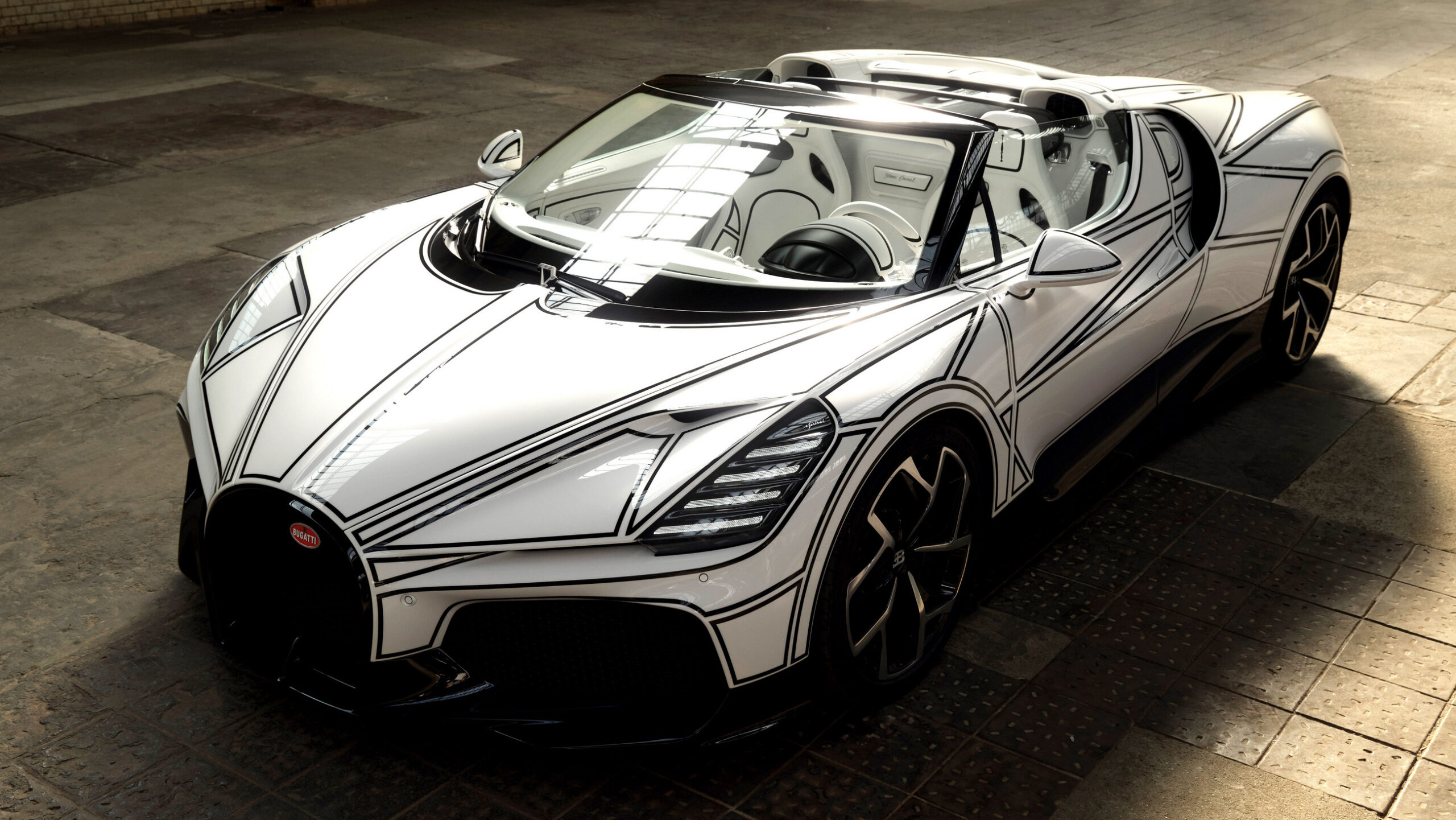
Blanc Éternel Hides Its Speed Behind a Gas Cap
Bugatti built a 261-mph roadster and made sure you'd notice the porcelain first.
From the other desks.

Gold Leaf on a Lacquer Dial, and the Weight of What That Costs
Awake's Frosted Leaf Royal Blue asks a question Vietnamese craft has never quite had to answer at this price.

ESPN Named Him. Then Unnamed Him. Nobody's Explaining the Gap.
A retraction without a reckoning is just a deleted link.

Hide My Email Has Been Showing Your Email
Apple's privacy flagship has a hole in it. They've known for over a year.