Nissan Stopped Apologizing for What It Is
The Xterra and the Skyline aren't comebacks. They're admissions.
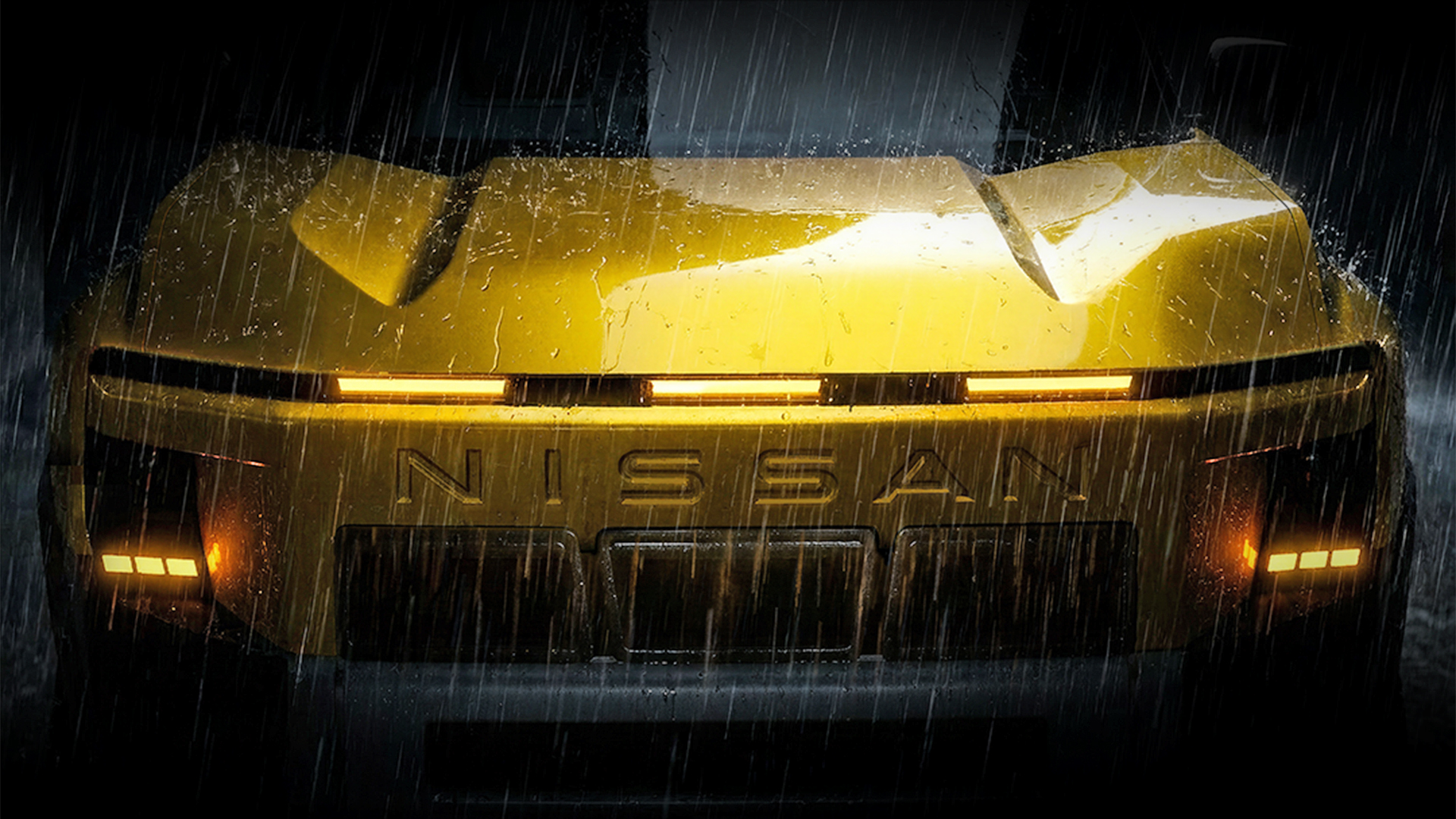
Photo · The Drive
There's a particular kind of corporate courage that looks, from the outside, like nostalgia. It isn't. When Nissan stood up and announced a new Xterra — body-on-frame, V-6, designed from the factory to run 35-inch tires — they weren't reaching into the past for comfort. They were finally agreeing with the people who'd been right all along.
Hagerty framed the Xterra and the Skyline as the twin "heartbeats" of Nissan's new long-term plan. Not the hybrid Rogue. Not whatever crossover slots between two other crossovers in a segment nobody asked for. The heartbeats. That word choice is doing a lot of work, and it should.
Built to Be Broken In
The Drive got the clearest look at what the new Xterra actually is. Nissan America's boss told them the vehicle is designed to take 35-inch tires straight from the dealer lot — and 37s with aftermarket work. He called it a canvas. That's not marketing language, or at least it shouldn't be. A canvas means they built the proportions right first, left room for the people who actually use these things to make them their own. Body-on-frame is the structural honesty underneath that promise — you can't fake flex articulation with a unibody and a press release.
The tease, as The Drive covered it, included heritage cues in the design. The exec used the phrase "badass is back." Normally that kind of line from a brand executive would make you wince. Here, it lands differently — because the original Xterra had a genuine identity, something specific and a little stubborn, and Nissan spent years walking away from it. Saying badass is back is almost an apology. A useful one.
The Name Is the Point
Meanwhile, the Skyline situation is its own kind of instructive. The Infiniti boss confirmed to The Drive that the high-horsepower sedan coming to the U.S. will wear the Q50 name, not Skyline. So the soul arrives, but the name stays home. There's something philosophically interesting about that — the lineage travels, the badge doesn't. Whether that's a business decision or a legal one or just a hedge, the outcome is the same: enthusiasts will know exactly what they're looking at, and the rest of the market gets a name that fits neatly into a lineup.
Both stories — the Xterra and the Skyline — are really the same story told in different registers. Nissan has spent years building vehicles for a version of its customer that didn't quite exist, and now it's pivoting toward the version that does. The people who camped with their Xterras. The people who still talk about the GT-R with the reverence usually reserved for things you can't afford. That customer was always there. Nissan just stopped listening for a while.
What's striking, reading across the coverage, is how little skepticism any of it contains. Usually when a legacy automaker announces a heritage revival, the automotive press loads up the caveats. Here, the reaction is closer to relief. Which tells you something about how long the absence felt.
A canvas, a V-6, a body that can take 37-inch tires, and a sedan with a name that rhymes with a legend — Nissan isn't predicting the future. It's finally reading the room it's been standing in for years.
Keep reading cars.

800 Horsepower, One Ton of Doubt
Lamborghini built the most powerful SUV it's ever made. It's also slower than what it replaced.

£11,990 Draws a Line Under Every Excuse You Had Left
Dacia just made the cheapest new car in Britain electric — and that's not a footnote, it's a verdict.
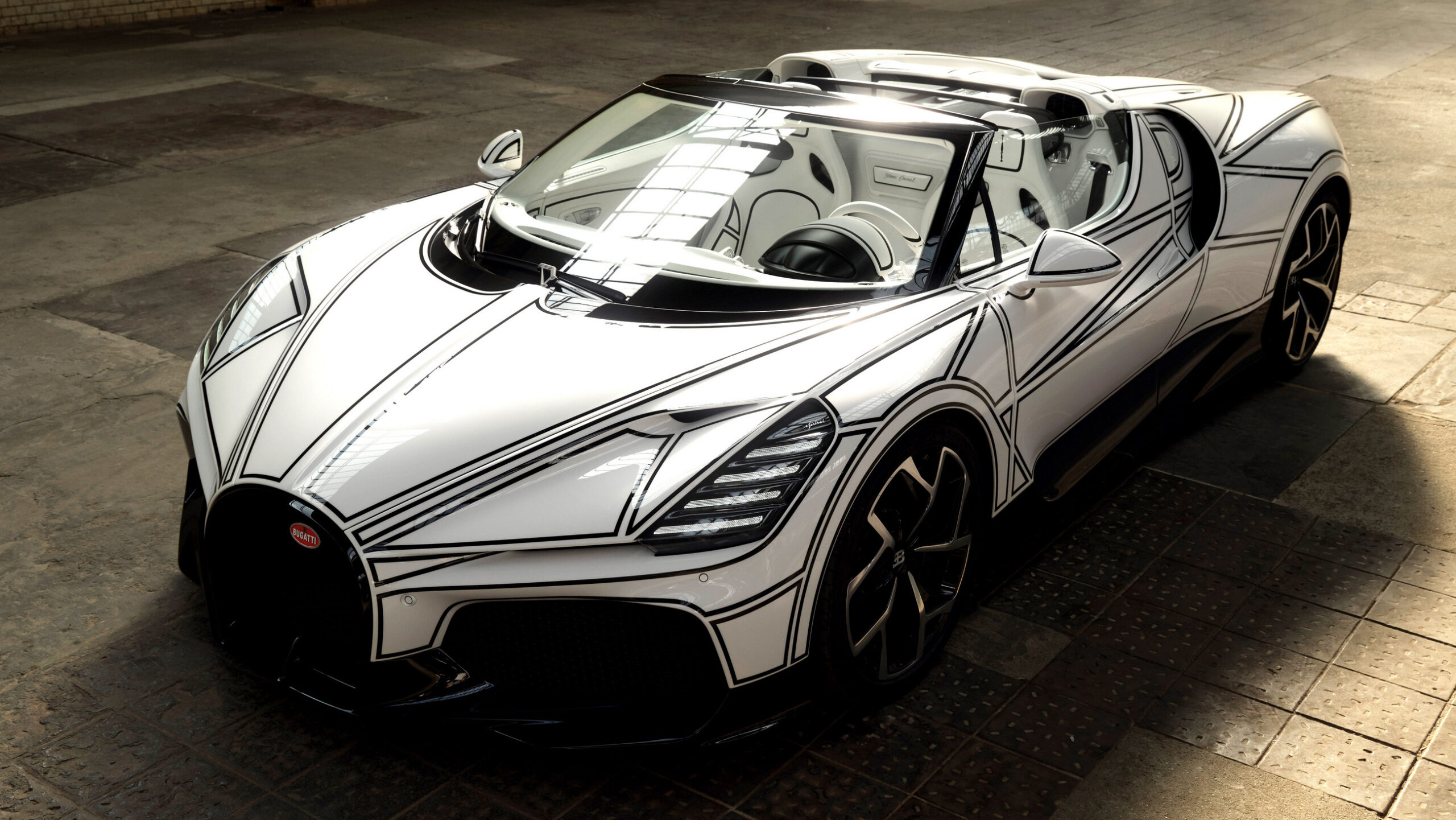
Blanc Éternel Hides Its Speed Behind a Gas Cap
Bugatti built a 261-mph roadster and made sure you'd notice the porcelain first.
From the other desks.

Gold Leaf on a Lacquer Dial, and the Weight of What That Costs
Awake's Frosted Leaf Royal Blue asks a question Vietnamese craft has never quite had to answer at this price.

ESPN Named Him. Then Unnamed Him. Nobody's Explaining the Gap.
A retraction without a reckoning is just a deleted link.

Hide My Email Has Been Showing Your Email
Apple's privacy flagship has a hole in it. They've known for over a year.