Ralph Lauren Just Got the Book That Used to Belong Only to Paris
A retrospective spanning nearly five decades asks a question American fashion has avoided for a long time: when does history become authority?

Photo · WWD
The Weight of the Spine
There is a kind of book that announces something before you've read a single page. The thickness of it. The series it belongs to. The company it keeps on a shelf.
Thames & Hudson's Catwalk series has, until now, been a distinctly European conversation — the kind of institutional recognition that American fashion has spent decades watching from the other side of the Atlantic, not quite invited in. So when Ralph Lauren Catwalk arrived, written by Bridget Foley and covering every womenswear collection from 1976 to 2025, the significance wasn't just the book. It was the slot. According to WWD, Ralph Lauren is the first American fashion house to be featured in the series. That's not a footnote. That's the whole argument.
And the argument, if you read across what Vogue and WWD are both quietly saying, is this: American fashion finally has enough history to justify the retrospective. Not just enough time — enough weight. The kind that makes a publisher commit to the format, the heft, the permanence of it.
What a Retrospective Actually Requires
A retrospective isn't a birthday party. It's a verdict.
To earn one, you need more than longevity. You need a body of work that holds up under the pressure of distance — collections that mean something different now than they did when they first appeared on a runway. You need a vision coherent enough to be legible across decades, and flexible enough that it didn't calcify into self-parody somewhere in the middle. You need, in short, a point of view that outlasted its moment.
Nearly fifty years of womenswear. 1976 to 2025. That's not a career. That's a civilization.
Vogue called this moment a "Ralphaissance," and I think they're onto something worth sitting with — not because the word is particularly elegant, but because the phenomenon it describes is real. There's a renewed seriousness directed at Lauren's work, a critical re-engagement that's happening simultaneously with the book and not entirely because of it. The book is evidence of the moment, not the cause of it.
What changed? I'd argue it's less about Lauren and more about us. The culture finally caught up to what heritage actually means. For a long stretch, heritage was a liability in fashion — something you had to escape, subvert, complicate to prove you were alive. The houses that traded in it were seen as comfortable, safe, perhaps a little airless. Legacy was what you had when you'd run out of ideas.
That reading has quietly inverted. Now heritage is the only argument that holds. In a cycle where newness arrives and disappears faster than most people can track, a house with a coherent fifty-year vision looks less like a museum and more like a position. Something that stood for something, long enough to mean it.
The American Question
But there's a second thing happening here, underneath the Lauren story specifically, and it's worth naming directly.
American fashion has always carried a faint inferiority complex when it comes to institutional legitimacy. The European houses had the archives, the mythology, the century-long paper trails. They had books like this one, series like this one, the whole apparatus of cultural validation that turned a collection into a chapter in fashion history. American designers made clothes — sometimes extraordinary clothes — but the story of those clothes was told differently, filed differently, remembered differently.
The Thames & Hudson inclusion changes something small but symbolic. It says: this house belongs in the same conversation. Not aspirationally. Actually.
And it lands at a moment when the conversation about American identity — in culture, in politics, in the stories we tell about ourselves — is louder and stranger and more contested than it has been in a long time. Lauren's work has always been about a version of America, a particular dream of it, rendered in fabric and silhouette across five decades. Whether you find that vision romantic or complicated or both, you can't dismiss it as thin. The book's existence is proof that it accumulated into something.
What You Do with Fifty Years
I keep coming back to the span of it. 1976 to 2025. Think about everything that moved through those years — the economy, the culture, the way people dressed for work and for pleasure and for the version of themselves they were still becoming. A designer who stayed in motion across all of that, who produced enough work to fill a book in one of publishing's most respected fashion series, did something quietly extraordinary.
Not every collection will have been a masterpiece. That's not how fifty years works. What you get instead is something rarer: a through line. A sensibility that persisted. A house that knew what it was and kept being it, even when that took more courage than pivoting would have.
Bridget Foley documented it. Thames & Hudson published it. Vogue named the moment it's landing in.
The book is on the shelf. The question it puts to every American designer who comes after it is whether they're building something that will one day earn the same weight — or whether they're building something that disappears the morning after the show.
Keep reading fashion.

Gold Leaf on a Lacquer Dial, and the Weight of What That Costs
Awake's Frosted Leaf Royal Blue asks a question Vietnamese craft has never quite had to answer at this price.
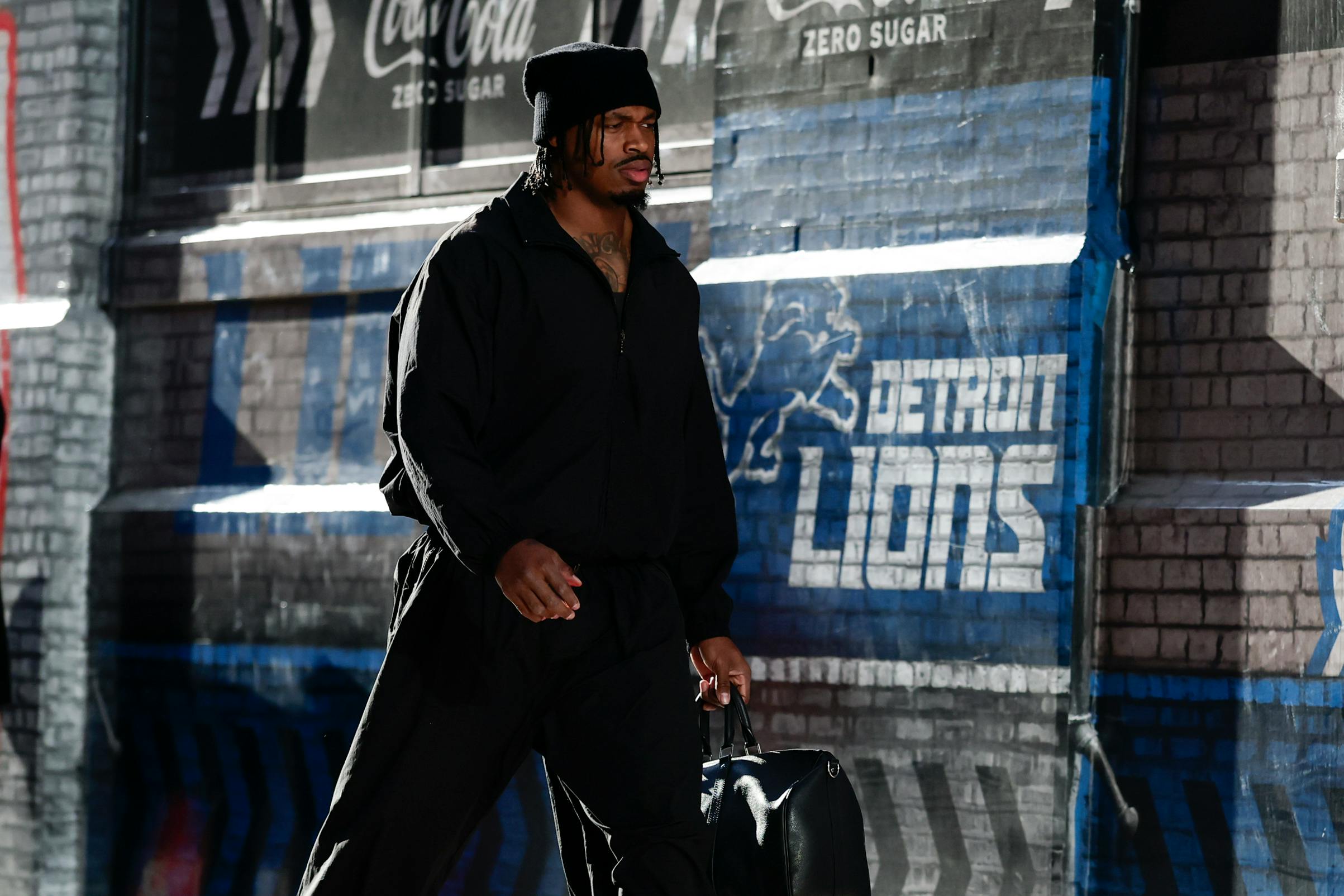
Kyle Smith Has a Job Title That Didn't Exist Before. That's the Whole Tell.
When the NFL hires a fashion editor, it's not about clothes — it's about who gets to decide what matters.
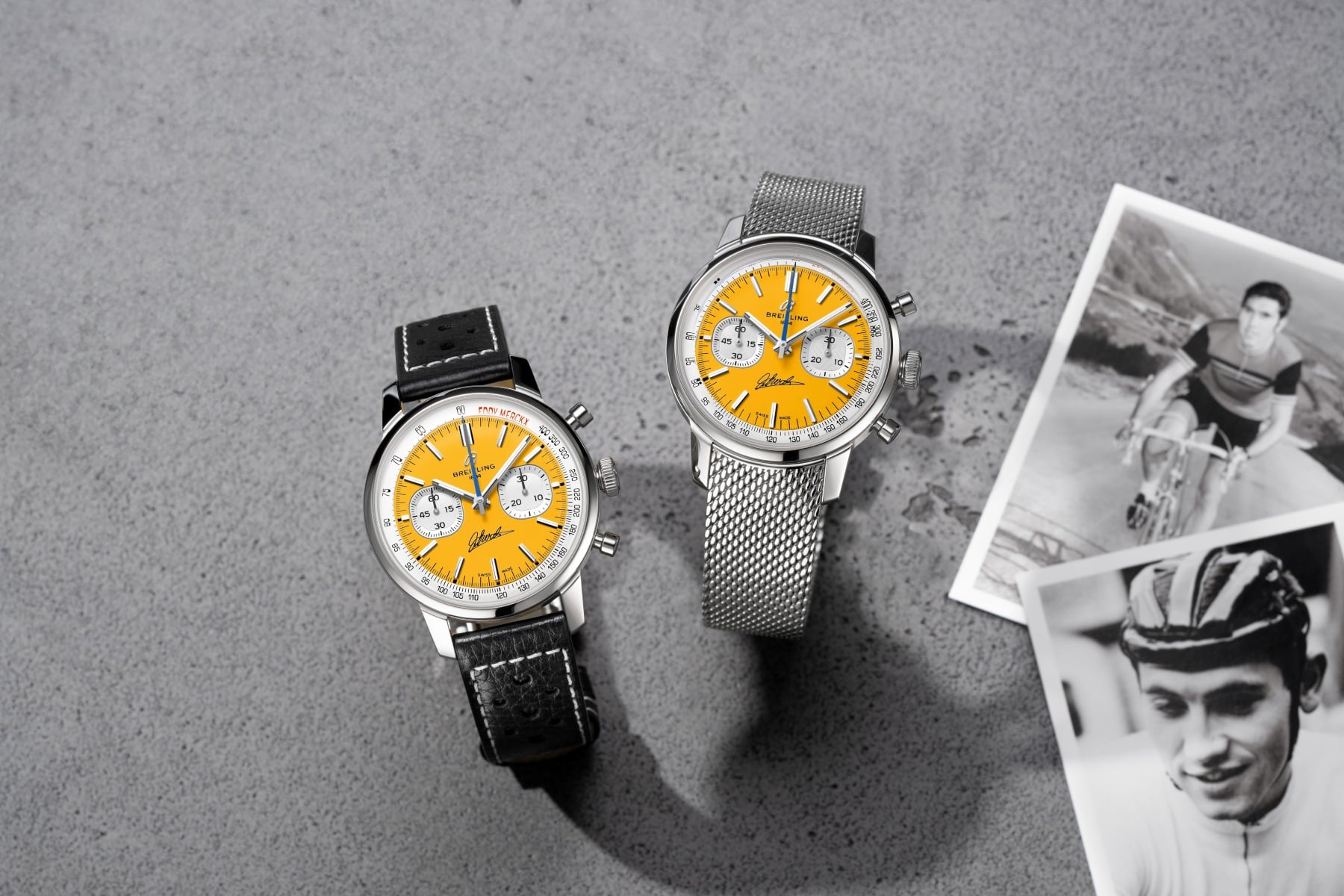
525 Victories, One Dial, and Cycling's Long Wait for a Wrist
Breitling's Eddy Merckx edition doesn't just reference a legend — it asks whether motorsport's younger sibling has finally earned its place in serious watch culture.
From the other desks.

800 Horsepower, One Ton of Doubt
Lamborghini built the most powerful SUV it's ever made. It's also slower than what it replaced.

ESPN Named Him. Then Unnamed Him. Nobody's Explaining the Gap.
A retraction without a reckoning is just a deleted link.

Hide My Email Has Been Showing Your Email
Apple's privacy flagship has a hole in it. They've known for over a year.