One Ferrari, One Owner, No Hybrid. Read That Slowly.
The HC25 doesn't mourn the naturally-aspirated V8 — it indicts everything that replaced it.
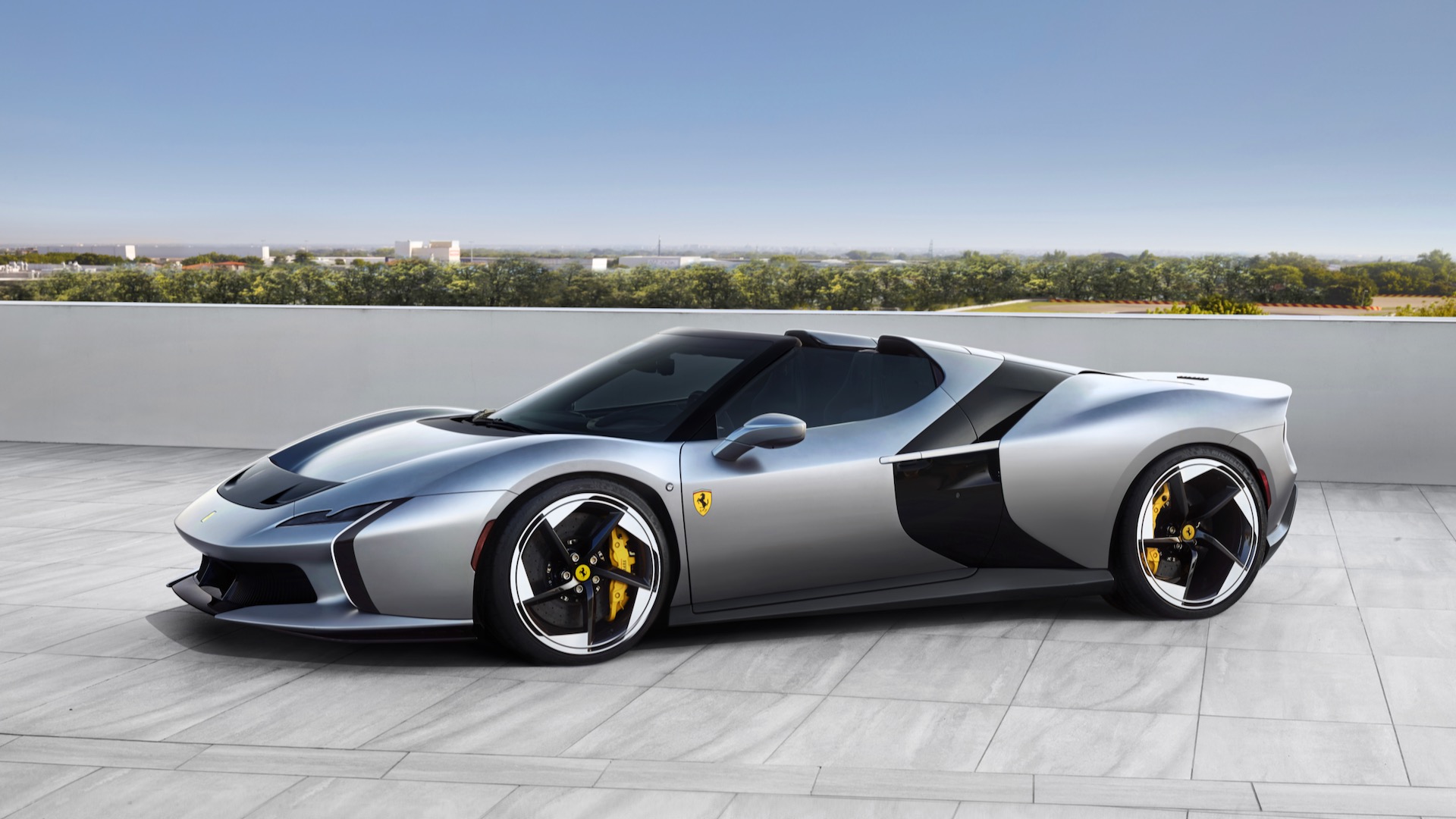
Photo · The Drive
There's a certain kind of silence that only exists just before a naturally-aspirated engine opens up. No turbo spool. No electric motor filling the gap. Just mechanical cause and effect, raw and immediate, the way the thing was designed before engineers started managing what drivers were allowed to feel.
Ferrari built that silence into a car called the HC25. One car. One owner. Nobody else gets one.
What It Is
Both The Drive and Motor1 confirm the same basic architecture: the HC25 is a one-off commission built on the F8 Spider platform, mid-engined, open-top, and — this is the part that matters — running a non-hybrid twin-turbo V8. No electrification layered on top. No torque-fill from a motor that doesn't breathe. The powertrain is a deliberate step back from where Ferrari's current lineup has gone, wrapped in coachwork that reads as contemporary.
The Drive frames it plainly: this is yesterday's engine meeting today's body. Motor1 calls it an homage to the twin-turbo V8 format itself. Both are right, and both are underselling the implication.
Because what Ferrari just said — quietly, to one person, via a bespoke commission — is that the hybrid V8 era has a cost. And someone with enough money and enough taste asked them to skip it.
The Confession Underneath
Ferrari didn't build this car as a museum piece. They built it because someone wanted it, which means someone felt the absence strongly enough to commission a solution. That's not nostalgia. That's a verdict.
The modern Ferrari V8 — hybridized, assisted, optimized — makes more power, posts better numbers, and probably drives faster around any circuit you'd care to name. Nobody's disputing the performance math. But somewhere in the translation from mechanical purity to electrified efficiency, the character of the thing shifted. The drama became managed. The sensation became curated. The engine stopped being the whole story and became one voice in an ensemble where the electronics get editorial control.
For most people, that's fine. Better than fine. The hybrid systems are genuinely impressive, and the cars they inhabit are extraordinary by any reasonable measure.
But for one person, it wasn't enough. Or rather, it was too much — too much intervention between driver and displacement, too much intelligence smoothing over the rawness that made a V8 Ferrari worth wanting in the first place.
So Ferrari went back. Took the F8 Spider's bones, dressed them in something new, and put the unassisted engine back where it belongs — answering directly, honestly, without a buffer.
The HC25 isn't a tribute to the past. It's a frank acknowledgment that progress, in this case, came with a trade. Ferrari knows what was lost. They just proved it by building its replacement for someone who refused to forget.
One car. That's how many it took to say the thing out loud.
Keep reading cars.

800 Horsepower, One Ton of Doubt
Lamborghini built the most powerful SUV it's ever made. It's also slower than what it replaced.

£11,990 Draws a Line Under Every Excuse You Had Left
Dacia just made the cheapest new car in Britain electric — and that's not a footnote, it's a verdict.
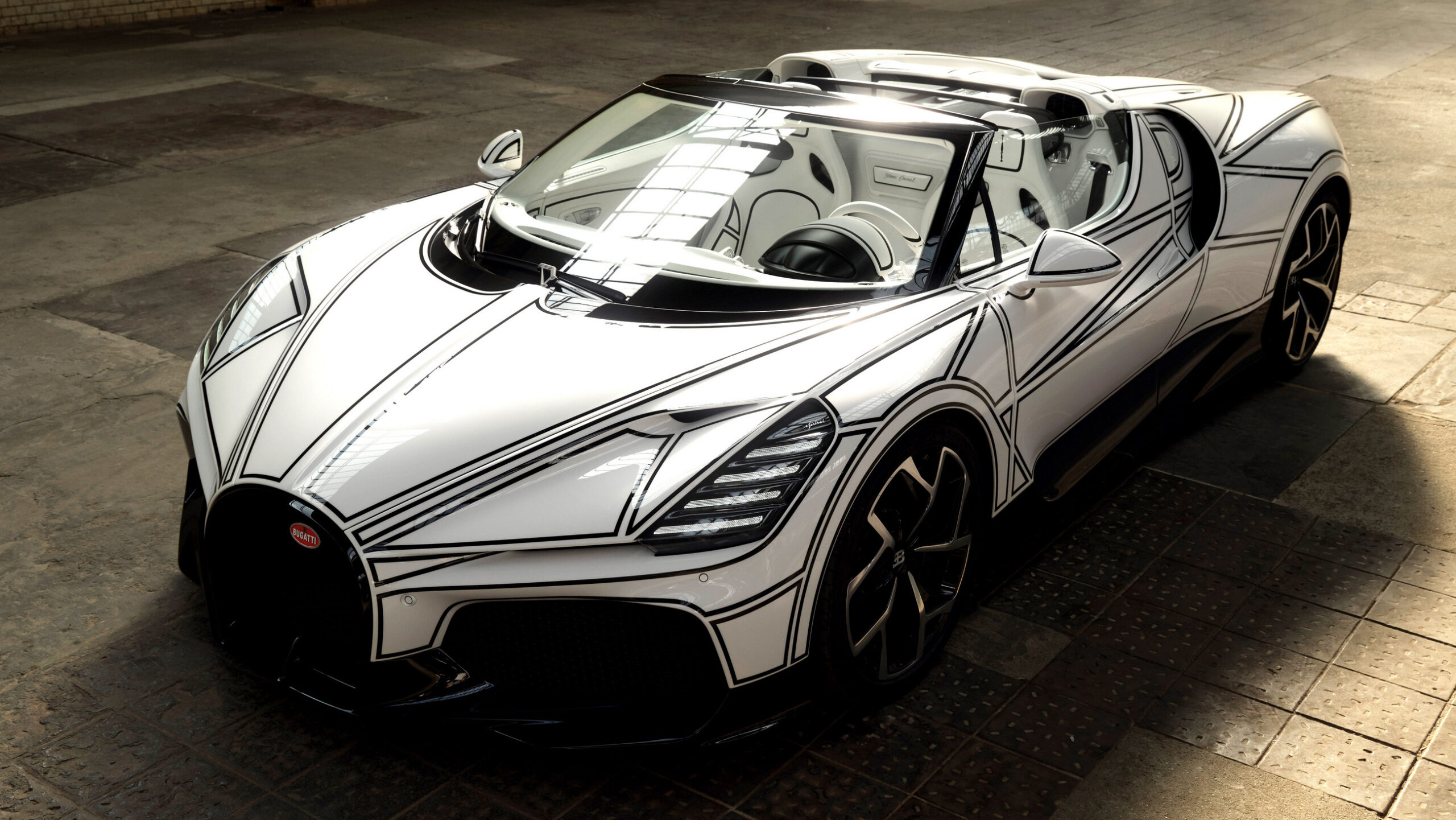
Blanc Éternel Hides Its Speed Behind a Gas Cap
Bugatti built a 261-mph roadster and made sure you'd notice the porcelain first.
From the other desks.

Gold Leaf on a Lacquer Dial, and the Weight of What That Costs
Awake's Frosted Leaf Royal Blue asks a question Vietnamese craft has never quite had to answer at this price.

ESPN Named Him. Then Unnamed Him. Nobody's Explaining the Gap.
A retraction without a reckoning is just a deleted link.

Hide My Email Has Been Showing Your Email
Apple's privacy flagship has a hole in it. They've known for over a year.