One System Builds Trust. The Other Builds Streaks.
Nissan just drove itself through unscripted Tokyo traffic. Tesla just made that a game.

Photo · The Drive
There's a version of autonomous driving that wants you to forget it's there. Then there's the version that wants you to check in every day.
Those two philosophies are now in plain view, and the contrast says more about where this technology actually is than any spec sheet could.
Tokyo Didn't Care About the Demo
Nissan's next-generation ProPilot system — branded AI Drive and slated for production in 2027 — didn't get a closed course or a sanitized proving ground. It got Tokyo. Construction zones. Pedestrians stepping off curbs. Highway merges where the city doesn't slow down to accommodate anyone. A journalist from Motor1 who rode along called it the real deal, and the phrasing matters — not impressive for a prototype, not promising for a concept car, but genuinely, presently capable. The Drive reported the system completed the run without the driver touching the wheel once. Nissan's own claim is that the system performs at least as well as a human driver, possibly better.
That's a significant thing to say out loud. More significant: they then went and demonstrated it in conditions that would rattle most humans.
What strikes me about this isn't the technology itself — it's the confidence in the method. You don't take a system into unscripted city traffic unless you believe in it. You don't let journalists feel the machine work through a pedestrian crossing and a narrowed construction lane unless you're willing to be judged by what actually happens. That's trust being built in real time, not managed in a press release.
The Streak Is the Tell
Meanwhile, Tesla is attaching a streak mechanic to FSD — the same psychological loop that keeps you opening a language-learning app every morning so you don't break your chain. The Drive surfaced the feature, and the comparison to closing rings on an Apple Watch is apt. It's a wellness metaphor applied to a safety system, which is either clever product design or a category error, depending on how charitable you're feeling.
I'm not feeling particularly charitable.
Streaks work because they exploit loss aversion. You use the feature not because the moment calls for it, but because you don't want to lose your count. That's engagement logic. That's the architecture of an app that wants daily active users. Applied to a system that's supposed to read the road better than you do, it raises a question nobody seems to be asking loudly enough: who is this designed to serve?
A system confident in its own capability doesn't need to gamify your participation. It just needs to work.
The Real Split
This isn't a foreign-versus-domestic story or an EV-versus-legacy story. It's a design philosophy story. Nissan is building something that tries to erase itself — the goal, clearly, is that you stop thinking about the system and start trusting the car. The demo in Tokyo was about proving the machine can handle chaos without the human as a fallback. The 2027 timeline suggests they're not rushing it to market before it's ready.
Tesla is building something that wants to stay present in your daily routine. Whether that's because FSD still needs human supervision to catch its mistakes, or because engagement metrics matter to the business model, or both — the streak feature doesn't distinguish between those possibilities. It just nudges you to keep using it.
One of these approaches treats the driver as someone to be gradually, responsibly replaced in the task of driving. The other treats the driver as a user to be retained.
The road doesn't care which one you prefer. It only cares which one actually works.
Keep reading cars.

800 Horsepower, One Ton of Doubt
Lamborghini built the most powerful SUV it's ever made. It's also slower than what it replaced.

£11,990 Draws a Line Under Every Excuse You Had Left
Dacia just made the cheapest new car in Britain electric — and that's not a footnote, it's a verdict.
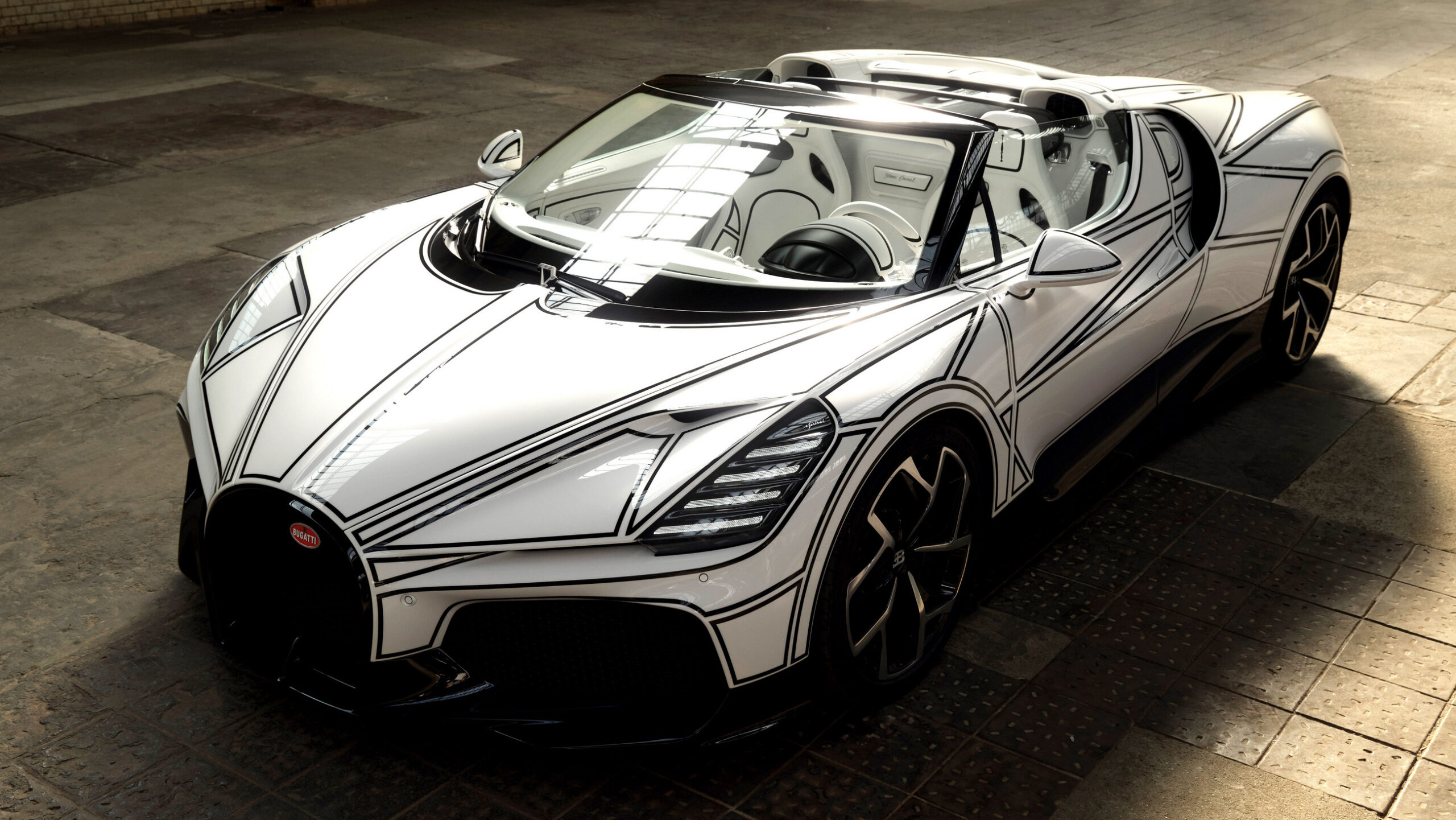
Blanc Éternel Hides Its Speed Behind a Gas Cap
Bugatti built a 261-mph roadster and made sure you'd notice the porcelain first.
From the other desks.

Gold Leaf on a Lacquer Dial, and the Weight of What That Costs
Awake's Frosted Leaf Royal Blue asks a question Vietnamese craft has never quite had to answer at this price.

ESPN Named Him. Then Unnamed Him. Nobody's Explaining the Gap.
A retraction without a reckoning is just a deleted link.

Hide My Email Has Been Showing Your Email
Apple's privacy flagship has a hole in it. They've known for over a year.