Two Signatures on One Dial, One Question About Who Needs Whom
Zenith's Calibre 135 collaboration with Naoya Hida isn't a flex from a 160-year-old manufacture — it's an admission.
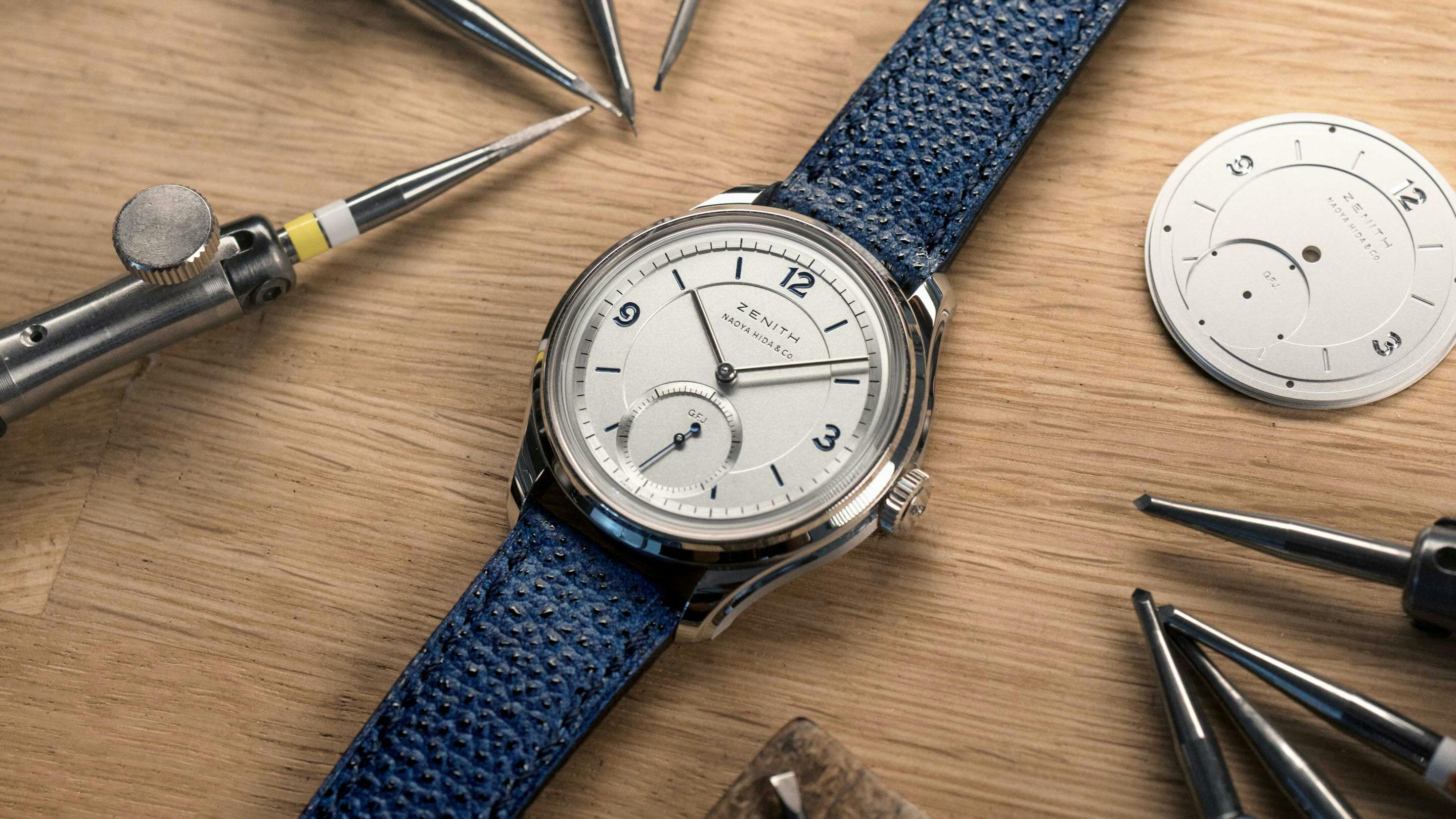
Photo · Hodinkee
There's a telling asymmetry in how the watch press covered this. Every outlet led with Zenith. Every outlet ended up writing about Naoya Hida.
That's not an accident. That's the story.
The watch is the Zenith G.F.J. Calibre 135 Double Signed with Naoya Hida & Co., and on paper it sounds like a legacy manufacture opening its doors to a guest. Zenith, marking its 160th anniversary, revived the Calibre 135 — a movement that, according to Monochrome, dominated observatory chronometry competitions throughout the 1950s and remains the most awarded movement of its kind — and has spent the last few years building the G.F.J. line around it. That lineage is real. The credibility is earned. Nobody is disputing any of that.
But then they called Naoya Hida.
What the double signature actually means
Zenith didn't just add a collaborator's name to a caseback. They announced what Fratello describes as a formal Double Signed Program — a structured framework, not a one-off. That framing matters. Programs imply intent. They imply that this won't be the last time a name from outside Le Locle appears alongside the manufacture's own.
And the name they chose first is not incidental. Naoya Hida & Co. is an independent Japanese watchmaker whose reputation among serious collectors has been built quietly, dial by dial, over a relatively short time. No factory scale. No century of marketing. Just a point of view about what a watch should feel like, expressed through Japanese craft sensibility — and an audience that has responded with the kind of loyalty that money alone cannot manufacture.
Time+Tide called this a rare Switzerland-Japan team-up, and that framing is accurate as far as it goes. But rarity isn't really the point. The point is what the pairing signals: that Zenith, one of the great Swiss houses, looked at the contemporary landscape of watchmaking and decided the most interesting thing it could do with one of its most significant movements was hand part of the conversation to someone whose authority comes from a completely different tradition.
The dial, by all accounts, is where Hida's contribution lands most visibly. Japanese independent watchmaking has developed a particular fluency with dials — texture, restraint, the kind of surface that rewards looking at it in changing light rather than a photograph. Bringing that sensibility to a movement whose history is rooted in Swiss precision chronometry creates a friction that isn't uncomfortable. It's generative.
The admission underneath the announcement
Swiss watchmaking spent decades operating as though it were the sole custodian of the form. The great calibres, the great complications, the great names — all of it centered on a geography and a tradition that didn't need to look elsewhere. That era is over, and the industry knows it, but few houses have been willing to say so plainly through their product decisions.
This watch says it plainly.
There's no diminishment in that. Zenith's Calibre 135 doesn't need Naoya Hida to validate it — that movement's competition record speaks across seven decades. But Zenith clearly understood that the most interesting version of this watch in 2025 was not the one they could make alone. The G.F.J. line already existed. The anniversary was already underway. They went looking for a collaborator anyway.
What they found, and what every outlet covering this piece independently arrived at, is that the watch world's center of gravity has quietly shifted. Not away from Switzerland — but outward from it. The best work is happening in multiple languages now, and the houses that will matter in another decade are the ones willing to have that conversation across borders rather than above them.
Two signatures on one dial used to mean one name was doing the other a favor. Here, it's harder to say which direction the favor runs — and that ambiguity is exactly what makes this worth paying attention to.
Keep reading fashion.

Gold Leaf on a Lacquer Dial, and the Weight of What That Costs
Awake's Frosted Leaf Royal Blue asks a question Vietnamese craft has never quite had to answer at this price.
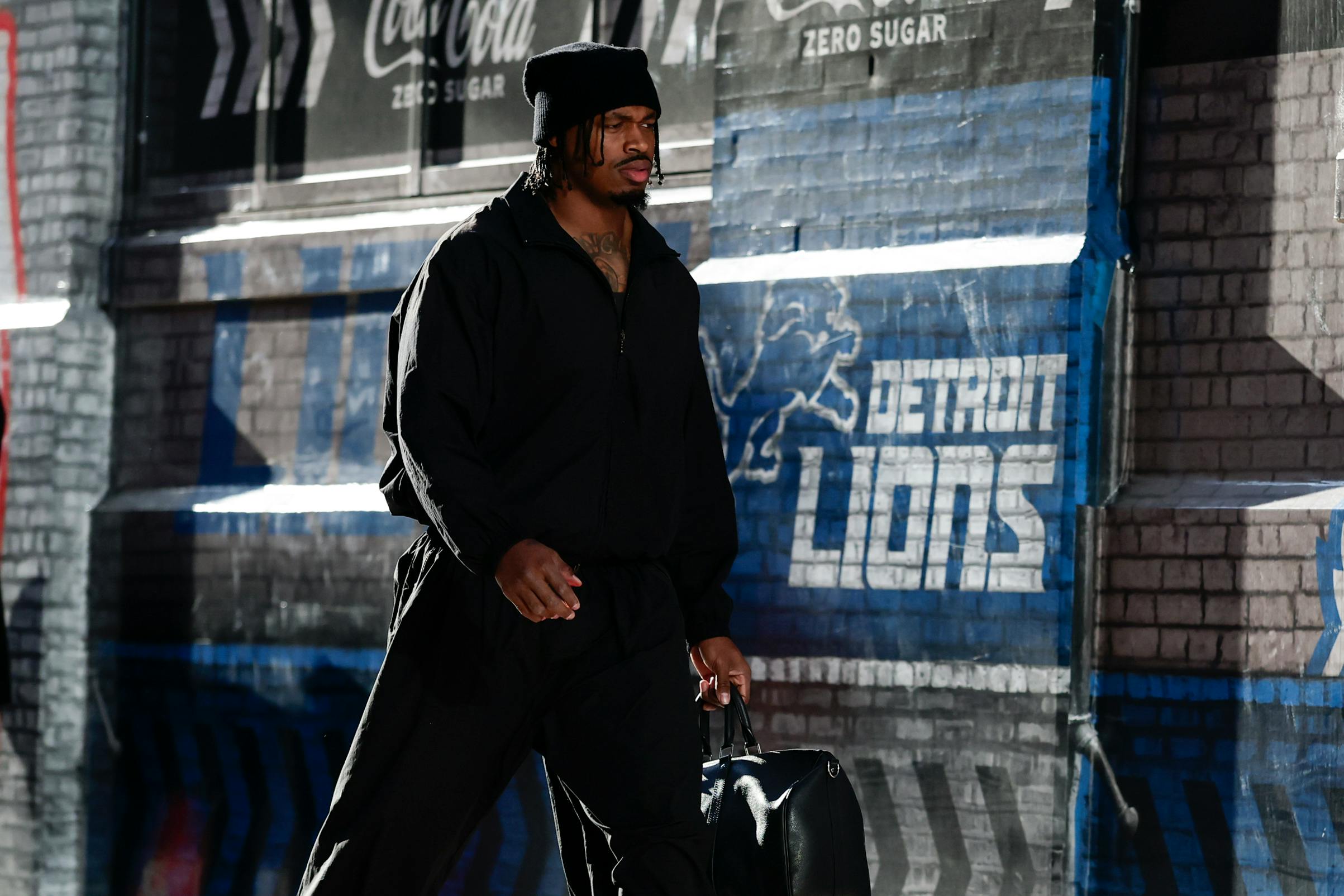
Kyle Smith Has a Job Title That Didn't Exist Before. That's the Whole Tell.
When the NFL hires a fashion editor, it's not about clothes — it's about who gets to decide what matters.
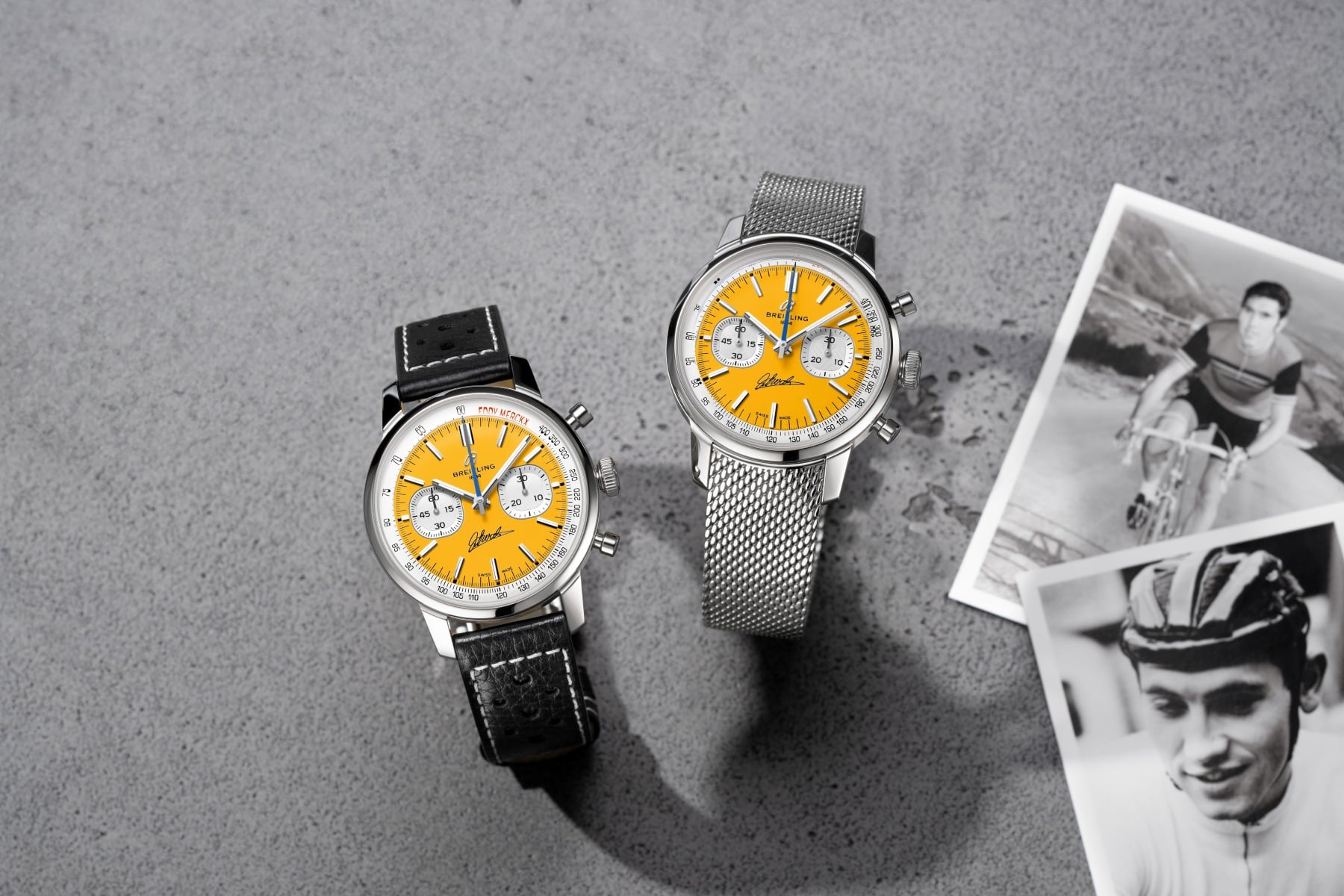
525 Victories, One Dial, and Cycling's Long Wait for a Wrist
Breitling's Eddy Merckx edition doesn't just reference a legend — it asks whether motorsport's younger sibling has finally earned its place in serious watch culture.
From the other desks.

800 Horsepower, One Ton of Doubt
Lamborghini built the most powerful SUV it's ever made. It's also slower than what it replaced.

ESPN Named Him. Then Unnamed Him. Nobody's Explaining the Gap.
A retraction without a reckoning is just a deleted link.

Hide My Email Has Been Showing Your Email
Apple's privacy flagship has a hole in it. They've known for over a year.