Plastic Heads on the Dashboard, and Autopilot Believes Them
A $30 doll from a Chinese e-commerce site is winning the arms race against Tesla's cabin camera, and that should unsettle everyone who ever trusted the system.

Photo · Electrek
Someone on a Chinese e-commerce platform is selling tiny plastic doll heads — marketed as travel companions, priced between $20 and $50 — specifically designed to fool Tesla's cabin camera into registering an attentive human driver. A writer at Electrek noticed, reported it, and called it what it is: dangerous and irresponsible. Both words are correct. Neither word is the most interesting part of this story.
The most interesting part is that a cottage industry exists at all.
Cottage industries don't emerge around things that don't work. They emerge around gaps — between what a system promises and what it actually delivers, between the letter of a safeguard and its spirit. Someone looked at Tesla's driver monitoring, concluded that the camera could be satisfied by a small plastic face at roughly the right angle, and then manufactured that face at scale. Others bought it. This is not a hack. It's a product category.
What the Camera Was Supposed to Do
Tesla's cabin camera monitors whether the person behind the wheel is paying attention while Autopilot is engaged. The logic is sound: you can't just trust a hand on the wheel anymore, so you watch the face. If the eyes drift, if the head drops, the system intervenes. It's a layer of accountability built into a vehicle that will otherwise steer, brake, and accelerate on its own across long stretches of highway.
A small doll head, positioned correctly, apparently satisfies this accountability layer for somewhere between twenty and fifty dollars.
There's something almost comedic about that exchange rate — the gap between the engineering investment on one side and the countermeasure cost on the other. But comedy is where this story ends, not where it lives. Where it lives is in the question of what driver monitoring actually monitors when it can be defeated by a novelty item shipped in a flat-rate box.
The Arms Race Has a Credibility Problem
Every safeguard that gets defeated teaches us something about the safeguard. Tape over a sensor, a weight on the steering wheel, now a plastic face angled at a camera — each workaround reveals the specific assumption baked into the monitoring logic, the exact shape of the gap between detection and understanding. Tesla's system can apparently confirm that something face-shaped is present and oriented forward. What it cannot do — or cannot do reliably — is confirm that the thing is alive, aware, and capable of grabbing the wheel in the next two seconds if everything goes wrong.
That distinction matters more than almost anything else in the autonomous driving conversation right now. The credibility of driver-assist technology rests on the premise that its safety layers are genuinely robust — not theatrical, not gameable by someone with a weekend and a $30 budget. When a product marketed as a dashboard decoration is functionally a Autopilot exploit, the theater is exposed.
The people buying these doll heads have already made a judgment call: that the monitoring is a formality, not a function. That the camera is checking a box, not watching a driver. Whether or not they're right about the technology, they're right about the incentive — the system created pressure, and the market found a release valve.
That release valve is a plastic face. And right now, the camera can't tell the difference.
Keep reading cars.
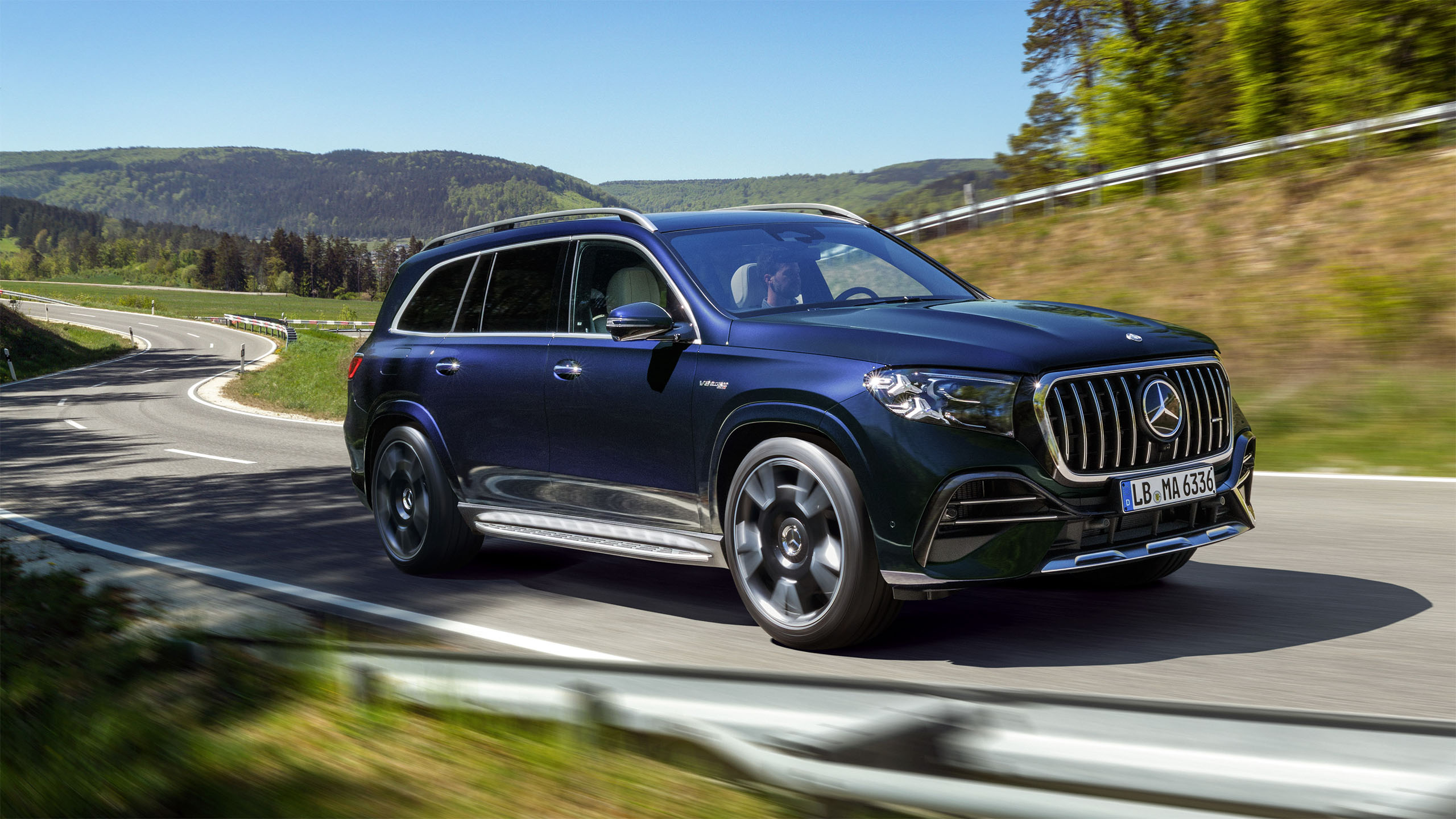
27 Cars, 36 Months, One Engine Worth Arguing About
Mercedes-AMG is flooding the market with V8s and a new six — not because the plan is subtle, but because subtlety lost.
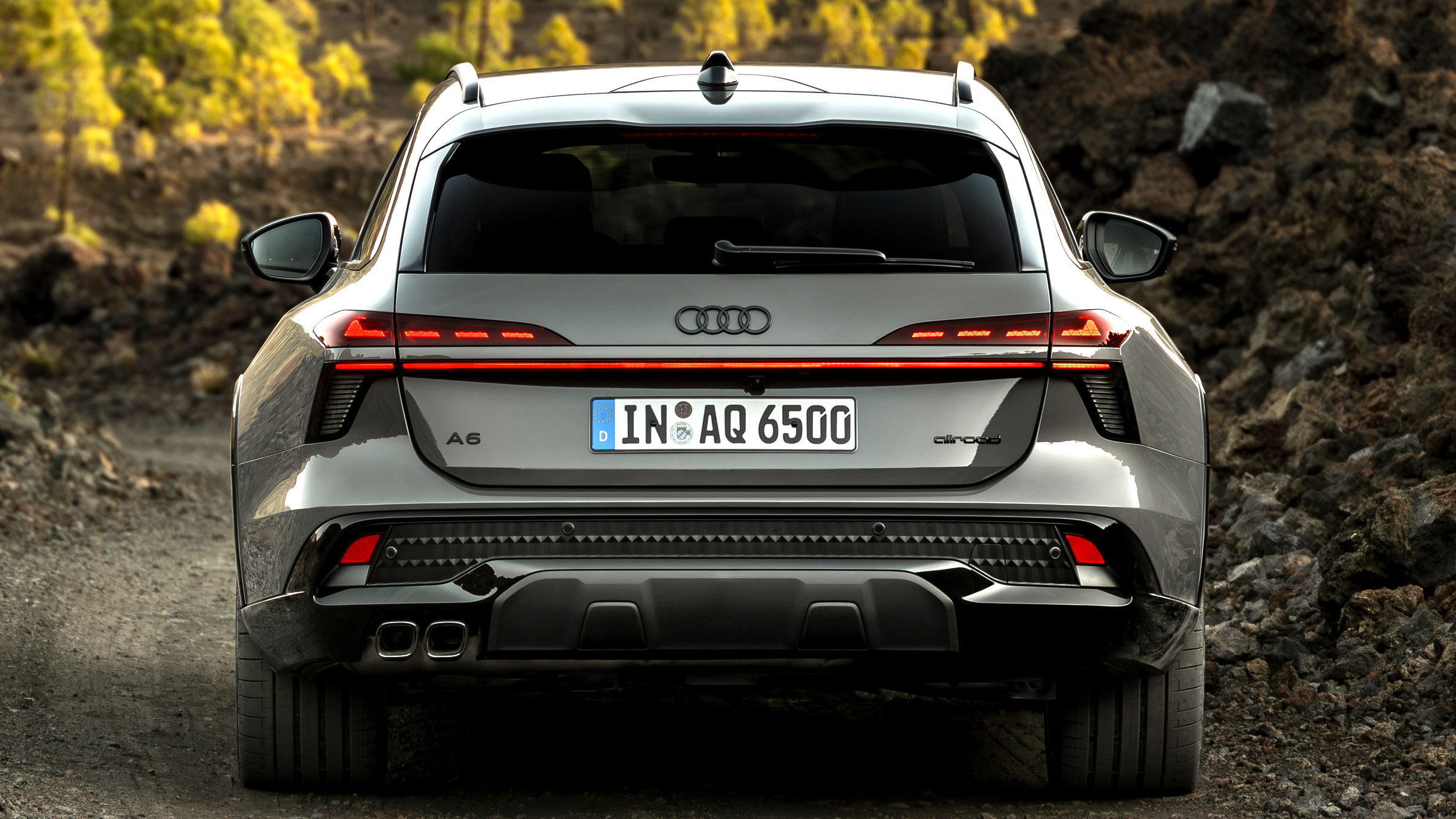
Everyone Bought an SUV. Audi Kept the Receipt.
The A6 Allroad is back, lifted 34mm and carrying nearly 60 miles of electric range — arriving just as every other wagon alternative quietly left the room.
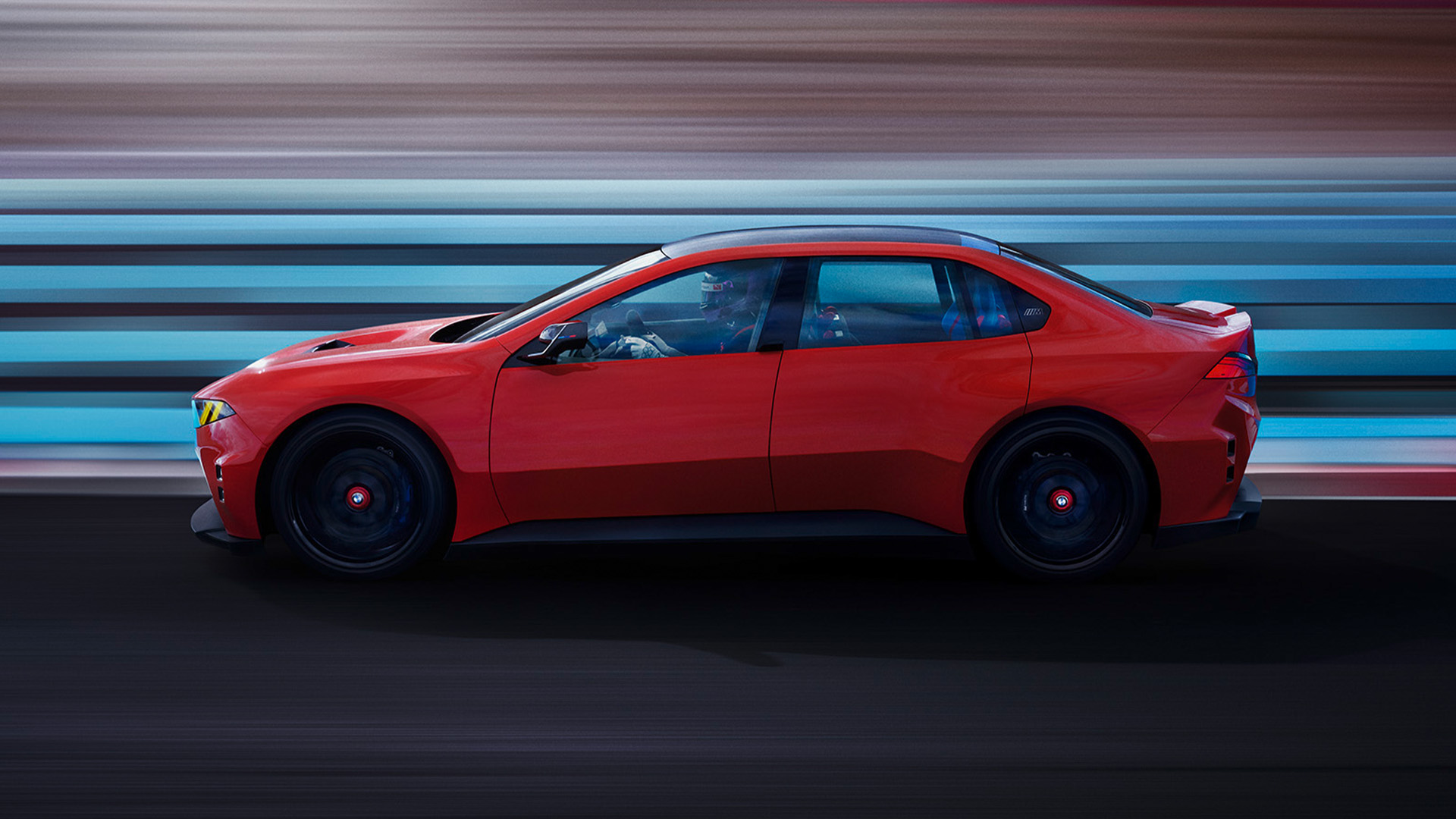
BMW Chose Extremes. The M3 Is Better for It.
Two versions, zero compromises — BMW's next M3 skips the hybrid middle ground entirely, and that decision says more about performance than the specs do.
From the other desks.
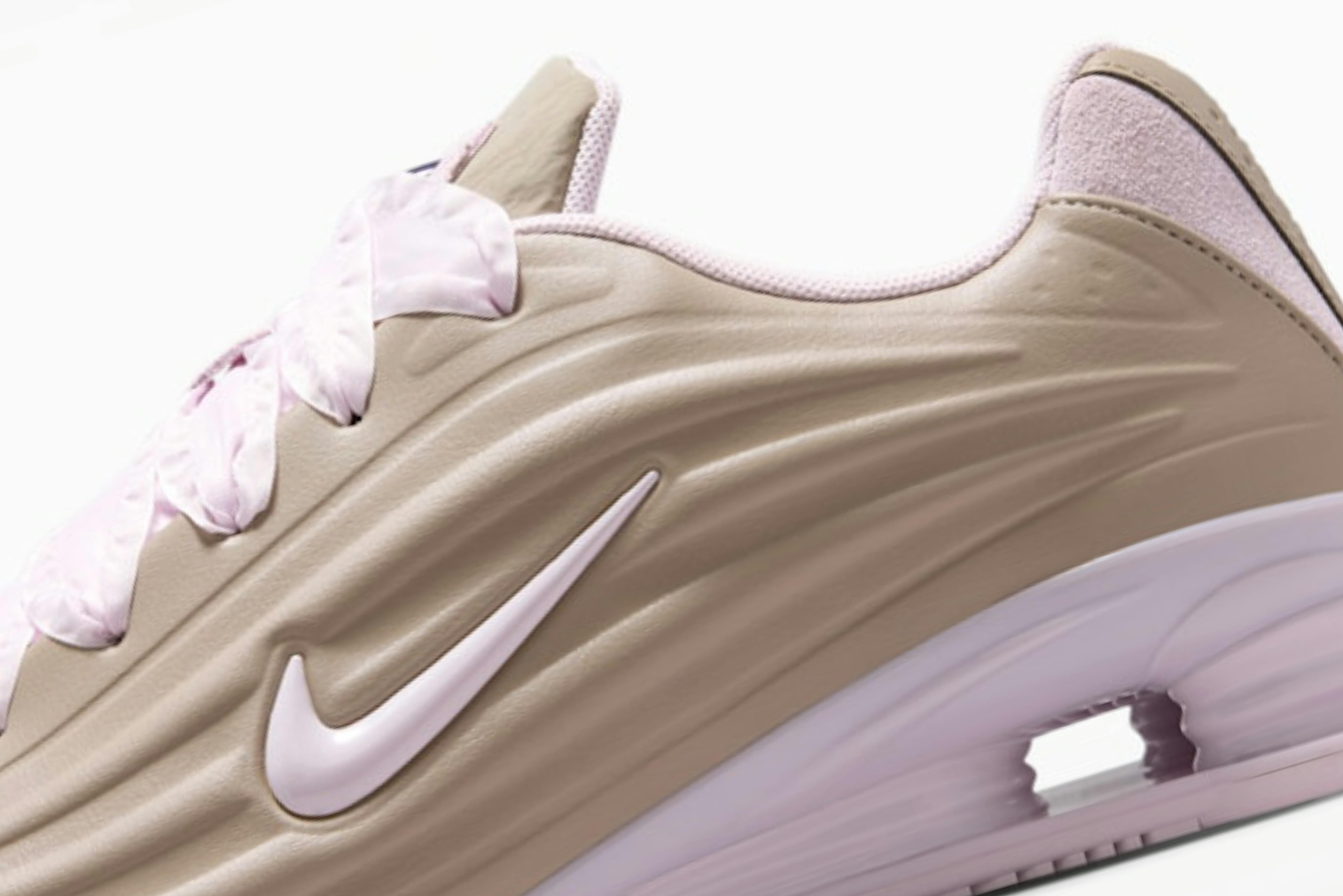
Ribbon Laces on a Shox: Nike Blinks First
When a sneaker built on aggression gets pastel tones and ballet details, something is being answered — the question is what.
Counterfeit Boccia Balls and the Price of Belonging
When the gear costs more than the athlete can pay, the rules stop being about fairness.

A 50 Percent Price Hike Is Not a Value Proposition
Microsoft's Snapdragon X2 Surface refresh tells you everything about who's actually paying for the Copilot Plus dream.