Ram Dakota Under $40K, and a Segment That Never Needed Saving
The compact truck didn't die because nobody wanted it. It died because the math stopped working — and now the math has changed.
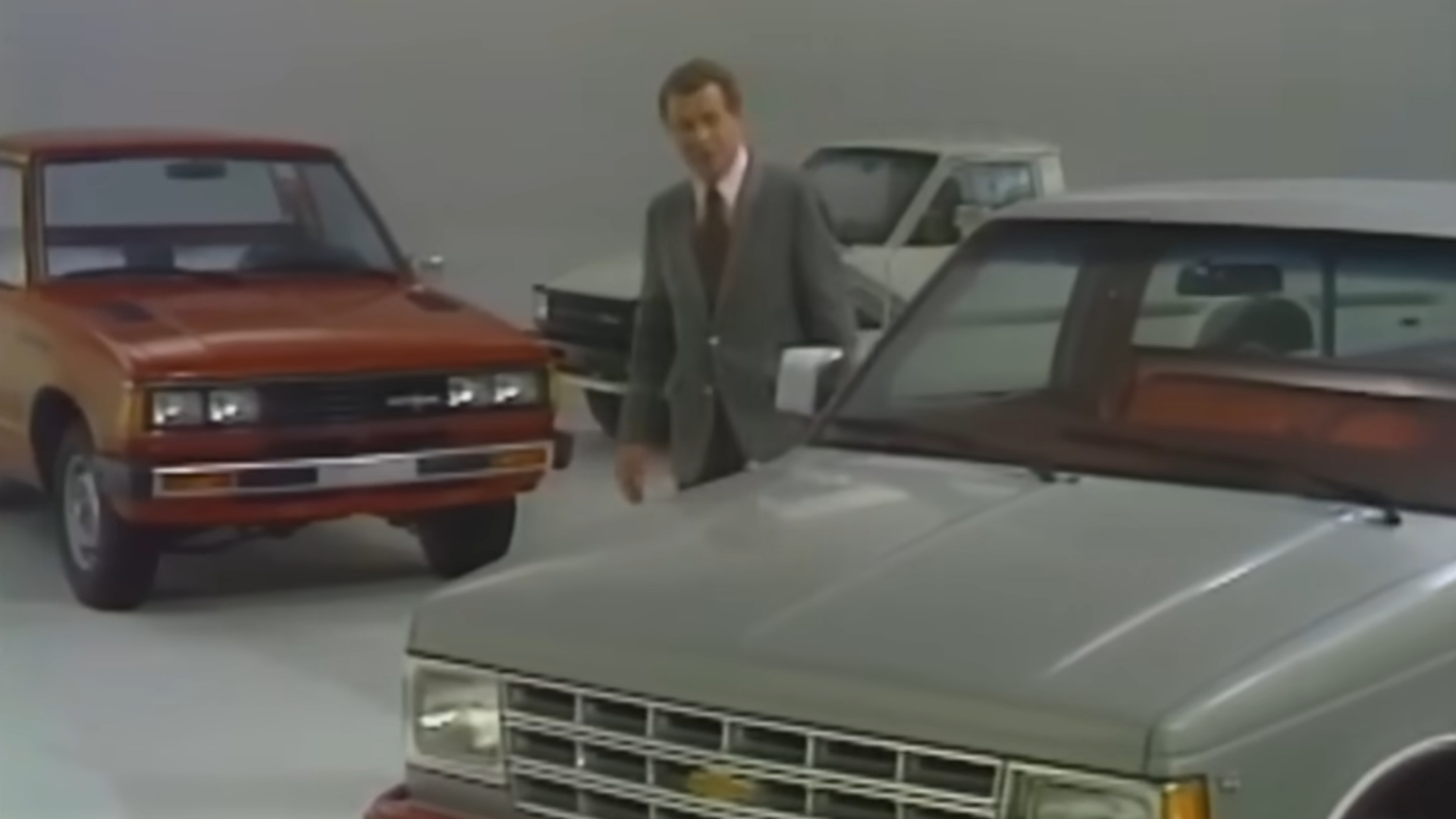
Photo · The Drive
There's a version of this story where Ram rides in to rescue an abandoned segment. That's the version Ram's marketing department wants you to believe. The more honest version is simpler and a little more damning: the compact truck never went anywhere. The buyers did — because the trucks did, forced out by regulatory pressure that made small unprofitable and big irresistible.
The Drive laid it out plainly: regulations didn't target small trucks directly, but the incentive structure they created did the job anyway. Fuel economy rules applied differently depending on vehicle footprint, which meant manufacturers could build their way to compliance by going larger — bigger bed, longer wheelbase, more metal. The math rewarded size. Detroit followed the math. Buyers who wanted something smaller got the Ford Maverick, and not much else.
Now Ram is coming with the Dakota, priced under $40,000, aimed directly at a Maverick it clearly considers a threat worth naming. Autoweek confirmed it. Jalopnik confirmed it. Both noted the Dakota name revival alongside what appears to be a Maverick-fighting model — two distinct entries, which suggests Ram isn't hedging. It's committed enough to field two bets in the same segment it ignored for years.
What Changed
The regulatory environment didn't reverse itself. But the market signal got loud enough that ignoring it became its own kind of risk. The Maverick, a vehicle Ford reportedly didn't expect to generate the demand it did, kept selling. The waitlists kept forming. The used market kept holding value. At some point, "nobody wants small trucks" becomes a claim that requires more evidence than the industry was willing to provide.
That under-$40,000 number is doing a lot of work in the announcement. It's a positioning statement as much as a price point — Ram is saying this isn't a niche vehicle, it's an accessible one. It's saying the decision to buy compact shouldn't require a financial sacrifice relative to what you'd spend on a midsize. Whether they can actually build to that number and margin it responsibly is the part nobody can answer yet.
What the Coverage Misses
Here's what I notice across all three sources: they're each writing about the return of the compact truck as though it's a vindication story. And it is, in a way. But there's something worth sitting with underneath the celebration.
This segment didn't die because engineers ran out of ideas. It died because the industry found it inconvenient, built something more profitable, and then told you that's what you wanted. For years. The Maverick's success didn't teach Ford something new about buyers — it reminded them of something old that had been set aside. Ram entering now isn't innovation. It's correction.
That doesn't make the Dakota less interesting. A properly built compact truck under $40,000 with the Ram name behind it is genuinely compelling — the brand knows how to build trucks, and a smaller canvas doesn't change that. But the framing of manufacturers "finally" entering this space obscures the fact that they were the ones who left it.
The compact truck segment isn't returning from the dead. It's returning from a filing cabinet.
Keep reading cars.

800 Horsepower, One Ton of Doubt
Lamborghini built the most powerful SUV it's ever made. It's also slower than what it replaced.

£11,990 Draws a Line Under Every Excuse You Had Left
Dacia just made the cheapest new car in Britain electric — and that's not a footnote, it's a verdict.
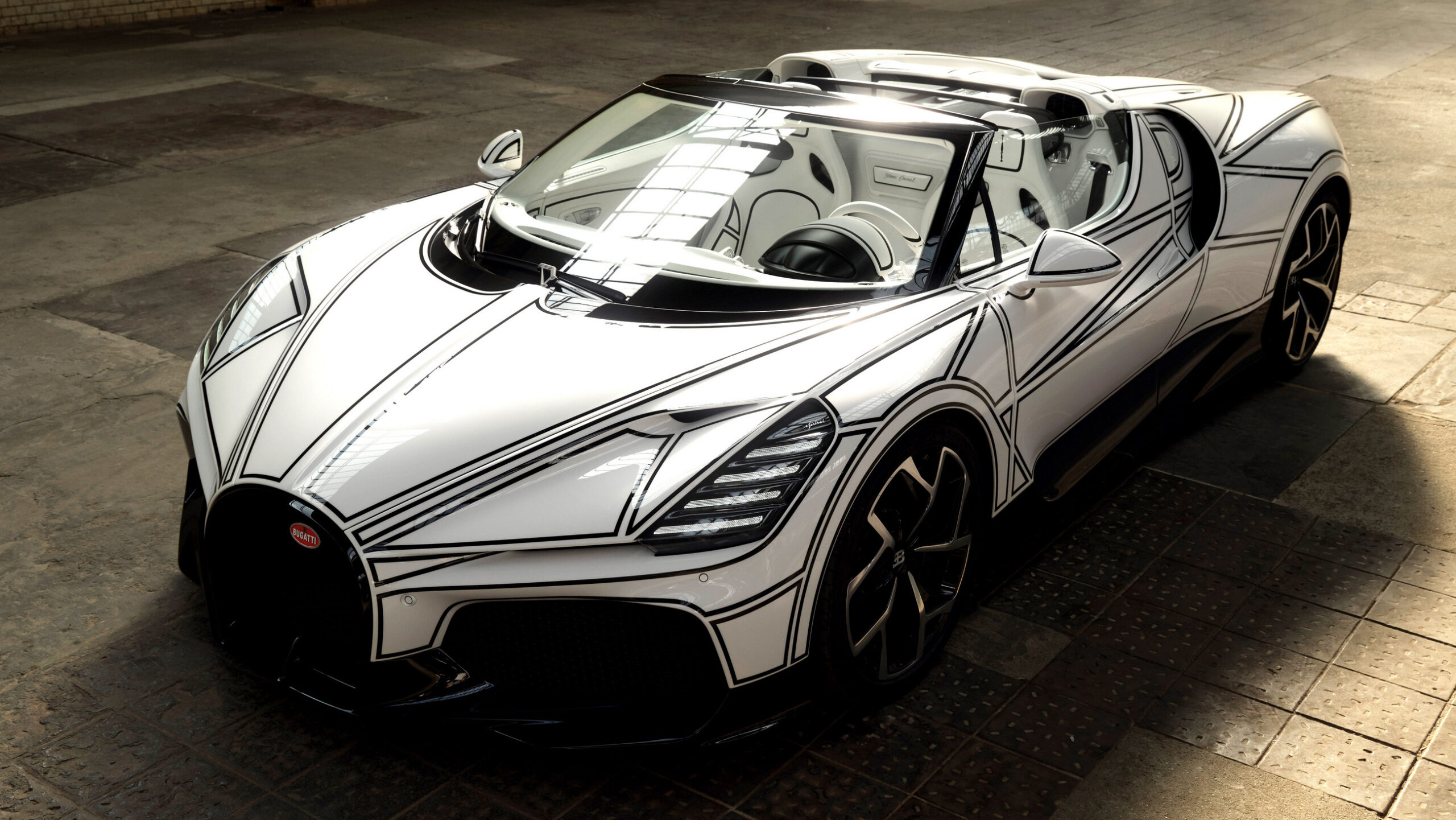
Blanc Éternel Hides Its Speed Behind a Gas Cap
Bugatti built a 261-mph roadster and made sure you'd notice the porcelain first.
From the other desks.

Gold Leaf on a Lacquer Dial, and the Weight of What That Costs
Awake's Frosted Leaf Royal Blue asks a question Vietnamese craft has never quite had to answer at this price.

ESPN Named Him. Then Unnamed Him. Nobody's Explaining the Gap.
A retraction without a reckoning is just a deleted link.

Hide My Email Has Been Showing Your Email
Apple's privacy flagship has a hole in it. They've known for over a year.