Same Chinese Parent. Two Answers. Pick Which One You Trust.
Polestar is out of America. Volvo isn't. They share an owner. Nobody's explaining the difference.
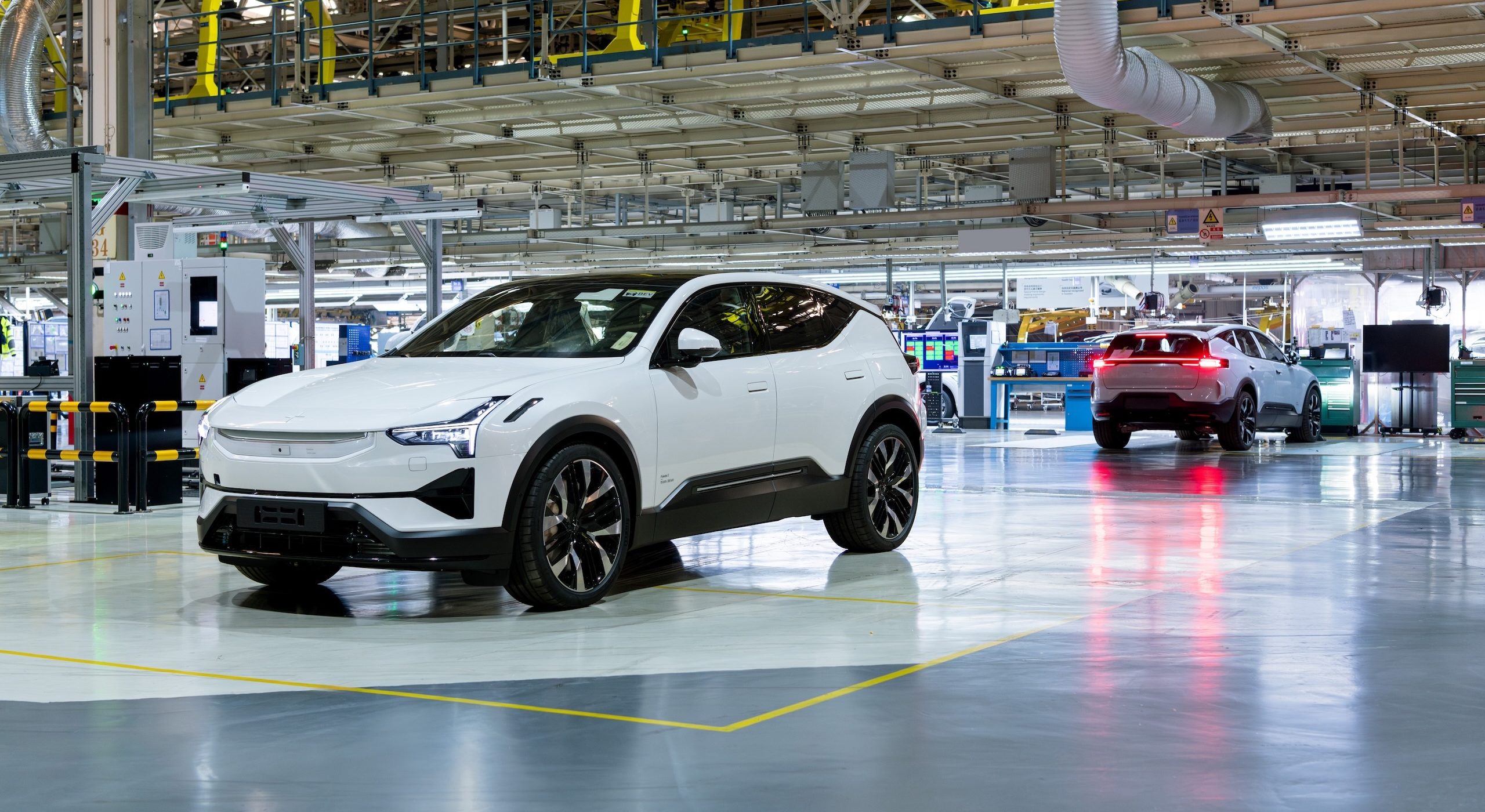
Photo · The Drive
Somewhere in a press release titled "Polestar strengthens its focus on Europe following decision under the U.S. Connected Vehicle Rule" — corporate language doing its best to make a ban sound like a strategy — is the actual story. The U.S. government decided that Polestar, owned by China's Geely Group, cannot sell new cars here starting with model year 2027. Done. Finished. The American chapter, closed.
Volvo, also owned by Geely, got authorization to continue.
No one has explained why.
The Rule That Knows What It Wants
The Connected Vehicle Rule, as multiple outlets including Autoweek and InsideEVs have reported, targets vehicles with technology ties to China or Russia. The logic, on paper, is coherent: connected cars carry sensors, software, cameras, and data links. If the hardware or code traces back to an adversary state, the argument goes, you've built a surveillance risk into American roads at scale. Fine. That's a real concern worth taking seriously.
But here's where the logic goes sideways. The Drive noted it flatly: Polestar is done, Volvo was spared, and the same Chinese parent company sits above both of them. Jalopnik made the same observation — Volvo was in the exact same predicament and received approval from the Trump administration anyway. The Autopian confirmed it: unlike Volvo, there will be no authorization for Polestar.
If the rule is about Geely's reach into vehicle technology, why does Geely's ownership of Volvo not trigger the same outcome? If it's about where the cars are engineered, or where the software originates, or where the servers live — say that. Publish the criteria. Let the logic be tested. Because right now, what we have is a rule that produced two different answers for two companies with the same owner, and the government hasn't felt obligated to reconcile that.
Carscoops pointed out something that sharpens the absurdity further: Polestar is being blocked even on vehicles it builds in America. The domicile of the factory doesn't move the needle. The Swedish brand with American assembly, gone. The Swedish brand without it, fine.
What Selective Enforcement Actually Costs
National security arguments have always asked for a degree of deference — trust us, we can't always show our work. That's a reasonable ask when the decisions are consistent. When they're not, the ask starts to look like something else.
The Polestar ban arrives in a moment when American EV buyers are already navigating a narrowing field of serious options. One outlet noted that choices for upscale electric vehicles are about to get slimmer. That's the consumer-level consequence, and it's real. But the structural consequence is bigger: when protectionism gets applied selectively to companies competing in the same segment, it stops reading as security policy and starts reading as market policy with better branding.
Polestar's press release says it will strengthen its focus on Europe. Canada, per Driving.ca, will still be able to buy new Polestars. The cars exist. The engineering didn't change. The threat assessment, apparently, did — depending on which side of the Atlantic or Pacific you're on, and which Geely-owned badge is on the hood.
The machines that won't be sold here starting in 2027 were already designed, already connected, already capable. The rule didn't make them safer. It just made them someone else's market.
If "connected vehicle" security is the standard, apply it with a straight face — or admit what you're actually protecting.
Keep reading cars.

800 Horsepower, One Ton of Doubt
Lamborghini built the most powerful SUV it's ever made. It's also slower than what it replaced.

£11,990 Draws a Line Under Every Excuse You Had Left
Dacia just made the cheapest new car in Britain electric — and that's not a footnote, it's a verdict.
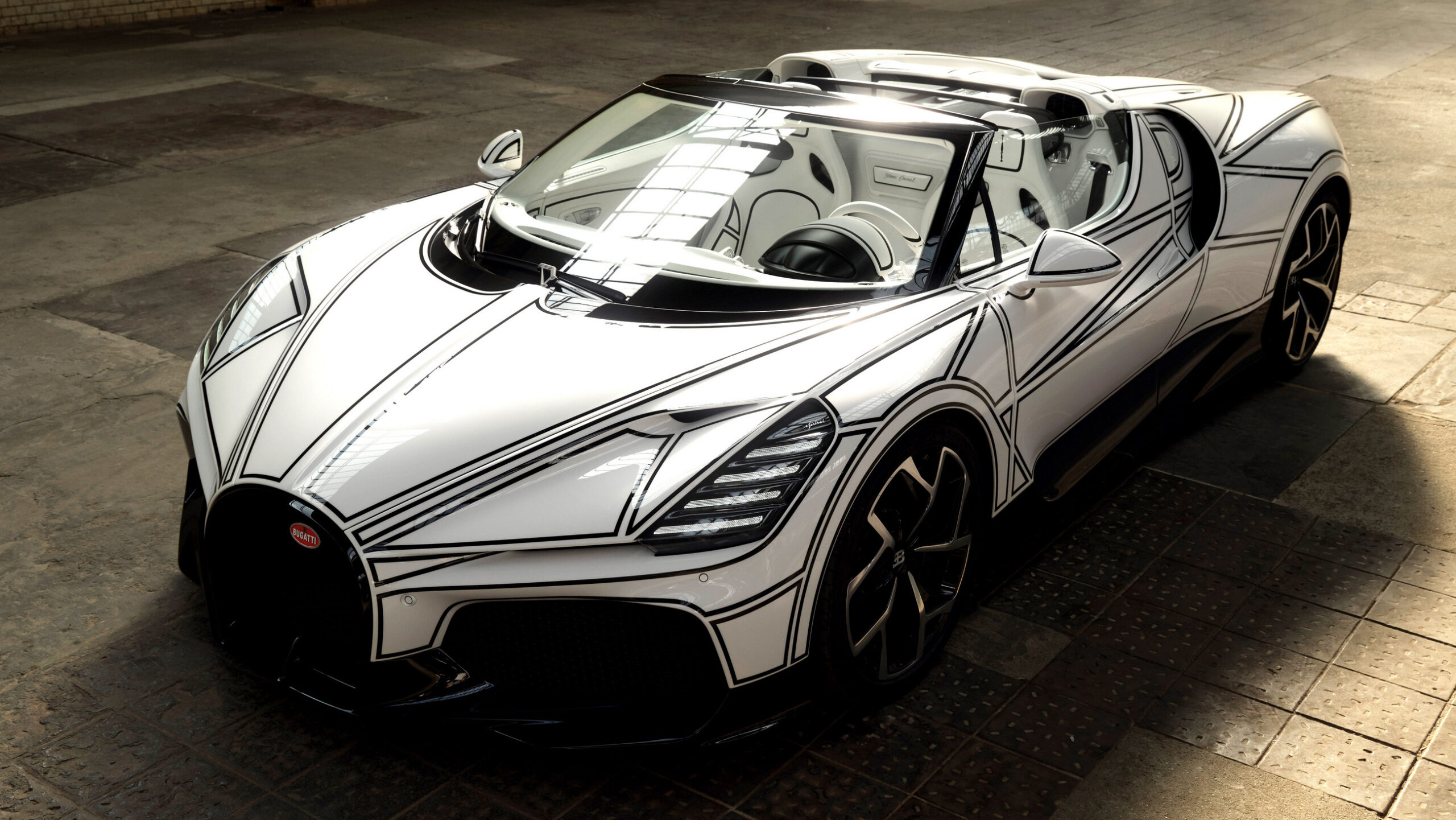
Blanc Éternel Hides Its Speed Behind a Gas Cap
Bugatti built a 261-mph roadster and made sure you'd notice the porcelain first.
From the other desks.

Gold Leaf on a Lacquer Dial, and the Weight of What That Costs
Awake's Frosted Leaf Royal Blue asks a question Vietnamese craft has never quite had to answer at this price.

ESPN Named Him. Then Unnamed Him. Nobody's Explaining the Gap.
A retraction without a reckoning is just a deleted link.

Hide My Email Has Been Showing Your Email
Apple's privacy flagship has a hole in it. They've known for over a year.