The Door They're Not Knocking On
BYD is coming to Canada, and the most interesting part is what that says about everywhere else.

Photo · Latest Content - Autoweek
Twenty dealerships. That's the number BYD is reportedly planning to open in Canada. Not a flagship. Not a pilot. Twenty locations — which is either a modest footprint or a very deliberate one, depending on how you read the room.
I read it as deliberate.
The Quiet Route North
There's a version of this story where you write about BYD and the US market and tariffs and trade walls and the whole familiar machinery of geopolitical friction. Autoweek published a piece this week noting that BYD isn't in the US yet — and that Canada appears to be next. The framing is accurate. But the more interesting read isn't about the door that's closed. It's about the one being opened, carefully, without fanfare, in a market that doesn't generate the same heat.
Canada doesn't have the same political voltage around Chinese automakers that the US does right now. Which means BYD can do something valuable there that it can't do south of that border: it can learn. It can build infrastructure. It can develop the muscle memory of operating in a North American market — service networks, customer expectations, cold-weather performance questions, the whole texture of what it means to sell and support a car here — without fighting a war at the same time.
That's not a consolation prize. That's a strategy.
What Twenty Dealerships Actually Means
Twenty dealerships isn't saturation. It's presence. It's enough to be real without being overextended. Enough to generate reviews, word of mouth, service data, and the kind of quiet credibility that no marketing budget can manufacture. If those twenty locations work — if the cars hold up and the buyers come back — BYD exits that chapter with something worth more than market share in a single country. It exits with proof of concept on this continent.
And proof of concept travels.
The US situation is what it is. Tariffs, political pressure, the general atmosphere around Chinese-made vehicles — none of that is resolving quickly, and BYD almost certainly knows it. But markets shift. Administrations change. Trade relationships get renegotiated. The companies that are positioned when that window opens are the ones who spent the waiting period building, not standing outside the door.
Canada is the waiting period made productive.
There's something almost classically patient about the move. The American car market has a long history of underestimating foreign manufacturers who arrived quietly, established themselves in adjacent markets, refined their product on real roads with real buyers, and then showed up at the main event already knowing how to compete. The pattern isn't new. The players change; the playbook doesn't.
BYD in Canada isn't a consolation move. It's a flanking one.
Twenty dealerships. Watch the number grow.
Keep reading cars.

800 Horsepower, One Ton of Doubt
Lamborghini built the most powerful SUV it's ever made. It's also slower than what it replaced.

£11,990 Draws a Line Under Every Excuse You Had Left
Dacia just made the cheapest new car in Britain electric — and that's not a footnote, it's a verdict.
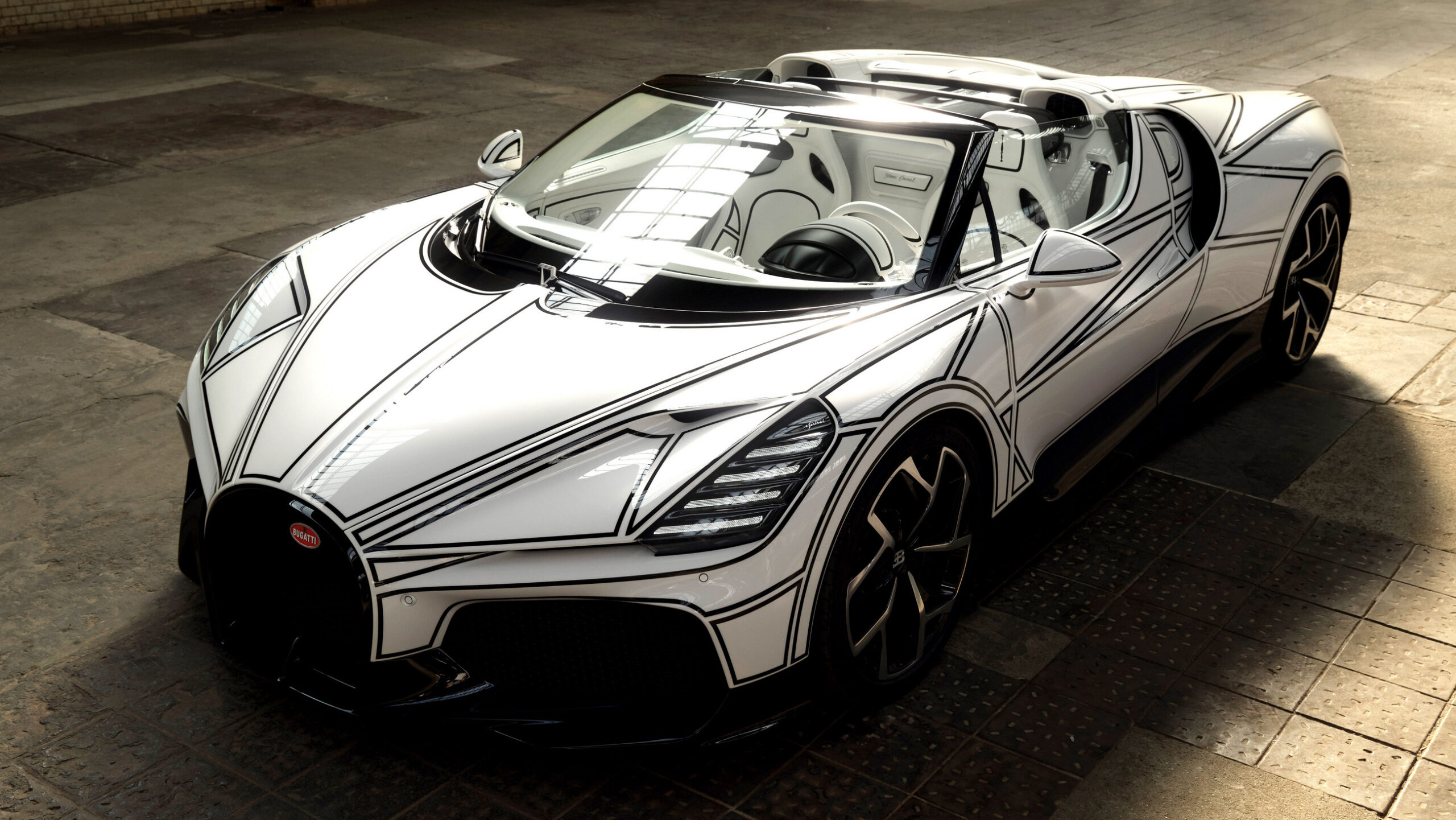
Blanc Éternel Hides Its Speed Behind a Gas Cap
Bugatti built a 261-mph roadster and made sure you'd notice the porcelain first.
From the other desks.

Gold Leaf on a Lacquer Dial, and the Weight of What That Costs
Awake's Frosted Leaf Royal Blue asks a question Vietnamese craft has never quite had to answer at this price.

ESPN Named Him. Then Unnamed Him. Nobody's Explaining the Gap.
A retraction without a reckoning is just a deleted link.

Hide My Email Has Been Showing Your Email
Apple's privacy flagship has a hole in it. They've known for over a year.