The Floor Is the Point
Three very different cars just made the same argument — and the industry isn't ready to admit it's right.
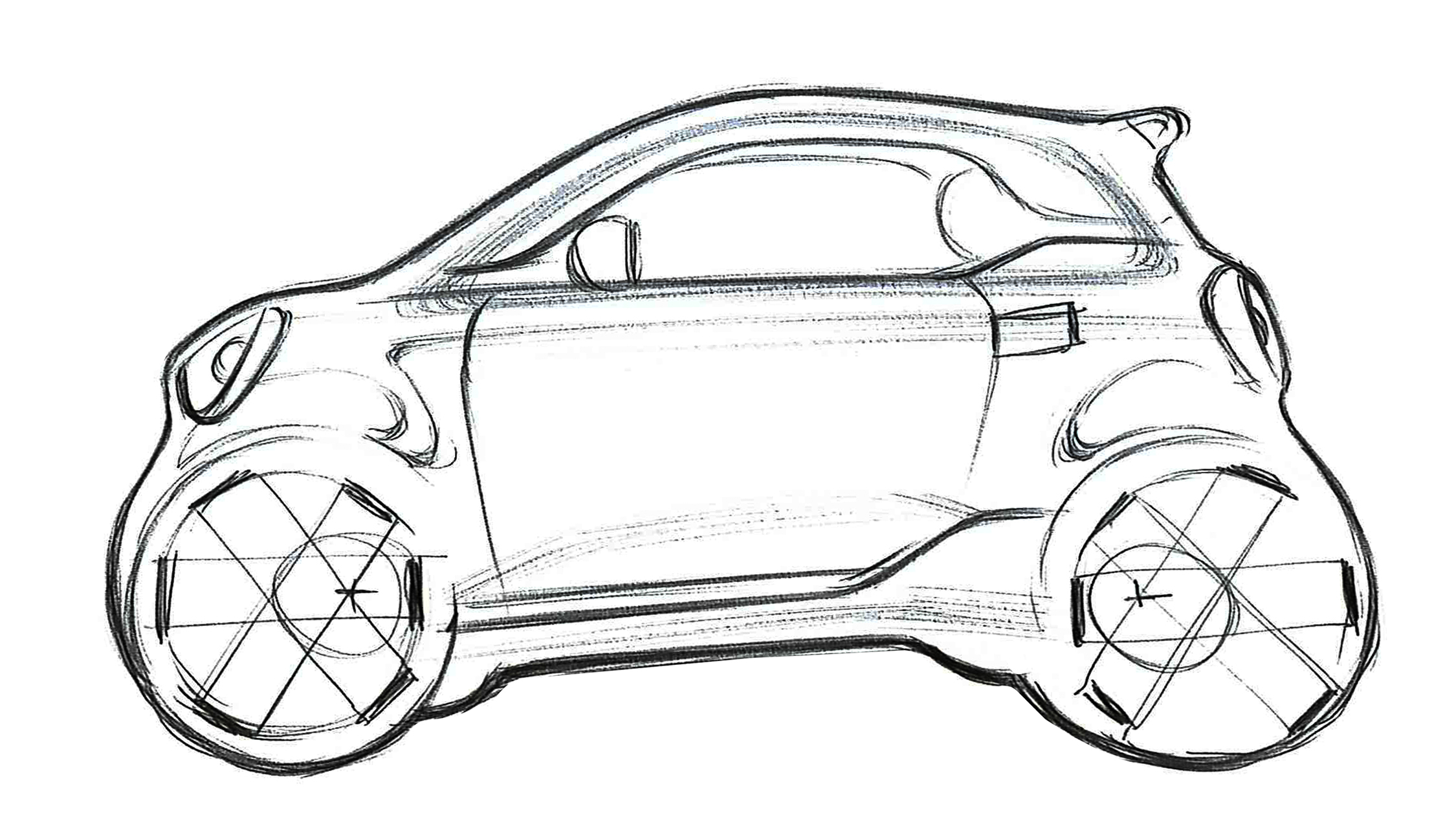
Photo · Carscoops
Something is shifting at the bottom of the market, and it doesn't feel like a retreat.
Look at what's actually being announced right now. Smart is reviving the spiritual DNA of the ForTwo with a concept called the #2 — small, urban, sitting below the #1 in the lineup. Nissan is bringing back the Xterra, body-on-frame, priced under $40,000, explicitly positioned to compete with the Ford Bronco. And in Japan, Renault is running a lottery — an actual lottery — to sell a base-spec Kangoo van with unpainted bumpers and steel wheels for around $27,600. People are entering to win the right to buy it.
That last one deserves a second. Unpainted bumpers. Steelies. Lottery.
The Kangoo isn't a stripped penalty box that someone got stuck with. It's a cult object. Japan has decided this van, in its most naked form, is desirable — desirable enough that demand outstrips supply at a price point where most manufacturers are busy adding ambient lighting and massaging seats to justify their margins. The source coverage from Carscoops frames it plainly: in Japan, the Kangoo is a lifestyle vehicle. The lottery edition is proof that the cult is real.
Lifestyle Isn't a Trim Level Anymore
This is the thread connecting three cars that look nothing alike. The ForTwo concept, the Kangoo lottery edition, and the new Xterra aren't competing on horsepower figures or infotainment screen sizes. They're competing on identity. On what it means to choose a thing deliberately, at a price that doesn't require convincing yourself.
Nissan's play with the Xterra is the most straightforward of the three — sub-$40K, body-on-frame construction, a direct swing at the Bronco's territory. That's a math problem with a clear answer. But the framing matters. Nissan isn't marketing this as the affordable option. They're marketing it as the right option for a specific kind of person. The spec is the lifestyle. The price is the permission slip.
Smart's #2 concept works differently. It's a preview, a spiritual heir — the brand gesturing toward something smaller and more essential than where it's been recently. Whether that translates to a production car that actually delivers on the concept's promise is a separate question. But the direction is legible: smaller, more deliberate, lower in the lineup.
Meanwhile, at the other end of the showroom, Audi is reportedly preparing an RS6 sedan — after fifteen years of offering the RS6 only as an Avant wagon — with a plug-in hybrid system and somewhere in the neighborhood of 720 horsepower. Ford is stacking Tremor badges onto the Explorer, adding lift and skid plates to a three-row family hauler. These are maximalist moves. More power, more capability, more everything.
Two Directions, One Moment
The industry is pulling in both directions simultaneously, which is maybe the honest read on where car culture actually lives right now. There's an appetite for the RS6 sedan and its 720 horses. There's also an appetite for a $27,600 van with bare plastic bumpers that you have to win a lottery to buy.
Both are real. Both are legitimate. But only one of them represents something genuinely new.
The maximalist stuff — more power, more tech, more trim levels — that's the industry doing what it's always done, just louder. The Kangoo lottery, the Xterra's under-$40K anchor, the ForTwo's spiritual return: those suggest that a different kind of buyer is getting louder too. One who has decided that affordability isn't a consolation prize. That choosing less, choosing simpler, choosing something with a clear purpose — that's the whole point.
The lottery isn't a gimmick. It's a signal. When demand for a base-spec van with no paint on the bumpers exceeds supply, the market is telling you something the product planners didn't expect to hear.
Affordability used to be what you settled for. Someone just figured out it could be what you aspire to.
Keep reading cars.

800 Horsepower, One Ton of Doubt
Lamborghini built the most powerful SUV it's ever made. It's also slower than what it replaced.

£11,990 Draws a Line Under Every Excuse You Had Left
Dacia just made the cheapest new car in Britain electric — and that's not a footnote, it's a verdict.
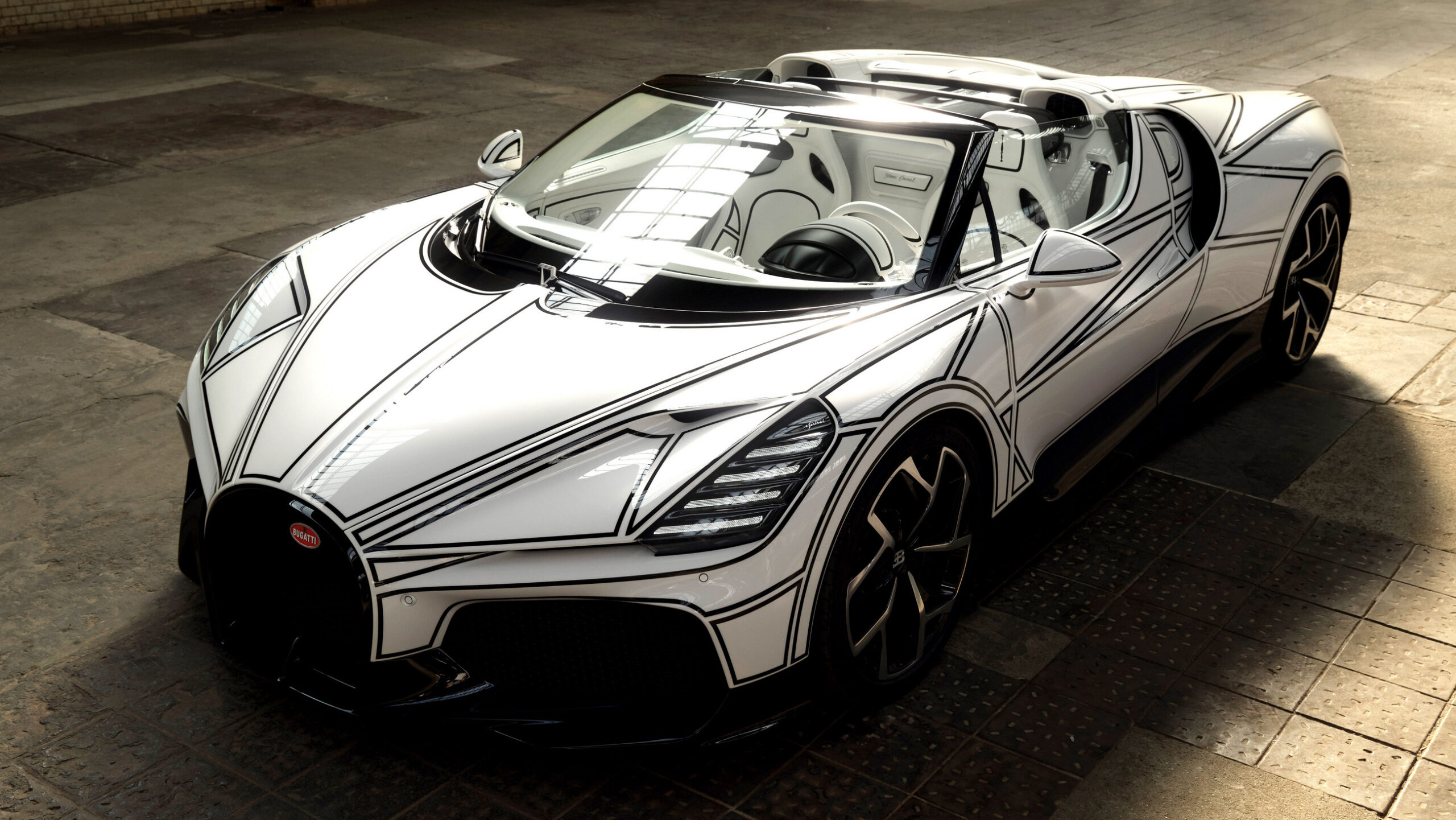
Blanc Éternel Hides Its Speed Behind a Gas Cap
Bugatti built a 261-mph roadster and made sure you'd notice the porcelain first.
From the other desks.

Gold Leaf on a Lacquer Dial, and the Weight of What That Costs
Awake's Frosted Leaf Royal Blue asks a question Vietnamese craft has never quite had to answer at this price.

ESPN Named Him. Then Unnamed Him. Nobody's Explaining the Gap.
A retraction without a reckoning is just a deleted link.

Hide My Email Has Been Showing Your Email
Apple's privacy flagship has a hole in it. They've known for over a year.