The Last Honest Argument
Porsche just built a $200k manual convertible that revs to 9,000 rpm — and somehow that's the most rational thing in the industry right now.
What Porsche Is Actually Saying
There's a version of this story where the 2027 911 GT3 S/C is a nostalgia play. A roof-optional farewell tour for the combustion faithful, wrapped in leather and priced accordingly. That version is wrong.
This car is a provocation.
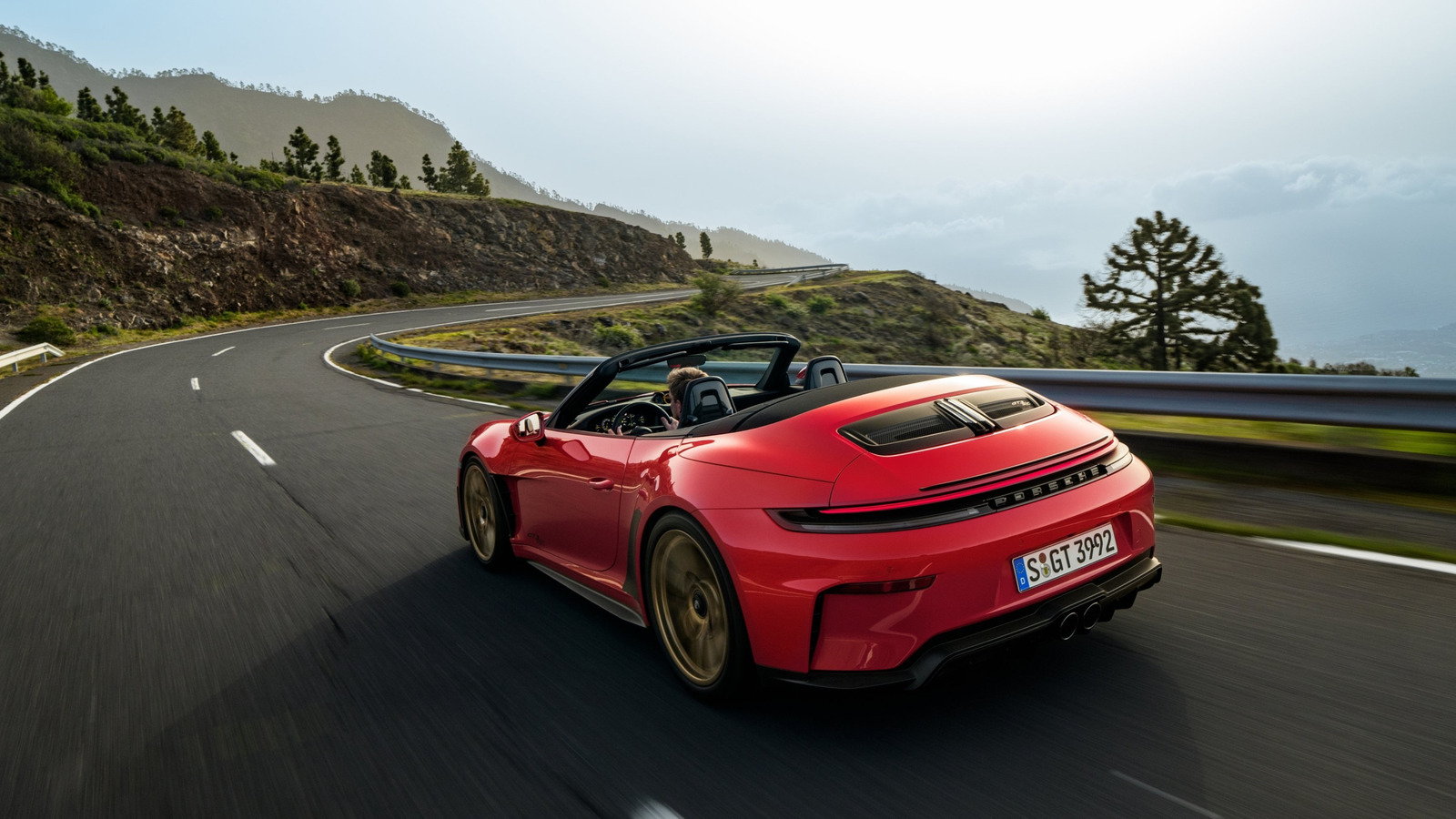
Porsche took the GT3 — already the purist's argument against every trend in the industry — and removed the roof, added a power-folding top, stripped weight using components borrowed from the limited-edition 911 S/T, and mandated a six-speed manual. No PDK option. No compromise in that direction. The result is something Hagerty describes as the first-ever GT3 convertible, and what Motor1 notes is currently the only two-seater 911 convertible available. They named it the Sport Cabriolet. The S/C.
At a price point that, per Jalopnik, is unambiguously not cheap.
The Engine Is the Argument
Everything interesting about this car radiates outward from one fact: a naturally aspirated flat-six spinning to 9,000 rpm, connected to your left hand through a gearbox with no electronic shortcut available. That's it. That's the whole thesis.
The Drive frames it as a salute — a deliberate, reverent gesture toward what this engine represents. The Autopian goes further, and it's worth pausing on what they actually said: their writer considers the 911 S/T, the car that donated its weight-saving DNA to this one, to be the greatest road car they have ever driven. The chassis, the suspension, the close-ratio manual, the 9,000-rpm scream — all of it converging into something they describe as flawless. The GT3 S/C is, in their framing, that car made more accessible. Still expensive. Still rare in spirit. But not artificially limited in production the way the S/T was.
Carscoops called it the best and worst GT3 all at once, which is the most honest headline in the coverage. Purists will panic about the open roof. Track purists will note the added complexity of a folding top. And both groups will be missing the point.
The point is that Porsche built a car you can drive to work — the power-folding top makes that explicit — and then wind out to nine thousand revs on the way home with the sky above you and your hand on a proper gearbox. That's not a track car with a sunroof. That's a different kind of machine entirely. One that argues, quietly and at very high volume, that the experience of driving has a physical, mechanical dimension that software cannot replicate and electricity cannot replace.
The price of admission is steep. The TheTruthAboutCars coverage notes Porsche's particular talent for variations on a theme — nobody does it better, they argue — and this is the variation that costs the most to justify. Around $200,000 to sit in the only configuration where the GT3's engine is fully exposed to the open air, connected to your hands without interruption.
You could call that cynical. Porsche selling the dream back to you at a markup, knowing exactly who will pay it and why.
Or you could call it the only honest answer to a question the industry keeps trying to make disappear: what does driving actually feel like when nothing is being managed for you?
At 9,000 rpm with the top down, you already know.
Keep reading cars.

800 Horsepower, One Ton of Doubt
Lamborghini built the most powerful SUV it's ever made. It's also slower than what it replaced.

£11,990 Draws a Line Under Every Excuse You Had Left
Dacia just made the cheapest new car in Britain electric — and that's not a footnote, it's a verdict.
Blanc Éternel Hides Its Speed Behind a Gas Cap
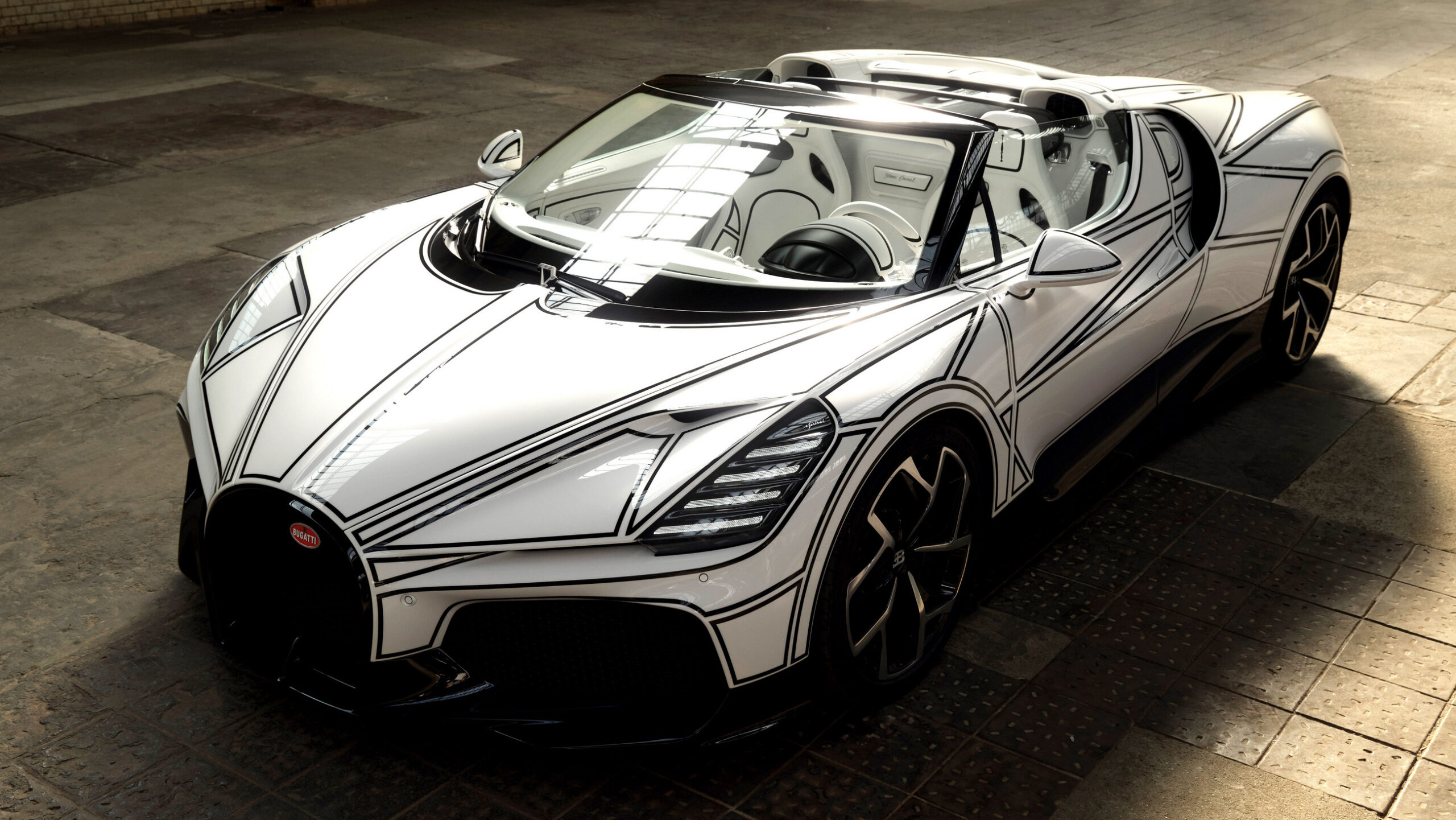
Bugatti built a 261-mph roadster and made sure you'd notice the porcelain first.
From the other desks.

Gold Leaf on a Lacquer Dial, and the Weight of What That Costs
Awake's Frosted Leaf Royal Blue asks a question Vietnamese craft has never quite had to answer at this price.

ESPN Named Him. Then Unnamed Him. Nobody's Explaining the Gap.
A retraction without a reckoning is just a deleted link.

Hide My Email Has Been Showing Your Email
Apple's privacy flagship has a hole in it. They've known for over a year.