Two Records, One Track, One Argument Settled
The Nürburgring doesn't grade on effort — and this week, both Porsche and Volkswagen proved they know the difference.
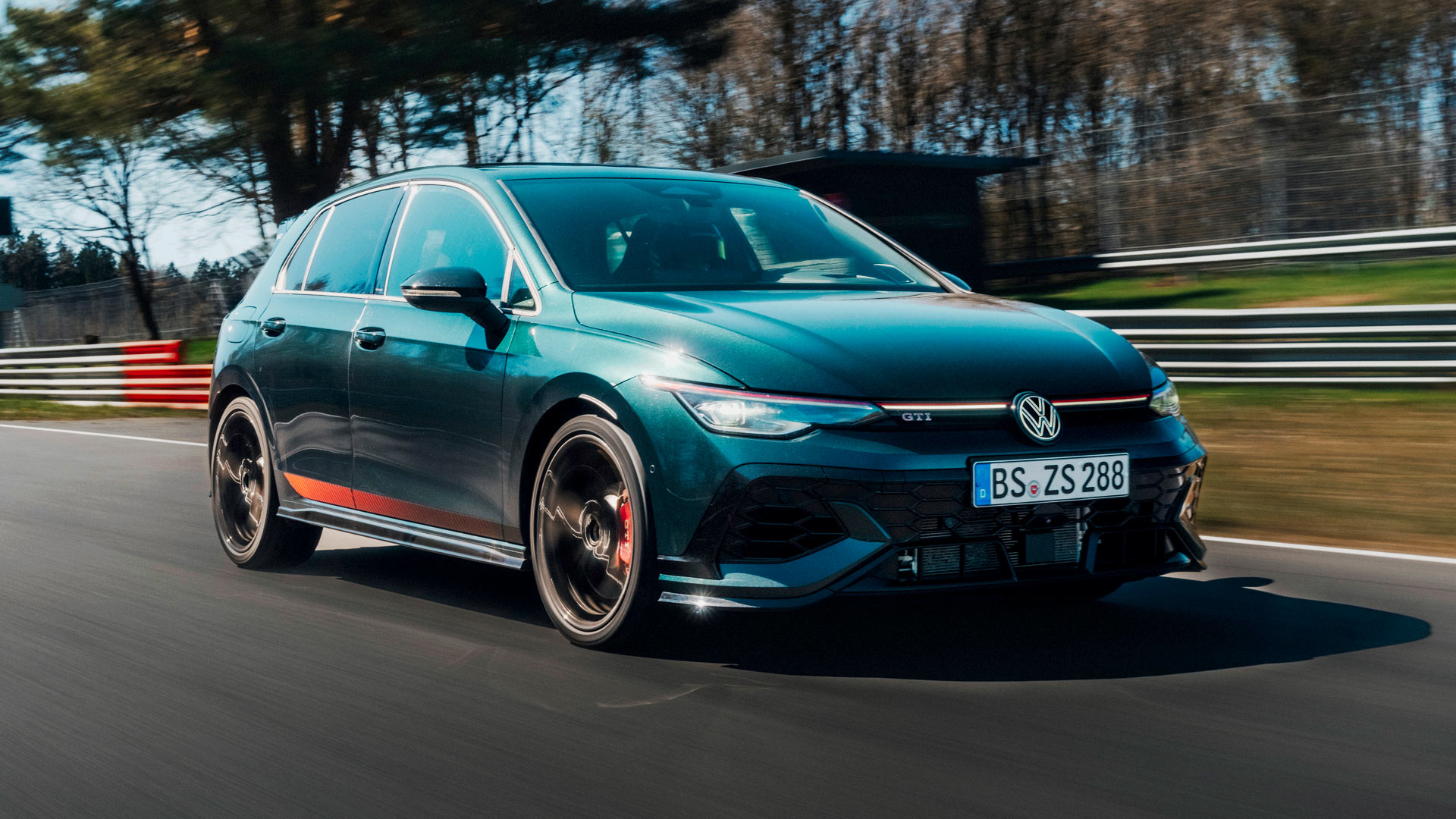
Photo · Motoring Research
The Nordschleife doesn't negotiate. You don't talk your way around it, you don't spend your way around it, and you absolutely don't marketing-deck your way around it. The stopwatch is the only critic that matters out there, and this week it handed verdicts to two very different machines for very different reasons — and the pattern across both of them is worth sitting with.
The Porsche Taycan is once again the fastest electric vehicle in Nürburgring history. According to Robb Report, the sedan took the record back from the Yangwang U9 Xtreme, beating it by more than three and a half seconds. That margin isn't a rounding error. On a circuit where tenths feel like miles, three and a half seconds is a statement.
And separately — almost quietly by comparison — Volkswagen's Golf GTI Edition 50 became the fastest front-wheel-drive production car ever recorded on the Nordschleife. That's not a segment win. That's the segment's ceiling, raised.
Same Track, Different Languages
What's interesting isn't either record in isolation. It's what they share.
Both cars are defined by constraint. The Taycan is an EV — which means engineers are working around weight, heat, and battery management in ways that don't apply to combustion. The GTI Edition 50 is front-wheel-drive, which means traction is a constant negotiation, not a given. Neither machine had the easiest physics to work with. Both found a way through anyway.
The Yangwang U9 Xtreme — the car Porsche just displaced — is no slouch. Chinese EV development has moved fast and has the specs to prove it. But the Taycan didn't just out-spec it. It out-engineered it, which is a different thing entirely. Horsepower is a number. Laptime is a result. The Nürburgring converts one into the other with brutal honesty.
Same logic applies to the GTI. A front-wheel-drive car at this level of performance is fighting its own architecture on every corner exit. The fact that Volkswagen found another second somewhere on a 12-plus-mile circuit — in a car wearing a badge that's been around for decades — suggests the engineering team isn't coasting on legacy. They're hunting.
What the Clock Actually Measures
There's a version of this week's news that gets written as two separate press releases. Porsche fans share one, VW fans share the other, and everyone goes back to their corner. But read together, these two records say something more interesting: the Nürburgring is still the most reliable filter in the automotive world, and it's still sorting by the same criteria it always has.
Not brand. Not voltage. Not country of origin. Not how good the render looks.
Setup. Suspension calibration. Brake balance. Tire behavior across 73 corners over more than 20 kilometers. The kind of decisions that get made in simulation, then on the track, then in simulation again, then on the track again, until the car does exactly what the engineers need it to do at exactly the moment it needs to do it.
The EV era was supposed to scramble this hierarchy. More torque, instant delivery, software-defined performance — the pitch was that the old rules wouldn't apply. And they don't, entirely. But the Nordschleife has a way of finding whatever you haven't solved yet. The Taycan has now solved more of it than anyone else with a battery pack.
Two records in one week. Two different cars, two different categories, two different engineering philosophies. The only thing they have in common is that someone spent a very long time making them faster than everything else.
The track didn't care who they were. It only cared what they could do.
Keep reading cars.
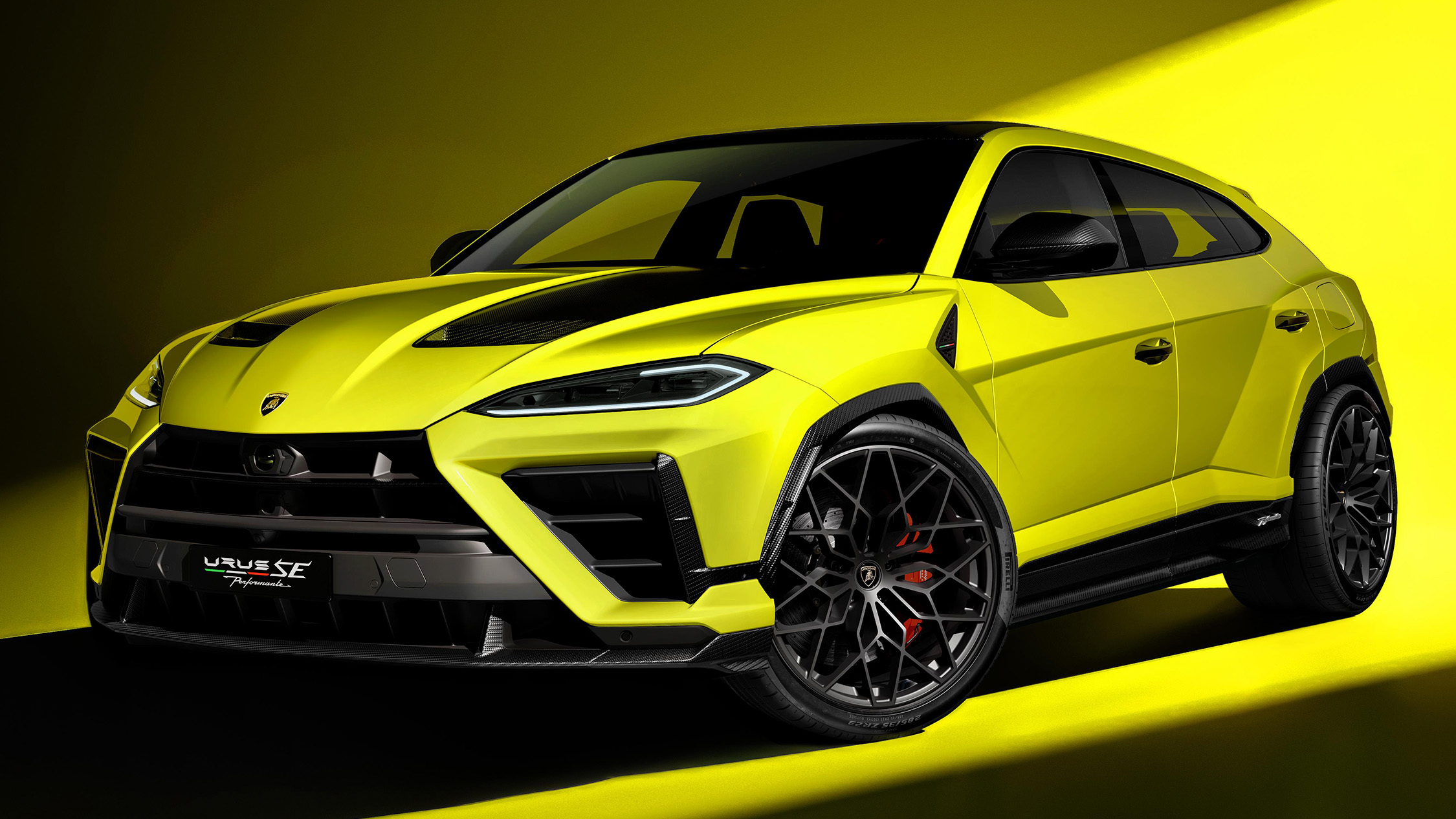
800 Horsepower, One Ton of Doubt
Lamborghini built the most powerful SUV it's ever made. It's also slower than what it replaced.

£11,990 Draws a Line Under Every Excuse You Had Left
Dacia just made the cheapest new car in Britain electric — and that's not a footnote, it's a verdict.
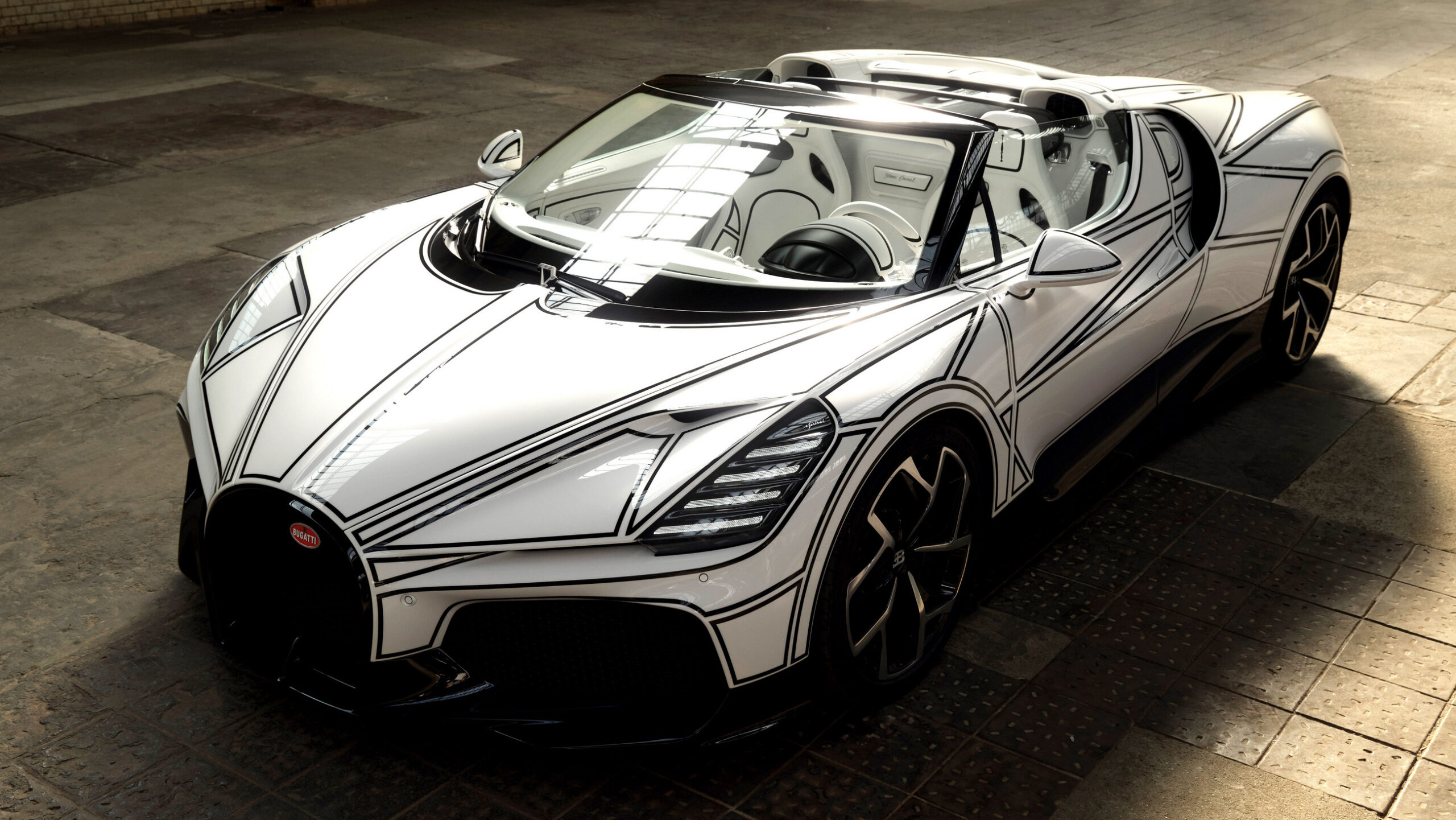
Blanc Éternel Hides Its Speed Behind a Gas Cap
Bugatti built a 261-mph roadster and made sure you'd notice the porcelain first.
From the other desks.
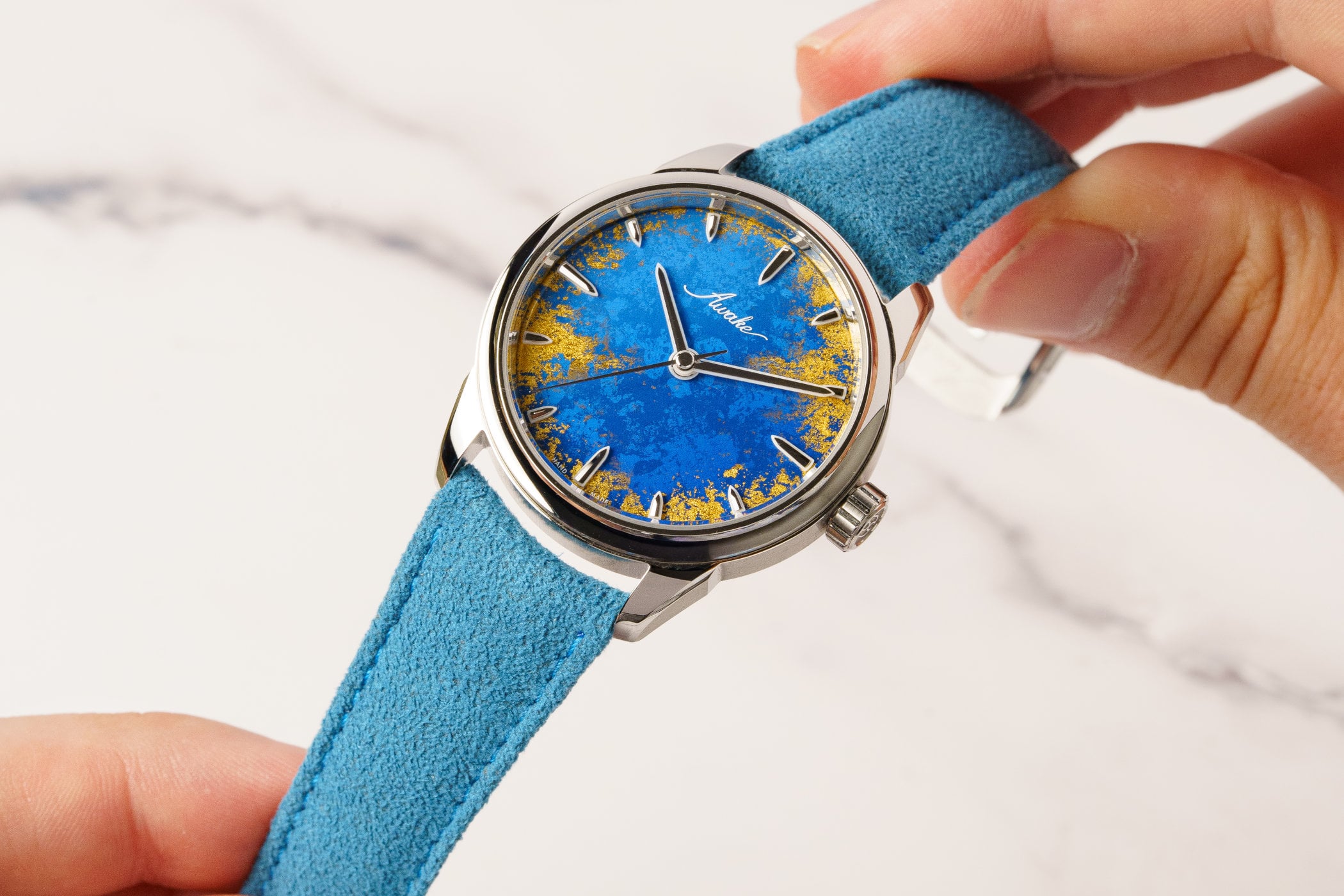
Gold Leaf on a Lacquer Dial, and the Weight of What That Costs
Awake's Frosted Leaf Royal Blue asks a question Vietnamese craft has never quite had to answer at this price.

ESPN Named Him. Then Unnamed Him. Nobody's Explaining the Gap.
A retraction without a reckoning is just a deleted link.

Hide My Email Has Been Showing Your Email
Apple's privacy flagship has a hole in it. They've known for over a year.