Cobalt SS Is in the Same Sentence as JDM, and That Tells You Something About Where Taste Went
Hagerty's data on Gen Z car preferences isn't really a list — it's a map of how authenticity replaced heritage.
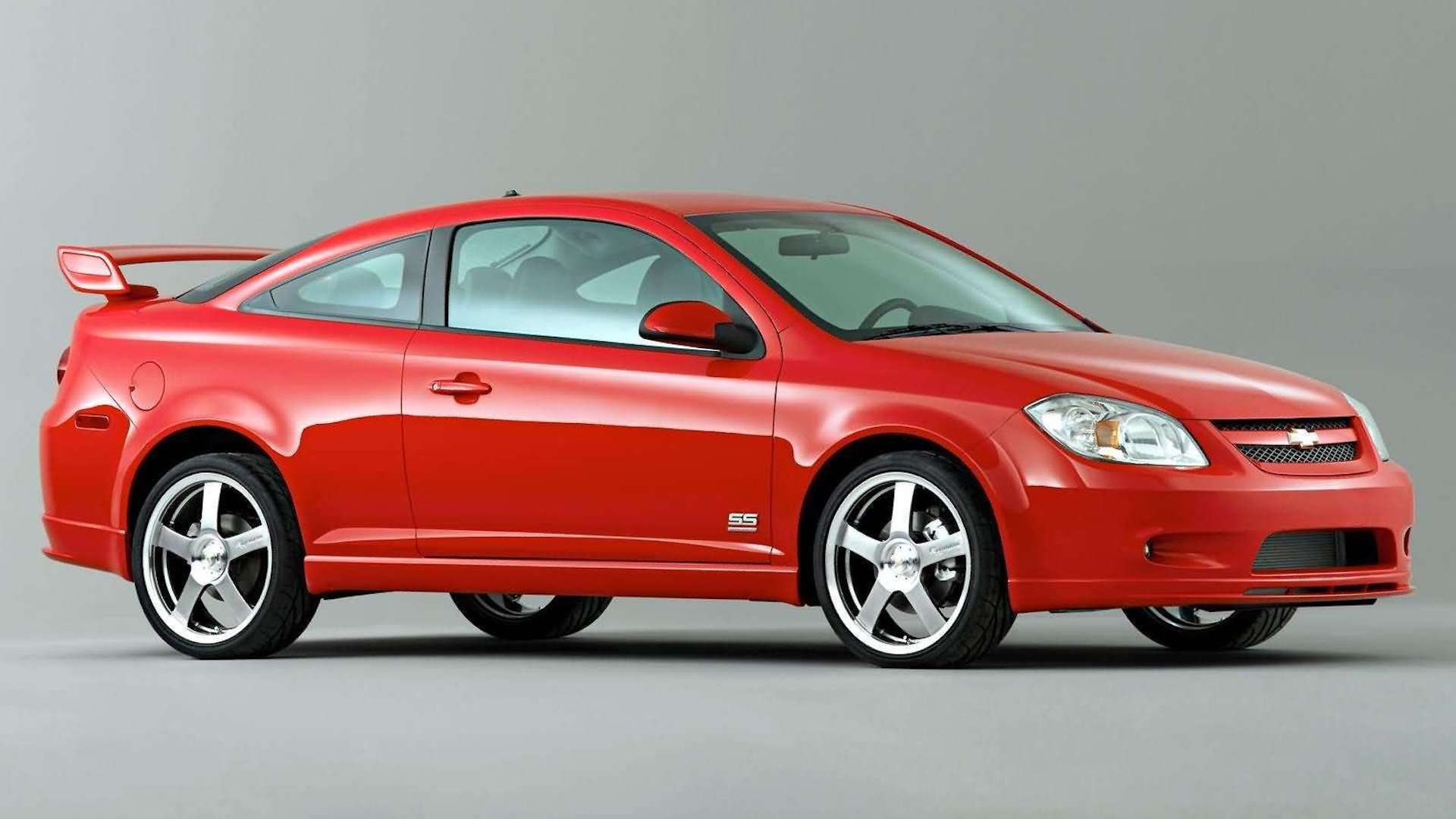
Photo · The Drive
The Cobalt SS has no business being here.
That's not a dig. It's the whole observation. A writer at The Drive flagged Hagerty data showing that Gen Z enthusiasts are gravitating toward Japanese cars and, in the same breath, the Chevy Cobalt SS — and the editorial instinct was to note that one of these things is not like the others. Fair. But that framing undersells the real rupture the data is pointing at.
The hierarchy is gone
For decades, car enthusiasm operated on understood rankings. JDM sat at one altar. European sport compacts at another. American performance cars — depending on the era and the crowd — somewhere adjacent but rarely equal. The Cobalt SS, a front-wheel-drive compact with a supercharged four-cylinder that never quite shook its economy-car bones, would not have appeared on any respectable enthusiast shortlist ten years ago without a qualifier attached.
Now it does. And the qualifier is the point.
Gen Z didn't inherit the hierarchy. They encountered cars on YouTube, in video games, in forums where a modified Cobalt pulling a surprise on a bigger name carries the same cultural currency as a clean S2000. The brand badge is a data point, not a verdict. What matters is whether the car has a story — preferably one that involves someone caring about it more than they were supposed to.
The Cobalt SS, particularly the supercharged version, has that. It was pushed harder than its platform had any right to be. People loved it past its limitations. That's not a consolation prize for enthusiasm. That is enthusiasm.
What Hagerty is actually tracking
The data, as The Drive frames it, reveals that even within the Japanese cars Gen Z prefers, they're not the expected ones. So this isn't just "young people like classics." It's something more specific: young people are drawn to cars with a cult, regardless of where the cult formed or what nameplate it attached to.
This should make some brands nervous. Heritage without a genuine following is just marketing. A name that was once great but hasn't been loved obsessively — hasn't been modified, debated, raced on a budget, and kept alive by people who couldn't necessarily afford something better — doesn't have the thing Gen Z is actually responding to.
The Cobalt SS survived because people chose it on purpose. Not because they couldn't get a WRX. Because they wanted the Cobalt. There's a difference, and younger enthusiasts seem to feel it instinctively.
Hagerty tracking this matters because it's insurance and valuation data, which means it reflects what people are actually buying and registering, not just what they're posting about. The romanticism has economic weight now.
What comes next
The brand managers watching this data are probably already misreading it. The lesson isn't "make cars with cult potential" — you can't manufacture that. The lesson is that a generation raised on algorithmic access to everything has developed better filters for what's real. They can tell when a car earned its following and when it was handed one.
The Cobalt SS on the same list as the icons it was never supposed to match isn't irony. It's a signal that the old hierarchies don't adjudicate taste anymore.
Authenticity is the only badge that transfers.
Keep reading cars.

800 Horsepower, One Ton of Doubt
Lamborghini built the most powerful SUV it's ever made. It's also slower than what it replaced.

£11,990 Draws a Line Under Every Excuse You Had Left
Dacia just made the cheapest new car in Britain electric — and that's not a footnote, it's a verdict.
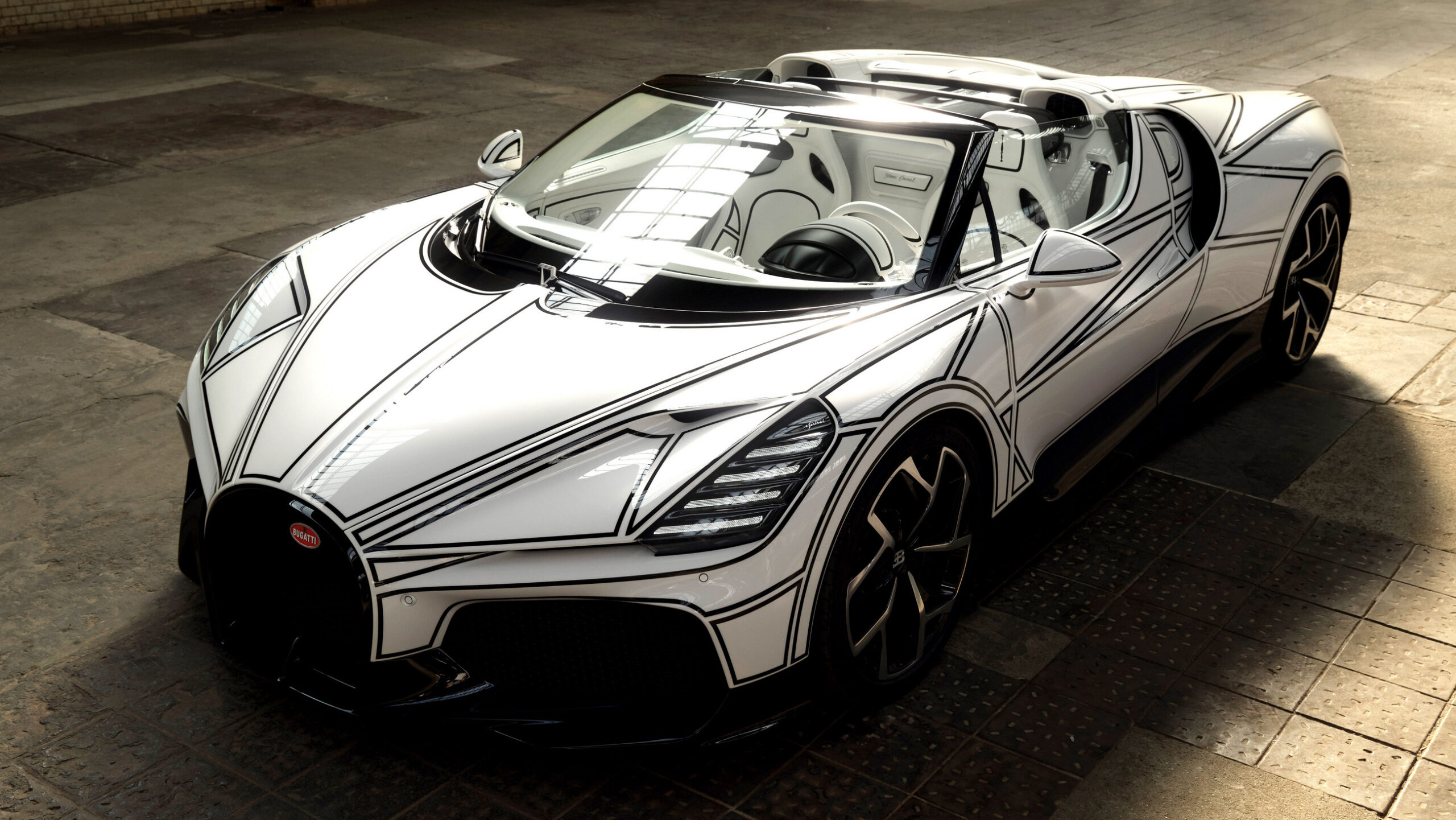
Blanc Éternel Hides Its Speed Behind a Gas Cap
Bugatti built a 261-mph roadster and made sure you'd notice the porcelain first.
From the other desks.

Gold Leaf on a Lacquer Dial, and the Weight of What That Costs
Awake's Frosted Leaf Royal Blue asks a question Vietnamese craft has never quite had to answer at this price.

ESPN Named Him. Then Unnamed Him. Nobody's Explaining the Gap.
A retraction without a reckoning is just a deleted link.

Hide My Email Has Been Showing Your Email
Apple's privacy flagship has a hole in it. They've known for over a year.