Cadillac Sold 100,000 Electric Cars and Three-Quarters of Those Buyers Had Never Owned One Before
When conquest rates tell the real story, the powertrain was never the product — the badge was.

Photo · InsideEVs - Articles
There's a number buried in a piece at InsideEVs that deserves more attention than it's getting. Cadillac has moved more than 100,000 electric vehicles, and 75 percent of those buyers came from other brands. Three out of every four people who walked into a Cadillac EV transaction had never owned a Cadillac before.
Sit with that for a second.
The Brand Wasn't the Problem. It Was the Pitch.
For years, the conversation around Cadillac's comeback was structured as a powertrain debate — could General Motors build something electric that people actually wanted? That framing made sense on paper. The skepticism was real, the competition was brutal, and the history of American luxury EVs is not exactly a trophy case.
But that conquest rate reframes everything. If the product were merely tolerable — if buyers were settling — you wouldn't see defectors from other marques arriving in those numbers. People don't abandon a brand they trust for a brand they're indifferent about. They do it when something changes their mind.
What the InsideEVs piece is really documenting, even if it doesn't say it this plainly, is that the Cadillac nameplate has started doing work again. Not nostalgia work. Actual market work. The kind where a person who has never considered your brand walks onto a lot and leaves with your keys.
What 75 Percent Actually Means
Conquest rate is one of those metrics that sounds like a press release number until you think about what it requires. It means the buyer had a routine — a brand they returned to, a relationship they trusted — and something interrupted it. That interruption has to be strong enough to overcome inertia, switching costs, the mild anxiety of trying something unfamiliar.
For Cadillac, those interruptions are happening at scale. A hundred thousand vehicles is not a pilot program. It's a statement.
The irony is that the EV transition, which was supposed to flatten traditional brand loyalty across the industry, may have actually given legacy names a second shot at meaning something. When everyone is starting over with a new powertrain, the familiar badge becomes an anchor rather than a liability — provided the product underneath it is worth the name.
Based on those numbers, Cadillac's apparently is.
The Confession Inside the Data
Here's what I keep coming back to: if this were purely about the electric drivetrain being superior, buyers would be going wherever the best electric drivetrain lives. They're not. They're choosing Cadillac specifically — a brand with American roots, a complicated recent history, and a very particular idea of what a car should feel like.
That's not a technology story. That's a brand story.
And it's a more interesting one. Because it means Cadillac didn't win these buyers by out-engineering the competition on kilowatt-hours or range figures. It won them by making something that felt like it belonged to a lineage worth joining. The electric motor is the mechanism. The nameplate is the reason.
The writer at InsideEVs framed this as EVs stealing buyers. I'd frame it differently. The buyers were already looking for an exit from wherever they were. Cadillac just finally gave them somewhere worth going.
Keep reading cars.

800 Horsepower, One Ton of Doubt
Lamborghini built the most powerful SUV it's ever made. It's also slower than what it replaced.

£11,990 Draws a Line Under Every Excuse You Had Left
Dacia just made the cheapest new car in Britain electric — and that's not a footnote, it's a verdict.
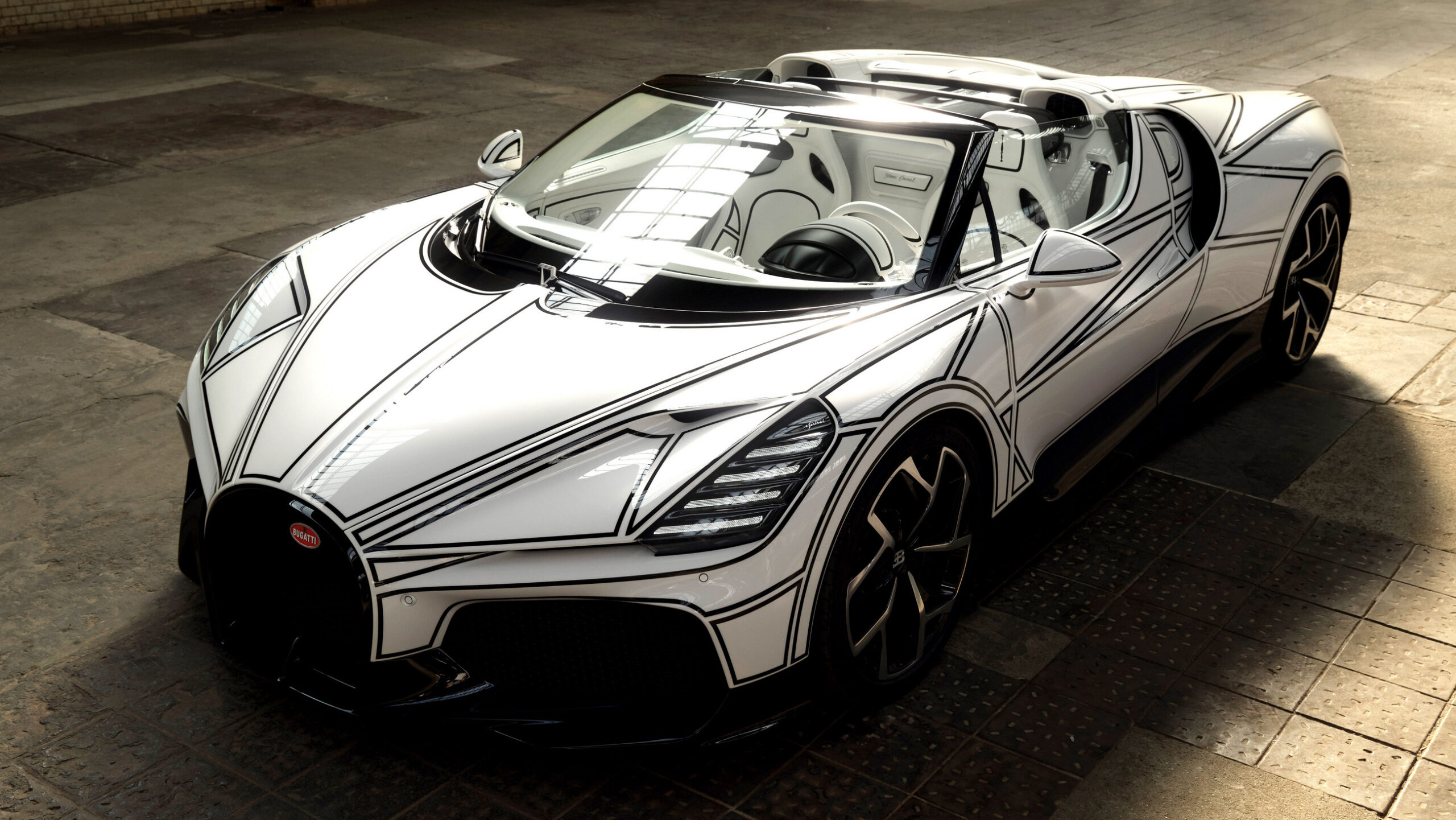
Blanc Éternel Hides Its Speed Behind a Gas Cap
Bugatti built a 261-mph roadster and made sure you'd notice the porcelain first.
From the other desks.

Gold Leaf on a Lacquer Dial, and the Weight of What That Costs
Awake's Frosted Leaf Royal Blue asks a question Vietnamese craft has never quite had to answer at this price.

ESPN Named Him. Then Unnamed Him. Nobody's Explaining the Gap.
A retraction without a reckoning is just a deleted link.

Hide My Email Has Been Showing Your Email
Apple's privacy flagship has a hole in it. They've known for over a year.