VW Doesn't Need the Golf. Until It Does.
Pushing the Golf EV to 2030 while debuting an electric GTI tells you exactly how legacy automakers are buying time — and which ghosts they can't let go.

Photo · Motor1.com - Articles
The Golf is one of the most important cars ever built. That sentence doesn't require a debate. It's a fact embedded in parking lots and driving tests and family memories across about six decades of production. So when Volkswagen's CEO said, as reported by both Motor1 and InsideEVs, that the company doesn't need an electric Golf anytime soon — that it's "set" with its current portfolio and the electric version won't arrive until 2030 at the earliest — that's not a scheduling note. That's an admission.
The admission isn't about the Golf specifically. It's about what this entire transition actually is.
The Delay Is a Strategy, Not a Slip
Automakers have spent years framing the EV shift as a march. Inevitable. Timed. One combustion model exits stage left; one electric successor enters stage right. Clean handoff. The Golf delay destroys that framing, and it does so honestly. Volkswagen isn't pretending the electric Golf is coming in 2028 anymore. They moved the date, said they don't need it, and kept moving. That's not a company stumbling — that's a company reading the room and deciding which battles to fight.
And then, almost immediately, Electrek reported that VW confirmed the first electric GTI — the ID. Polo GTI — would debut on May 15th. After five decades of GTI history, the badge goes electric. Not the Golf. The GTI.
Sit with that for a second. The mass-market icon gets delayed. The performance cult object gets the EV treatment first. That is not an accident of scheduling. That is product strategy shaped by desire — by understanding that some buyers will follow a badge into any powertrain, and some buyers need to be convinced the car they know still exists in some form before they'll come along.
The GTI has always been the Golf's id — forgive the spelling. It was the version people wanted when they bought the sensible one. So electrifying the GTI first is a kind of psychological permission slip. It says: the soul transfers. The fun survives the battery. The Golf EV can wait because the GTI EV will do the emotional work first.
What Gets Built When Everything Else Is Optional
There's a version of this story where VW is simply behind, overwhelmed, rationalized. That version exists. The broader EV transition has been messier than the press releases suggested, and legacy manufacturers have been recalibrating targets across the board. That's real.
But the more interesting version — the one the Golf delay and the GTI debut tell together — is that automakers are finally sorting their catalogs by meaning rather than by volume. Not which cars sell the most, but which cars carry the brand's weight. Which names, when spoken aloud, make someone feel something.
The Golf is enormous in sales terms. The GTI is enormous in culture terms. VW is betting that the second category is the one worth protecting first.
I find that genuinely interesting, even if the Golf faithful have reason to be annoyed. The company is making a bet that the cars people love as objects — the ones with identity baked in — are the right vehicles to carry the electric argument. Get the GTI right, prove the performance DNA survives the powertrain swap, and maybe by 2030 nobody's asking whether the Golf EV can be trusted.
Maybe that's optimistic. Maybe by 2030 the landscape looks nothing like today's, and the Golf EV arrives into a market that's already moved past the questions it was built to answer.
But there's something almost refreshing about a company saying, out loud, that it doesn't need the thing yet — and then showing you what it does need, right now, today, on a debut stage in May.
The GTI doesn't wait. The Golf can.
Keep reading cars.

800 Horsepower, One Ton of Doubt
Lamborghini built the most powerful SUV it's ever made. It's also slower than what it replaced.

£11,990 Draws a Line Under Every Excuse You Had Left
Dacia just made the cheapest new car in Britain electric — and that's not a footnote, it's a verdict.
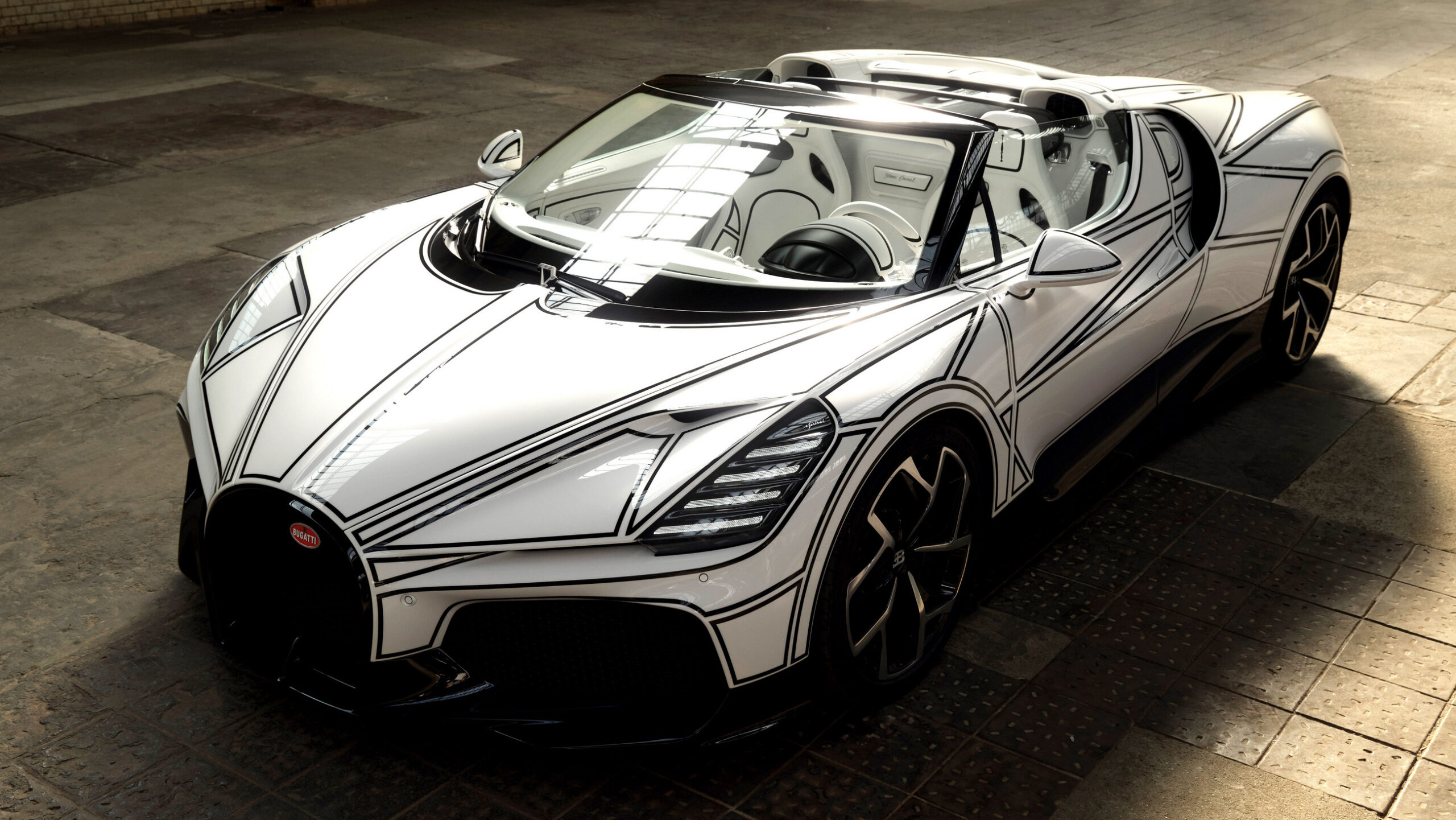
Blanc Éternel Hides Its Speed Behind a Gas Cap
Bugatti built a 261-mph roadster and made sure you'd notice the porcelain first.
From the other desks.

Gold Leaf on a Lacquer Dial, and the Weight of What That Costs
Awake's Frosted Leaf Royal Blue asks a question Vietnamese craft has never quite had to answer at this price.

ESPN Named Him. Then Unnamed Him. Nobody's Explaining the Gap.
A retraction without a reckoning is just a deleted link.

Hide My Email Has Been Showing Your Email
Apple's privacy flagship has a hole in it. They've known for over a year.