Maserati Kept the Pen and Handed Over Everything Else
If Stellantis outsources Maserati's next EV to Huawei and JAC, the brand isn't admitting weakness — it's revealing what it thinks it was selling all along.
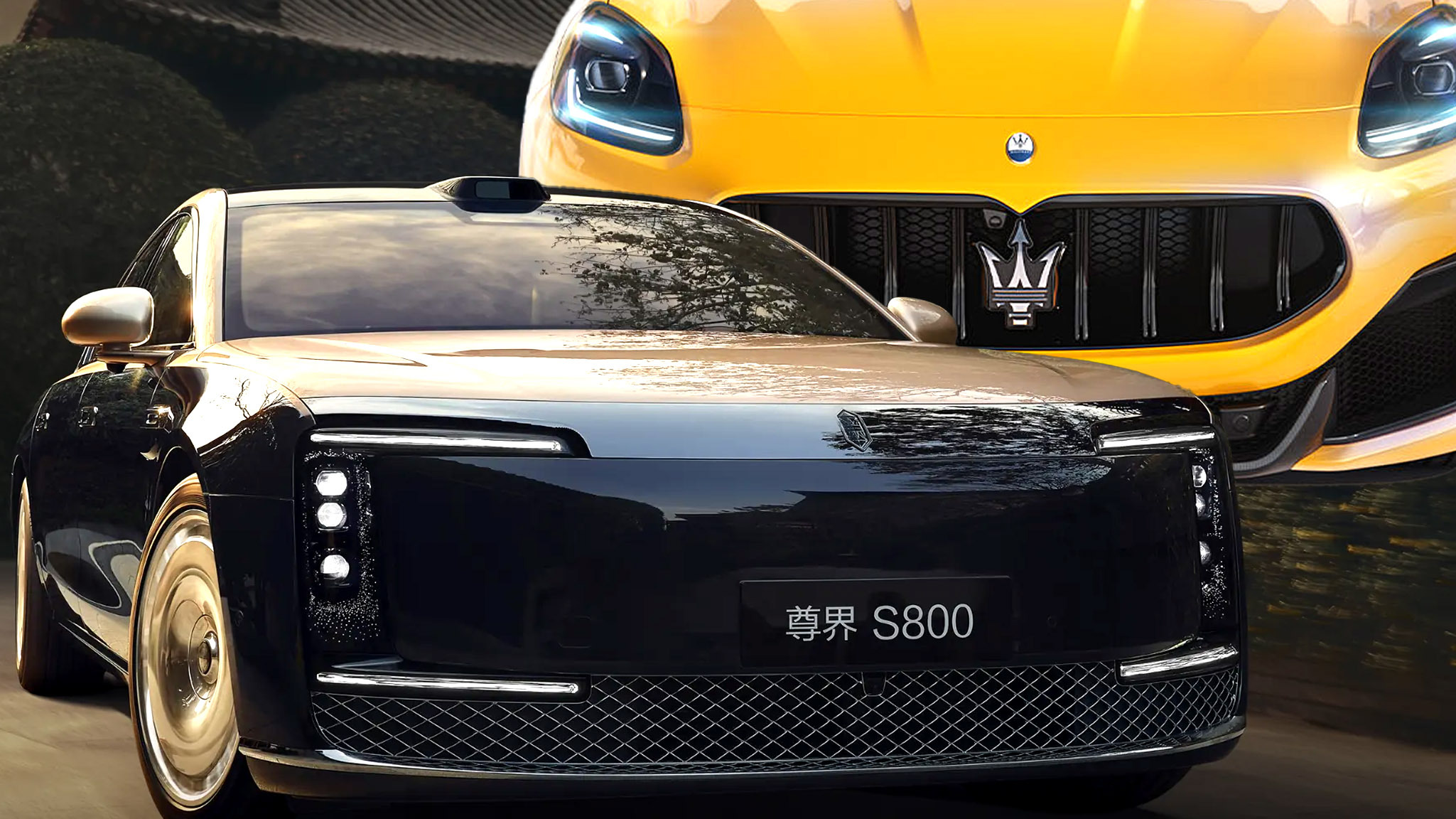
Photo · Carscoops
There's a version of this story where the headline is a scandal. Italian marque. Chinese engineers. Stellantis reportedly in talks to hand the mechanical development of a new Maserati EV to Huawei and JAC, while Italy retains design. The outrage writes itself.
But sit with it for a moment, and the scandal softens into something more uncomfortable: an honest confession.
What the Trident Was Always Selling
Maserati has never been the most technically fearsome car in the room. It has been, instead, the most felt. You bought the badge because of what it looked like parked outside a restaurant, what it said when someone asked what you drove, the particular way the shape held itself at the kerb. That's not a criticism — it's a product category. And for that category, a Carscoops report describing Stellantis in talks to outsource engineering to Chinese partners while keeping design in Italian hands isn't a betrayal of the brand's identity. It's Stellantis finally being candid about what that identity actually is.
The engineering, if the deal materializes, goes to Huawei and JAC. Two names that carry weight in EV development — Huawei in particular has been a significant force in the electric vehicle space in China, and JAC has manufacturing scale. Whether you trust that combination or not, these aren't nobodies. Stellantis isn't reportedly handing the keys to an unknown assembler. It's reportedly going to partners who can build the thing competently and at cost.
Which raises the real question: what does Maserati think it's building?
The Nameplate as the Product
There's a logic here that's been building across the industry for years, and this reported move — if it happens — is just the most explicit version of it yet. Electric drivetrains are commoditizing fast. Batteries, motors, power electronics: the gap between a competent EV platform and an exceptional one is narrowing in ways that internal combustion never allowed. The romance of a bespoke engine, the sound and feel and heat of something developed specifically for a car — that disappears in electrification. What remains is the body, the interior, the badge, and whatever the software decides to do with the silence.
If that's true — and increasingly it is — then a brand like Maserati faces a choice. Spend enormous capital developing EV hardware that buyers can't meaningfully distinguish from anyone else's, or admit that the hardware was never the point and redirect that capital toward the things that actually move the needle on desire.
Stellantis, reportedly, is choosing the latter. And I find it hard to argue they're wrong, even if the optics are bruising.
What stings isn't the decision. It's what the decision implies about the previous decisions — all those years of presenting Maserati as a marque where engineering and beauty were inseparable, where the soul of the car lived somewhere in the powertrain as much as the coachwork. That story is harder to tell when you're filing the design in Turin and shipping the brief to Shenzhen.
But maybe the story was always a little embellished. Maybe every Italian nameplate that survives long enough eventually becomes a design house with a manufacturing partner and a mythology department.
The trident on the hood still means something. Maserati just stopped pretending it means something under the hood.
Keep reading cars.

800 Horsepower, One Ton of Doubt
Lamborghini built the most powerful SUV it's ever made. It's also slower than what it replaced.

£11,990 Draws a Line Under Every Excuse You Had Left
Dacia just made the cheapest new car in Britain electric — and that's not a footnote, it's a verdict.
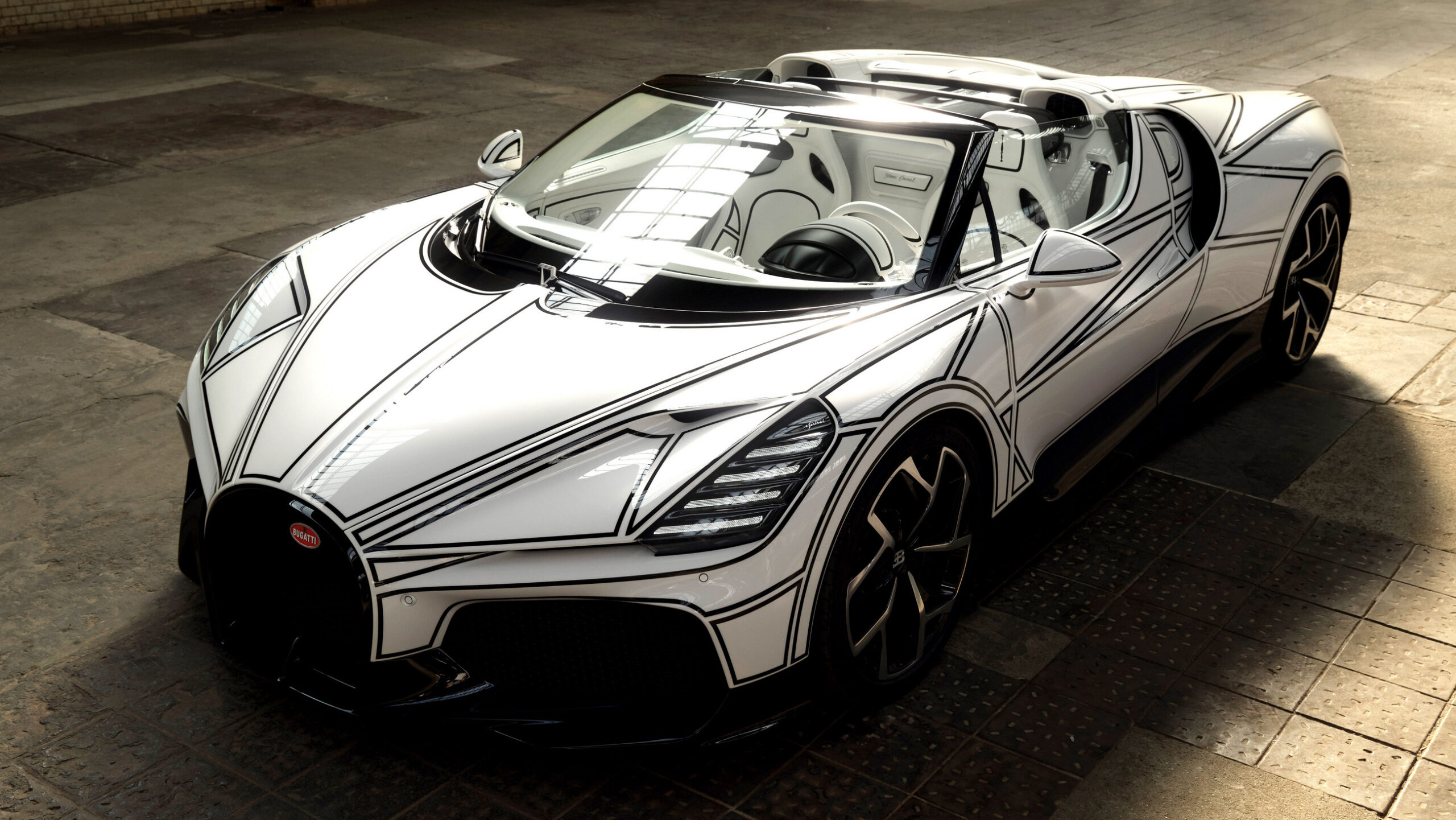
Blanc Éternel Hides Its Speed Behind a Gas Cap
Bugatti built a 261-mph roadster and made sure you'd notice the porcelain first.
From the other desks.

Gold Leaf on a Lacquer Dial, and the Weight of What That Costs
Awake's Frosted Leaf Royal Blue asks a question Vietnamese craft has never quite had to answer at this price.

ESPN Named Him. Then Unnamed Him. Nobody's Explaining the Gap.
A retraction without a reckoning is just a deleted link.

Hide My Email Has Been Showing Your Email
Apple's privacy flagship has a hole in it. They've known for over a year.