Honda Showed Up With Hybrids and Didn't Apologize
Two prototypes, zero EVs, and an annual loss that finally made the strategy honest.
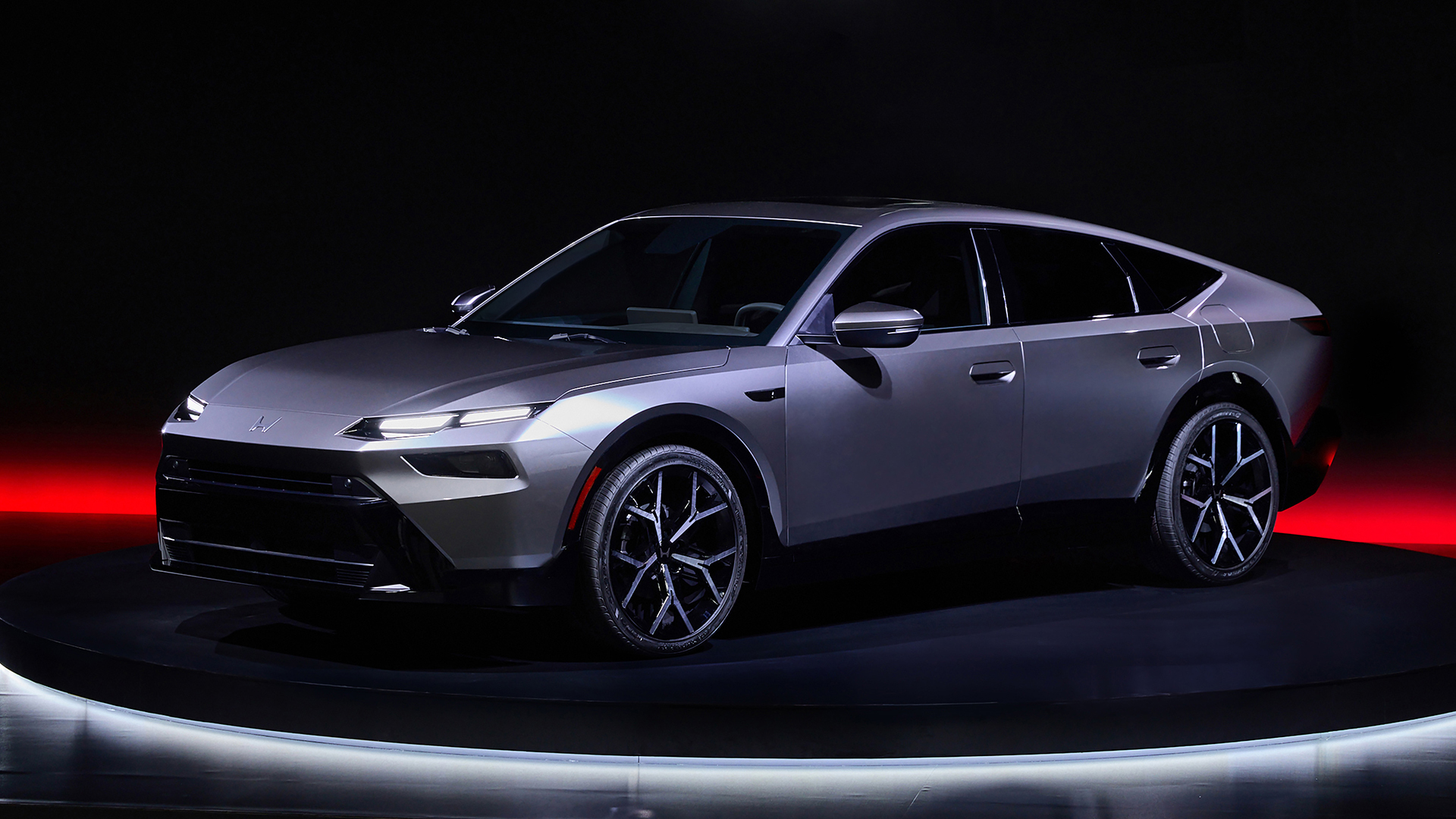
Photo · The Drive
There's a version of this story where Honda looks like it's retreating. Two hybrid prototypes unveiled at a business briefing — a fastback sedan that reads as next-generation Accord, and an SUV concept pointing toward the next Acura RDX — and not a single battery-electric vehicle in sight. After years of positioning EVs as the inevitable horizon, the company just quietly moved the horizon.
But retreat isn't the right word. Admission is closer.
The Math Finally Caught Up
According to Autocar, Honda posted its first-ever annual loss — and the pivot to hybrids is the direct response. Carscoops frames it plainly: a costly EV strategy collapse forced a reset. What Honda showed at the briefing wasn't a vision of where the industry is going. It was an acknowledgment of where customers actually are.
The engineering was never really the problem. Honda has already claimed its next-generation hybrid system is the most efficient powertrain of its kind. That's not a company that forgot how to build drivetrains. That's a company that had the tools and spent a few years pointing them at the wrong target.
The Drive notes something worth sitting with: Honda apparently tried to carry forward the visual language of its wedge-shaped "0" EV concepts into these new hybrid designs. So even aesthetically, this isn't a full retreat — it's a translation. The look that was meant to signal the electric future is now being used to sell a more pragmatic present. Whether that reads as continuity or irony depends on how charitable you're feeling.
What the Prototypes Actually Say
The Honda Hybrid Sedan Prototype — that's the full name, unsentimental as a parts number — shares the raked roofline and angular rear-quarter panel of the current Accord. Autocar points out that the Accord is no longer sold in the UK, which means this car is essentially being designed around one market: the United States. Honda showed it alongside an Acura RDX concept, and Carscoops reads both as production-bound within roughly two years.
That timeline is the most interesting detail. Not a far-horizon concept. Not a design study with no production intent. Two years. Honda is telling suppliers, dealers, and investors what's coming — and what's coming runs on gasoline, assisted by electricity, in the manner that American buyers have consistently chosen over full electrification when given the choice.
The Acura side of this matters too. RDX has been the volume anchor for that brand in the US. Showing a concept that signals its next generation, at the same briefing, in the same hybrid framing — that's not coincidence. That's Honda drawing a line through both its mainstream and near-aspirational offerings and saying: this is our product strategy now.
What the Coverage Keeps Circling
All three outlets — The Drive, Carscoops, Autocar — are careful with their language. "Likely previewing." "Most probably." "Hints at." The prototypes don't carry nameplates. Honda hasn't confirmed Accord or RDX. But the geometry of what was shown alongside what market context exists doesn't leave much interpretive room.
What the coverage doesn't quite say directly, but implies in aggregate: Honda got caught in the same trap as several other legacy manufacturers, where EV commitment became a communications posture before it became a consumer reality. The market didn't punish Honda for making hybrids. It punished the gap between the announced future and the sellable present.
These two prototypes close that gap. They're not exciting in the way a zero-emissions concept is exciting — there's no lightning-bolt moment, no reinvention narrative to attach to a fastback sedan. But there's something steadier here, something that respects the customer enough to meet them where they are.
The most efficient hybrid powertrain of its kind, in a body that still carries the visual ambition Honda was reaching for with EVs, headed toward production in two years.
That's not an apology. That's a company deciding that being right on time beats being early and wrong.
Keep reading cars.

800 Horsepower, One Ton of Doubt
Lamborghini built the most powerful SUV it's ever made. It's also slower than what it replaced.

£11,990 Draws a Line Under Every Excuse You Had Left
Dacia just made the cheapest new car in Britain electric — and that's not a footnote, it's a verdict.
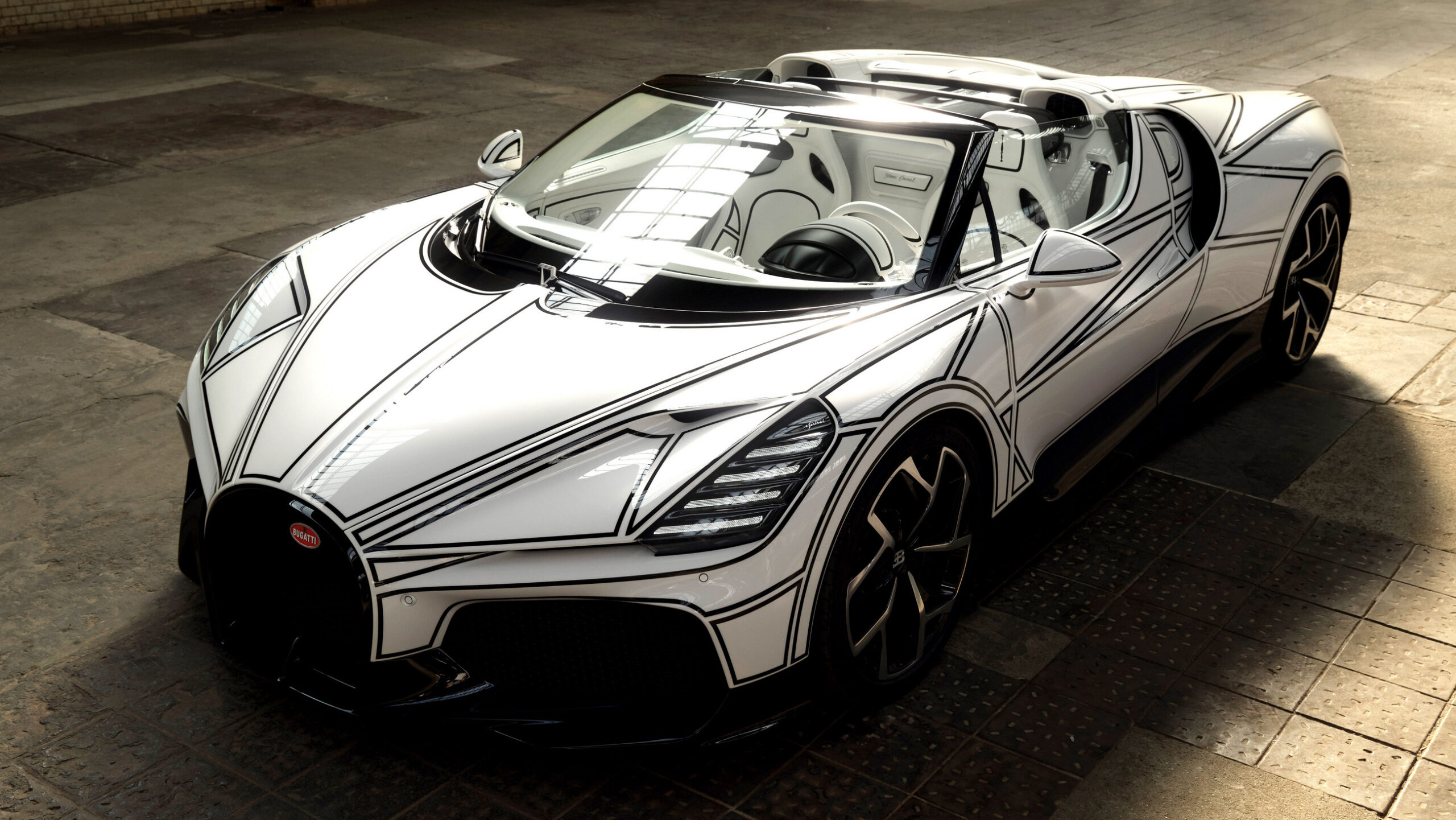
Blanc Éternel Hides Its Speed Behind a Gas Cap
Bugatti built a 261-mph roadster and made sure you'd notice the porcelain first.
From the other desks.

Gold Leaf on a Lacquer Dial, and the Weight of What That Costs
Awake's Frosted Leaf Royal Blue asks a question Vietnamese craft has never quite had to answer at this price.

ESPN Named Him. Then Unnamed Him. Nobody's Explaining the Gap.
A retraction without a reckoning is just a deleted link.

Hide My Email Has Been Showing Your Email
Apple's privacy flagship has a hole in it. They've known for over a year.