A24 Didn't Make a Merch Line. It Made a Distribution System.
The studio figured out what fashion brands spent decades trying to prove: the object is the argument.
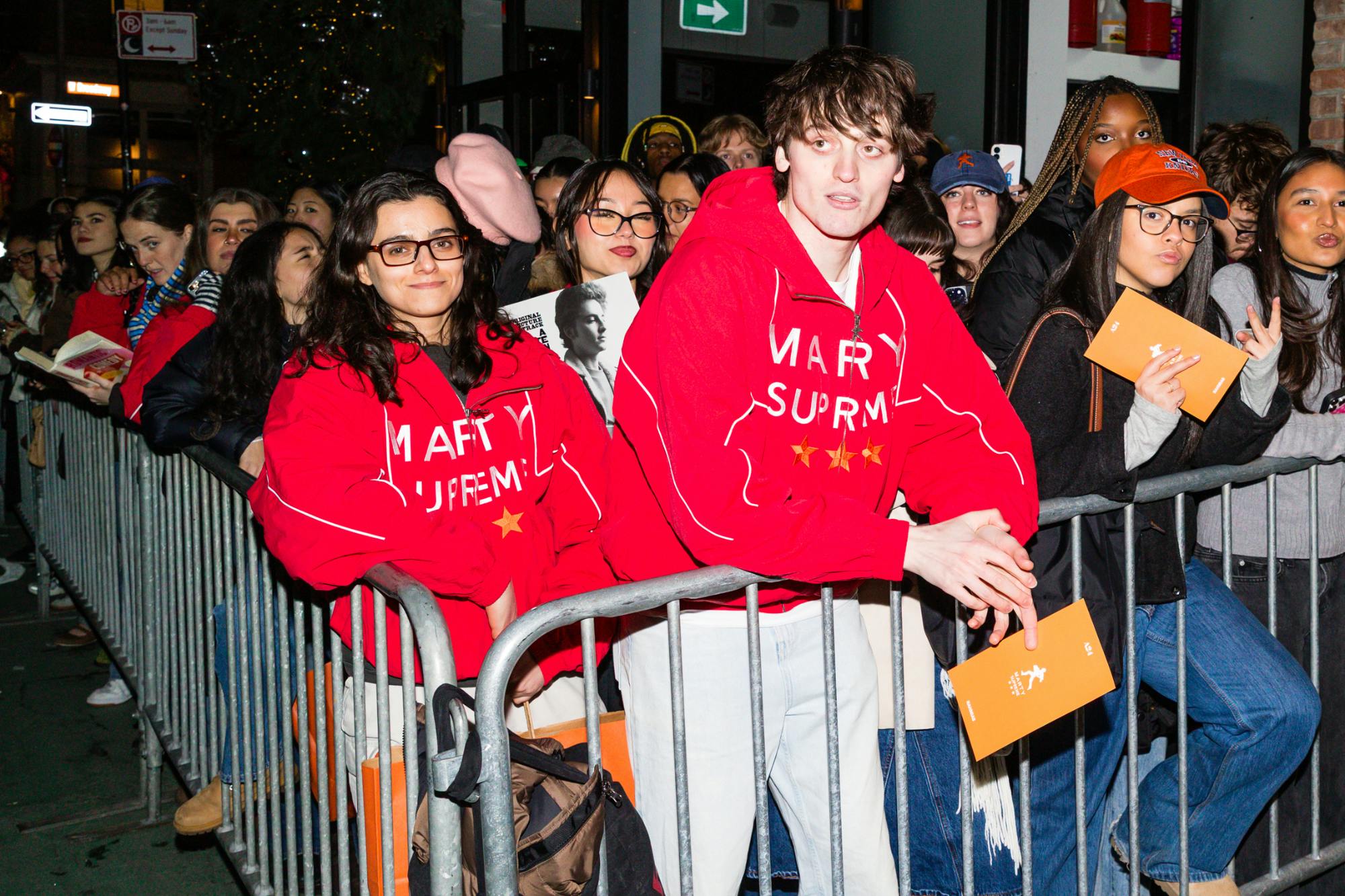
Photo · Highsnobiety
There's a moment when you realize a thing has changed. Not evolved — changed. Highsnobiety has published a piece arguing that A24 has turned movies into brands, riding the heat around Marty Supreme and The Drama to build a marketing machine out of clothing collabs. The piece stakes out a position worth sitting with: that the merch isn't the bonus content anymore. It's the content.
That's a significant thing to say out loud.
The Garment as Argument
For years, fashion's relationship with film moved in one direction. Studios licensed images. Designers dressed talent for press runs. Occasionally a costume became iconic enough to sell a perfume. The hierarchy was clear: the movie was the art, the product was the afterthought.
What a writer at Highsnobiety is observing is something structurally different. A24 has apparently inverted that logic — or at least blurred it so completely that the distinction stops mattering. The clothing collabs aren't being sold in the gift shop. They're dropping like releases. They're generating the kind of want that fashion houses spend seasons trying to engineer, and they're doing it by attaching that want to a story, a world, a feeling that already exists in the cultural imagination before the garment ever ships.
This is not a small move. This is a studio understanding that desire doesn't begin with a product. It begins with a world people want to belong to.
What the Fashion Industry Should Be Uncomfortable About
Here's what's quietly interesting about this moment: fashion has always claimed to be in the business of world-building. The runway show as theater. The campaign as narrative. The brand as lifestyle. And yet it took a film studio to demonstrate how efficiently that machinery actually works when you lead with the story instead of the object.
A24 isn't selling you a hoodie. It's selling you membership in a sensibility — one that was already legible, already desired, because you watched the film, followed the discourse, felt the specific texture of what the studio makes. The clothing is the proof of participation. And proof of participation, as any streetwear economist will tell you, is the most durable product category there is.
The writer at Highsnobiety frames this as A24 building a marketing machine. I'd push that further. What A24 has built is a new kind of audience relationship — one where the boundary between consuming a film and wearing a film has been deliberately dissolved. The collab economy didn't create this. It just handed A24 a language it turned out to be fluent in.
There's something worth watching in how fashion responds. Because if a studio can generate genuine covetability without a heritage narrative, without a seasonal cadence, without a single flagship store — just by making things people care about and then making objects that extend that caring — then the question becomes uncomfortable: what exactly is the fashion industry's structural advantage here?
Maybe the answer is craft, or fit, or the kind of material knowledge that takes years to accumulate. I hope so. But the A24 play suggests that for a significant slice of the audience, those things matter less than the feeling of being in the right room.
The studio didn't crash fashion's party. It built a better door.
Keep reading fashion.

Gold Leaf on a Lacquer Dial, and the Weight of What That Costs
Awake's Frosted Leaf Royal Blue asks a question Vietnamese craft has never quite had to answer at this price.
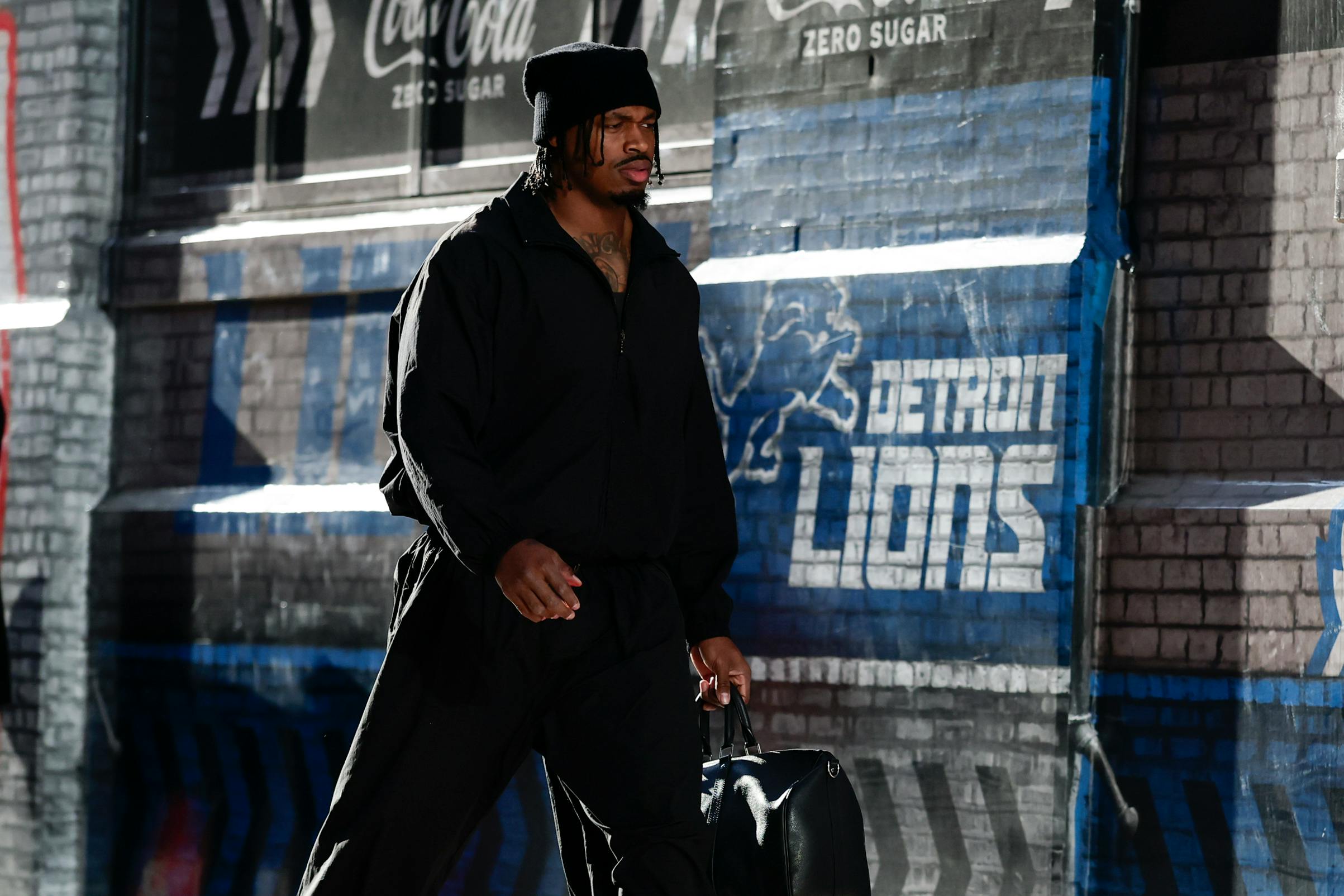
Kyle Smith Has a Job Title That Didn't Exist Before. That's the Whole Tell.
When the NFL hires a fashion editor, it's not about clothes — it's about who gets to decide what matters.
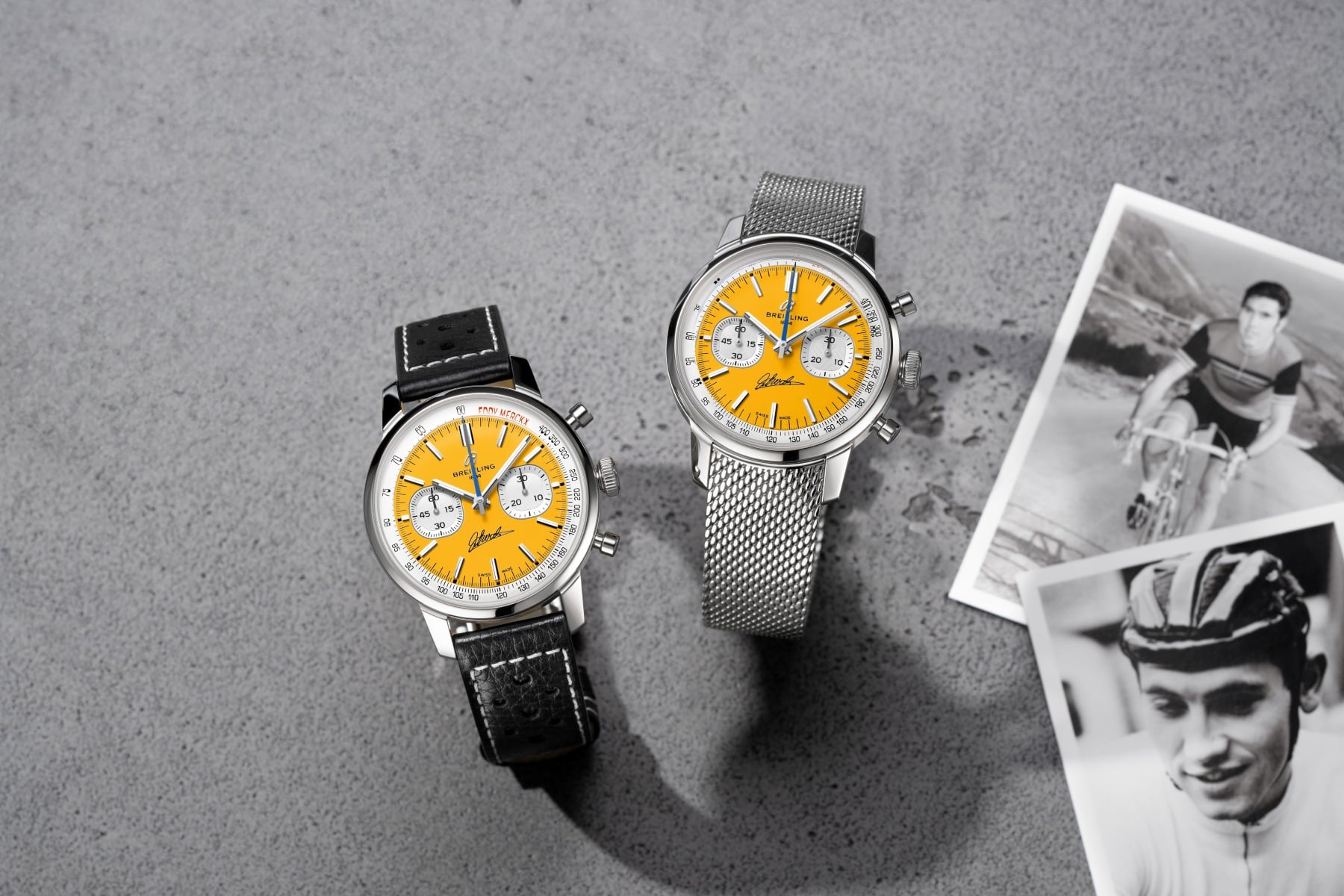
525 Victories, One Dial, and Cycling's Long Wait for a Wrist
Breitling's Eddy Merckx edition doesn't just reference a legend — it asks whether motorsport's younger sibling has finally earned its place in serious watch culture.
From the other desks.

800 Horsepower, One Ton of Doubt
Lamborghini built the most powerful SUV it's ever made. It's also slower than what it replaced.

ESPN Named Him. Then Unnamed Him. Nobody's Explaining the Gap.
A retraction without a reckoning is just a deleted link.

Hide My Email Has Been Showing Your Email
Apple's privacy flagship has a hole in it. They've known for over a year.