Coach Raised Guidance Three Times This Year. The Tabby Did It.
Tapestry keeps beating its own expectations, and the reason isn't the brand — it's one bag.

Photo · WWD
There's a version of this story where we talk about Tapestry's management discipline, their three-year plan arriving ahead of schedule, the clean quarterly beat. That version is accurate. It's also not the story.
The story is a bag. Specifically, the Tabby. And what it says about how a generation decides something is worth wanting.
A Number That Keeps Moving
Tapestry has now raised its annual guidance three times in a single fiscal year, according to reporting from both WWD and The Business of Fashion. Three times. In a retail environment that's been grinding most of the industry into cautious language and hedged forecasts, that's not a good quarter — that's a signal. The company's own three-year plan, apparently, couldn't keep pace with what was actually happening.
The Business of Fashion attributed the momentum specifically to strong demand for Tabby bags among affluent Gen Z customers. Not a broad portfolio lift. Not a category trend. One bag, one cohort, pulling numbers up fast enough that guidance had to be revised again, and then again.
That specificity matters. Because it tells you something that a headline about Tapestry "beating estimates" doesn't.
Heritage as Backdrop, Not Reason
Coach has been around long enough that its heritage is a given — woven into the brand's pitch, the store design, the marketing language. And none of that is why the Tabby is moving.
The Tabby moves because it has social currency. It photographs well. It circulates. It sits in that specific register of desirable-but-not-absurd that Gen Z has proven it will actually spend real money to access — not aspirationally, not eventually, but now. What Tapestry stumbled into, or engineered, is a product that functions as a signal in the exact spaces where signals travel fastest.
The heritage backstory is still there. It just isn't doing the heavy lifting anymore. The bag is.
This is the quiet confession buried inside three guidance raises: accessible price points don't automatically create accessible desire. Plenty of brands live in that price tier and generate no heat whatsoever. The Tabby generated heat. The question of why — why this silhouette, why now, why this generation — is the one Tapestry's competitors should be losing sleep over, because the answer isn't easily copied by buying a heritage story or hiring the right creative director.
Social currency isn't manufactured. It's recognized, sometimes cultivated, occasionally stumbled upon. And once a product has it, the numbers move in ways that make your own forecasts look conservative.
What Three Raises Actually Mean
WWD noted that the earnings beat set Tapestry up to hit its three-year plan after just one year. Read that slowly. A plan designed to take three years, reached in one, because demand outpaced the model.
That's not execution. That's a product doing something the planning cycle didn't fully anticipate.
The broader implication — the one worth sitting with — is that the rules for what makes a fashion brand matter to a younger consumer have shifted enough that even the brands selling to them are still calibrating. Tapestry built a plan around what it thought Gen Z wanted and underestimated. The Tabby corrected the assumption in real time, in units, in three rounds of upward revision.
You can read the earnings coverage and come away thinking this is a story about a well-run company. It is. But underneath the operational story is something more interesting: proof that one bag, hitting the right frequency, can outrun a three-year roadmap.
Heritage gets you in the room. The Tabby closes the sale.
Keep reading fashion.

Gold Leaf on a Lacquer Dial, and the Weight of What That Costs
Awake's Frosted Leaf Royal Blue asks a question Vietnamese craft has never quite had to answer at this price.
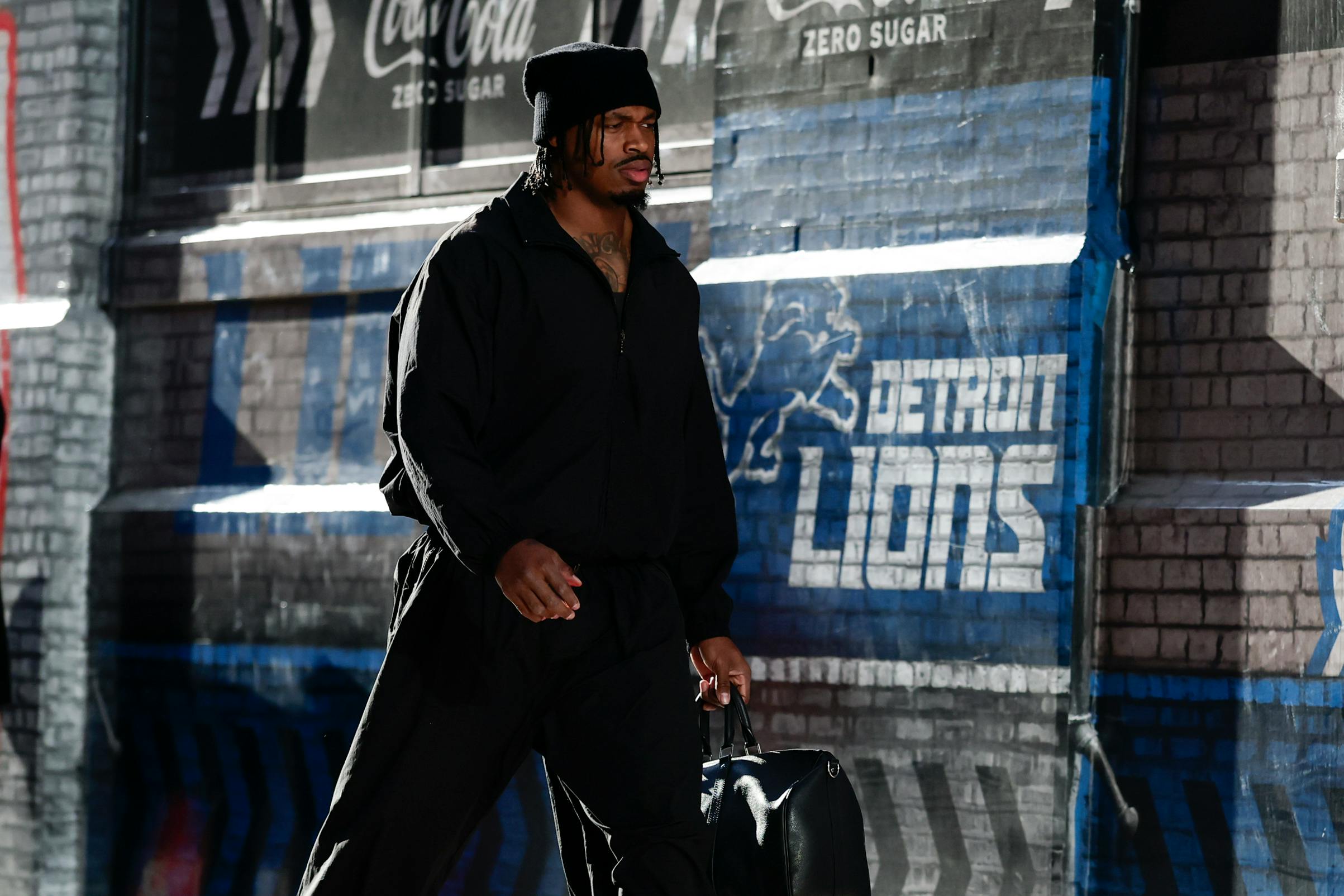
Kyle Smith Has a Job Title That Didn't Exist Before. That's the Whole Tell.
When the NFL hires a fashion editor, it's not about clothes — it's about who gets to decide what matters.
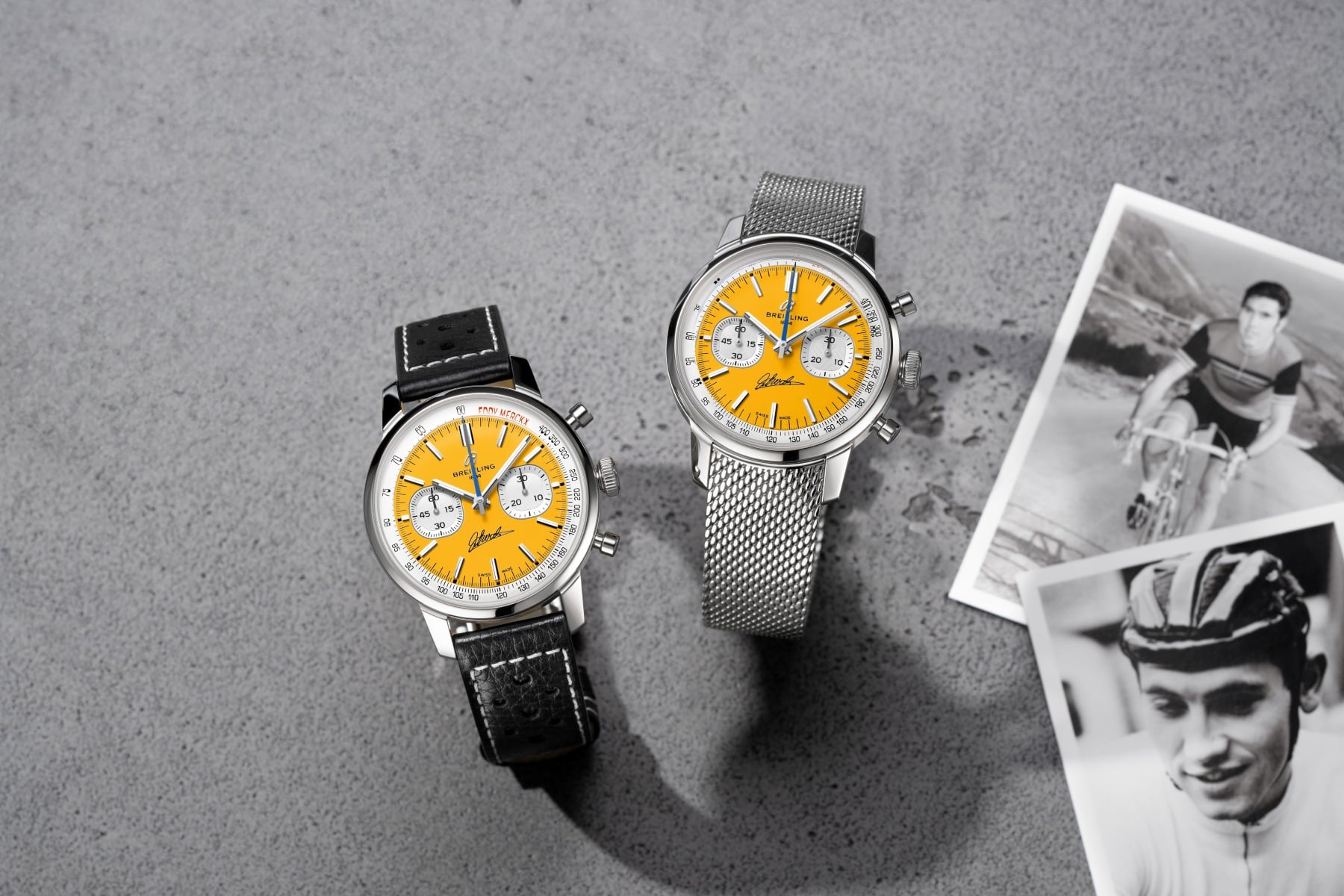
525 Victories, One Dial, and Cycling's Long Wait for a Wrist
Breitling's Eddy Merckx edition doesn't just reference a legend — it asks whether motorsport's younger sibling has finally earned its place in serious watch culture.
From the other desks.

800 Horsepower, One Ton of Doubt
Lamborghini built the most powerful SUV it's ever made. It's also slower than what it replaced.

ESPN Named Him. Then Unnamed Him. Nobody's Explaining the Gap.
A retraction without a reckoning is just a deleted link.

Hide My Email Has Been Showing Your Email
Apple's privacy flagship has a hole in it. They've known for over a year.