Cole Palmer Wore Burberry. Football Wore It Better.
When a Chelsea striker becomes the face of a British heritage house's New York night, something has quietly shifted.

Photo · i-d.co
There's a version of this story where we talk about the clothes. The cut of the coat, the check, the way Burberry moves through a room. That version is fine. But it misses what actually happened.
When i-D and Burberry took over Corner Bistro in New York — turning it, for one night, into something between a fan club and a fashion event — the guest of honor wasn't a model or a musician. It was Cole Palmer. A footballer. And nobody in that room seemed to find that strange.
That's the thing worth sitting with.
The Athlete as Aesthetic Object
For years, football and fashion had a relationship built on endorsements — transactional, at arm's length, neither side fully trusting the other. The footballer wore the brand. The brand got the reach. Everyone moved on. What's happening now is different, and the i-D coverage of Palmer captures why.
The magazine's profile, part of its "The Lore Issue," doesn't treat Palmer like a sports figure who cleaned up nicely for a shoot. It treats him like someone with an interior life worth examining — someone whose quietness, whose deliberate normalcy, is itself a kind of style. The piece, written by Robby Kelly with photography by Jackson Bowley, is fashion editorial in every sense. Palmer styled by Ch'lita. Palmer between takes, talking about his "Cole'd" branded ice. Palmer as a subject, not a spokesman.
That's a different transaction entirely.
New York as the Proof of Concept
The Corner Bistro event is where the theory becomes visible. i-D's Deputy Editor Alex Kessler hosting football trivia in a New York bar, surrounded by what the coverage describes as the city's best and brightest — it's a small scene, but a telling one. Football knowledge as cultural currency. A Chelsea player as the reason people showed up dressed.
Burberry has always understood Englishness as an exportable idea. The check travels. But pairing that with Palmer — who is, by every account in the i-D profile, deliberately, almost aggressively ordinary — is an interesting move. It suggests the brand isn't chasing football's glamour. It's chasing football's specificity. The particularity of a person.
Palmer, by the profile's own framing, doesn't perform for cameras. He sits between takes and talks about frozen ice cubes. He doesn't like eavesdroppers. He's not giving you the version of himself you expected. And somehow that makes him more compelling as a fashion subject than someone who'd arrived pre-polished.
Fashion has always been drawn to people who don't seem to need it.
What Actually Changed
Football has been adjacent to fashion before. What's different now isn't the proximity — it's the direction of influence. Palmer isn't being dressed up to seem relevant to another world. The fashion world is orienting itself around him. i-D builds an issue around his presence. Burberry builds a New York event around a re-release of that cover. The footballer is the gravitational center.
That only works if the person holds the weight. And from everything across both pieces, Palmer does — not through charisma or performance, but through the opposite. A stillness that reads, on the page and apparently in a room, as complete self-possession.
Fashion spent years chasing music, then art, then whatever wellness became. It found its way to football before, but usually through the spectacle — the trophy lifts, the tunnel fits, the WAG-era maximalism. What this Burberry and i-D moment suggests is that football's new cultural offer is something quieter: a certain kind of Englishman, a certain kind of cool that comes from not trying.
The clothes were always going to be good. The harder trick was finding someone who made you forget to look at them.
Keep reading fashion.

Gold Leaf on a Lacquer Dial, and the Weight of What That Costs
Awake's Frosted Leaf Royal Blue asks a question Vietnamese craft has never quite had to answer at this price.
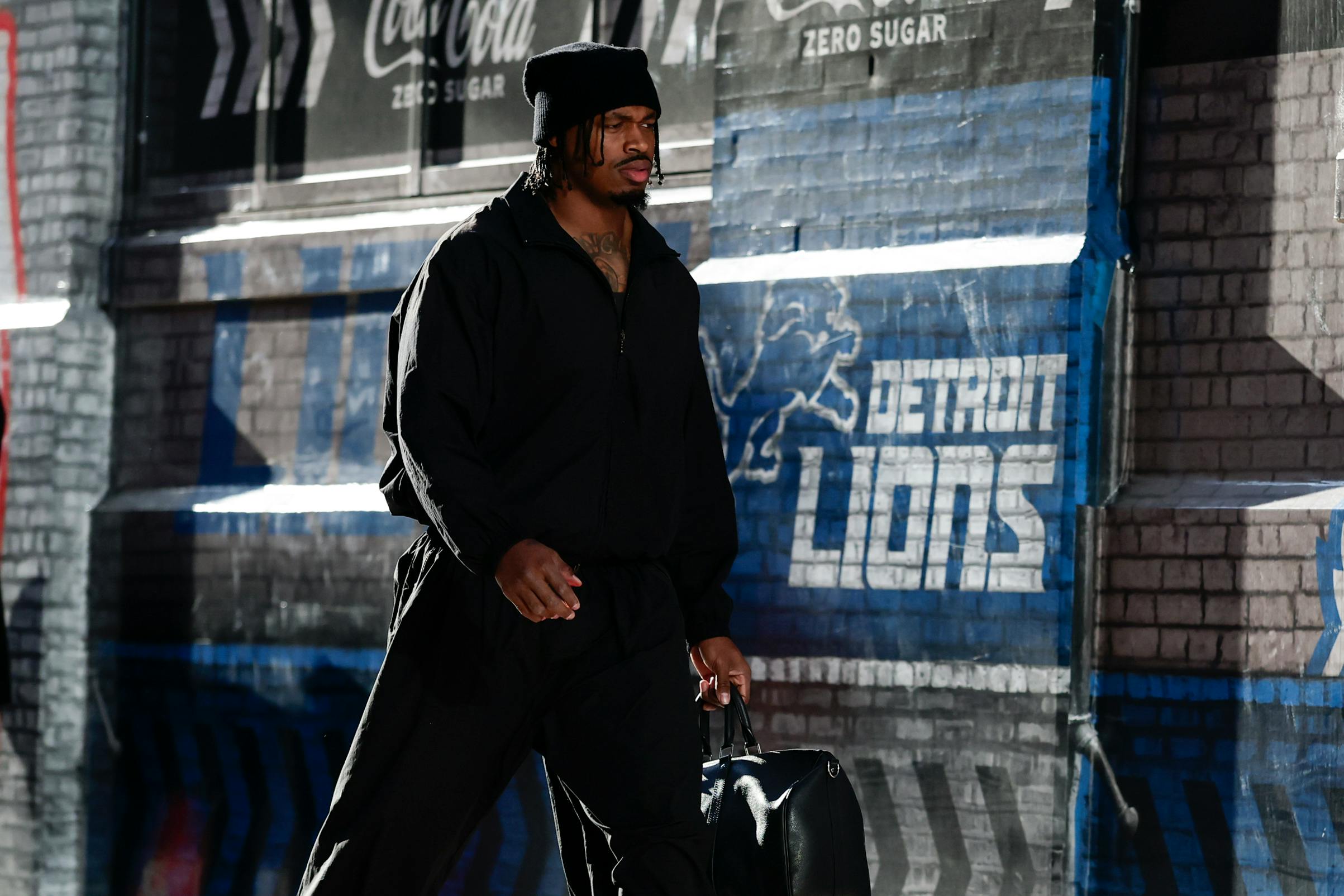
Kyle Smith Has a Job Title That Didn't Exist Before. That's the Whole Tell.
When the NFL hires a fashion editor, it's not about clothes — it's about who gets to decide what matters.
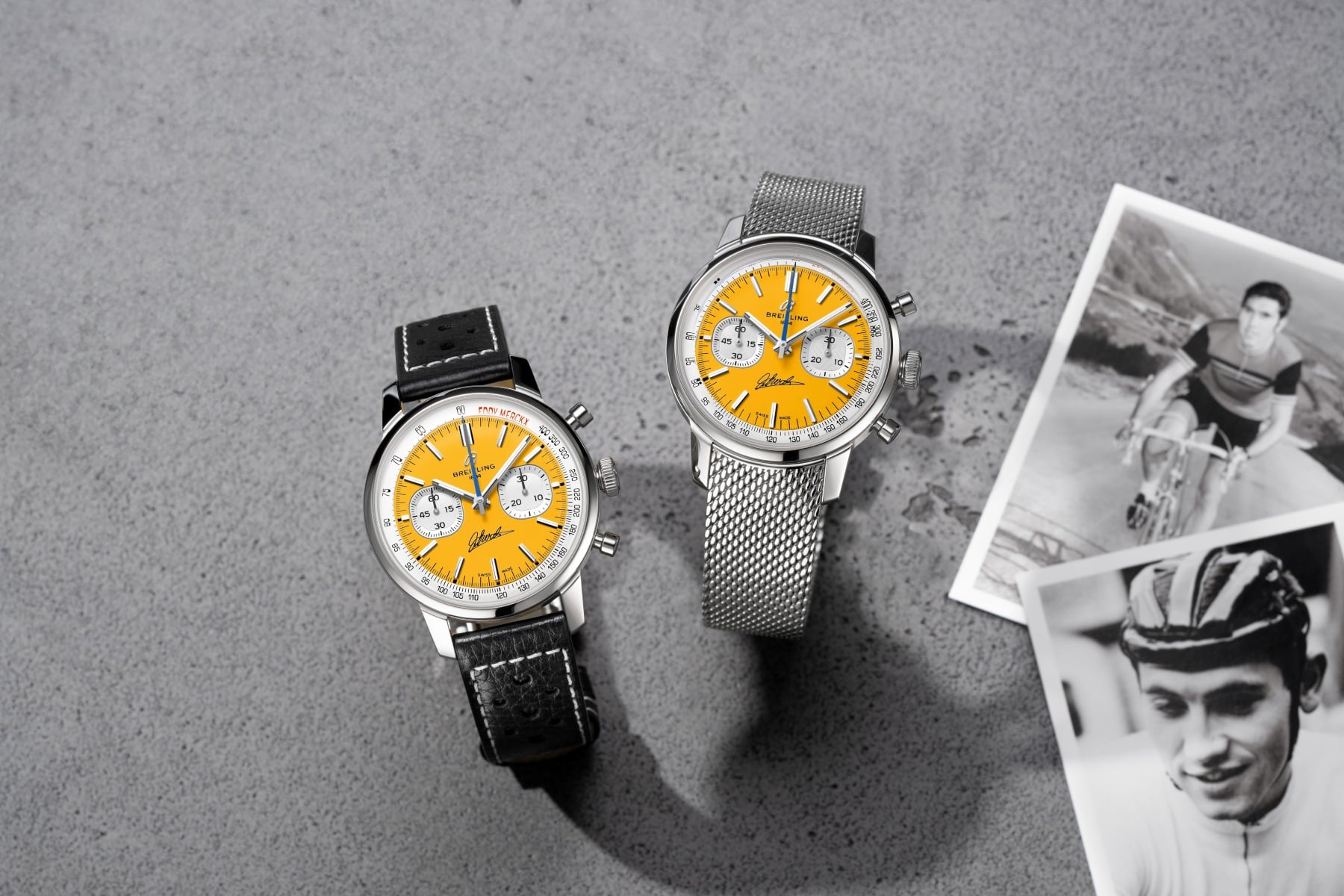
525 Victories, One Dial, and Cycling's Long Wait for a Wrist
Breitling's Eddy Merckx edition doesn't just reference a legend — it asks whether motorsport's younger sibling has finally earned its place in serious watch culture.
From the other desks.

800 Horsepower, One Ton of Doubt
Lamborghini built the most powerful SUV it's ever made. It's also slower than what it replaced.

ESPN Named Him. Then Unnamed Him. Nobody's Explaining the Gap.
A retraction without a reckoning is just a deleted link.

Hide My Email Has Been Showing Your Email
Apple's privacy flagship has a hole in it. They've known for over a year.