Colm Dillane Moved to Miami. Paris Fashion Week Didn't Notice Yet.
When a designer relocates to be closer to culture instead of waiting for culture to arrive, something shifts — and it's not just the zip code.

Photo · WWD
There's a version of this story where a designer shows in Miami during Paris Fashion Week and it reads as a stunt. A bid for attention dressed up as a statement. Colm Dillane pulled off something harder: he made it feel inevitable.
For Spring 2027, Dillane moved from Paris to Miami to be closer to the World Cup, and built his collection — and his show — around that proximity. The runway was a red carpet rolled out inside Inter Miami's Nu Stadium. The crowd included La Familia, Inter Miami's supporter group, who arrived with drums, horns, and custom KidSuper flags. The show's title was Resenha, a Brazilian Portuguese word that Hypebae translated as gossip, chatting, or a hangout with friends. Which is to say: the whole thing was designed to feel less like a presentation and more like a gathering.
That's either naive or exactly right. I keep landing on exactly right.
The Venue Was Never the Point
Fashion weeks exist, in part, because proximity creates gravity. Buyers, editors, photographers — everyone in the same city at the same time means a show can matter even before the clothes are fully seen. The institution does work for you. Dillane opted out of that machinery, not by ignoring it, but by finding a different machine: an actual sporting venue, an actual supporter culture, an actual moment in global sports that will draw more eyes than any runway in Paris this season.
WWD noted the collection as soccer-inspired, which undersells the commitment. This wasn't a football-adjacent mood board. Dillane relocated for it. The bright colors, the layered looks, the sounds built into the show's atmosphere — according to Hypebae, the whole presentation was engineered to carry the feeling of a match day, not just reference one from a distance.
That's the distinction worth sitting with. Fashion borrows from sports constantly — the silhouettes, the collab announcements, the stadium-scale campaigns. What it almost never does is actually go where sports lives and let that place set the terms. Dillane did. And the result, by the accounts of those who covered it, felt less like fashion appropriating football culture and more like fashion showing up as a guest in someone else's house and being gracious about it.
What This Asks of the Calendar
The harder question isn't whether this show worked. It's what it suggests about the season schedule that's been treated as fixed for decades.
Paris Fashion Week isn't going anywhere. The concentration of talent and commerce and media that assembles there twice a year has real gravity, and no single show opting out changes the math. But every time a designer with genuine credibility — not a brand trying to manufacture buzz, but someone with a real point of view — decides the calendar is the wrong container for their idea, the question gets louder.
Dillane's move to Miami wasn't a rejection of fashion. It was an argument that the most interesting version of his collection could only exist in a specific place at a specific cultural moment, and that no amount of Parisian staging would replicate what an Inter Miami stadium and a crowd of actual supporters could provide. Resenha — gossip, hanging out, the pre-match energy of people who care — doesn't translate to a white tent in the Bois de Boulogne.
Some ideas belong to their location. The runway was always just a convention, and conventions are only as strong as the alternatives are weak.
This one wasn't weak.
Keep reading fashion.

Gold Leaf on a Lacquer Dial, and the Weight of What That Costs
Awake's Frosted Leaf Royal Blue asks a question Vietnamese craft has never quite had to answer at this price.
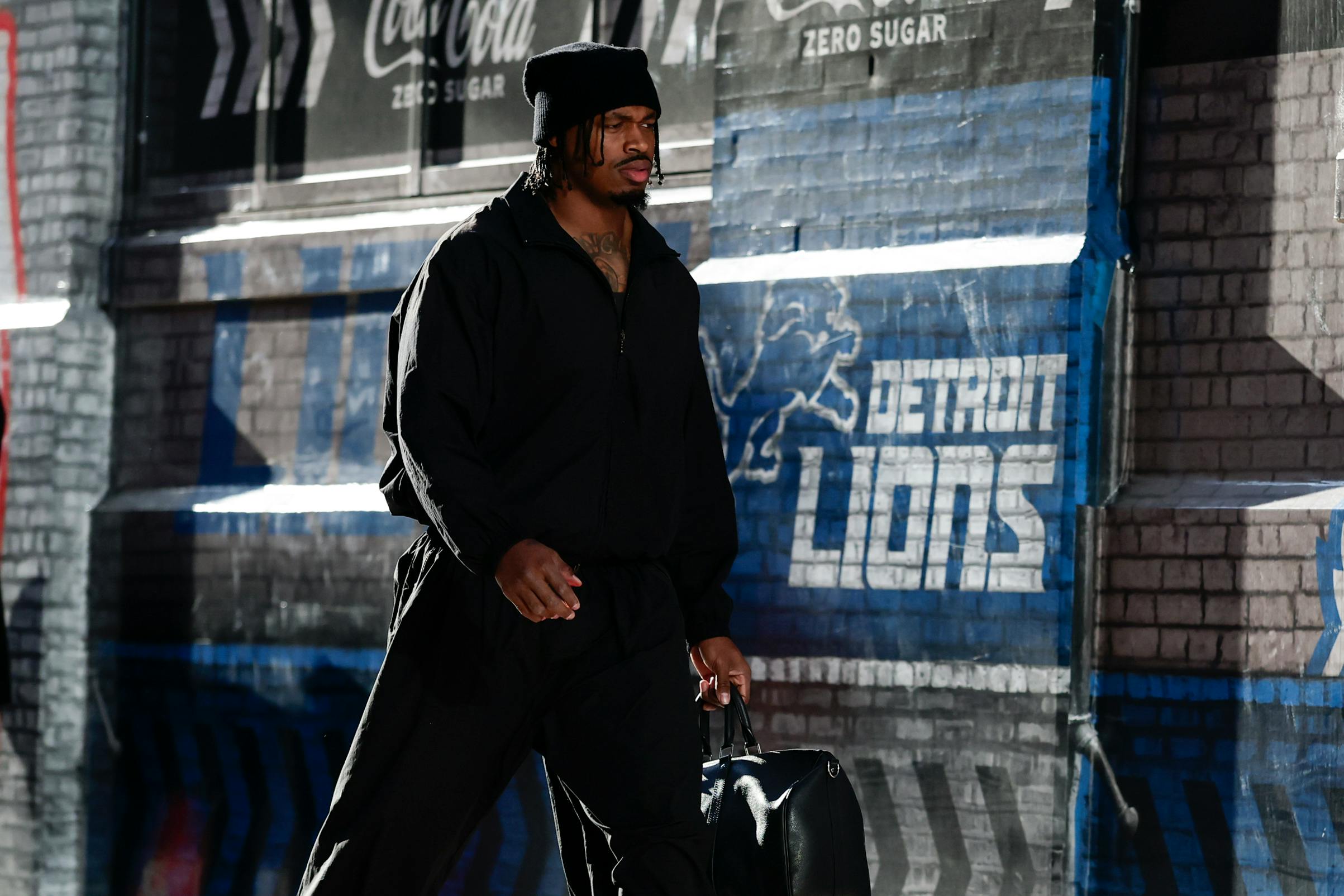
Kyle Smith Has a Job Title That Didn't Exist Before. That's the Whole Tell.
When the NFL hires a fashion editor, it's not about clothes — it's about who gets to decide what matters.
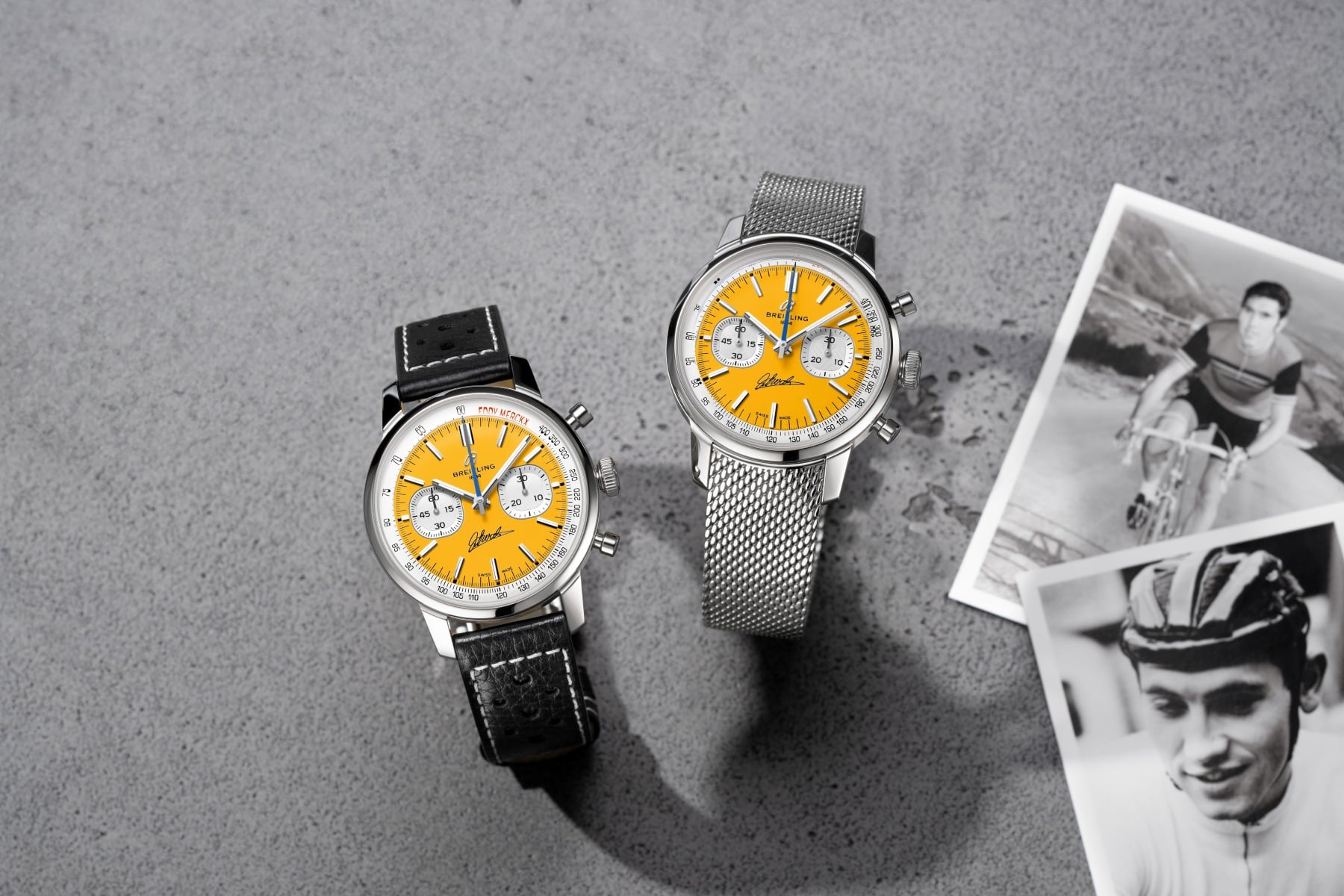
525 Victories, One Dial, and Cycling's Long Wait for a Wrist
Breitling's Eddy Merckx edition doesn't just reference a legend — it asks whether motorsport's younger sibling has finally earned its place in serious watch culture.
From the other desks.

800 Horsepower, One Ton of Doubt
Lamborghini built the most powerful SUV it's ever made. It's also slower than what it replaced.

ESPN Named Him. Then Unnamed Him. Nobody's Explaining the Gap.
A retraction without a reckoning is just a deleted link.

Hide My Email Has Been Showing Your Email
Apple's privacy flagship has a hole in it. They've known for over a year.