Doxa Made the Rare Thing Permanent. Now What?
When a 1969 rarity becomes a standard catalogue entry, heritage stops being a story and starts being a policy.
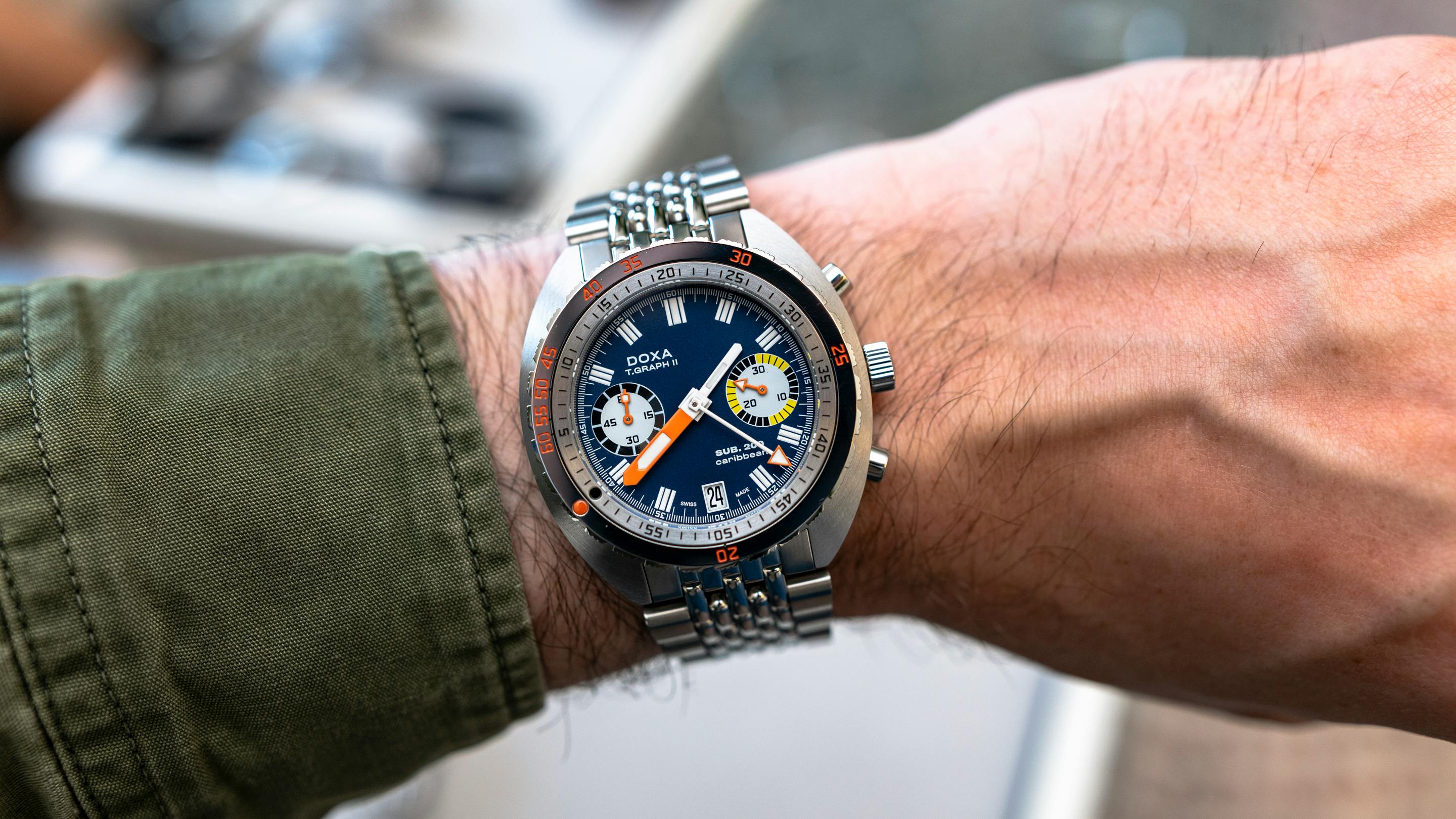
Photo · Hodinkee
There's a specific kind of credibility that lives only in scarcity. A watch made once, or twice, or in a numbered run of three hundred — it carries weight precisely because most people will never own one. The story of the object becomes part of the object. So when Hodinkee runs a hands-on with the Doxa Sub 200 T.Graph II and mentions, almost in passing, that this revival of a 1969 rarity is now a flagship, non-limited offering, the watch itself almost becomes secondary. The real subject is what happens when a brand decides that rare is too small a room to stay in.
A writer at Hodinkee spent time with the piece and filed it straight — hands-on, considered, the kind of coverage Doxa has earned. The Sub 200 T.Graph II is treated as a serious object, which it appears to be. But the detail that lingers isn't about the dial or the case dimensions. It's the category shift: from limited revival to permanent catalogue. That's not a product decision. That's a philosophical one.
The Tension No One Wants to Name
Vintage diving watches have spent the last decade being resurrected in careful batches. Numbered editions. Waitlists. The implicit message being: we know this matters, and we're being responsible with it. There's theater in that, sure, but there's also a kind of honesty — an acknowledgment that not everything should scale.
Doxa is now saying something different. By making the T.Graph II a standing offer rather than a moment, the brand is betting that the watch can hold its meaning without the container of scarcity around it. That's a harder argument to win. Not because the watch won't be good — it may be excellent — but because the mythology of the original 1969 piece was built partly on the fact that almost nobody had one. When you can simply buy the thing, the story changes. It doesn't disappear. But it changes.
This is the friction point that the Hodinkee piece, by its very existence, surfaces without quite naming it. A hands-on review implies an object worth your sustained attention. Calling it a flagship implies the brand wants it to carry weight for years. Both things can be true. The question is whether the collector community — the people who built Doxa's modern reputation by caring loudly about the originals — will follow the brand into that wider room, or stay behind with their numbered certificates.
What Actually Gets Tested
Accessibility is not a problem, to be clear. There's nothing wrong with more people being able to own a well-made watch with a real lineage. What gets tested is whether the brand can maintain the seriousness of the object once the scarcity lifeline is cut. Some brands manage it. Others find that the moment everyone can have the thing, the people who wanted it first quietly move on.
Doxa's advantage is that the Sub 200 line has genuine history — not manufactured nostalgia, not a design that vaguely gestures at the past, but a documented lineage that collectors have traced and argued about for years. If that history is real enough, it survives the catalogue. If it was always partly a function of rarity, the permanent offering will reveal that soon enough.
I keep coming back to the framing: flagship. Not re-edition. Not tribute. Flagship. That's confidence bordering on a dare.
The watch will tell us whether the dare was wise. The waiting list — or the absence of one — will tell us first.
Keep reading fashion.
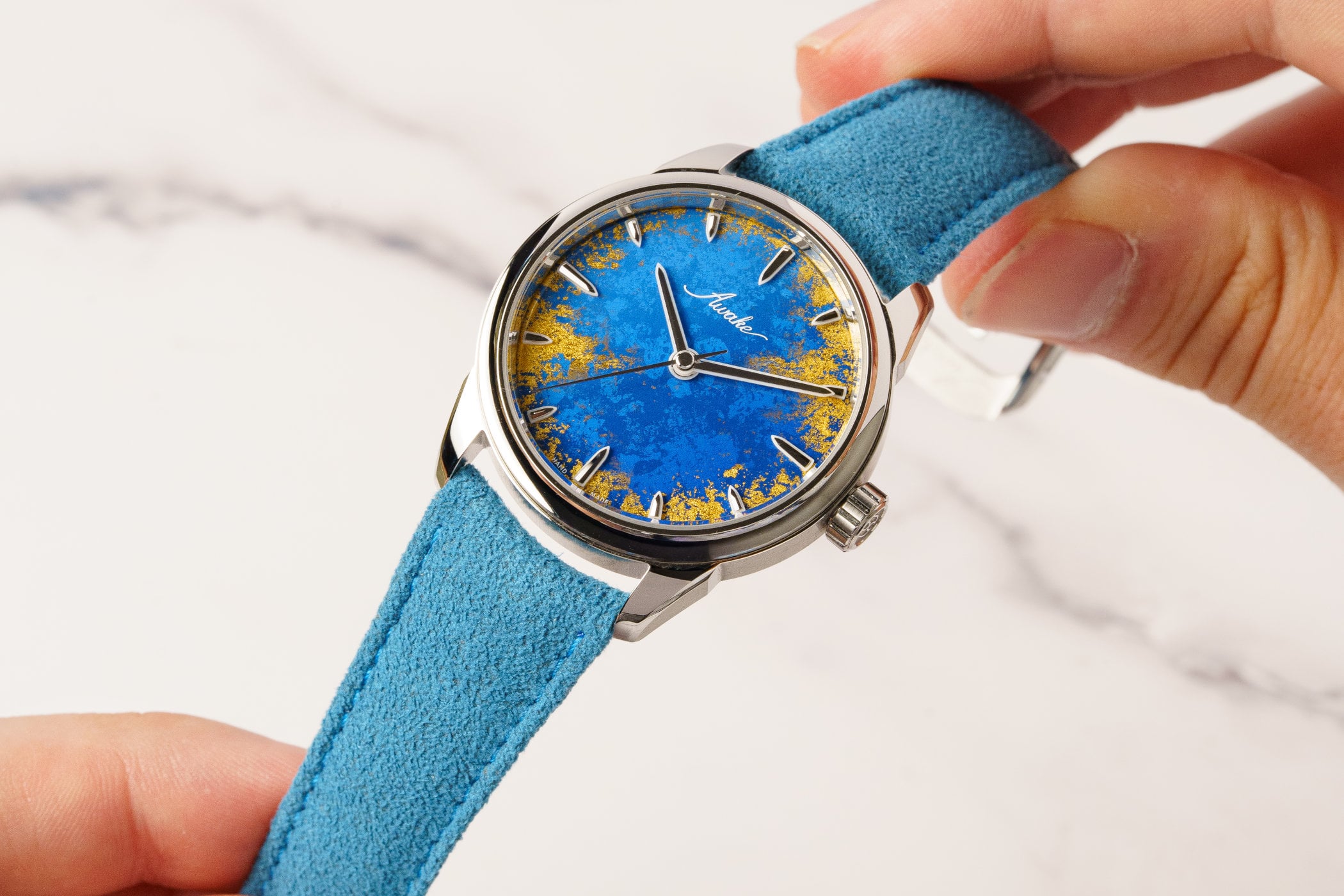
Gold Leaf on a Lacquer Dial, and the Weight of What That Costs
Awake's Frosted Leaf Royal Blue asks a question Vietnamese craft has never quite had to answer at this price.
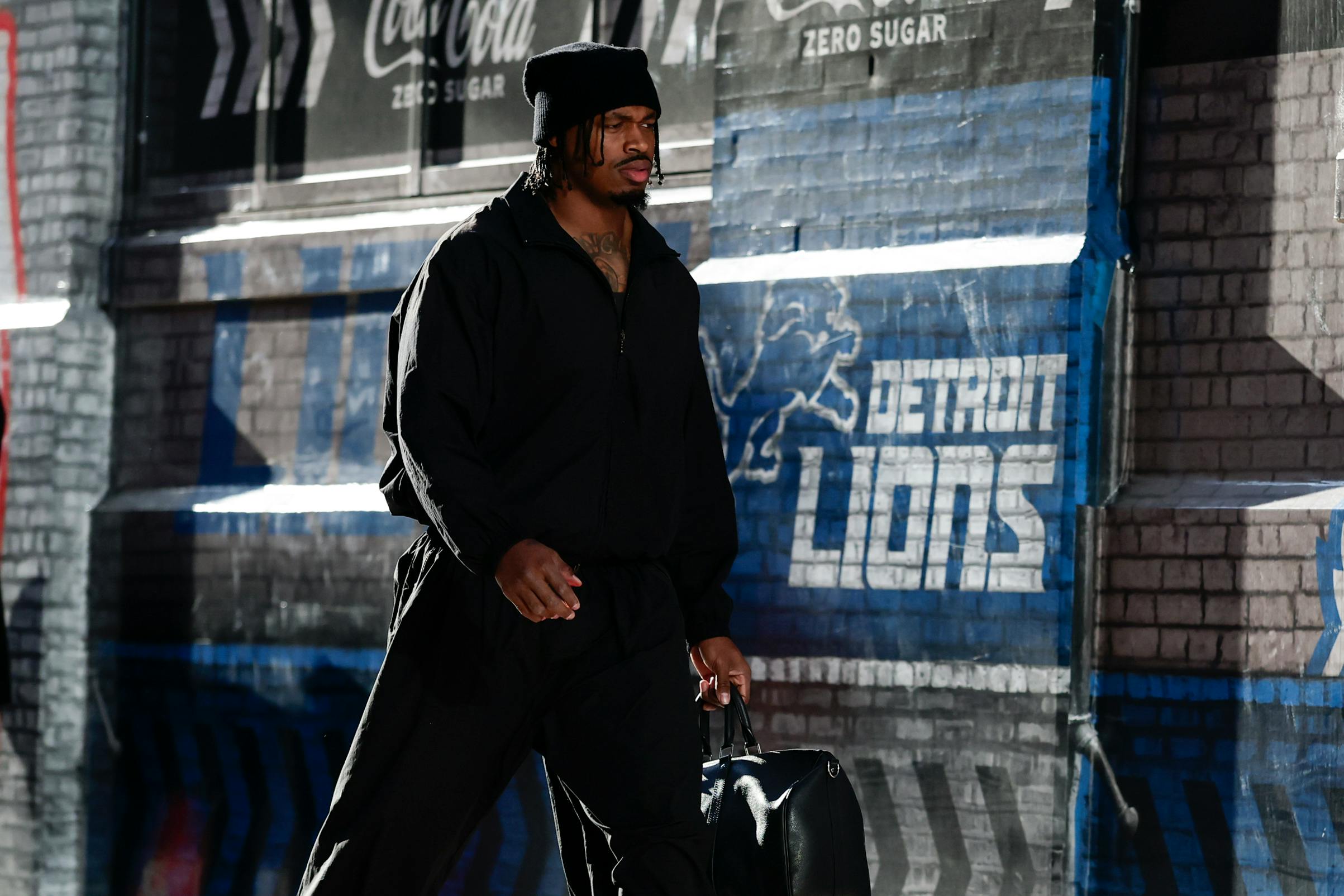
Kyle Smith Has a Job Title That Didn't Exist Before. That's the Whole Tell.
When the NFL hires a fashion editor, it's not about clothes — it's about who gets to decide what matters.
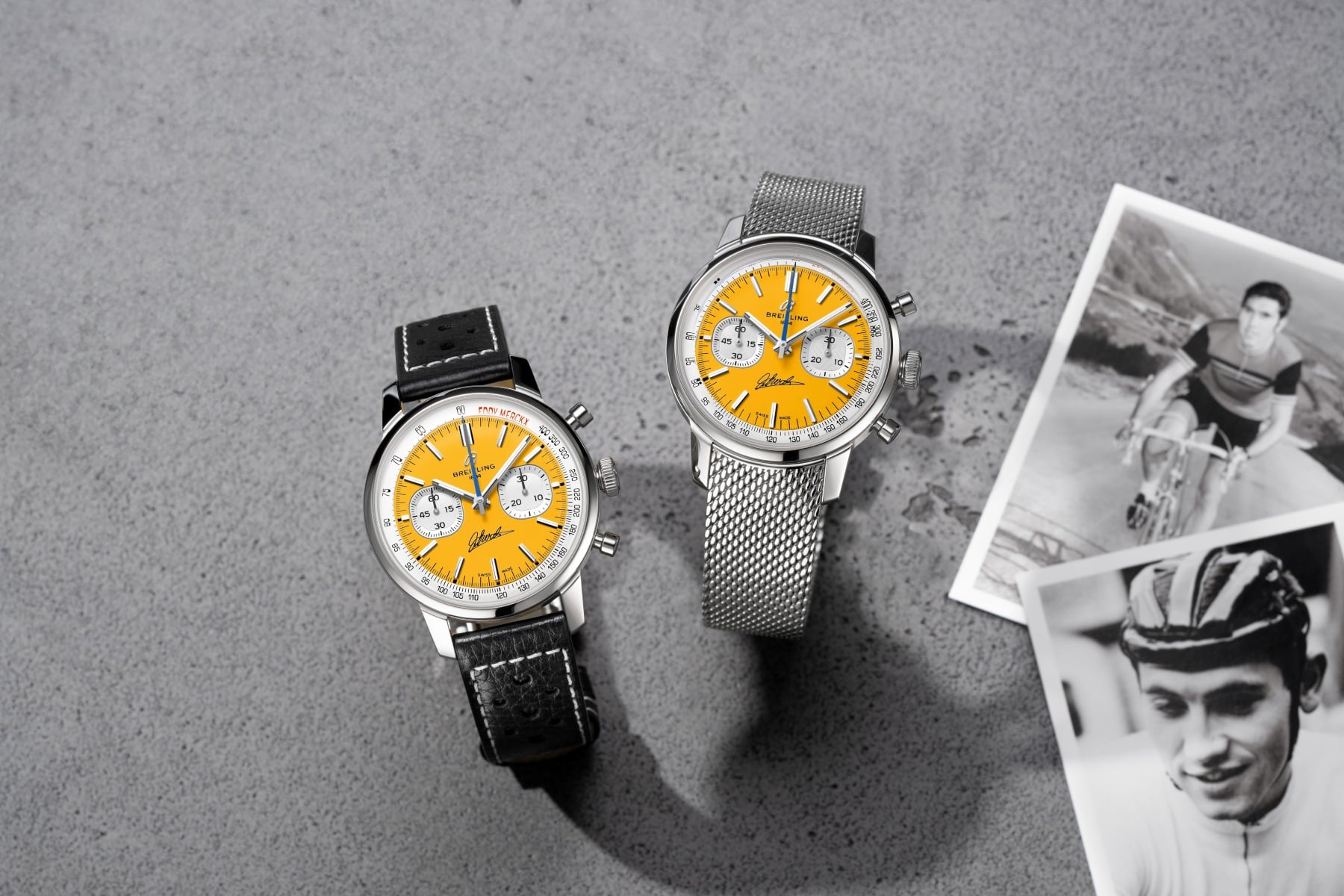
525 Victories, One Dial, and Cycling's Long Wait for a Wrist
Breitling's Eddy Merckx edition doesn't just reference a legend — it asks whether motorsport's younger sibling has finally earned its place in serious watch culture.
From the other desks.

800 Horsepower, One Ton of Doubt
Lamborghini built the most powerful SUV it's ever made. It's also slower than what it replaced.
ESPN Named Him. Then Unnamed Him. Nobody's Explaining the Gap.
A retraction without a reckoning is just a deleted link.

Hide My Email Has Been Showing Your Email
Apple's privacy flagship has a hole in it. They've known for over a year.