Doxa Made the Watch Better. Nobody Had to Ask Twice.
The T.Graph II doesn't revive a legend — it settles one.
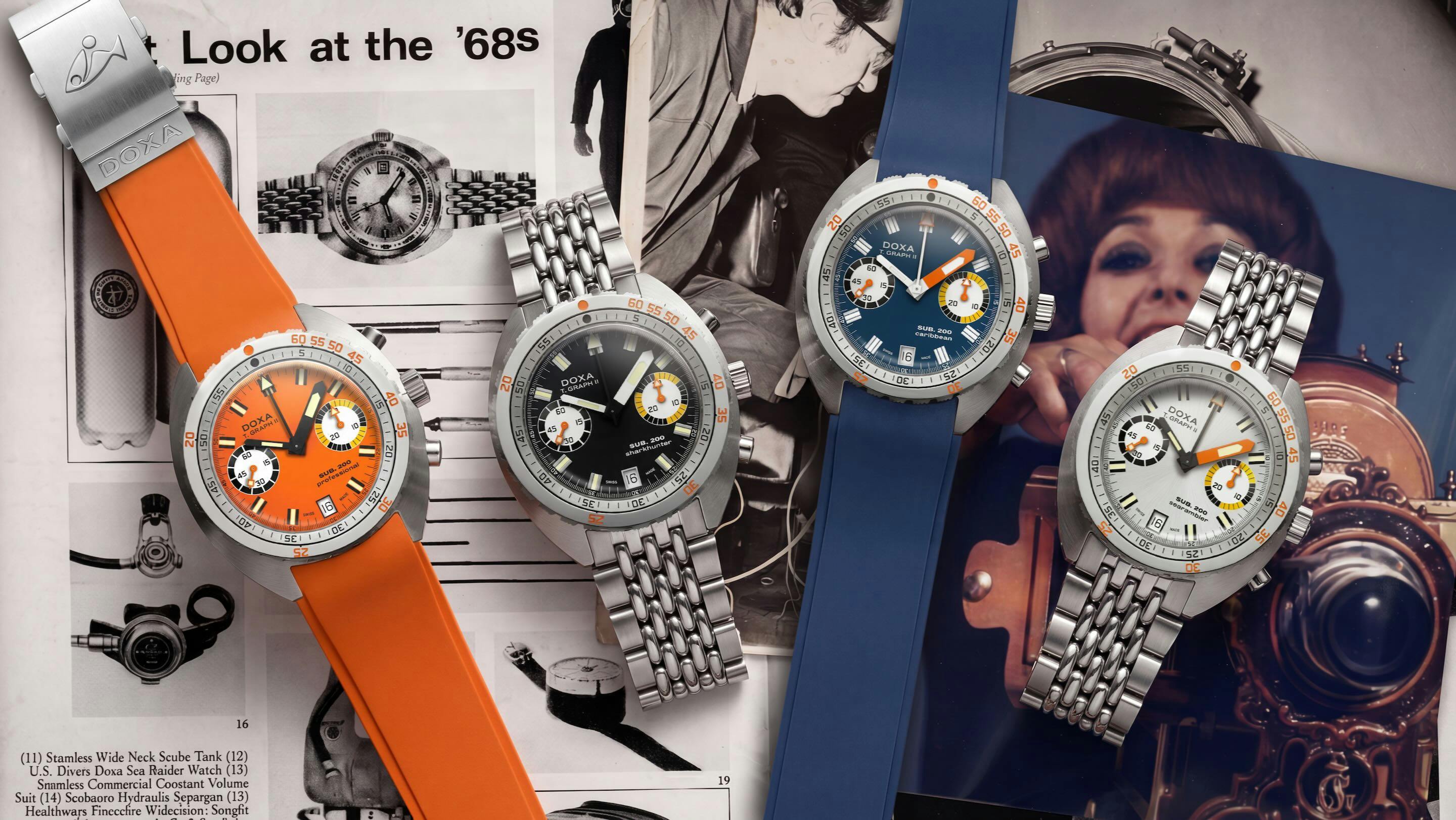
Photo · Hodinkee
Orange and Unapologetic
There's a version of this story where Doxa plays it safe. Where the brand dusts off archival drawings, reproduces the original dimensions down to the millimeter, calls it a tribute, and sells it to enthusiasts who already own everything adjacent to it. That version exists at a dozen other companies. Doxa didn't take it.
The Sub 200 T.Graph II is now part of the permanent collection — confirmed by Hodinkee, confirmed by Oracle Time, confirmed by the watch itself. Not a limited run. Not a boutique exclusive. A permanent fixture. That's a different kind of statement than a reissue, and the distinction is worth sitting with.
Monochrome put it plainly: this is a watch that doesn't feel the need to explain itself. Orange-faced, slightly thick, no skeletonized rotor, no archival packaging designed to justify a price. It just shows up. That kind of confidence — the refusal to over-narrate your own object — is genuinely rare, and it's rarer still when the object has the history this one carries.
The original goes back to 1969. Oracle Time notes the revival draws from that design. But drawing from something and being enslaved to it are different disciplines entirely. What Fratello observed is the more interesting part: Doxa has spent the better part of a decade refining a formula that already worked. The T.Graph II is the result of that patience, not a detour from it.
A Smaller Case, a Cleaner Argument
Time+Tide noted the specifics that matter here — a smaller, slimmer case than what came before, and a new blue dial option alongside the expected colorways. That's not a compromise. That's listening. Dive watch culture has spent years arguing about wearability, about whether tool watches belong on smaller wrists, about whether the genre has calcified around a particular silhouette because nobody wanted to be the first to adjust it. Doxa adjusted it.
Worn & Wound makes the point that Doxa's lore is hard to escape — every release gets filtered through an intense layer of enthusiast context, a complex history that the brand neither ignores nor lets dominate. There's real mystique there, built on the fact that these watches were always serious objects. That seriousness is what gives Doxa the authority to change something without it feeling like a betrayal.
Most brands in this position — heritage intact, devoted following, enough goodwill to coast — choose the archive recreation because it's legible. It tells a clean story. Here's the original. Here's our version. Spot the differences, decide how you feel. The T.Graph II is doing something harder: it's asking you to evaluate it as a current object while knowing full well you'll compare it to history anyway. And it seems comfortable with both outcomes.
The blue dial is the tell. Orange is the Doxa signature — it's the color that made them recognizable, the one that appears in every conversation about the brand. Offering a blue variant isn't abandonment. It's a question: do you want the icon, or do you want the watch? The answer, ideally, is that they're the same thing now.
Consistency, when it's this deliberate, stops being conservative. It becomes its own kind of radical.
Keep reading fashion.
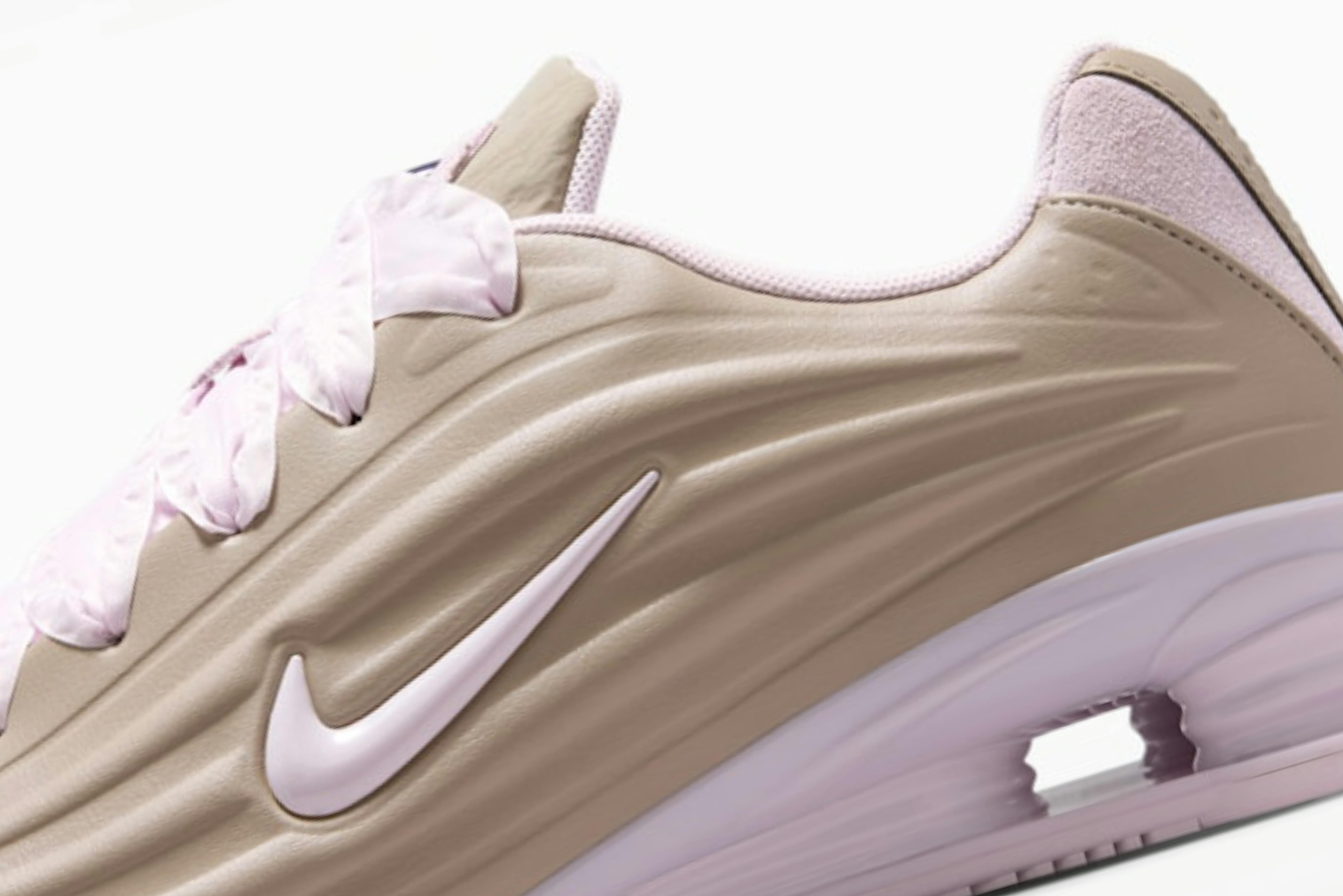
Ribbon Laces on a Shox: Nike Blinks First
When a sneaker built on aggression gets pastel tones and ballet details, something is being answered — the question is what.

NIGO Is Buying Jun Takahashi's Brand. Ask What That Means for the Scene They Built.
When two pioneers consolidate, the question isn't whether the deal makes sense — it's whether movements survive becoming property.

Isaac Mizrahi Went Back to Target, and This Time He's Teaching
A newly created role at a big-box retailer is either a footnote or a signal — and the details suggest it's the latter.
From the other desks.
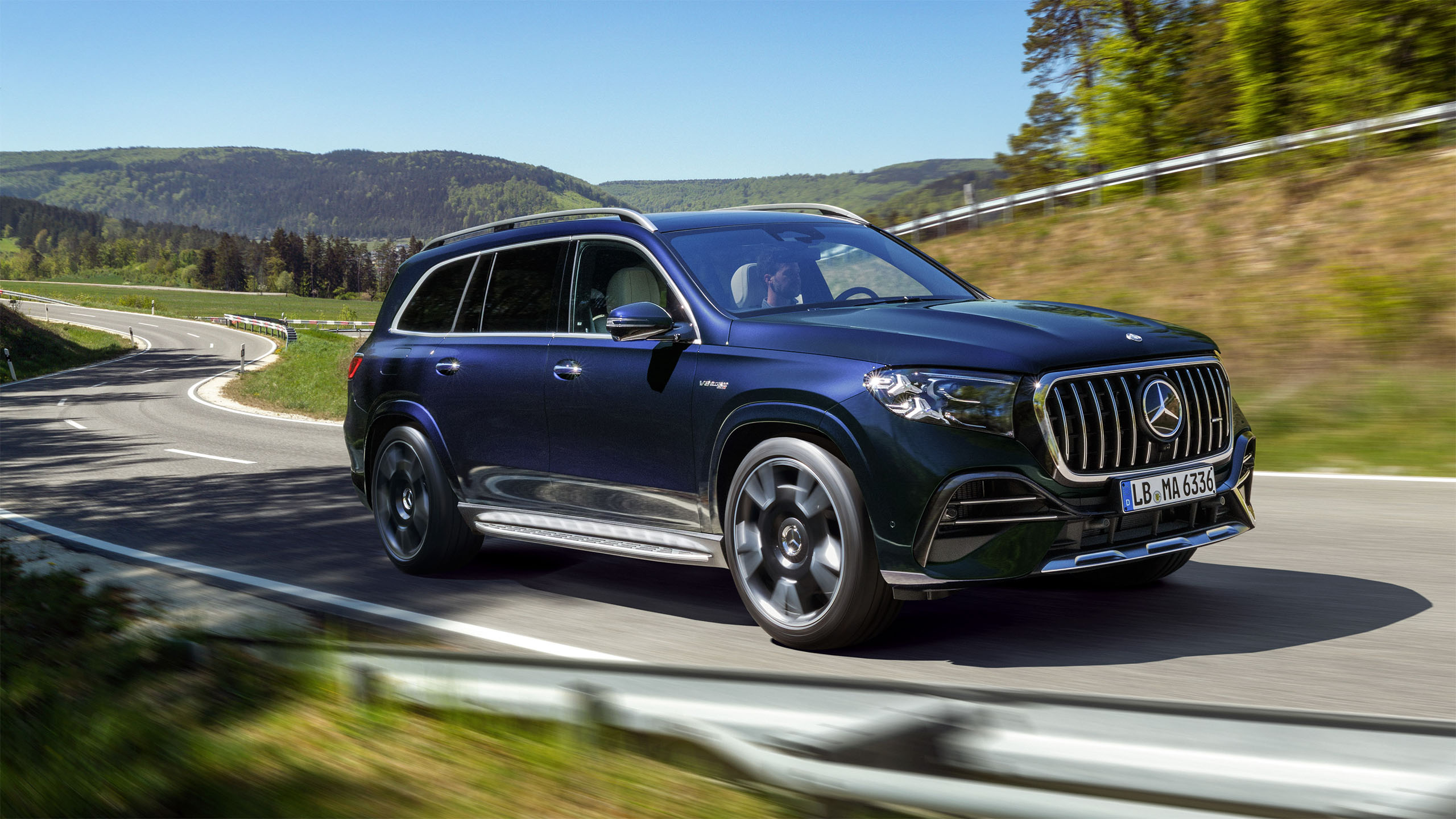
27 Cars, 36 Months, One Engine Worth Arguing About
Mercedes-AMG is flooding the market with V8s and a new six — not because the plan is subtle, but because subtlety lost.
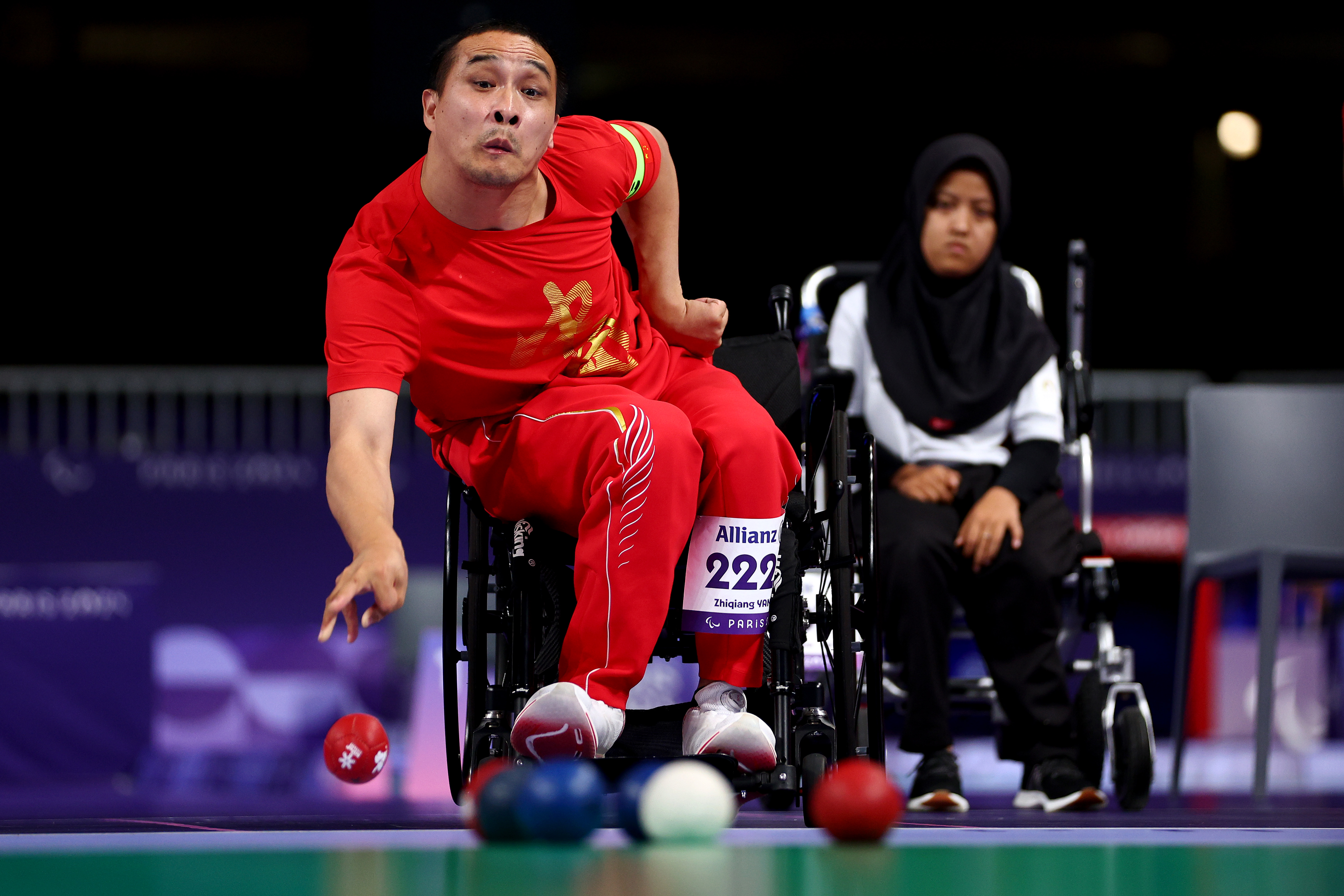
Counterfeit Boccia Balls and the Price of Belonging
When the gear costs more than the athlete can pay, the rules stop being about fairness.

A 50 Percent Price Hike Is Not a Value Proposition
Microsoft's Snapdragon X2 Surface refresh tells you everything about who's actually paying for the Copilot Plus dream.