Isaac Mizrahi Went Back to Target, and This Time He's Teaching
A newly created role at a big-box retailer is either a footnote or a signal — and the details suggest it's the latter.

Photo · WWD
There's a version of this story where a designer returning to a mass retailer reads as nostalgia, or necessity, or both. That version is less interesting than what's actually happening.
Isaac Mizrahi is going back to Target — confirmed by WWD, first reported a month before the official announcement — not to put his name on a collection, but as the retailer's first-ever Creative Director at Large. The title is new. The role is new. According to Fashionista, he'll be advising Target's internal design organization and mentoring design talent. That's a different job than the one most people imagine when they hear "designer partners with Target."
Most people imagine a capsule. A campaign. A limited run that sells out in forty minutes and gets resold for three times the price. This isn't that.
What a Mentorship Role Actually Means
When a designer steps into an advisory capacity inside a retailer's own design team, the implicit argument is that the team is worth advising. Target is betting — publicly, with a title that didn't exist before — that its internal designers can absorb something from someone who has built a career at the intersection of wit and wearability. That's a meaningful vote of confidence in the people already in the building.
It's also a different kind of ambition. Capsule collections are transactional by design: the designer brings cachet, the retailer brings distribution, everyone wins for a season and moves on. A Creative Director at Large role asks for something slower and less legible. Influence over taste doesn't show up in a press release. It accumulates in decisions made by designers who were in the room, in the way a collection gets edited, in the instincts that eventually become second nature to a team.
Whether that actually happens depends almost entirely on how the relationship is structured — how much access Mizrahi has, how seriously his input is weighted, whether the mentorship is genuine or ceremonial. Those details aren't public. They rarely are.
The Bet Underneath the Announcement
What's worth sitting with is the precedent. Target creating this role at all — and filling it with someone who has history with the brand — suggests the retailer sees taste as something that can be cultivated internally, not just licensed from the outside. That's a more sophisticated position than most big-box retail has historically taken.
For a long time, the implicit understanding between mass retail and the design world was arms-length: bring in a name, attach it to product, extract the association. The designer got reach. The retailer got credibility. The in-house team watched from a distance.
A mentorship structure changes the direction of the transfer. The value isn't meant to live in one collection — it's meant to stay in the building after Mizrahi leaves the room.
Whether big-box retail can actually compete on taste, over time, through the patient work of developing designers rather than borrowing names — that's the real question this appointment is asking. Mizrahi's return is the opening argument. The answer won't come in a season.
Keep reading fashion.
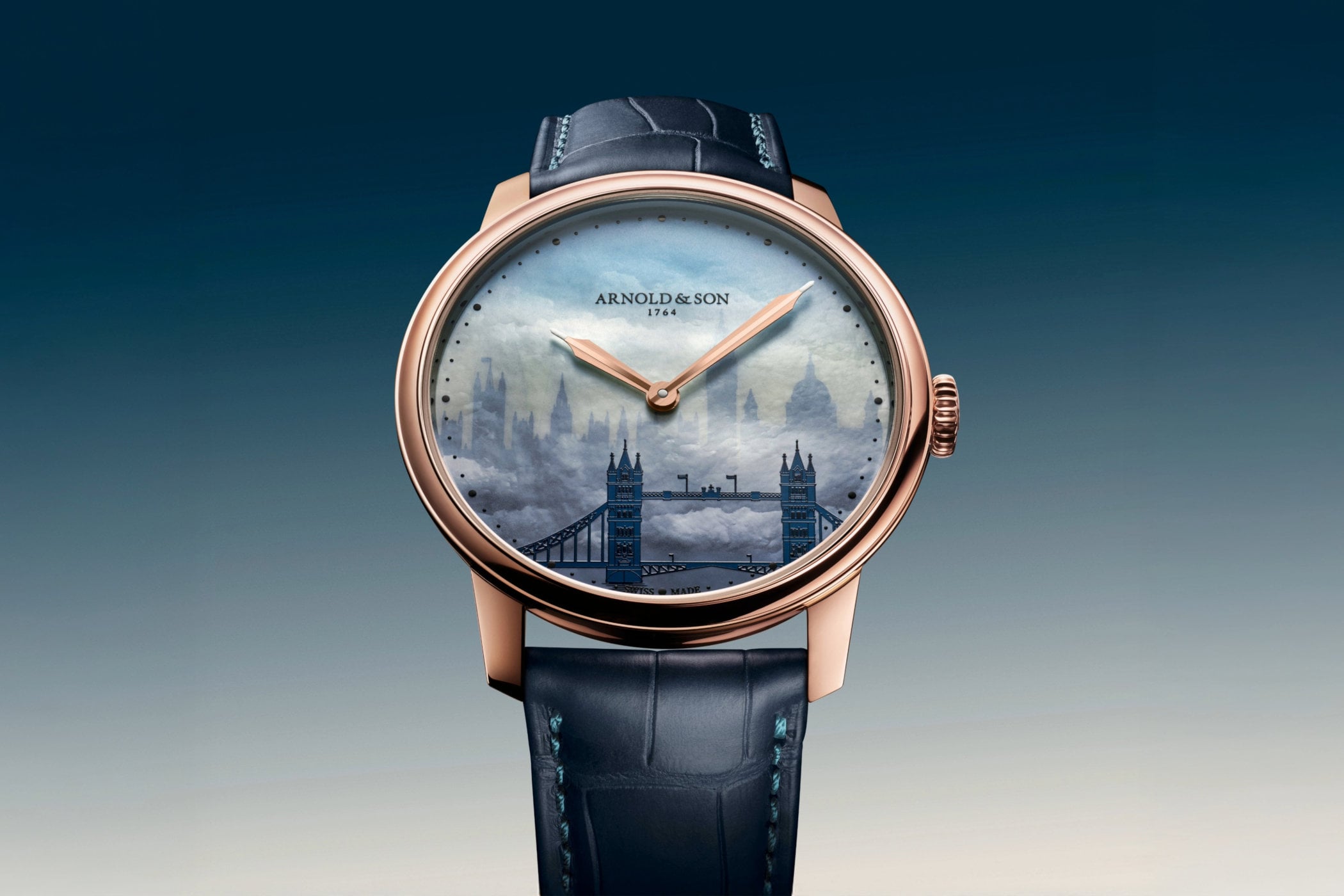
260 Years Old, and Arnold & Son Just Learned to Wink
A mother-of-pearl London dial that hides its own secrets in the dark — and what that says about heritage watchmaking right now.
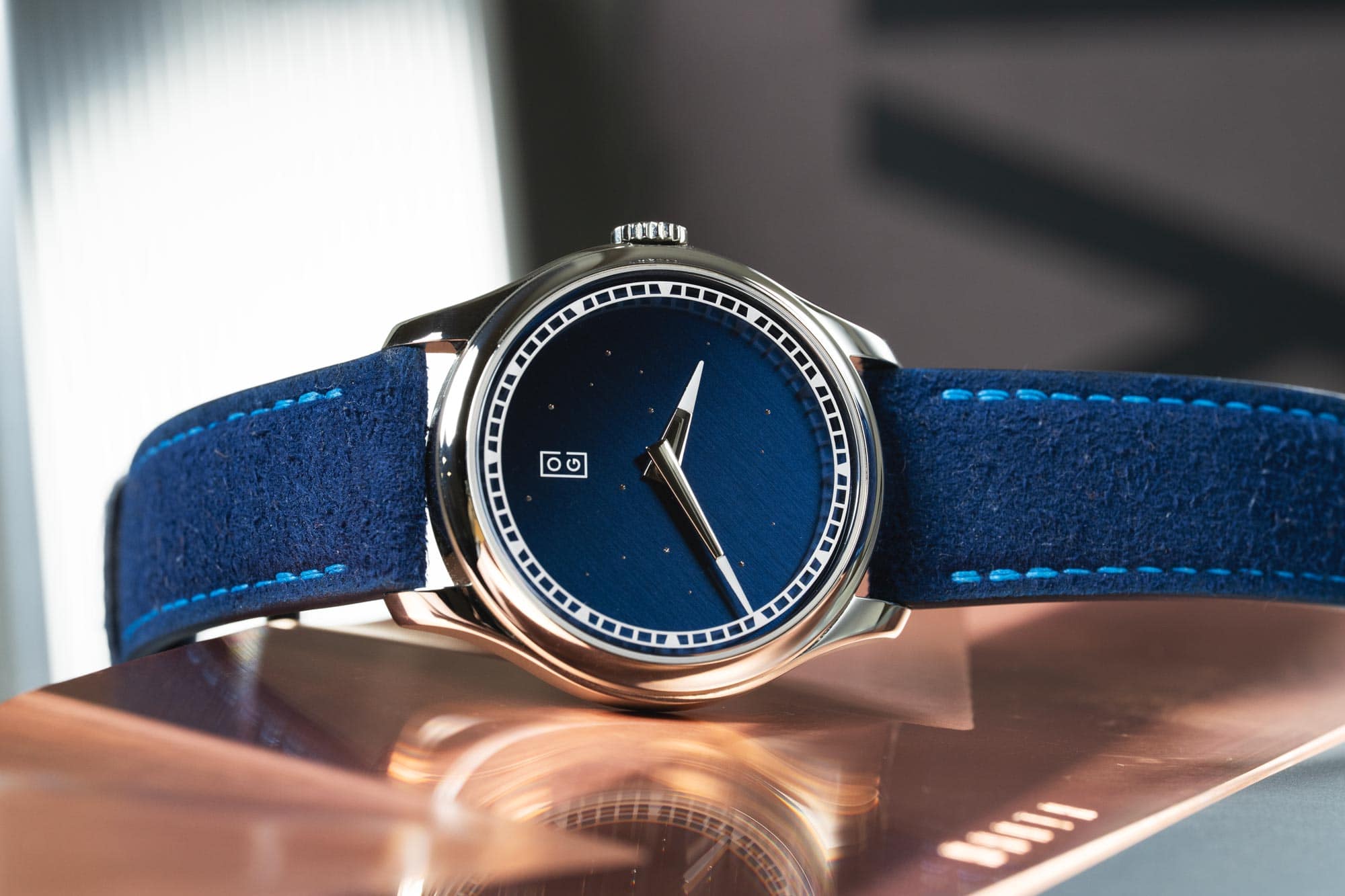
Minimalism Has Been Lying to Us. Oliver Gallaugher Is Telling the Truth.
A writer at Worn & Wound just described a watch that looks simple and costs a fortune to make — and that tension is worth sitting with.
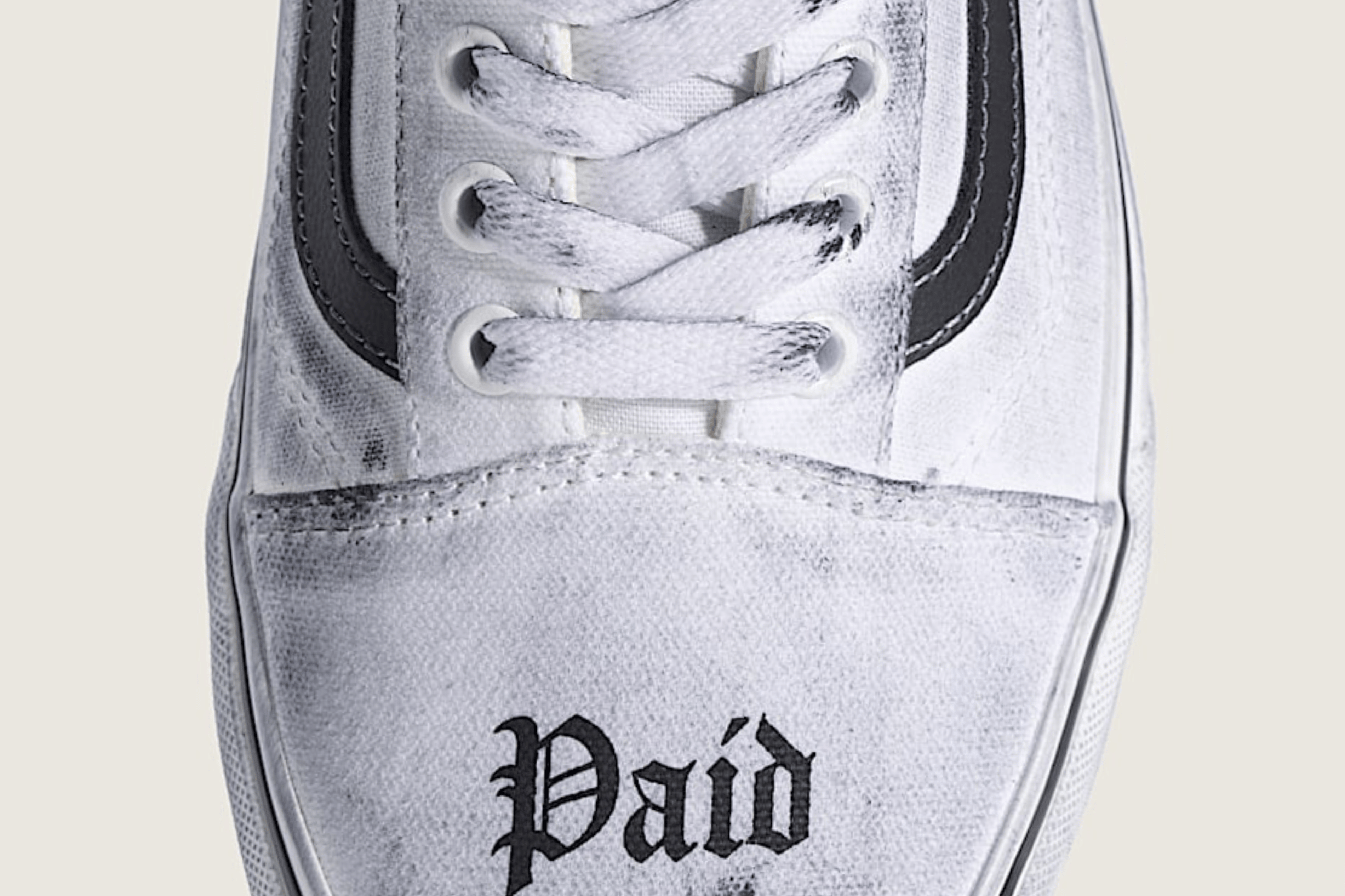
Scuffs as Signatures: What Vans and Travis Barker Just Admitted About Damage
When the distress is the design, something fundamental has shifted in how skate culture sells itself.
From the other desks.

Two Electric Hatchbacks, One Uncomfortable Number: £5,000
When Leapmotor prices the B05 under £29,000 and Peugeot brings back the GTI badge on a hot electric hatch, the gap between them says more about the industry than either car does alone.
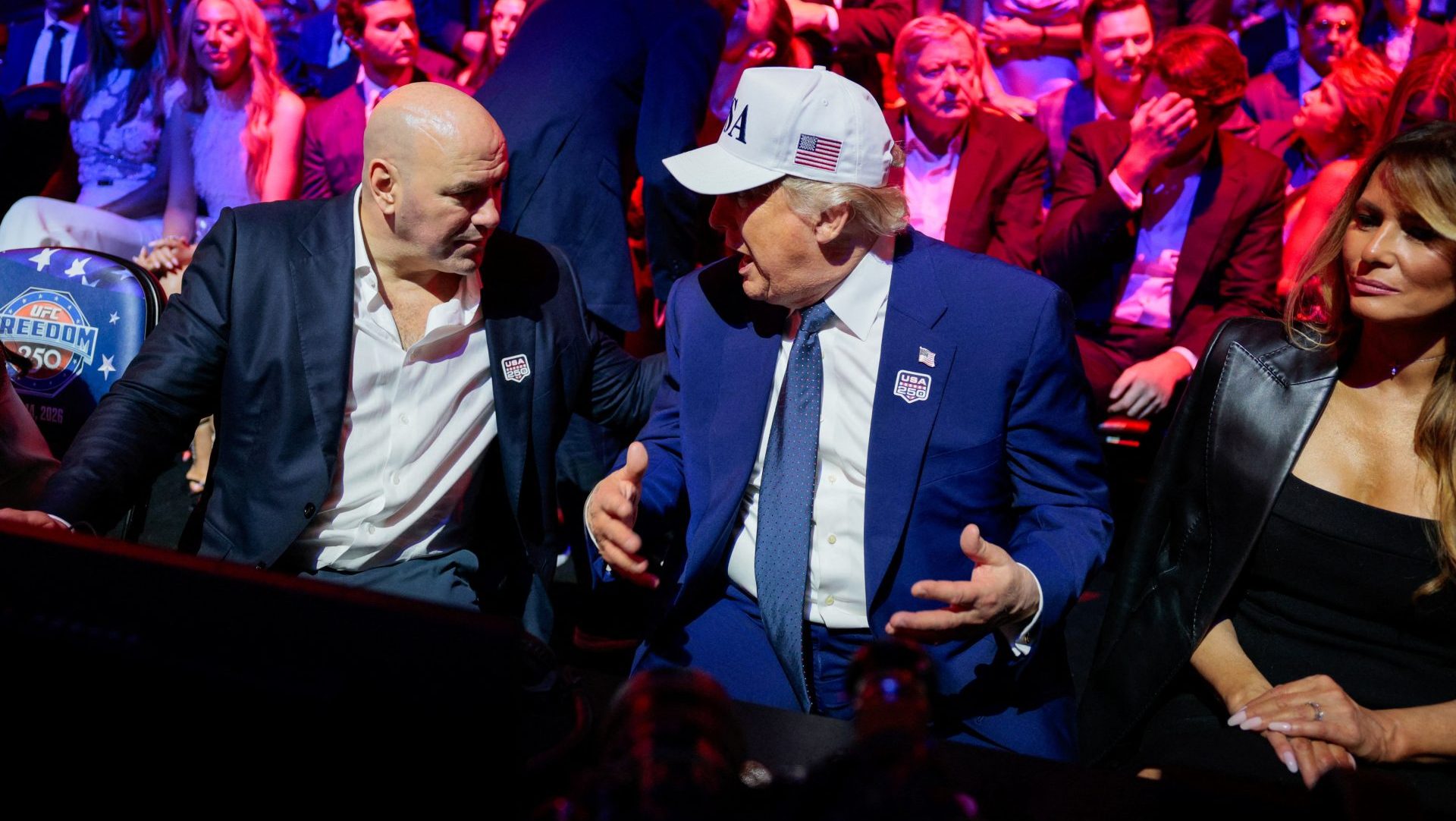
Dana White Threw the Party of His Career and Left Owing Money
The White House UFC event happened exactly once, and the man who made it happen says it will never happen again.

Nobody Budgeted for This
AI promised to pay for itself. Now IT departments are getting the actual invoice.