Dana White Threw the Party of His Career and Left Owing Money
The White House UFC event happened exactly once, and the man who made it happen says it will never happen again.
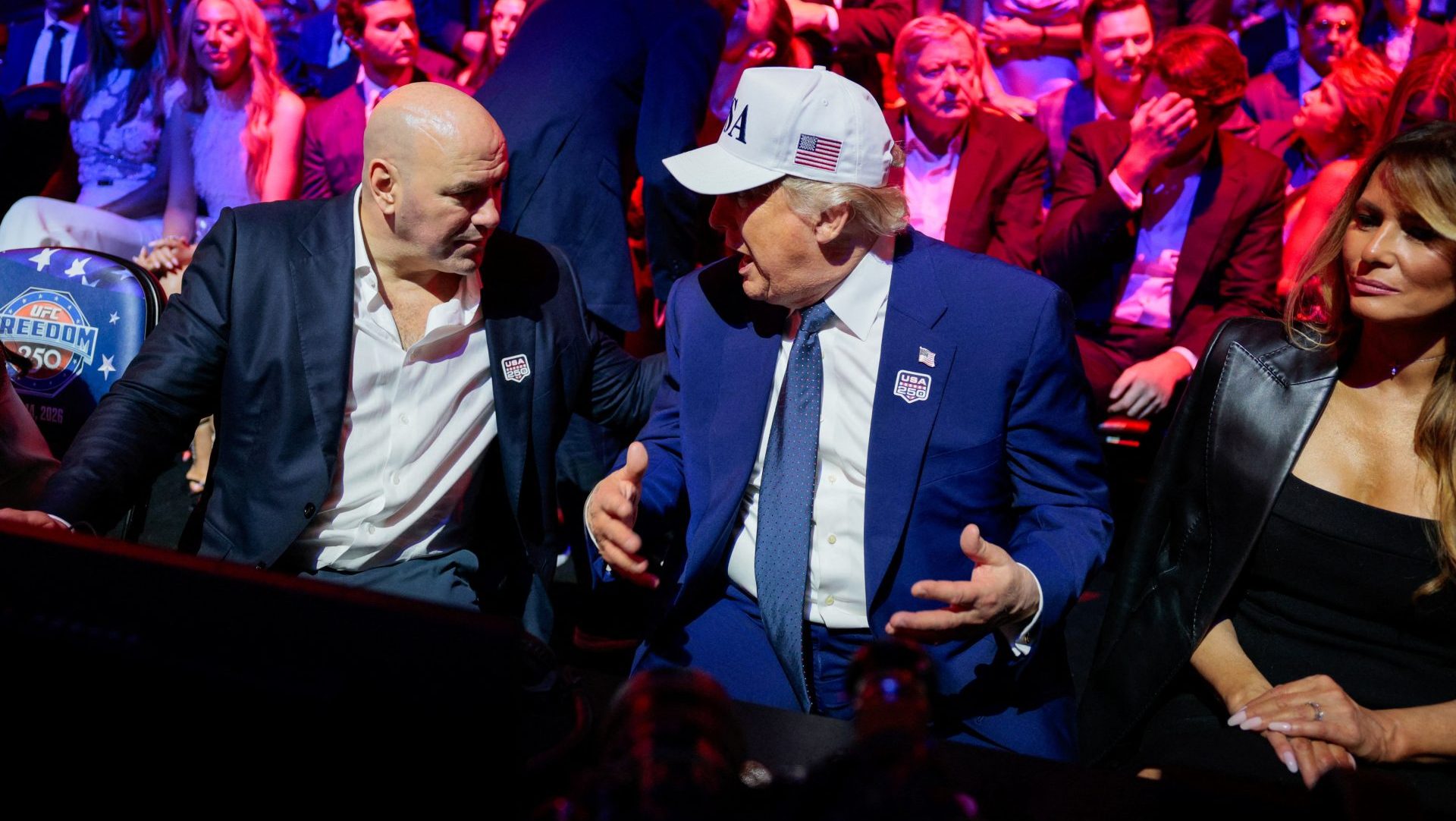
Photo · Front Office Sports
There is a version of Dana White that exists entirely in his own mythology — the guy who built a sport from nothing, who never blinked at a big swing, who treated spectacle as a moral position. That version of White staged a UFC event at the White House. Then that version of White said he can't afford to do it again.
Both things are true. That's what makes this interesting.
When the Stunt Works and Still Doesn't
UFC Freedom 250 went off. Political noise around it, weather drama against it — the event happened anyway, which is exactly the kind of story the promotion has always told about itself. One-of-one, the UFC called it. A moment. The sort of thing you point to later when someone asks what the brand actually stands for.
But White, in the aftermath, was already closing the door. According to reporting from Front Office Sports, he said flatly that he can't afford it — that the cost of staging a fight event at the White House was prohibitive enough to rule out any repeat. The UFC also distanced itself from outdoor events more broadly.
So here's what actually happened: the UFC pulled off the most audacious venue flex in the sport's history, declared it unrepeatable before the dust settled, and somehow managed to make that sound like a victory lap.
Maybe it is. But it's worth sitting with the other reading for a second.
The Breaking Point
White has spent years making the argument that scale is destiny — that if you build the stage big enough, the business follows. And to be fair, the evidence has largely backed him. The UFC is not a small operation. It did not get here by being cautious.
But the White House event exposed something that spectacle usually obscures: there's a ceiling. Not a philosophical ceiling, not a creative one — a financial one. The most powerful promotional machine in combat sports hit a number it couldn't justify repeating. And rather than finesse that admission, White just said it out loud.
There's something almost admirable about that. He didn't spin it into "we achieved what we set out to achieve" and quietly move on. He said: I can't afford it. Full stop.
What it reveals, though, is that the event was less a strategic milestone than a one-time expenditure — a cost paid for a memory, not a model. The UFC won't build on this. It will just have happened. And in a business that runs on momentum and the promise of the next thing, a one-of-one that ends with 'never again' is a strange kind of trophy.
The spectacle was real. So was the bill. White found out they don't cancel each other out.
Keep reading sports.
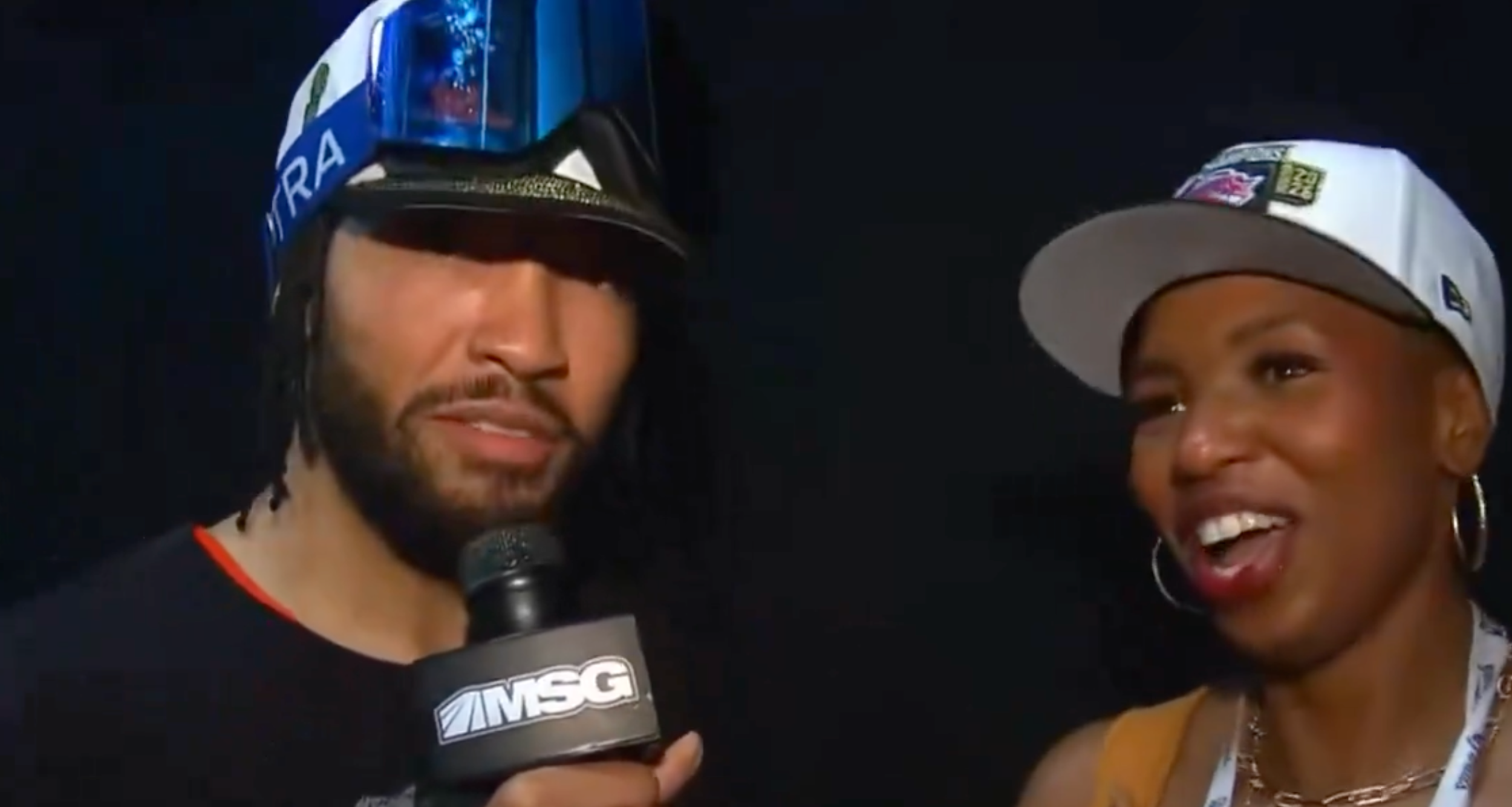
Brunson Had a Championship and Used It on This
When a Finals MVP burns celebration capital defending a broadcaster from a pop star's fanbase, something has shifted in what athletes think they're allowed to say.

Aldon Smith Was 36, and Nobody Knows What Happened Next
A former NFL star is dead, the cause is unknown, and the league's wellness promises are standing very quietly in the corner.
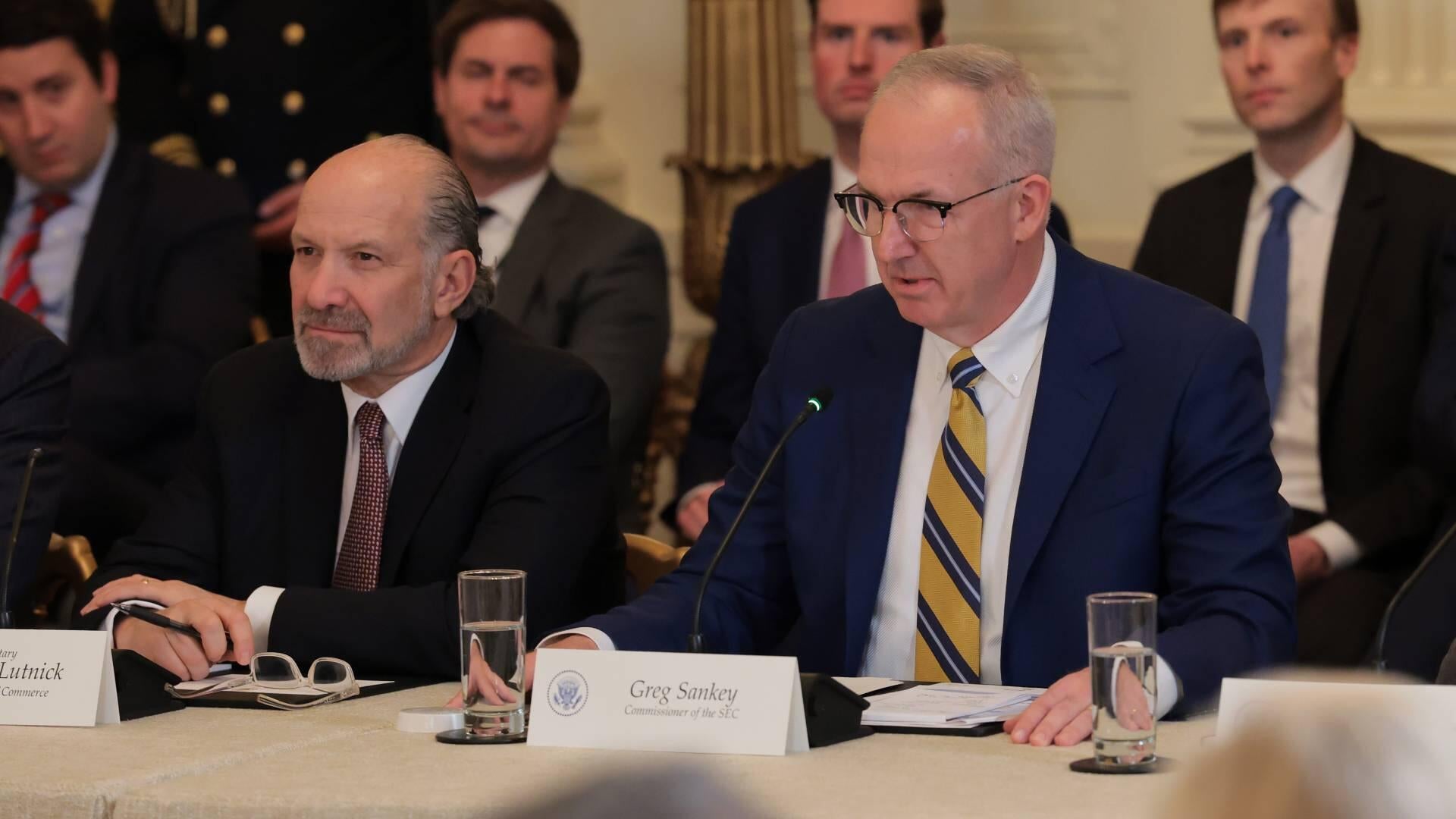
SEC Wrote a Memo Against the Fix. Read That Sentence Again.
When the most powerful conference in college sports warns that a reform bill will make litigation worse, the confession buried inside that argument is more damning than the bill itself.
From the other desks.

Two Electric Hatchbacks, One Uncomfortable Number: £5,000
When Leapmotor prices the B05 under £29,000 and Peugeot brings back the GTI badge on a hot electric hatch, the gap between them says more about the industry than either car does alone.

Isaac Mizrahi Went Back to Target, and This Time He's Teaching
A newly created role at a big-box retailer is either a footnote or a signal — and the details suggest it's the latter.

Nobody Budgeted for This
AI promised to pay for itself. Now IT departments are getting the actual invoice.