SEC Wrote a Memo Against the Fix. Read That Sentence Again.
When the most powerful conference in college sports warns that a reform bill will make litigation worse, the confession buried inside that argument is more damning than the bill itself.
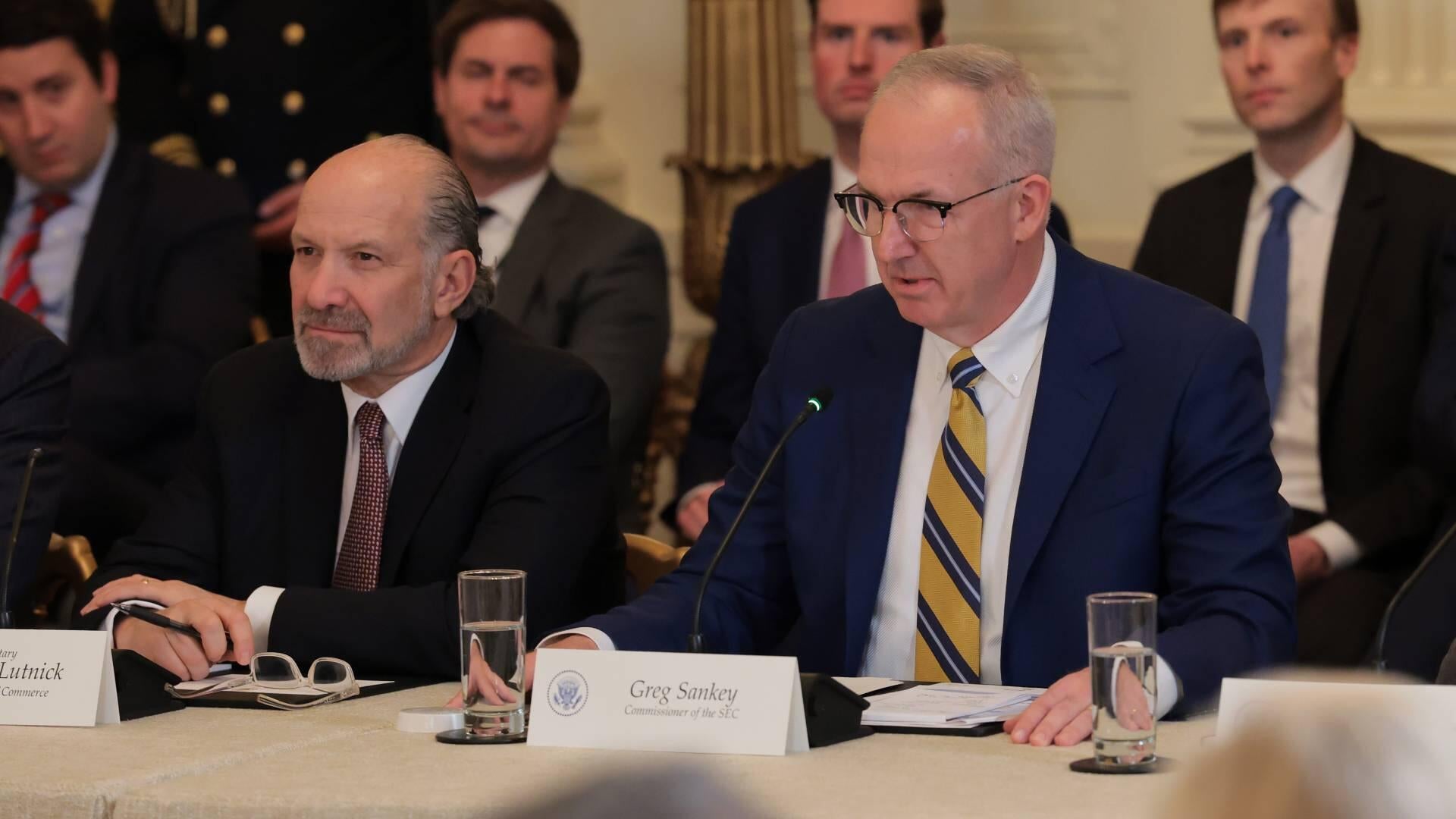
Photo · CBS Sports Headlines
The Establishment Objects
Somewhere between the legalese and the lobbying posture, the SEC handed everyone paying attention a remarkable admission. A June 8 memo obtained by CBS Sports shows the conference formally objecting to the Protect College Sports Act — not because the system is fine, but because, in their telling, the proposed repair will crack the pipes further.
Pause on that. The most powerful athletic conference in the country is now on record saying the regulatory framework around college sports is so fragile that fixing it wrong will trigger more lawsuits, not fewer. That's not a defense of the status quo. That's a distress signal dressed in conference letterhead.
A writer at CBS Sports surfaced the memo, and the specifics of the SEC's objections matter less here than the shape of the argument itself. This is establishment leadership saying: we know the house is compromised, and we're not sure anyone knows how to stop it from coming down. That's a different posture than the confident institutional stonewalling college sports has managed for decades. Something shifted.
Governance Can't Govern Itself
College athletics has spent years treating legal exposure like weather — something to be endured, not solved. Every settlement, every injunction, every antitrust ruling got absorbed and routed around. The model survived by being too big and too complicated and too culturally embedded to fall cleanly.
What's different now is that the volume of legal pressure has become a feature of the conversation, not background noise. When a conference files a memo warning Congress that reform legislation will accelerate the lawsuit problem rather than contain it, they're implicitly acknowledging that the lawsuit problem is already unmanageable. You don't argue that a levee will make flooding worse unless you've already conceded the river is rising.
The cynical read is that the SEC is protecting its own flexibility — that objecting to federal legislation is just a power move to keep conference offices at the center of whatever governance structure emerges. That read is probably correct. But even self-interested arguments can be structurally true. It's possible the Protect College Sports Act has real design flaws and that the SEC is lobbying against it for reasons that have nothing to do with athlete welfare. Both things fit.
What doesn't fit anymore is the idea that college sports can manage this through internal adjustment. The memo's existence is evidence of that. Conferences don't send formal objections to federal legislation when they think their own apparatus is sufficient. They do it when the floor is moving under them.
The athletes are watching all of this, by the way. They've watched conferences absorb billions in media rights while the governance arguments circled overhead for years. They've watched the NIL era arrive not through deliberate reform but through legal pressure that made the old model indefensible. The pattern is clear enough: nothing in college sports changes until a court makes it change. Which means every memo arguing against legislation is, functionally, an argument for more litigation.
The SEC may be right that the Protect College Sports Act is flawed. But the most honest sentence in any version of this argument is the one the memo accidentally contains: we are here, and this is what here looks like.
If the establishment's best argument against a reform bill is that reform will make things more litigious, college sports doesn't have a legislative problem. It has a legitimacy problem. And no memo fixes that.
Keep reading sports.

Zverev Won Roland-Garros. The Silence After Said Everything.
A first major title landed Sunday and the sport didn't know how to feel about it.
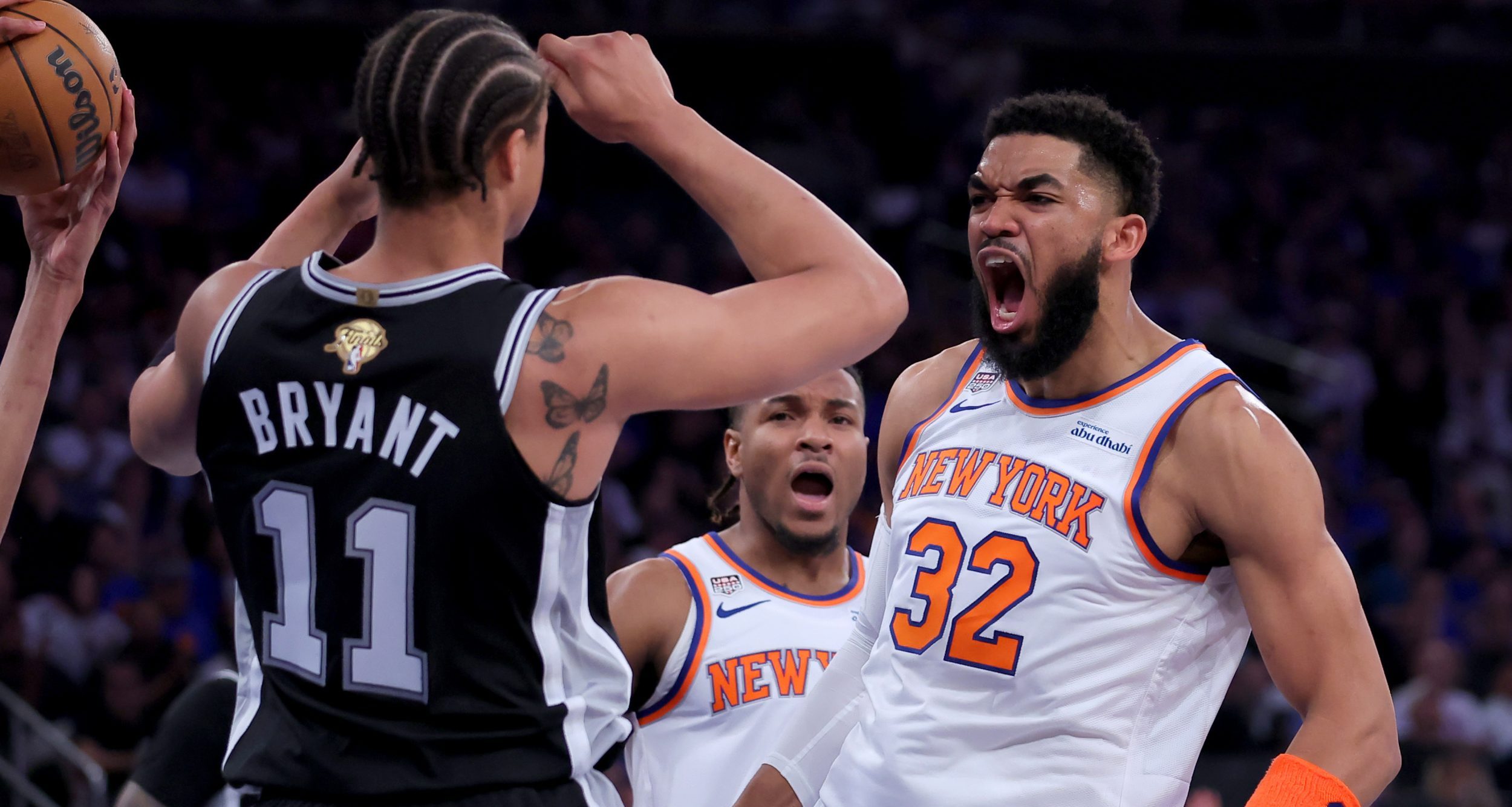
53 Years of Waiting Looked Like 20.9 Million People
When the Knicks pulled off the biggest Game 4 comeback anyone had seen in decades, New York didn't just watch — it declared itself appointment television.
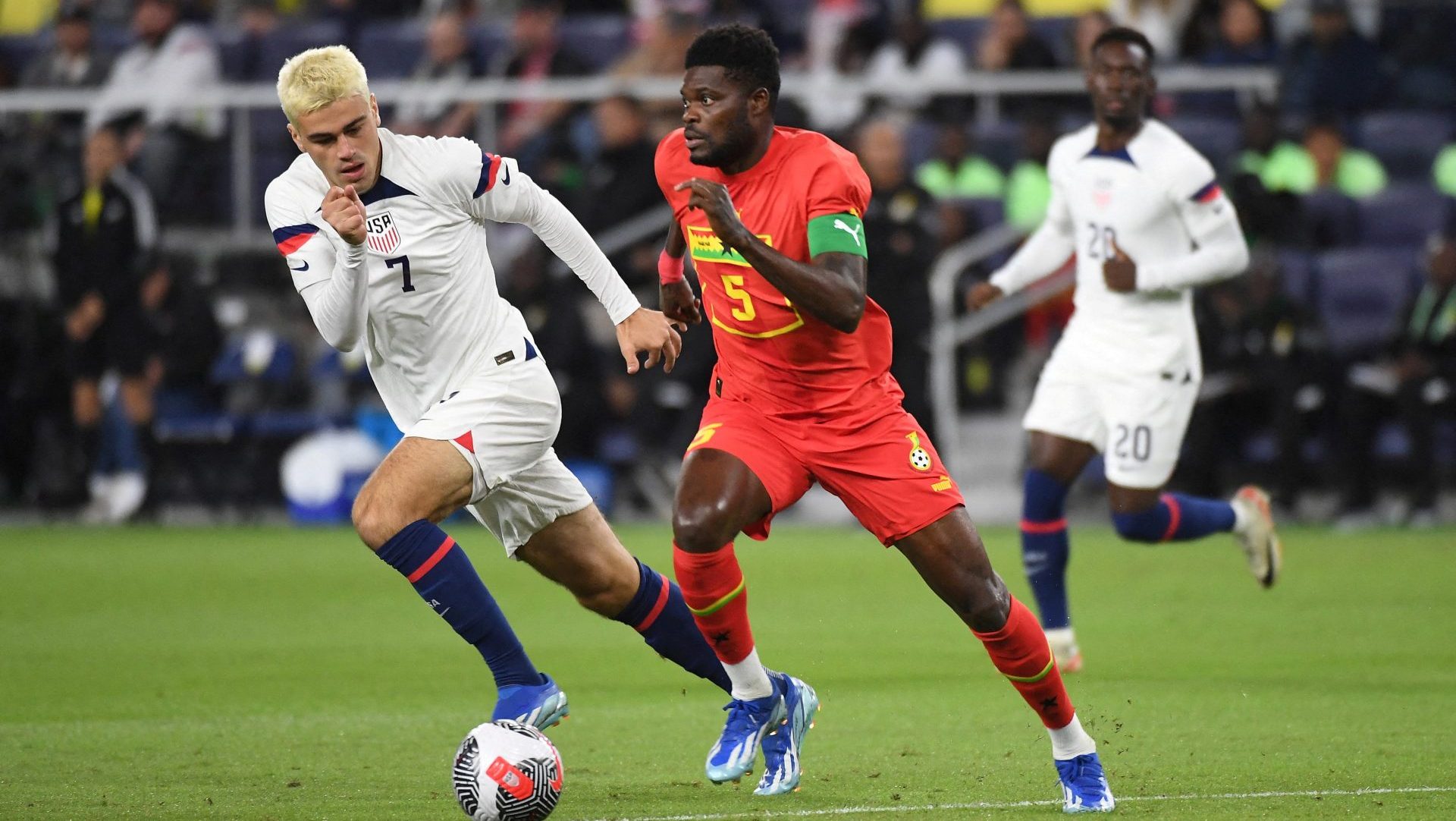
Cyle Larin Scored. Nobody Could Agree on What to Celebrate.
Canada finally got their World Cup point. The conversation was already somewhere else.
From the other desks.

Genesis Took a Concept to Le Mans and Called It a Racer
When Seoul's boldest design exercise sprouted wings at the world's most famous endurance race, something shifted in the performance conversation.

260 Years Old, and Arnold & Son Just Learned to Wink
A mother-of-pearl London dial that hides its own secrets in the dark — and what that says about heritage watchmaking right now.

42 Attorneys General Subpoenaed OpenAI's Ads, Its Safety Policies, and Its Sycophancy All at Once
When regulators come for your chatbot's personality, the credibility problem runs deeper than compliance.