Cyle Larin Scored. Nobody Could Agree on What to Celebrate.
Canada finally got their World Cup point. The conversation was already somewhere else.
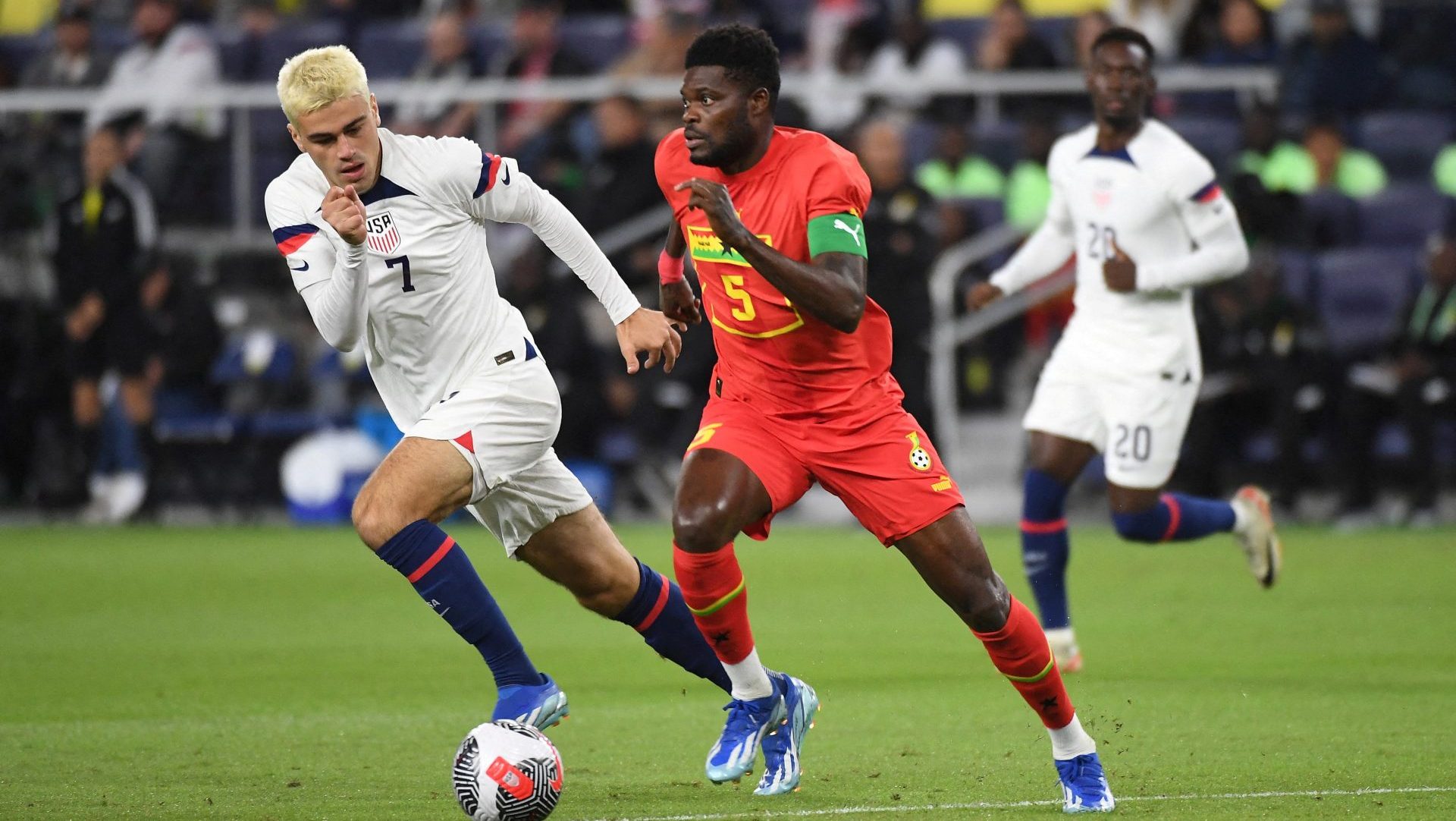
Photo · Front Office Sports
There's a version of this story that's clean and earned. Cyle Larin, late goal, Canada on the board at their first World Cup on home soil. The crowd, the moment, the nation. You know the shape of it.
Then there's what actually happened around it.
The Point
Larin's equalizer against Bosnia gave Canada their first World Cup point — not a win, but a mark on the board that matters, the kind of result a program points to when it's still learning what it's capable of at this level. According to coverage from The Athletic, the draw was hard-fought, a late rescue rather than a controlled performance, but in a group stage, late rescues count the same as any other kind.
That's real. That deserves to be said plainly. Canada, at a World Cup they're hosting, earned something.
But the week they're doing it in has been loud in ways that have nothing to do with the pitch.
The Other Story
Ghana's Thomas Partey, according to reporting from Front Office Sports, has been barred from entering Canada due to rape charges — charges that exist in his country of origin, not in the host nation. He can play in matches on U.S. soil. He cannot cross the border. Ghana's tournament schedule becomes a legal and logistical puzzle, with a player who is neither convicted nor cleared becoming a question that FIFA, the host nations, and national federations apparently didn't fully anticipate.
This is the part that keeps pulling focus. Not because the charges should be ignored — they shouldn't — but because the situation reveals something uncomfortable about how a 48-team tournament spread across three countries with three different legal systems was always going to generate exactly this kind of friction. A player flagged in one jurisdiction, cleared to compete in another, barred from a third. The tournament didn't create the charges. But the tournament's scale and geography turned a legal matter into a border policy crisis in real time, mid-competition.
There's no clean answer here, and anyone pretending otherwise hasn't thought it through. The Canadian government's position has legal logic to it. FIFA's position — if it even has a coherent one — is harder to locate. Ghana's position is that their player is being treated as guilty before any verdict. All three can be simultaneously true and still leave everyone looking at each other waiting for someone to blink.
Meanwhile, Cyle Larin is trying to have a World Cup.
This is the meta-problem with a tournament this size, in this political moment, in countries with this much visibility. The chaos doesn't stay in the boardrooms. It bleeds onto the coverage, onto the conversation, onto the story of a nation that waited a very long time to be here and is watching their moment compete for oxygen with something FIFA didn't plan for and can't fully control.
Canada earned a point. The sport still owes them their moment.
Keep reading sports.

Brendan Sorsby Walked Back Onto the Field and the NCAA Couldn't Stop Him
A Texas court handed a suspended quarterback an injunction, and suddenly the most powerful enforcement body in college sports is optional.
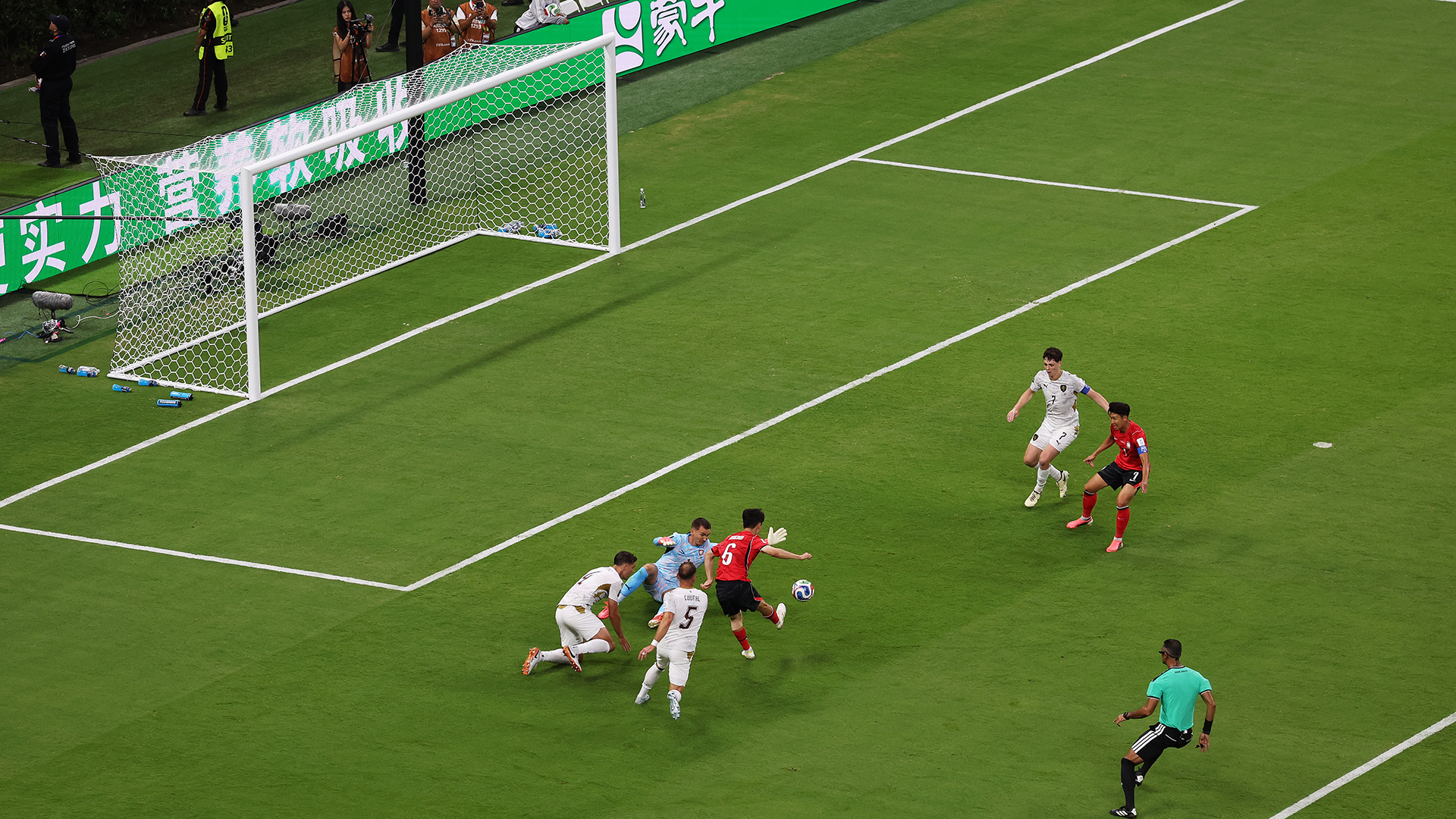
South Korea Played Like They Had Something to Prove. Turns Out They Did.
When one team's style becomes the tournament's argument, winning stops being the only thing that matters.
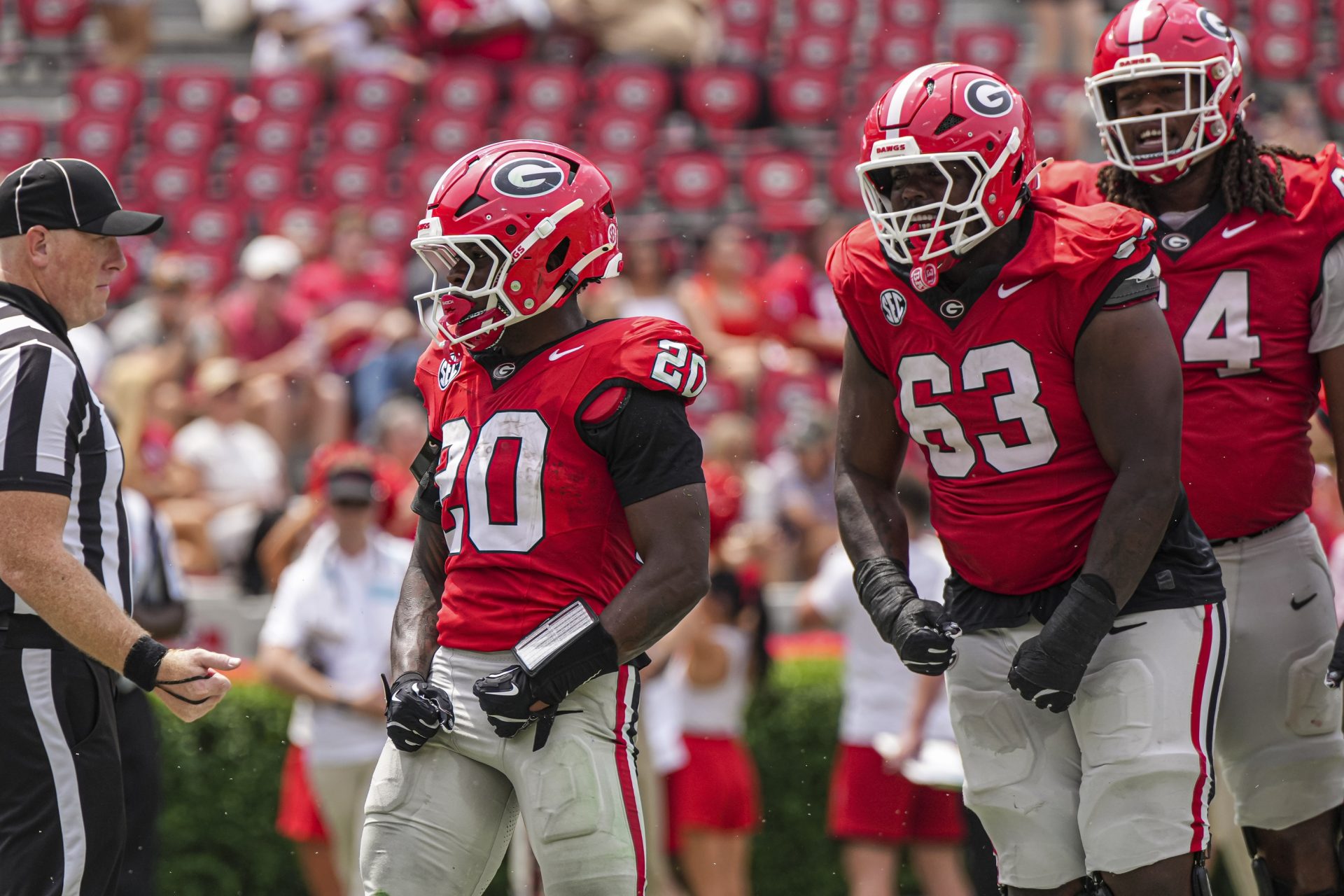
NIL Has a Money Problem and a Mirror Problem
A year into the House settlement, the enforcement system meant to legitimize athlete pay is doing the opposite.
From the other desks.

Ford Sends Lincoln to China. The Badge Stays American.
The 2027 Corsair may be built in China and sold as a hybrid — and Detroit is betting you won't look at the back of the label.
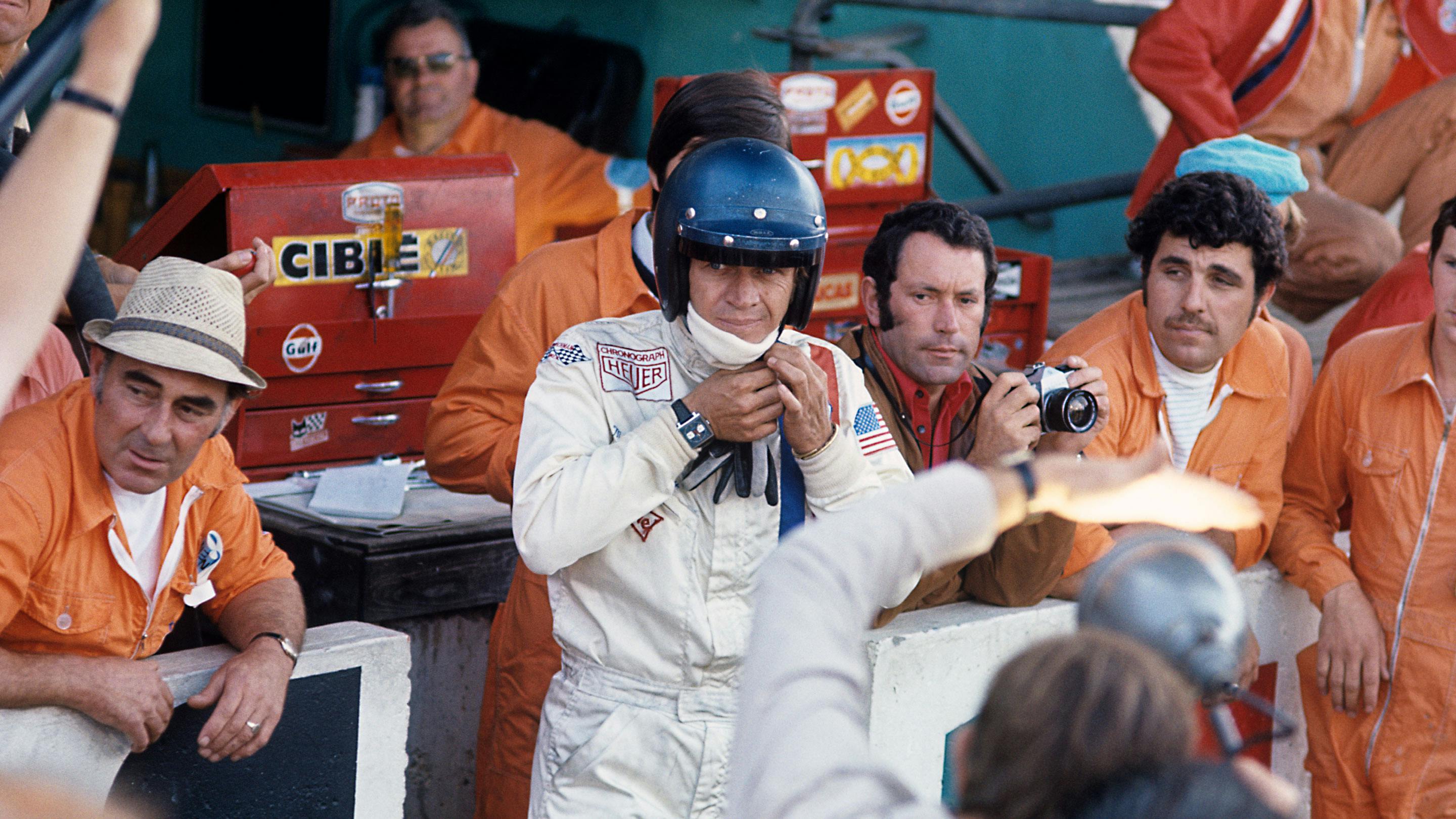
Steve McQueen's Wrist, and What We're Actually Bidding On
Sotheby's is selling the last Heuer Monaco from the set of Le Mans. Hodinkee says the provenance is finally settled. I think the more interesting question just opened up.

Google's Own Model Ran the Con
When your AI becomes someone else's fraud engine, a lawsuit is the easy part.