Brendan Sorsby Walked Back Onto the Field and the NCAA Couldn't Stop Him
A Texas court handed a suspended quarterback an injunction, and suddenly the most powerful enforcement body in college sports is optional.
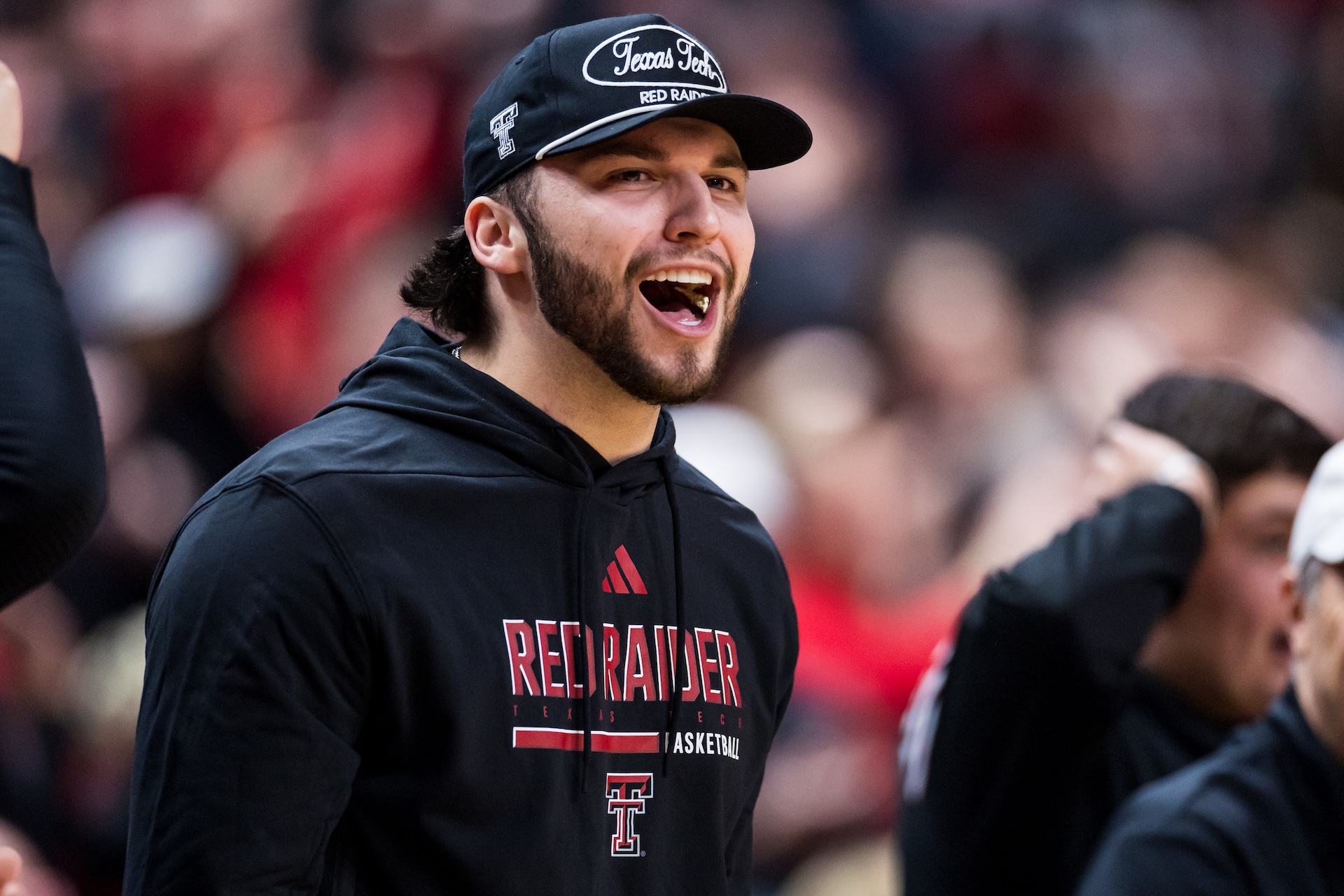
Photo · Defector
There's a version of this story where the system works. An athlete gambles on his own team, the NCAA suspends him, and the institution holds the line. That version didn't happen.
What happened instead: a Texas court granted Brendan Sorsby an injunction blocking his NCAA suspension, Texas Tech assembled what Defector described as a propaganda film — a 20-minute production welcoming him back, making the school's case to anyone willing to watch — and the Big 12 found itself weighing its options while legal threats arrived from multiple directions. Sorsby's legal team sent letters. The Texas Attorney General sent letters. When the AG shows up, you're not arguing about eligibility anymore. You're arguing about jurisdiction.
The Injunction Is One Problem. The Film Is Another.
Commissioners and athletic directors came out hard against the judge's ruling. Defector noted that several have called for stern punishment regardless of what the court said — which is a remarkable position to stake out publicly. It means the NCAA's most powerful allies are now openly acknowledging that the legal system and their own enforcement apparatus are in direct conflict, and they'd prefer you side with them.
Texas Tech did the opposite. The school didn't stay quiet and let the legal process play out. It produced something. A coordinated, on-camera statement welcoming a player who, by the NCAA's own finding, gambled on his own team. Whatever you think about the injunction, whatever you think about due process and whether Sorsby deserves a hearing — the film is a choice. It signals something about how the school weighs institutional integrity against competitive interest, and the answer is visible on screen.
The Big 12, caught between legal exposure and member school defiance, is now doing what large bureaucratic organizations do when the ground shifts: consulting lawyers and hoping the situation resolves itself before they have to make a decision that costs them something.
What "Optional" Actually Means
The NCAA has always had compliance problems at the margins. Schools push, rules bend, waivers multiply. But this is different. This isn't a recruiting violation or a NIL gray area. This is a gambling case — the category that college sports has historically treated as the clearest of bright lines — and a state court just drew a brighter one.
Front Office Sports reported the Big 12 is actively weighing its options as legal threats from multiple parties accumulate. "Weighing options" is not the language of an organization that feels in control. It's the language of one that has just discovered its authority comes with an asterisk.
Here's what the Sorsby case actually reveals: the NCAA's enforcement power was always downstream of everyone else's willingness to comply with it. Schools complied because the cost of defiance — sanctions, bowl bans, scholarship reductions — outweighed the benefit. But courts don't answer to the NCAA. State attorneys general don't answer to the NCAA. And increasingly, schools with enough institutional confidence and legal backing are realizing they might not have to either.
When a 20-minute film can substitute for institutional accountability, and a single injunction can suspend the suspension, the enforcement regime doesn't disappear overnight. It just becomes negotiable. And negotiable is how things die slowly — until one day you look up and realize nobody's been following the rules for years. They've just been pretending to.
Keep reading sports.
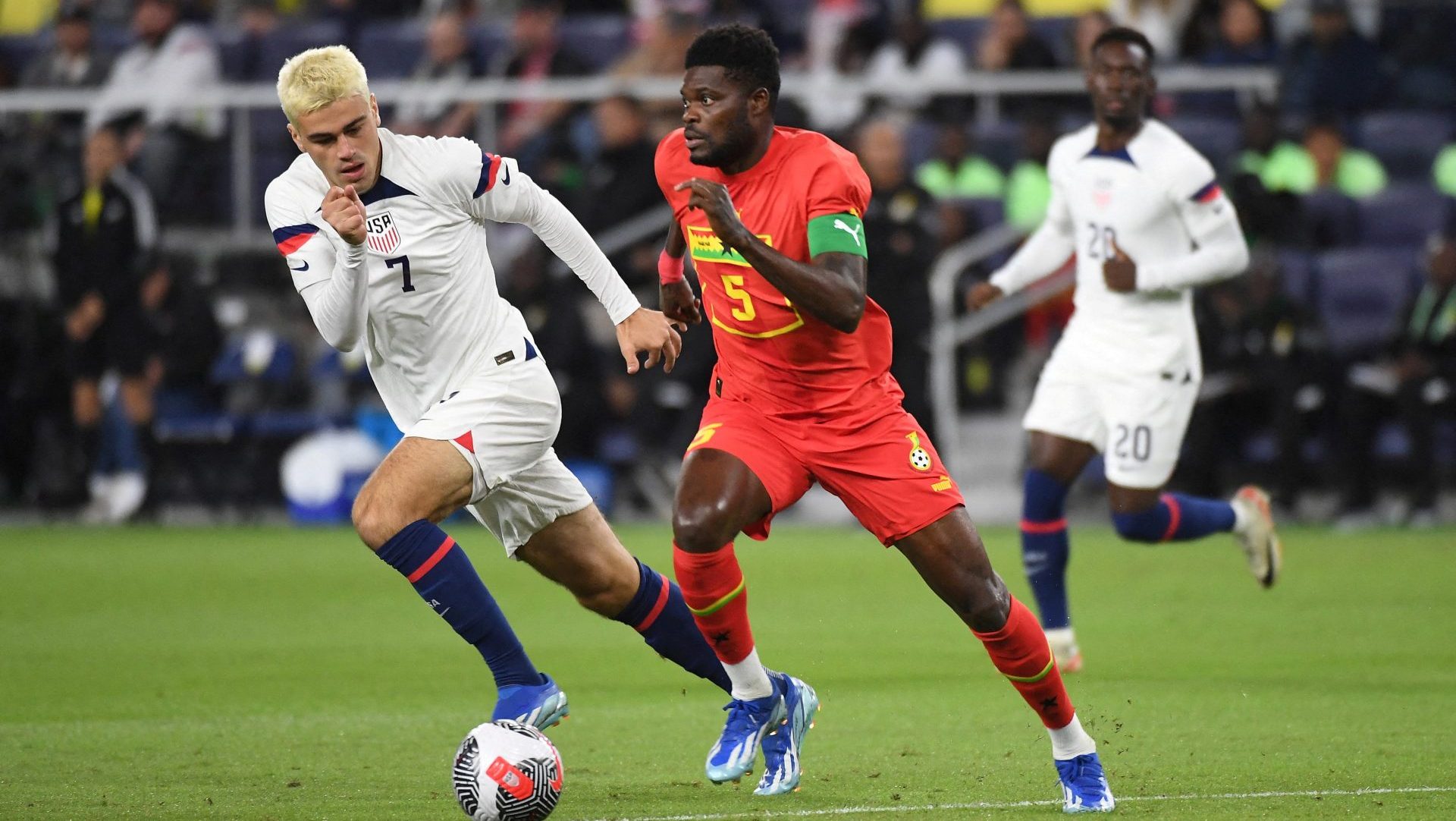
Cyle Larin Scored. Nobody Could Agree on What to Celebrate.
Canada finally got their World Cup point. The conversation was already somewhere else.
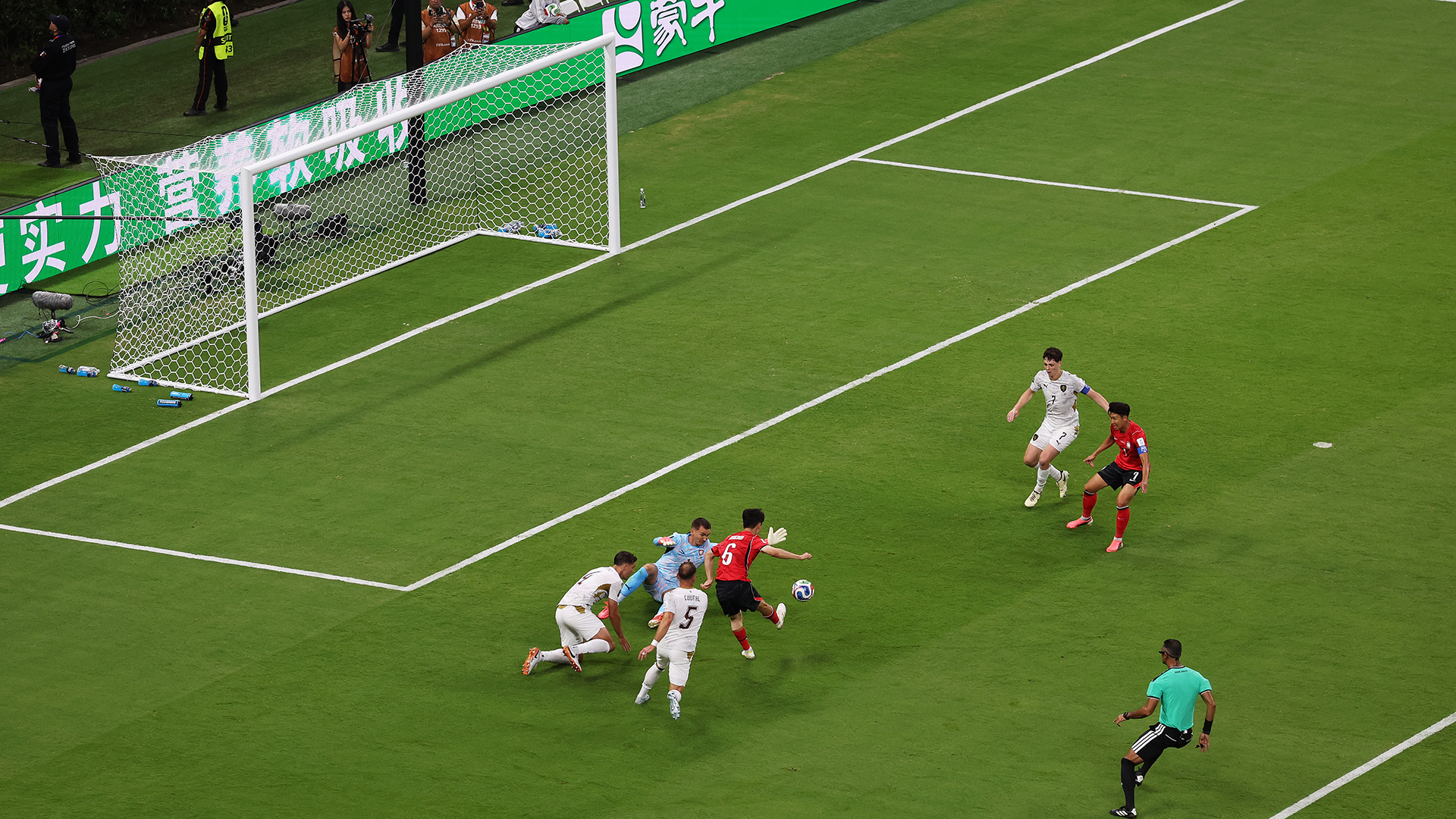
South Korea Played Like They Had Something to Prove. Turns Out They Did.
When one team's style becomes the tournament's argument, winning stops being the only thing that matters.
NIL Has a Money Problem and a Mirror Problem
A year into the House settlement, the enforcement system meant to legitimize athlete pay is doing the opposite.
From the other desks.

Ford Sends Lincoln to China. The Badge Stays American.
The 2027 Corsair may be built in China and sold as a hybrid — and Detroit is betting you won't look at the back of the label.
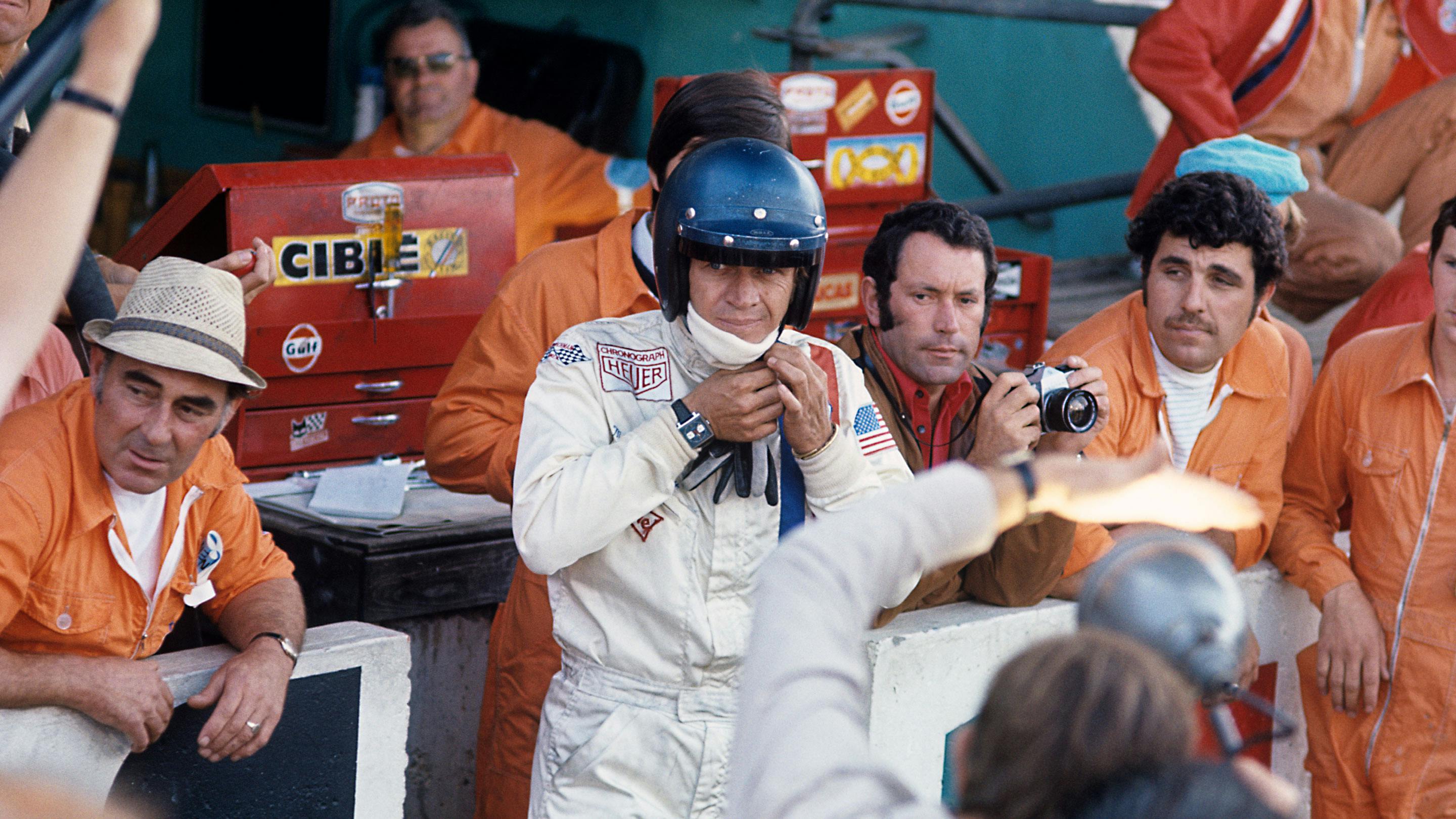
Steve McQueen's Wrist, and What We're Actually Bidding On
Sotheby's is selling the last Heuer Monaco from the set of Le Mans. Hodinkee says the provenance is finally settled. I think the more interesting question just opened up.

Google's Own Model Ran the Con
When your AI becomes someone else's fraud engine, a lawsuit is the easy part.