NIL Has a Money Problem and a Mirror Problem
A year into the House settlement, the enforcement system meant to legitimize athlete pay is doing the opposite.
Photo · Front Office Sports
There's a specific kind of institutional failure that only shows up after you've declared victory. Not the failure of collapse — the failure of follow-through. The House settlement was supposed to be the moment college athletics finally got honest with itself about money. One year later, a writer at Front Office Sports has looked at what the enforcement architecture actually looks like, and the picture isn't encouraging: long wait-times, unresolved rules disputes, and a new lawsuit already in the mix.
That's not a rough patch. That's a system that doesn't yet know what it is.
The Gap Between the Agreement and the Infrastructure
The settlement created something real — a legal framework that acknowledged schools could share revenue with athletes. That was genuinely significant. What it didn't create, apparently, was a functioning apparatus to police how that framework gets used. The piece describes enforcement as muddled, which is a polite word for a situation where the rules exist but nobody's quite sure who applies them, how fast, or with what authority.
This matters beyond the bureaucratic inconvenience of it. When enforcement is slow and contested, the schools with the most resources and the least patience for process find workarounds. The schools with less find themselves at a disadvantage that compounds. NIL was supposed to help athletes. Broken enforcement helps programs — the ones already winning.
A new lawsuit entering the picture this early is particularly telling. Lawsuits at this stage don't usually mean the system is being stress-tested. They mean the foundational agreements weren't as settled as the name implied.
What It Reveals About the Moment
The reason a piece like this lands with weight right now is that the college sports industry spent years insisting it had a philosophical problem — athletes weren't being paid, the amateurism fiction was the obstacle, fix that and the system stabilizes. That was the story. House looked like the resolution.
But the story was never purely philosophical. It was operational. You can change the rule and still have a broken league if the people administering it can't agree on what the rule means, can't process disputes in time to matter, and keep generating litigation that re-opens what was supposedly closed.
What Front Office Sports is really documenting isn't just NIL's enforcement headaches. It's the gap between reform as announcement and reform as function. College athletics has been very good at the former for a long time. The latter requires different skills — slower, less glamorous, less amenable to a press release — and there's no obvious evidence those skills exist in the current structure.
Athletes are getting paid. That's progress, and it's real. But if the system that governs that payment is slow, disputed, and already being challenged in court, then what's been built isn't a foundation. It's a first draft with a deadline problem.
The credibility of athlete compensation now depends on whether the infrastructure catches up to the ambition — and right now, it's running a year behind and losing ground.
Keep reading sports.
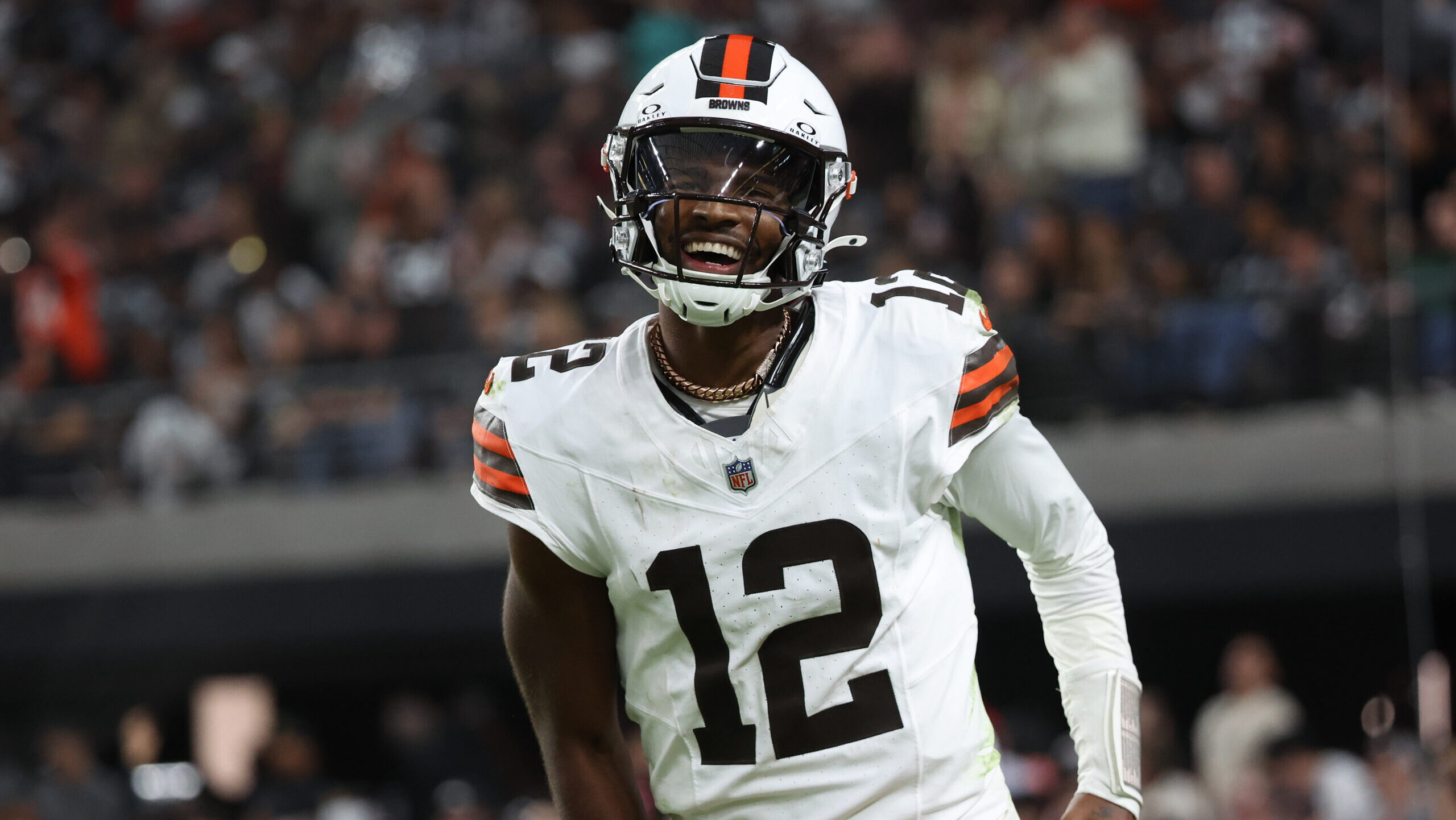
Shedeur Sanders Moved $17.7 Million in Merch. The Browns Took Him in the Fifth Round.
A licensing record that belonged to Tom Brady now belongs to a rookie who fell off draft boards — and that gap says everything about who actually controls the market.
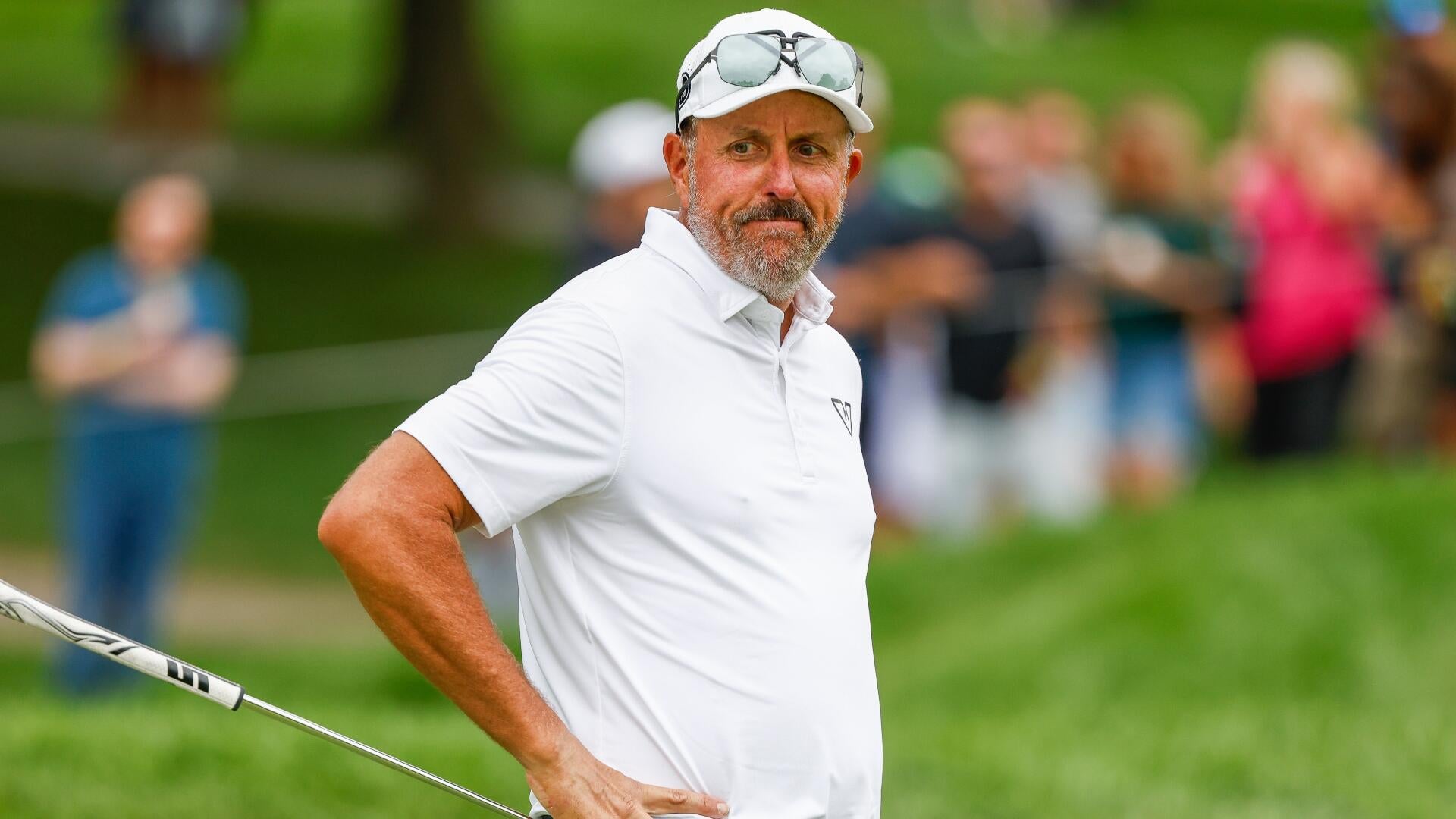
Phil Mickelson Lost His Club. Golf Lost Its Excuse.
A sheriff's investigation and a revoked membership later, the sport's culture of looking away has nowhere left to look.

Forty-Eight Teams, Three Countries, and Nobody's Sure Who This Is For
The biggest sporting event on Earth arrived in North America draped in noise — and the silence underneath it was the loudest thing in the room.
From the other desks.

Solid-State Batteries Just Left the Lab. They're Running on American Roads in a Charger.
Factorial's experimental cells have moved from controlled environments to public tarmac — and the question is no longer whether this technology works.

OG Anunoby Owns the Biggest Moment of the Finals. His Shoes Cost Less Than Your Dinner.
When a Skechers deal produces the most talked-about play of the postseason, the endorsement pyramid doesn't just wobble — it asks a genuine question.

Gulf Sovereigns, Chinese Satellites, and the Price of Looking Up
SpaceX went public at a record valuation. The people who wrote the biggest checks aren't dreaming about Mars.