Shedeur Sanders Moved $17.7 Million in Merch. The Browns Took Him in the Fifth Round.
A licensing record that belonged to Tom Brady now belongs to a rookie who fell off draft boards — and that gap says everything about who actually controls the market.
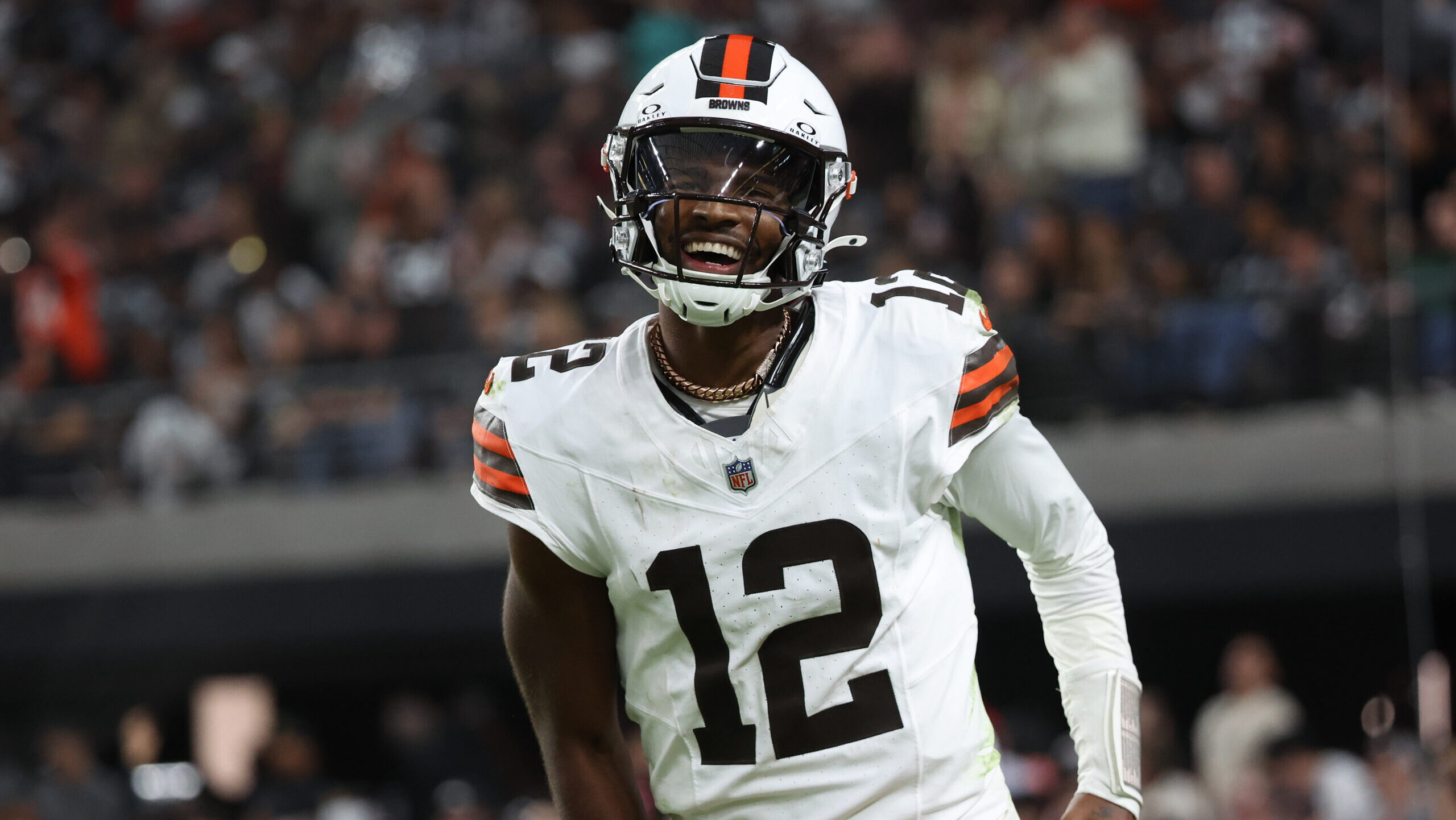
Photo · Boardroom
A writer at Boardroom has staked out a position worth sitting with: Shedeur Sanders, before taking a single NFL snap, broke Tom Brady's NFLPA licensing record. Seventeen point seven million dollars in group marketing revenue. A fifth-round pick.
Let that friction do its work.
Two Markets, Zero Agreement
The NFL draft is a closed system operated by people with spreadsheets and stop-watches and a century of institutional reasoning. It produces verdicts. Round one means something. Round five means something else — historically, it means a long-shot, a developmental project, a guy who might make the practice squad if everything breaks right.
The licensing market is not a closed system. It's pure signal. Fans buy what they want. Jerseys, trading cards, whatever the NFLPA licensing apparatus puts in front of them. There's no committee deciding who deserves demand. The number just comes back, and this time it came back at $17.7 million — a figure that apparently eclipses what Brady ever generated in the same category as a rookie.
These two systems looked at the same player and produced completely different answers.
That's not a coincidence. That's a structural argument.
What Boardroom Is Actually Saying
The piece frames this as a record broken, a milestone crossed. And it is. But the more interesting thing isn't the number itself — it's that Boardroom found it worth publishing at all. The implicit claim underneath the headline is that draft position and market demand have become untethered, and that the untethering is significant enough to document.
They're right. And the reason it's significant is that one of those systems has consequences and the other one, increasingly, has money.
Sanders didn't fall to the fifth round because nobody knew who he was. That's not how this worked. He fell because NFL front offices made evaluations — some analytical, some political, some probably wrong — and those evaluations landed where they landed. Meanwhile, the people who buy merchandise were operating on a different set of criteria entirely: visibility, story, cultural weight, the particular gravity that comes with being Deion Sanders' son and having played his college career in full public view.
Fan markets have always tracked something adjacent to draft boards. What's changed is the scale of the divergence, and the fact that the licensing number is now large enough to make the divergence undeniable.
The Uncomfortable Arithmetic
Brady's record was always going to fall eventually — records do. But Brady. The shorthand for sustained excellence, for draft position vindicated over decades, for everything the league wants to believe about its own ability to identify talent. The fact that his licensing benchmark fell to a fifth-rounder before that fifth-rounder has played a meaningful regular season game is either a story about Sanders' extraordinary cultural reach or a story about how little the draft's judgment correlates with what fans actually want.
Probably both.
Front offices will tell you the draft is about winning football games, not selling jerseys. Fair. But the gap between those two objectives is getting harder to dismiss as irrelevant, especially when the player on the wrong side of the draft board is generating the kind of market demand that makes ownership groups pay attention in other rooms.
Shedeur Sanders didn't just break a record. He made the draft look like it was working from outdated information — and seventeen million dollars is a hard thing to argue with.
Keep reading sports.
NIL Has a Money Problem and a Mirror Problem
A year into the House settlement, the enforcement system meant to legitimize athlete pay is doing the opposite.
Phil Mickelson Lost His Club. Golf Lost Its Excuse.
A sheriff's investigation and a revoked membership later, the sport's culture of looking away has nowhere left to look.

Forty-Eight Teams, Three Countries, and Nobody's Sure Who This Is For
The biggest sporting event on Earth arrived in North America draped in noise — and the silence underneath it was the loudest thing in the room.
From the other desks.
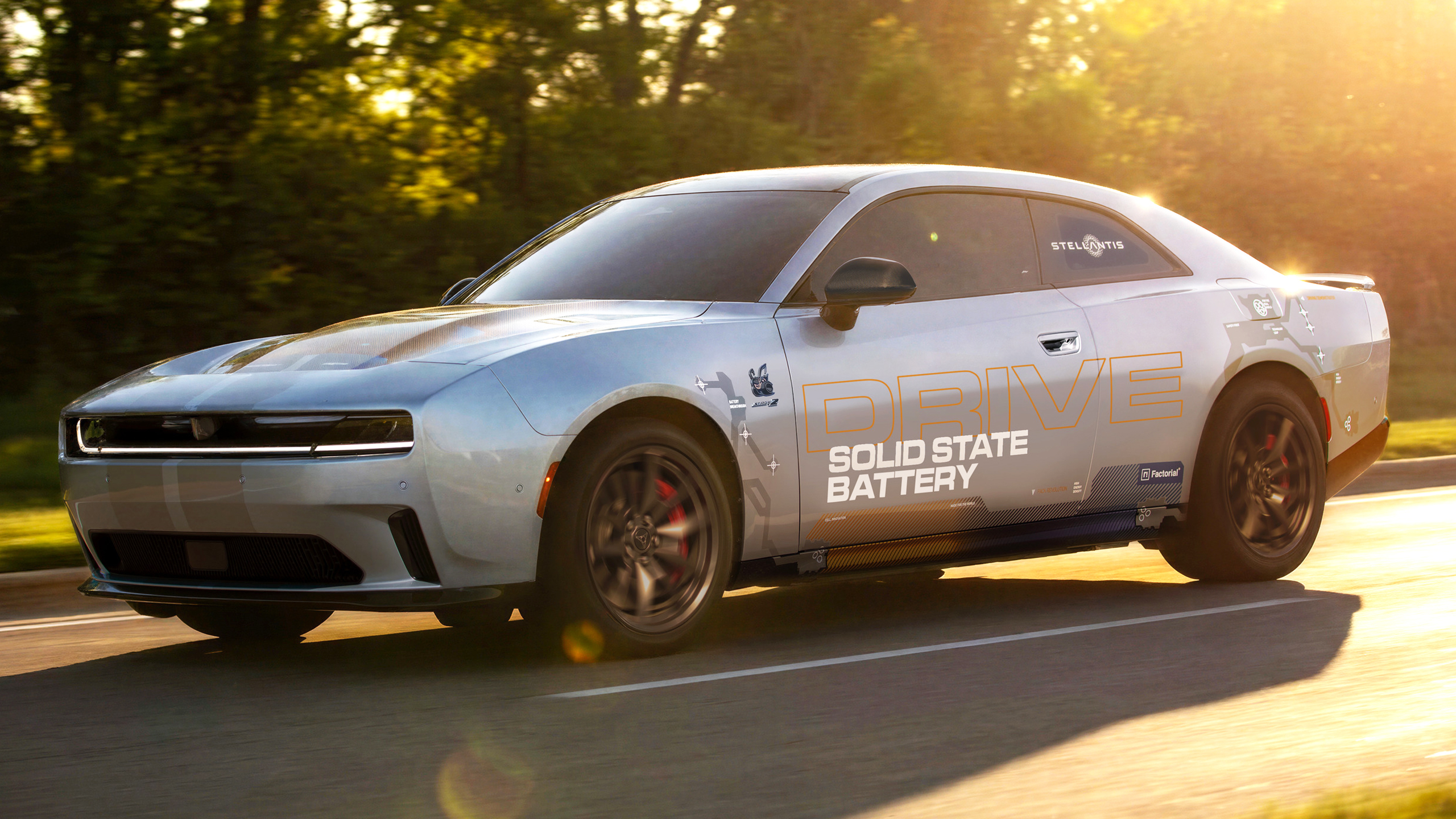
Solid-State Batteries Just Left the Lab. They're Running on American Roads in a Charger.
Factorial's experimental cells have moved from controlled environments to public tarmac — and the question is no longer whether this technology works.

OG Anunoby Owns the Biggest Moment of the Finals. His Shoes Cost Less Than Your Dinner.
When a Skechers deal produces the most talked-about play of the postseason, the endorsement pyramid doesn't just wobble — it asks a genuine question.

Gulf Sovereigns, Chinese Satellites, and the Price of Looking Up
SpaceX went public at a record valuation. The people who wrote the biggest checks aren't dreaming about Mars.