Solid-State Batteries Just Left the Lab. They're Running on American Roads in a Charger.
Factorial's experimental cells have moved from controlled environments to public tarmac — and the question is no longer whether this technology works.
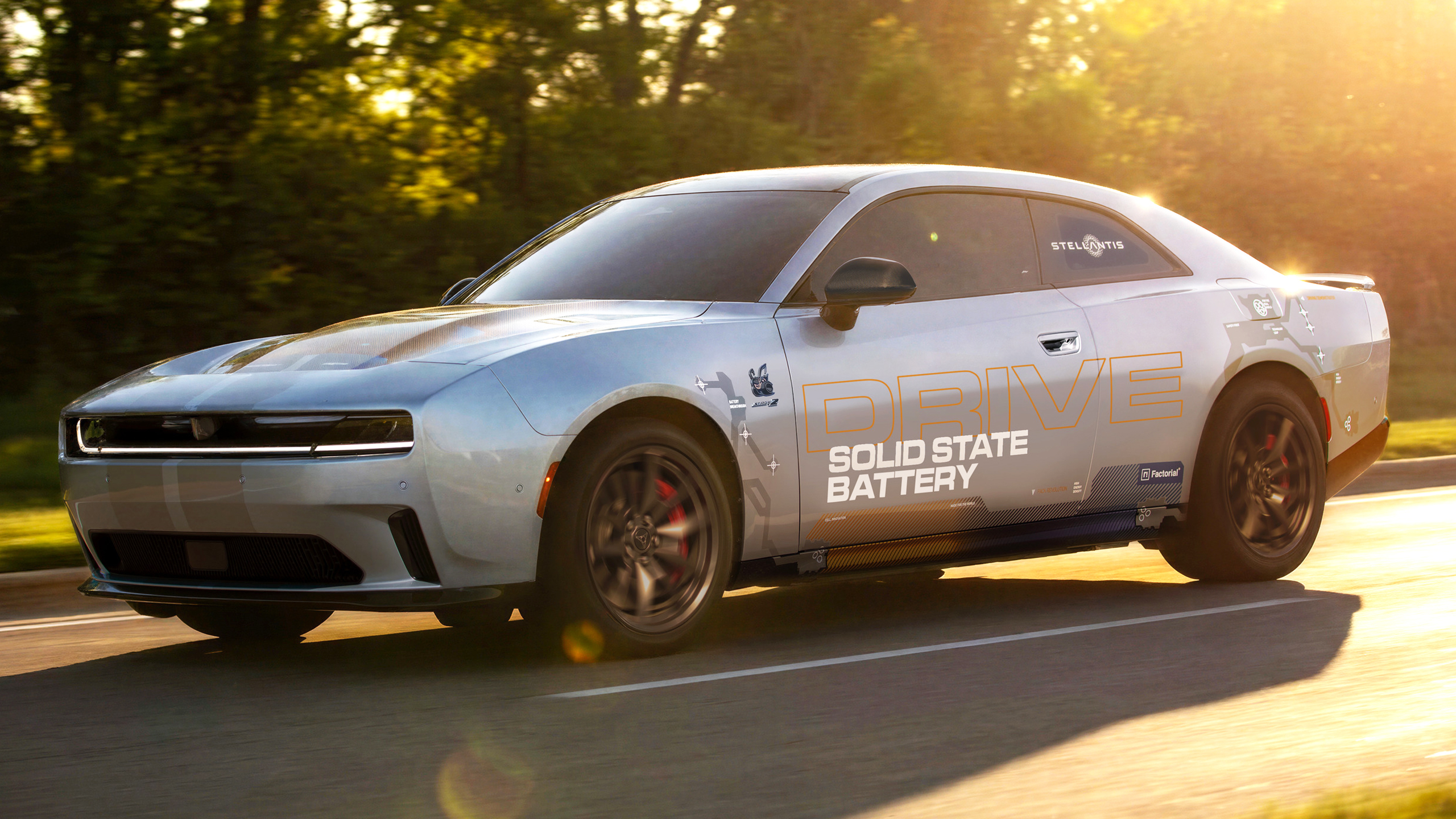
Photo · Carscoops
There's a specific kind of credibility that only comes from asphalt.
You can publish all the white papers you want. You can announce partnerships, show renderings, hold press conferences. None of it means what a prototype driving on public roads means. And right now, a Dodge Charger EV is doing exactly that — carrying Factorial Energy's semi-solid-state battery cells through real-world conditions in North America, the first time this technology has been tested on public roads on this continent.
That's not a small thing. That's the story shifting tense.
From Promise to Prototype
For years, solid-state batteries occupied the same rhetorical space as fusion power — always ten years away, always just past the next funding round. The chemistry was compelling: better energy density, faster charging, lower costs in theory, without the liquid electrolyte that makes conventional lithium-ion cells thermally volatile. But labs are controlled environments. Roads are not.
What Stellantis and Factorial have done is move the experiment outside. The Charger EV prototype isn't a consumer vehicle — sources are clear that you cannot buy this, and none of the coverage pretends otherwise. It's a test mule, a rolling laboratory. But it's a rolling laboratory on public tarmac, and that distinction carries weight. Electrek noted this marks a genuine first for North America. Autoweek framed it as the transition from lab to public roads. The consensus across the coverage is the same: something has changed in the timeline.
The Factorial cells involved aren't new to the conversation. Carscoops pointed out that the same technology helped carry a Mercedes past 748 miles in a separate test. That figure doesn't transfer directly to the Charger — these are prototype cells under evaluation, not production specs — but it suggests the underlying chemistry has already been asked hard questions and answered them.
The Charger as Chosen Instrument
There's something worth noticing in the choice of vehicle. Stellantis didn't put this battery in an anonymous white-box test car. They put it in a Charger Daytona — a nameplate that carries genuine cultural freight, a car that Dodge has already committed to as the electric future of a muscle car lineage. InsideEVs described the vehicle specifically as a Charger EV transformed into a solid-state battery test bed.
That's a deliberate signal. You don't road-test experimental cells in your most symbolically loaded product unless you're trying to say something about where the product is going. The Charger is the flag. The battery is the argument underneath it.
What none of the four sources fully reckon with is the competitive frame this establishes. Stellantis is not alone in chasing solid-state. Multiple automakers have announced partnerships, timelines, and ambitions in this space. The race isn't just about getting the chemistry right — it's about getting real-world validation data first, because that data is what closes the gap between prototype and production contract. Factorial now has cells in motion. That's data accumulating in real time.
Faster charging, longer range, improved safety — those are the promises attached to this technology across the coverage. But the promise that matters most right now is simpler: it's running.
The lab phase of solid-state batteries is over. What comes next is just a matter of who gets there with a production vehicle first — and the Charger just put one company's name on the board.
Keep reading cars.
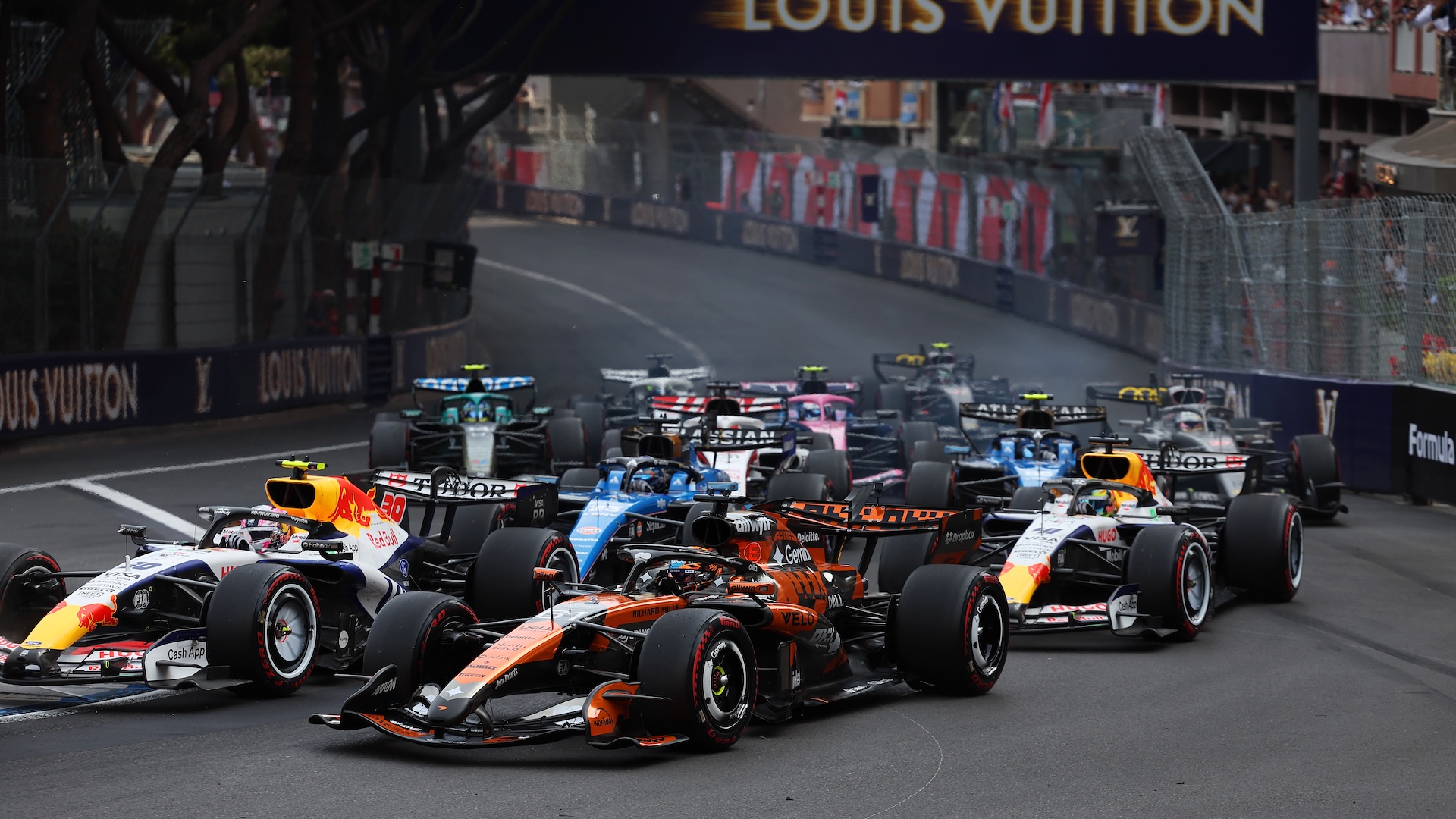
F1 Blinked on Electrification. Now Everyone's Arguing About the Timetable.
The FIA just admitted the 2026 power unit was overbalanced toward electric — and the fix is already behind schedule.
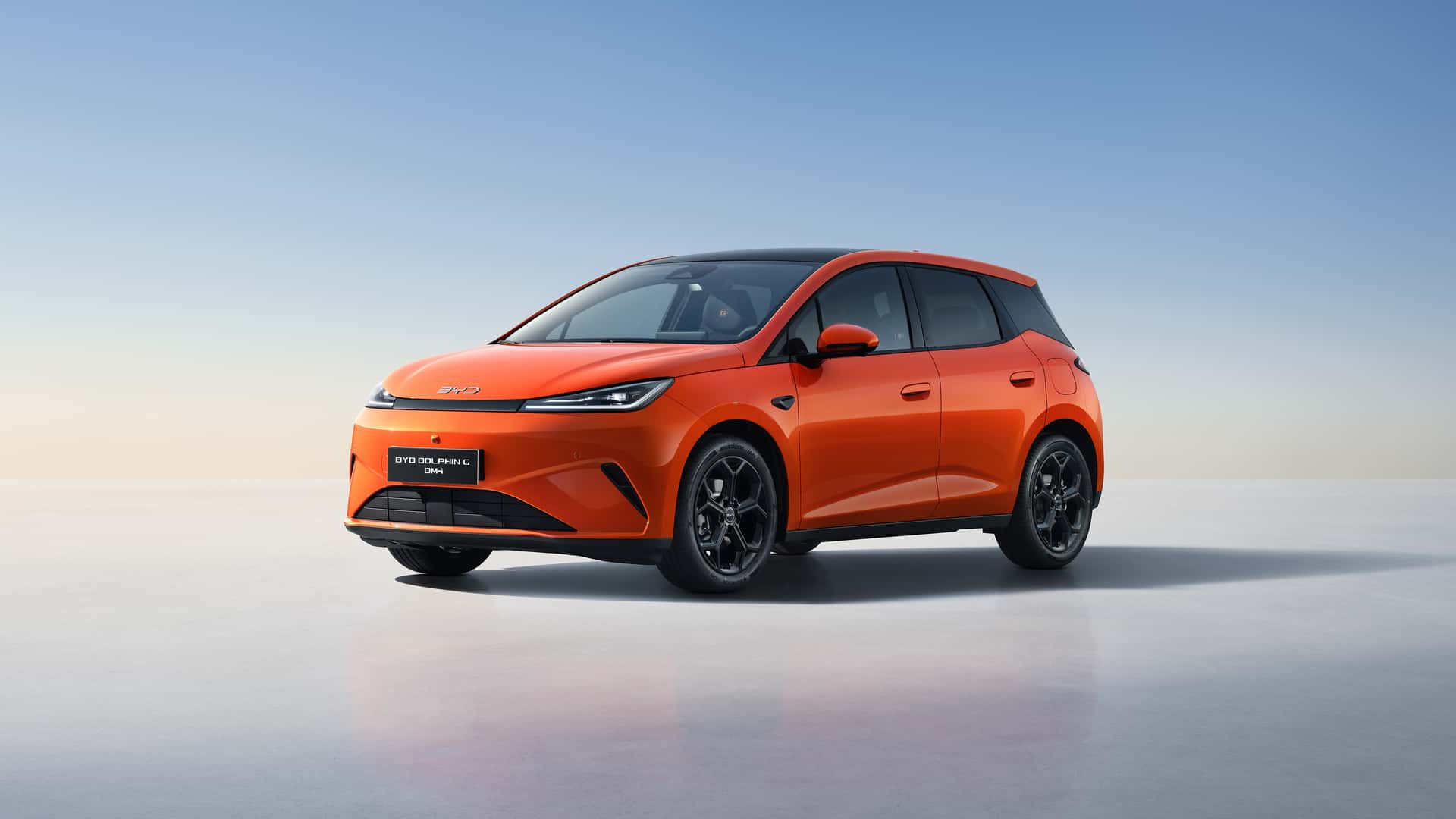
BYD Priced the Dolphin G Like a Threat, Not a Car
At under $22,000 with 65 miles of electric range, BYD's first made-for-Europe PHEV hatchback isn't asking to compete — it's asking what took so long.
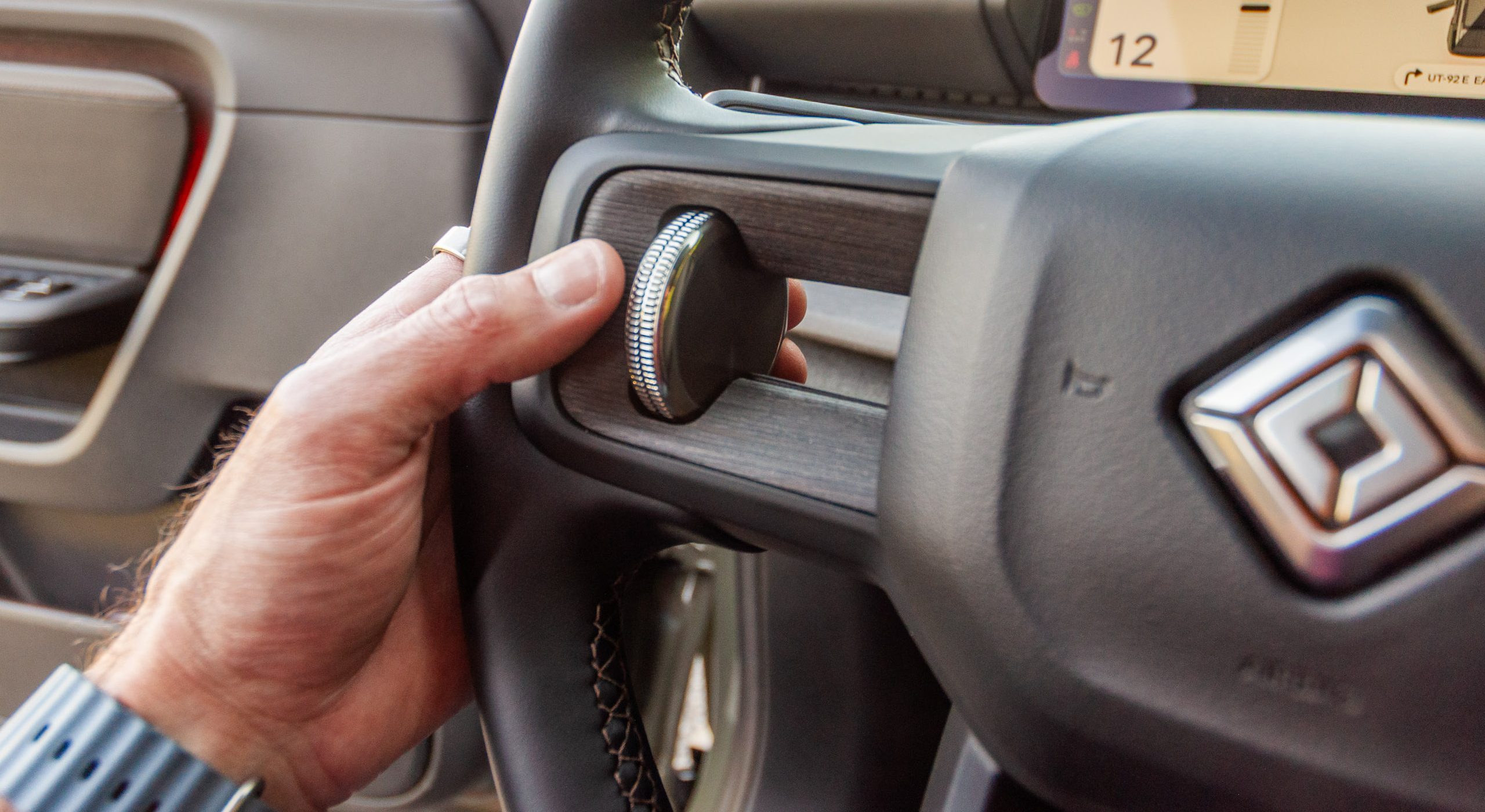
RJ Scaringe Is Fixing the Car After the Car
A $42,000 fender bender and haptic scroll wheels that aren't really mechanical — Rivian's real bet isn't on range or horsepower, it's on whether taste and accountability can outlast the hype cycle.
From the other desks.

OG Anunoby Owns the Biggest Moment of the Finals. His Shoes Cost Less Than Your Dinner.
When a Skechers deal produces the most talked-about play of the postseason, the endorsement pyramid doesn't just wobble — it asks a genuine question.
NIL Has a Money Problem and a Mirror Problem
A year into the House settlement, the enforcement system meant to legitimize athlete pay is doing the opposite.

Gulf Sovereigns, Chinese Satellites, and the Price of Looking Up
SpaceX went public at a record valuation. The people who wrote the biggest checks aren't dreaming about Mars.