F1 Blinked on Electrification. Now Everyone's Arguing About the Timetable.
The FIA just admitted the 2026 power unit was overbalanced toward electric — and the fix is already behind schedule.
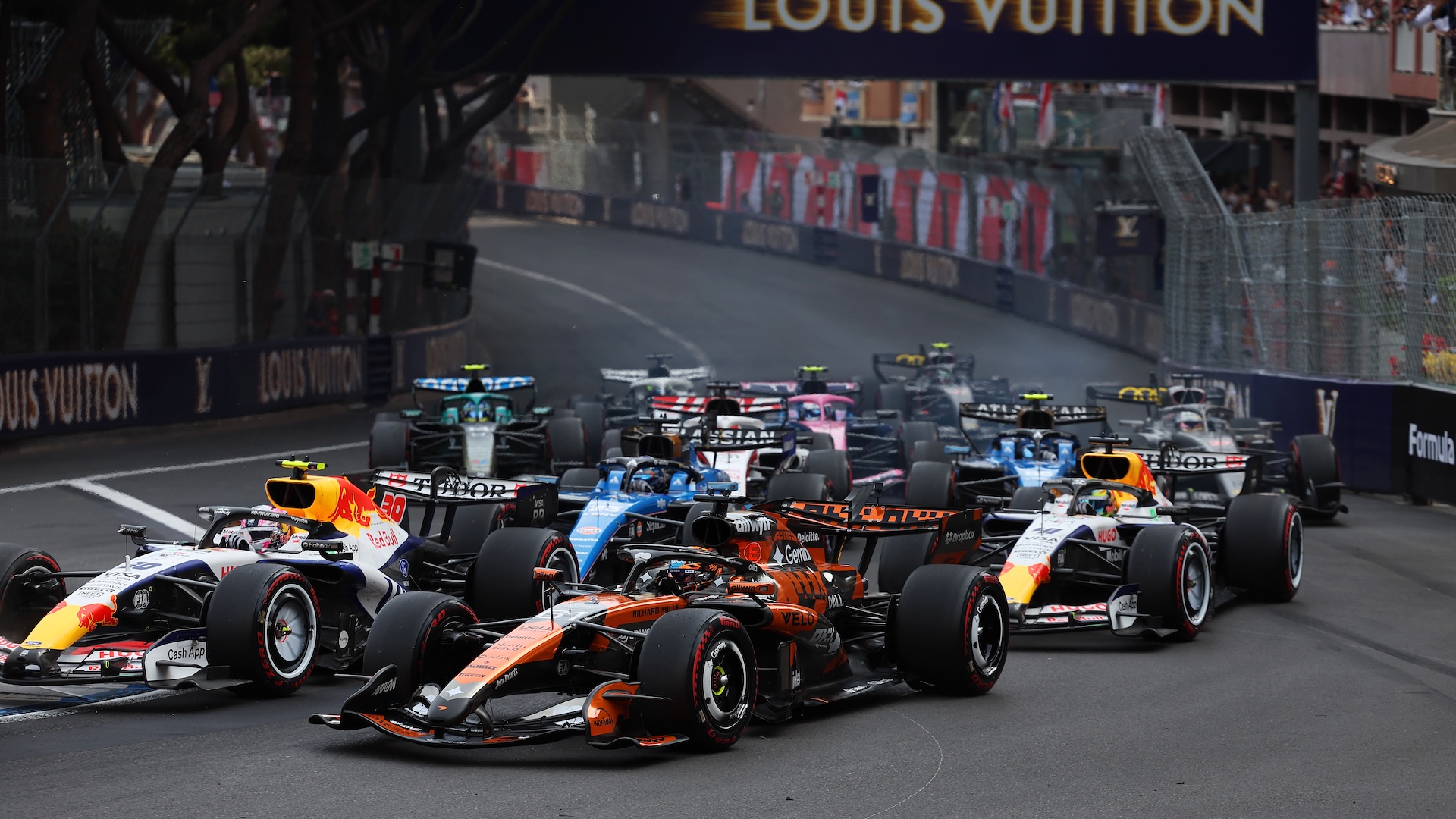
Photo · The Drive
The Admission Nobody Wanted to Make
Somewhere between the press releases and the technical directives, Formula 1 quietly conceded something that its own promotional language had been fighting for years: the electric side of the 2026 power unit was too dominant, and the combustion engine — the thing that makes a racing car sound like a racing car — had been pushed too far to the margins.
The FIA, the teams, and the manufacturers have now agreed to a phased shift that rebalances power toward internal combustion, with changes rolling out across 2027 and 2028. That's not a tweak. That's a course correction. And course corrections, in a sport that plans regulatory cycles years in advance, don't happen because everything was going fine.
What's interesting isn't the change itself. It's what the change implies.
Electrification in F1 was never just engineering — it was argument. It said something about where the sport wanted to be seen standing. To walk that back, even partially, even gradually, is to admit that the argument overcame the engineering. That the story got ahead of the machine.
Red Bull, Mercedes, and a Verdict That Confuses Everyone
Meanwhile, the 2026 season has produced its own strange subplot. According to Autoweek's coverage, the FIA has assessed Red Bull as having the best engine in the current field — a conclusion Red Bull itself apparently doesn't share. That gap, between official measurement and the team's own read on their hardware, is either a fascinating data problem or a sign that the new power unit architecture is genuinely hard to evaluate from the outside. Possibly both.
Mercedes, per the same coverage, had a perfect start to 2026 despite all of this. Which means the team that built its dominance on hybrid power unit technology is, so far, thriving inside the very regulations that are now being quietly unwound. If there's irony in that, it's the kind F1 specializes in — the rule change designed to reduce one team's advantage arrives just in time to confirm it.
The Drive flagged the bigger concern, though: the rebalancing is moving in the right direction, but whether it arrives in time is a real question. The full weight of the combustion shift doesn't land until 2028. That's two more seasons of racing under a power unit philosophy that the sport has already decided to revise.
Two years is a long time to run an experiment you've already concluded was wrong.
What Gets Lost in the Timetable
Phased regulation changes are normal in F1. The sport can't just stop mid-season and swap philosophies — the manufacturers have spent hundreds of millions building to a specification, and you can't unbuild that overnight. The 2027 and 2028 adjustments are, by any practical standard, about as fast as the system can move.
But speed relative to bureaucratic process is not the same as speed relative to the problem. If the electric-heavy balance is producing racing that feels wrong — muted, managed, disconnected from what an internal combustion engine does when it's working at its limit — then two more seasons of it isn't a minor inconvenience. It's the thing people remember.
Formula 1 built its culture on sound. On mechanical violence expressed through carefully engineered components. The turbo-hybrid era was already a negotiation with that identity. The 2026 rules pushed the negotiation further. What the FIA is now signaling, through these amendments, is that they pushed too far — and that the response from the people watching, or not watching, or watching with the volume down, registered somewhere in the data.
Engineering conviction, in the end, ran into what the sport actually is.
The machine won. It just needed a few years to prove it.
Keep reading cars.
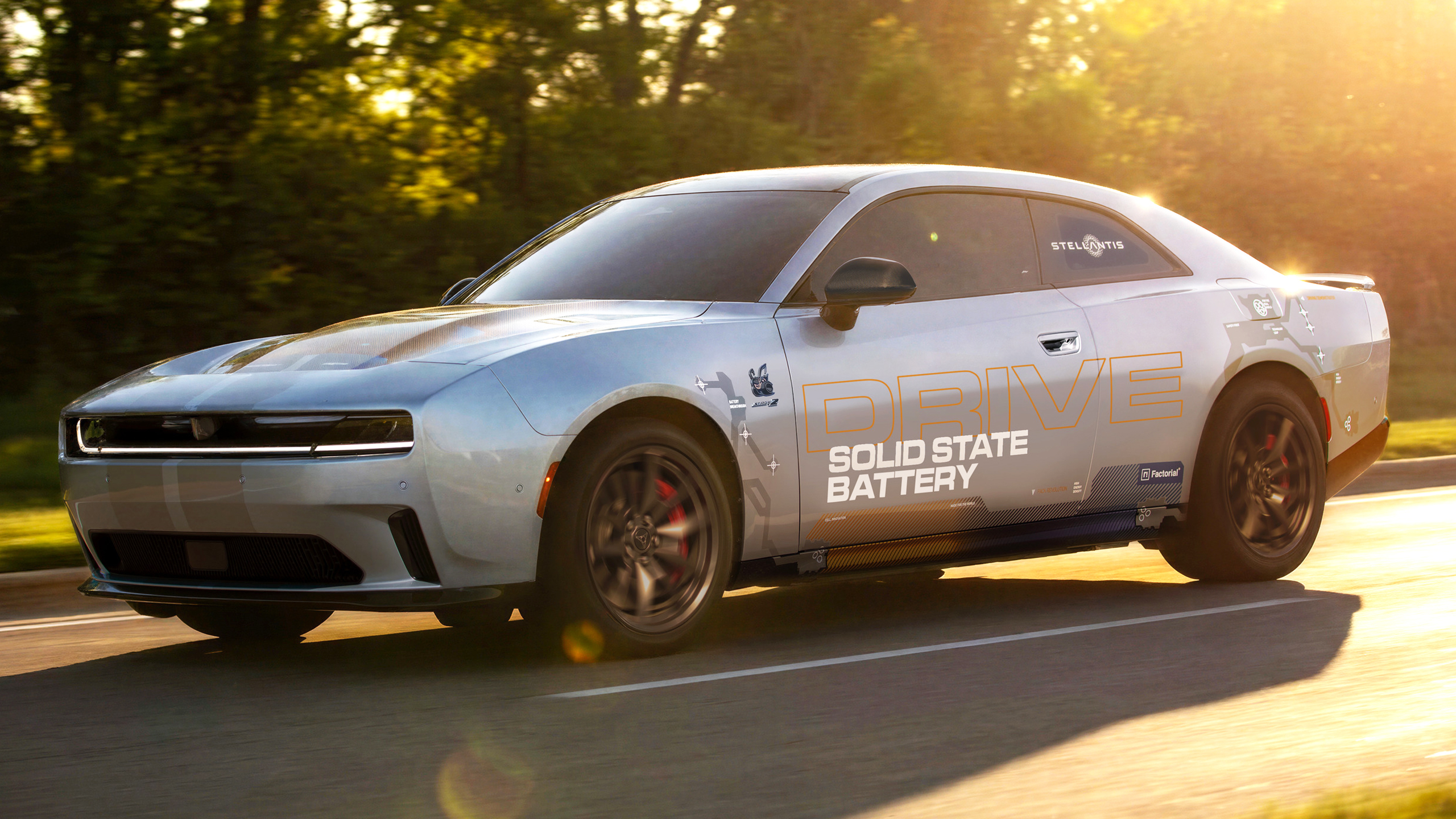
Solid-State Batteries Just Left the Lab. They're Running on American Roads in a Charger.
Factorial's experimental cells have moved from controlled environments to public tarmac — and the question is no longer whether this technology works.
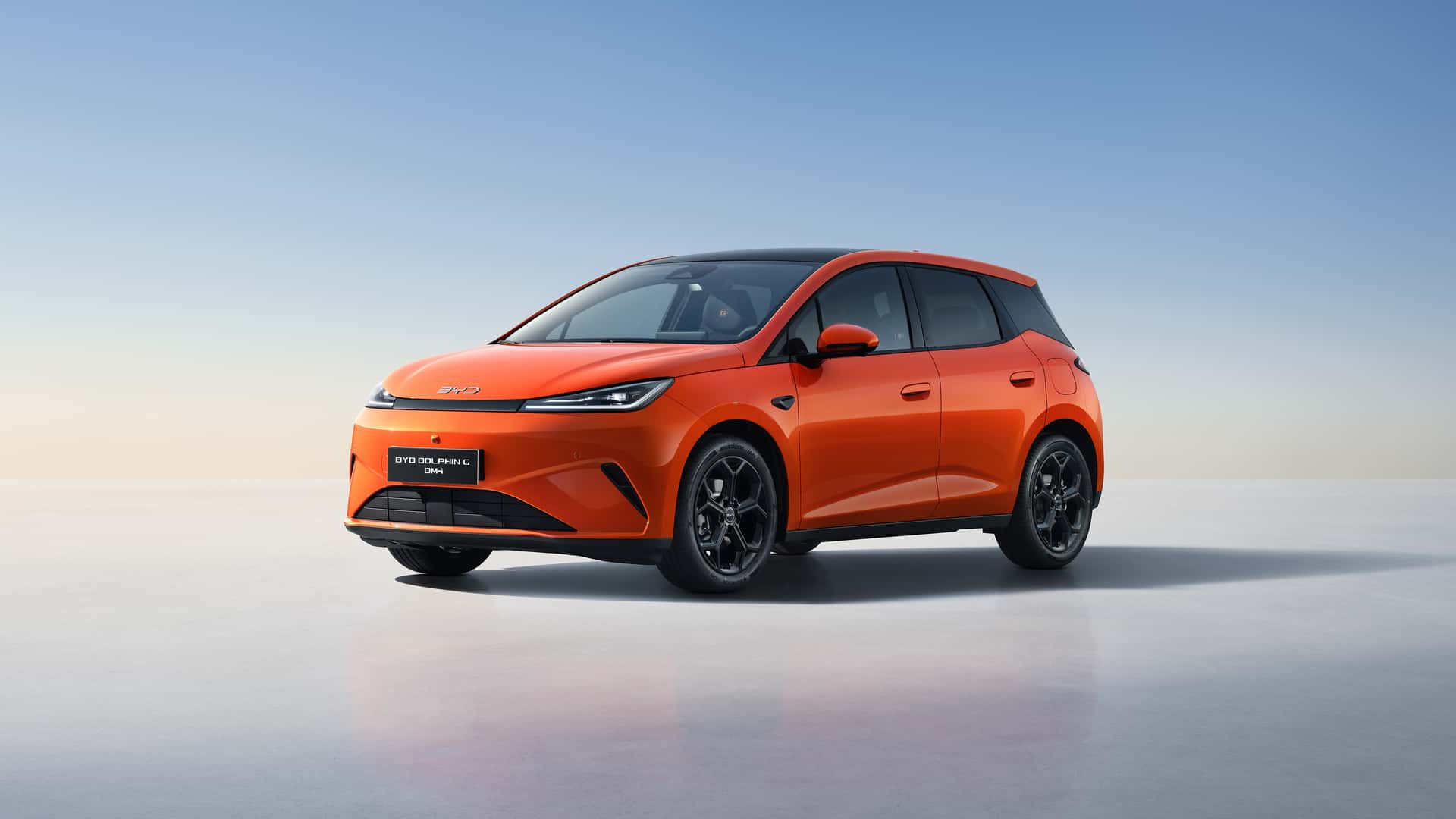
BYD Priced the Dolphin G Like a Threat, Not a Car
At under $22,000 with 65 miles of electric range, BYD's first made-for-Europe PHEV hatchback isn't asking to compete — it's asking what took so long.
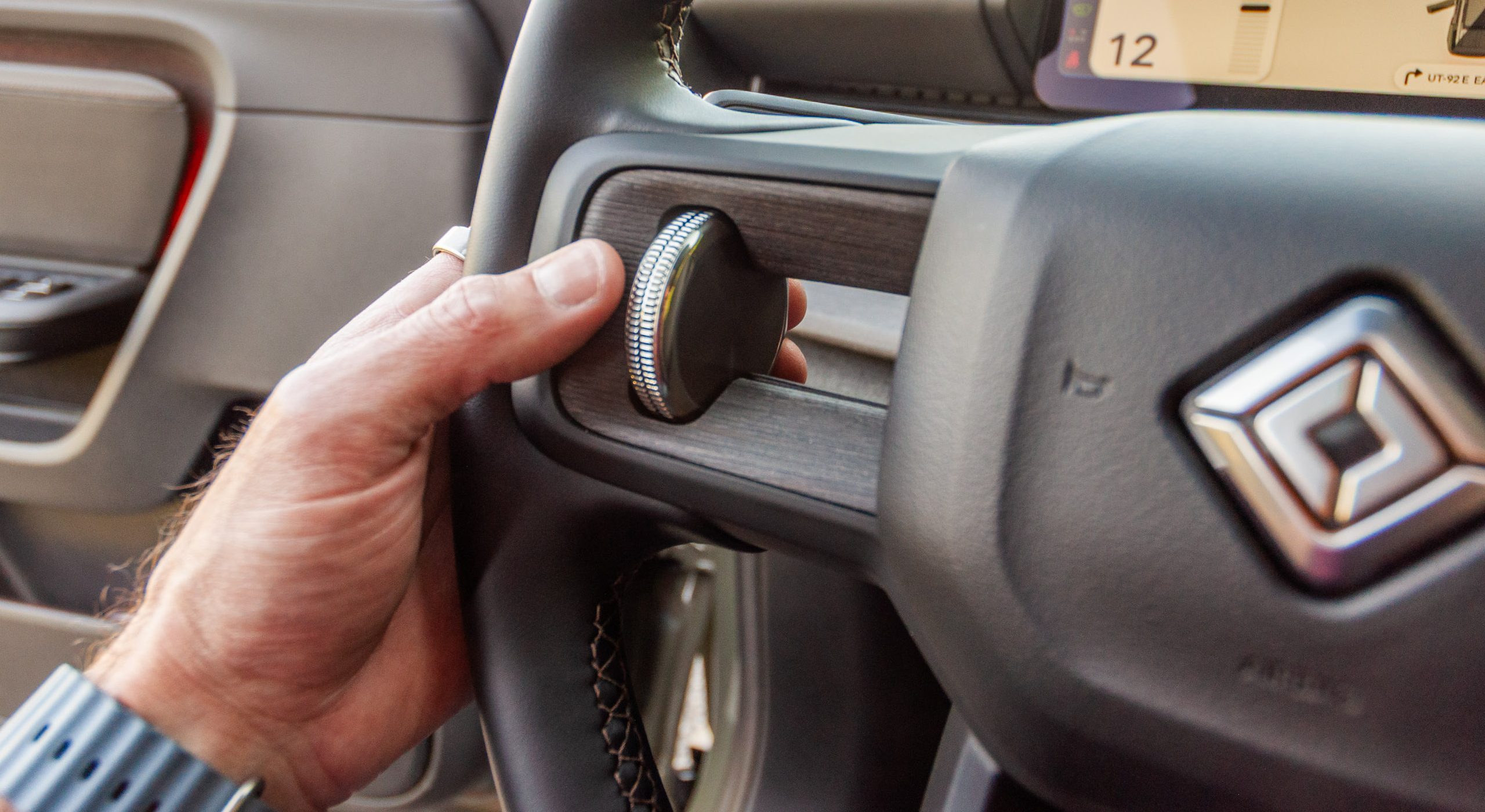
RJ Scaringe Is Fixing the Car After the Car
A $42,000 fender bender and haptic scroll wheels that aren't really mechanical — Rivian's real bet isn't on range or horsepower, it's on whether taste and accountability can outlast the hype cycle.
From the other desks.

OG Anunoby Owns the Biggest Moment of the Finals. His Shoes Cost Less Than Your Dinner.
When a Skechers deal produces the most talked-about play of the postseason, the endorsement pyramid doesn't just wobble — it asks a genuine question.

NIL Has a Money Problem and a Mirror Problem
A year into the House settlement, the enforcement system meant to legitimize athlete pay is doing the opposite.

Gulf Sovereigns, Chinese Satellites, and the Price of Looking Up
SpaceX went public at a record valuation. The people who wrote the biggest checks aren't dreaming about Mars.