BYD Priced the Dolphin G Like a Threat, Not a Car
At under $22,000 with 65 miles of electric range, BYD's first made-for-Europe PHEV hatchback isn't asking to compete — it's asking what took so long.
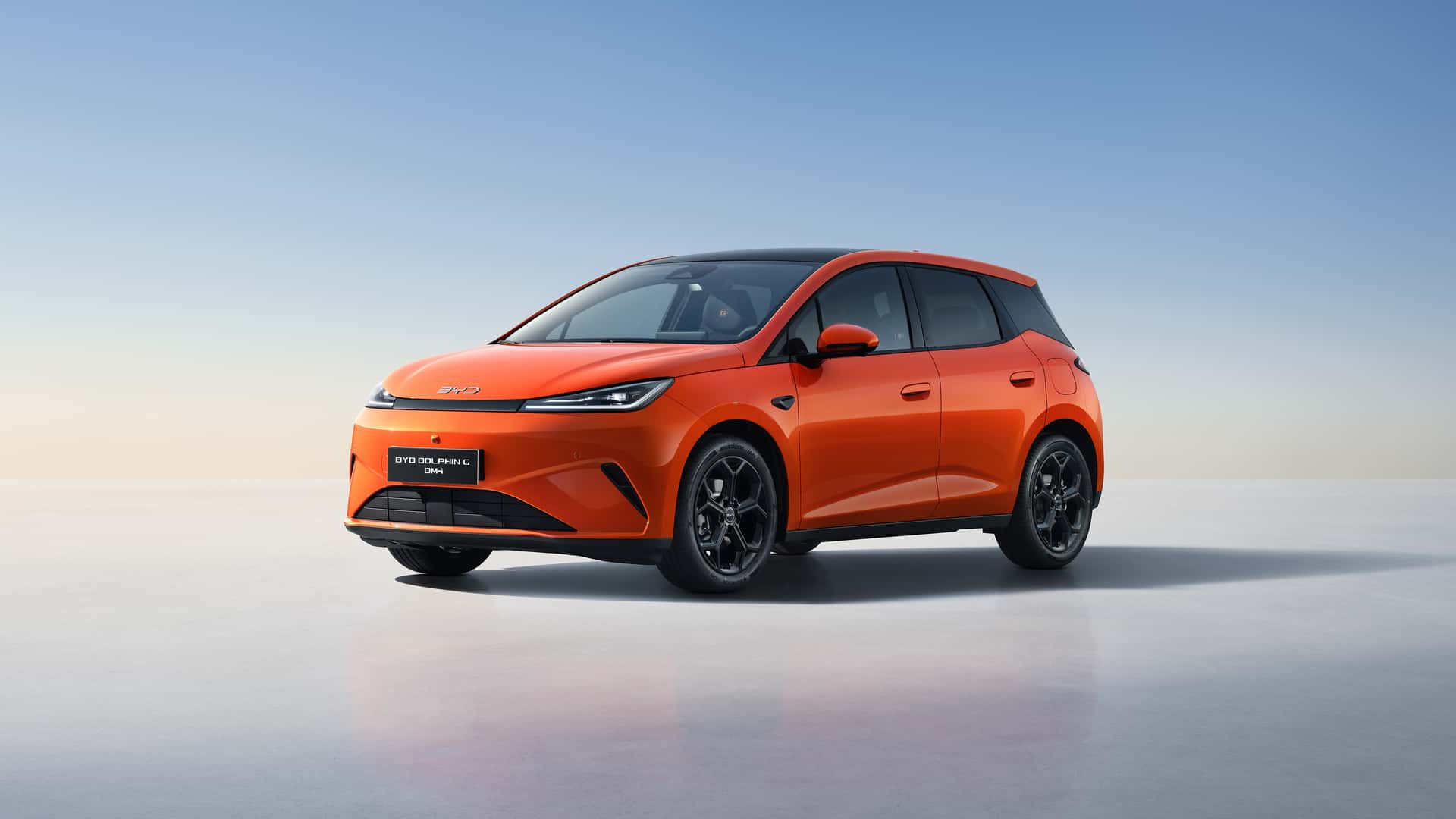
Photo · InsideEVs - Articles
The Number Does the Talking
Twenty-two thousand dollars. Full stop. That's where the BYD Dolphin G DM-i enters the European small car segment — a plug-in hybrid hatchback with up to 65 miles of pure electric range and a combined range stretching to 646 miles, according to Electrek. It's the first BYD model designed specifically for Europe, built for Europe, and it is now available to order.
Let that sit for a second. Not a stripped-out EV with range anxiety baked into the sticker. Not a mild hybrid wearing a green badge for marketing purposes. A proper plug-in, purpose-built for the continent where small hatchbacks are religion, priced like BYD is daring Renault and Toyota to respond.
Autocar framed the Dolphin G as a direct Clio and Yaris rival — and the framing is correct, even if it undersells the aggression. Because those cars don't come with 65 miles of electric range at this price. Nothing in the segment does. BYD isn't splitting a niche; it's walking into the center of the room.
What Every Source Noticed, and What They Didn't Say Out Loud
Three different outlets covered this launch. All three flagged the price. All three noted the European-specific development story. InsideEVs called it a potential catalyst for BYD's broader European ambitions. Electrek led with the range and the cost. Autocar reached for the metaphor of a weapon, which sounds dramatic until you run the numbers and realize it's accurate.
What none of them said plainly: this is a margin problem for established players, and it starts today.
The Dolphin G isn't competing on a spec sheet anomaly or a government subsidy loophole. It's competing because BYD made the deliberate choice to engineer a car for a specific market, manufacture it within that market's regulatory orbit, and price it at a level that makes the incumbent offerings look like they're charging rent on a name. When a challenger prices a product at roughly half what legacy brands charge for comparable capability, the question isn't whether buyers notice. The question is how long the legacy brands can hold the line before the math catches up with their positioning.
European automakers have been playing a slow game with electrification — incremental range improvements, modest price adjustments, a PHEV option here and there presented as generosity rather than necessity. BYD just showed up with 646 miles of combined range at under $22,000 and called it a starting point.
The Dolphin G is sensory-quiet in the way that genuinely disruptive products often are. It doesn't look like a manifesto. It looks like a hatchback you'd see in a supermarket car park in Lyon or Lisbon, parked next to a Clio, slightly more flush in its panel gaps, slightly more deliberate in its restraint. That's the point of designing for the market rather than exporting to it. Familiarity is a feature. Approachability is a feature. The price is a feature.
Western brands spent years arguing that Chinese EVs wouldn't work in Europe — wrong charging standards, wrong driving profiles, wrong taste. BYD answered by building something that fits. Now the argument shifts to quality, to residuals, to dealer networks, to brand trust — all legitimate questions, all questions that take time to resolve. Time that BYD is buying at $22,000 a unit.
The Dolphin G doesn't need to be the best car in the segment. It needs to be good enough, priced right, and available now. By every account across these three sources, it is all three.
When a car's opening move is the price, the rest of the industry doesn't get to ignore it — they get to explain themselves.
Keep reading cars.
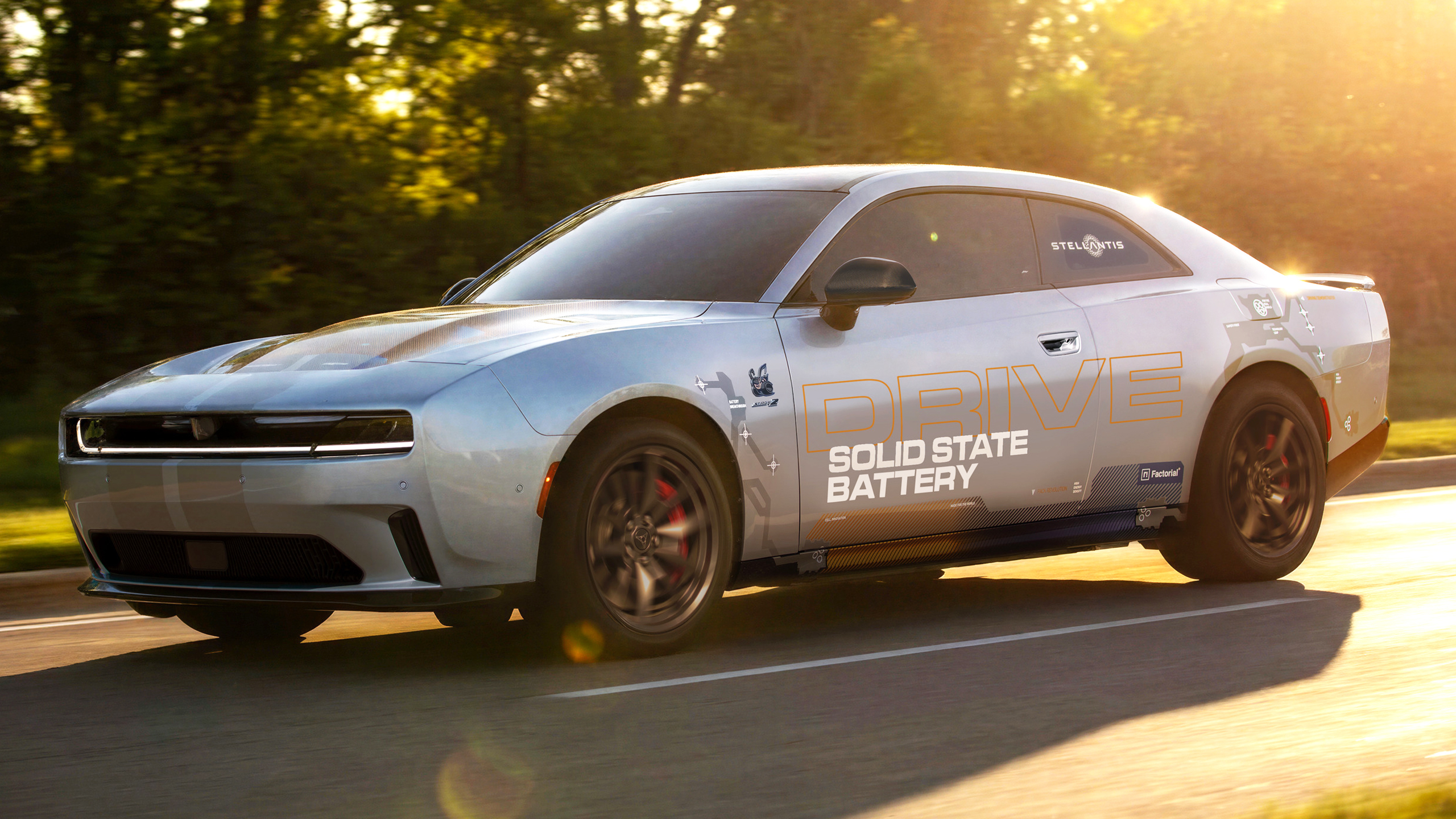
Solid-State Batteries Just Left the Lab. They're Running on American Roads in a Charger.
Factorial's experimental cells have moved from controlled environments to public tarmac — and the question is no longer whether this technology works.
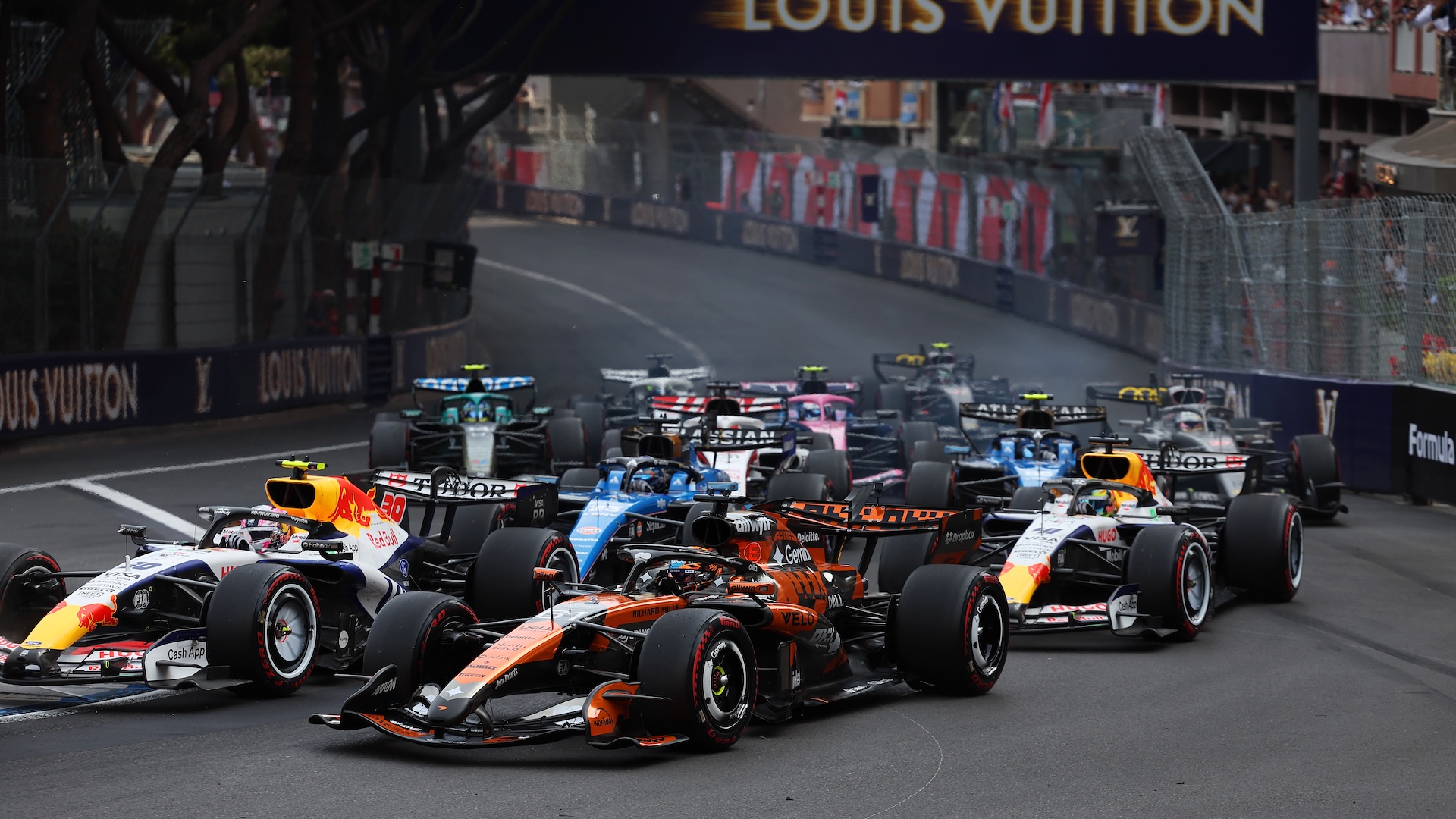
F1 Blinked on Electrification. Now Everyone's Arguing About the Timetable.
The FIA just admitted the 2026 power unit was overbalanced toward electric — and the fix is already behind schedule.
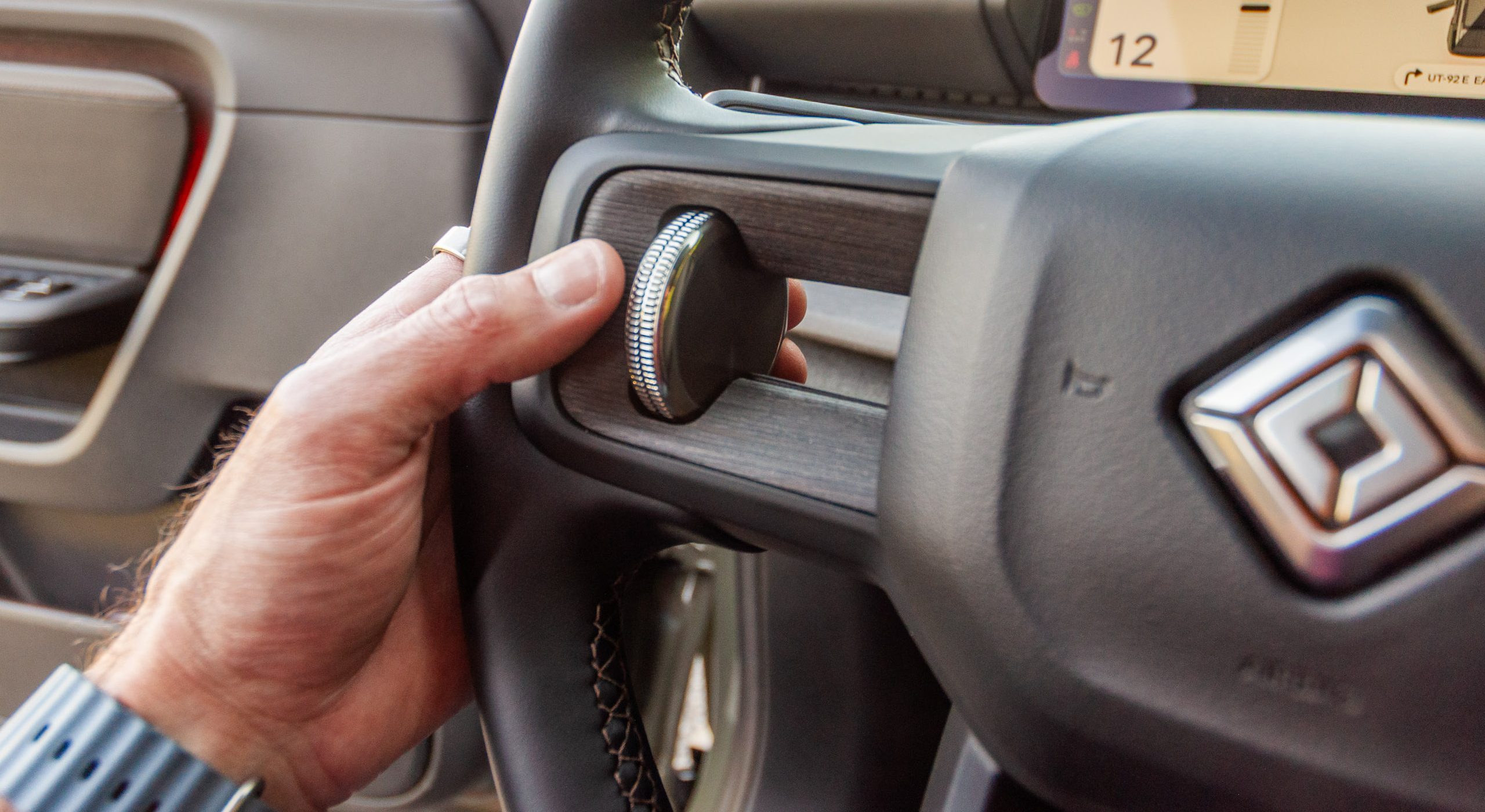
RJ Scaringe Is Fixing the Car After the Car
A $42,000 fender bender and haptic scroll wheels that aren't really mechanical — Rivian's real bet isn't on range or horsepower, it's on whether taste and accountability can outlast the hype cycle.
From the other desks.

OG Anunoby Owns the Biggest Moment of the Finals. His Shoes Cost Less Than Your Dinner.
When a Skechers deal produces the most talked-about play of the postseason, the endorsement pyramid doesn't just wobble — it asks a genuine question.

NIL Has a Money Problem and a Mirror Problem
A year into the House settlement, the enforcement system meant to legitimize athlete pay is doing the opposite.

Gulf Sovereigns, Chinese Satellites, and the Price of Looking Up
SpaceX went public at a record valuation. The people who wrote the biggest checks aren't dreaming about Mars.