Phil Mickelson Lost His Club. Golf Lost Its Excuse.
A sheriff's investigation and a revoked membership later, the sport's culture of looking away has nowhere left to look.
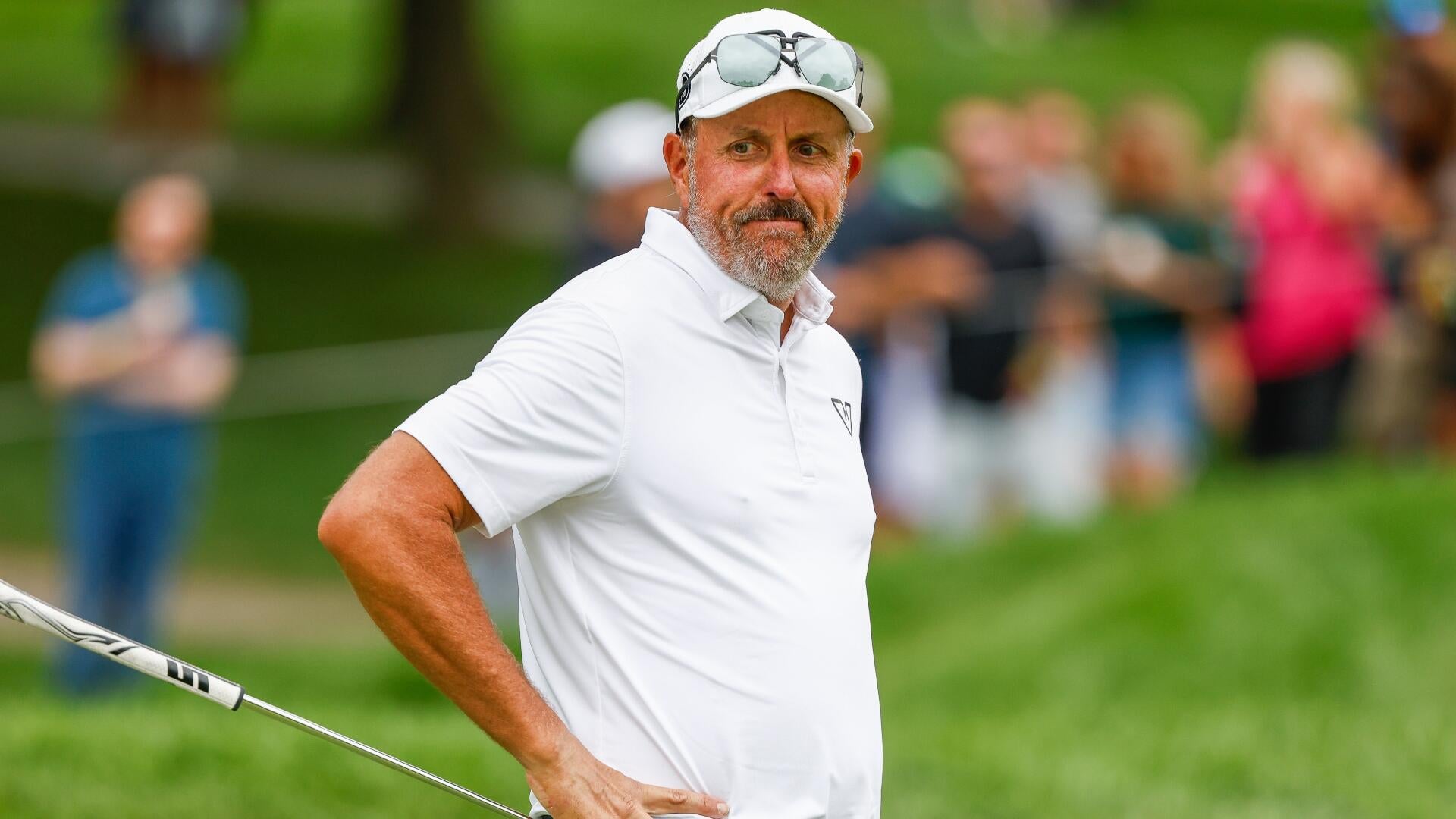
Photo · CBS Sports Headlines
There's a version of this story where a famous golfer loses access to a private club and the machinery of golf closes ranks, moves on, and nobody hears much else. That version has played out before, in this sport and others. The difference this time is that the machinery didn't close fast enough.
According to reporting across multiple outlets, Phil Mickelson — one of the most recognizable names in professional golf — is no longer welcome at a Rancho Santa Fe area club in San Diego following allegations that he made non-consensual, inappropriate contact with a female employee. The employee rejected his advances and reported the incident. The San Diego County Sheriff's Office confirmed to The California Post that it has looked into the allegations. That last part matters more than people seem to be sitting with.
When the Sheriff Shows Up
A membership revocation is a club's business. An investigation by law enforcement is everyone's business. These are not the same story wearing the same clothes, and the fact that coverage has occasionally blurred them together says something about how reflexively this sport reaches for the language of private matters when public accountability is what's actually at stake.
Golf has a specific relationship with immunity. The sport is built on access — who gets in, who vouches for whom, what happens inside the gates of places most people will never see. That structure has historically made accountability optional. Reputations get managed. Memberships get quietly shuffled. The grass gets cut and everyone tees off on schedule. It is not a coincidence that the first line of defense here was a club expulsion rather than a public reckoning. That's the institution's preferred grammar.
But Mickelson is not a peripheral figure who can be quietly moved off the board. He is, or was, one of the faces of the game — a major champion, a presence at every conversation about what golf is and who it belongs to. When someone at that level loses access over misconduct, the sport can't file it under housekeeping.
The Credibility Problem
What makes this moment genuinely different — and genuinely uncomfortable for golf as an institution — is the sequence. An employee came forward. The club acted. Law enforcement got involved. That chain didn't collapse under the weight of who the accused is. That's not nothing. In a sport where insider status has historically functioned as insulation, the fact that the process moved at all is worth acknowledging.
But acknowledgment isn't absolution, and a revoked membership isn't accountability. The Sheriff's Office investigation is ongoing or concluded — reporting hasn't confirmed which — and the question of what follows legally remains open. Golf's habit of treating institutional action as sufficient, as the full stop at the end of the sentence, is exactly the habit that got sports institutions into trouble everywhere else this conversation has already been had.
The woman who reported this did what she was supposed to do. She rejected the advance. She reported it. The club responded. What the sport does next — whether it treats this as a discrete incident involving one man or as a signal about what its culture has permitted — is the actual test.
Golf has been trying to modernize its image for years, chasing younger fans, broadening access, making noise about inclusion. None of that means anything if the sport's response to misconduct at its highest levels still defaults to the private club playbook: handle it quietly, protect the address book, keep the fairways clean.
The employee's name hasn't been widely reported. Mickelson's has been everywhere. That asymmetry is its own kind of answer about where golf's instincts still live.
Keep reading sports.
NIL Has a Money Problem and a Mirror Problem
A year into the House settlement, the enforcement system meant to legitimize athlete pay is doing the opposite.
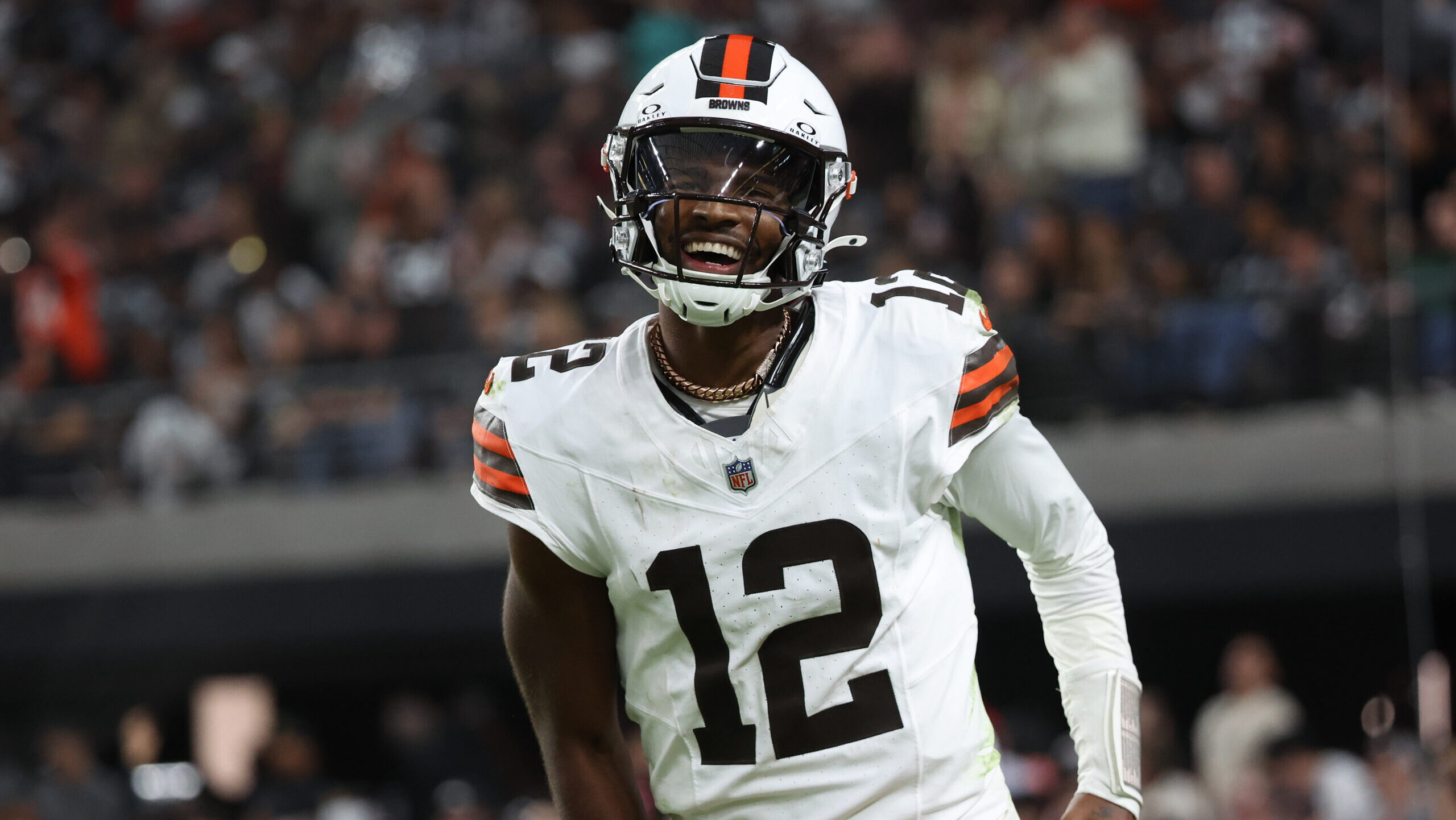
Shedeur Sanders Moved $17.7 Million in Merch. The Browns Took Him in the Fifth Round.
A licensing record that belonged to Tom Brady now belongs to a rookie who fell off draft boards — and that gap says everything about who actually controls the market.

Forty-Eight Teams, Three Countries, and Nobody's Sure Who This Is For
The biggest sporting event on Earth arrived in North America draped in noise — and the silence underneath it was the loudest thing in the room.
From the other desks.

Solid-State Batteries Just Left the Lab. They're Running on American Roads in a Charger.
Factorial's experimental cells have moved from controlled environments to public tarmac — and the question is no longer whether this technology works.

OG Anunoby Owns the Biggest Moment of the Finals. His Shoes Cost Less Than Your Dinner.
When a Skechers deal produces the most talked-about play of the postseason, the endorsement pyramid doesn't just wobble — it asks a genuine question.

Gulf Sovereigns, Chinese Satellites, and the Price of Looking Up
SpaceX went public at a record valuation. The people who wrote the biggest checks aren't dreaming about Mars.