Steve McQueen's Wrist, and What We're Actually Bidding On
Sotheby's is selling the last Heuer Monaco from the set of Le Mans. Hodinkee says the provenance is finally settled. I think the more interesting question just opened up.
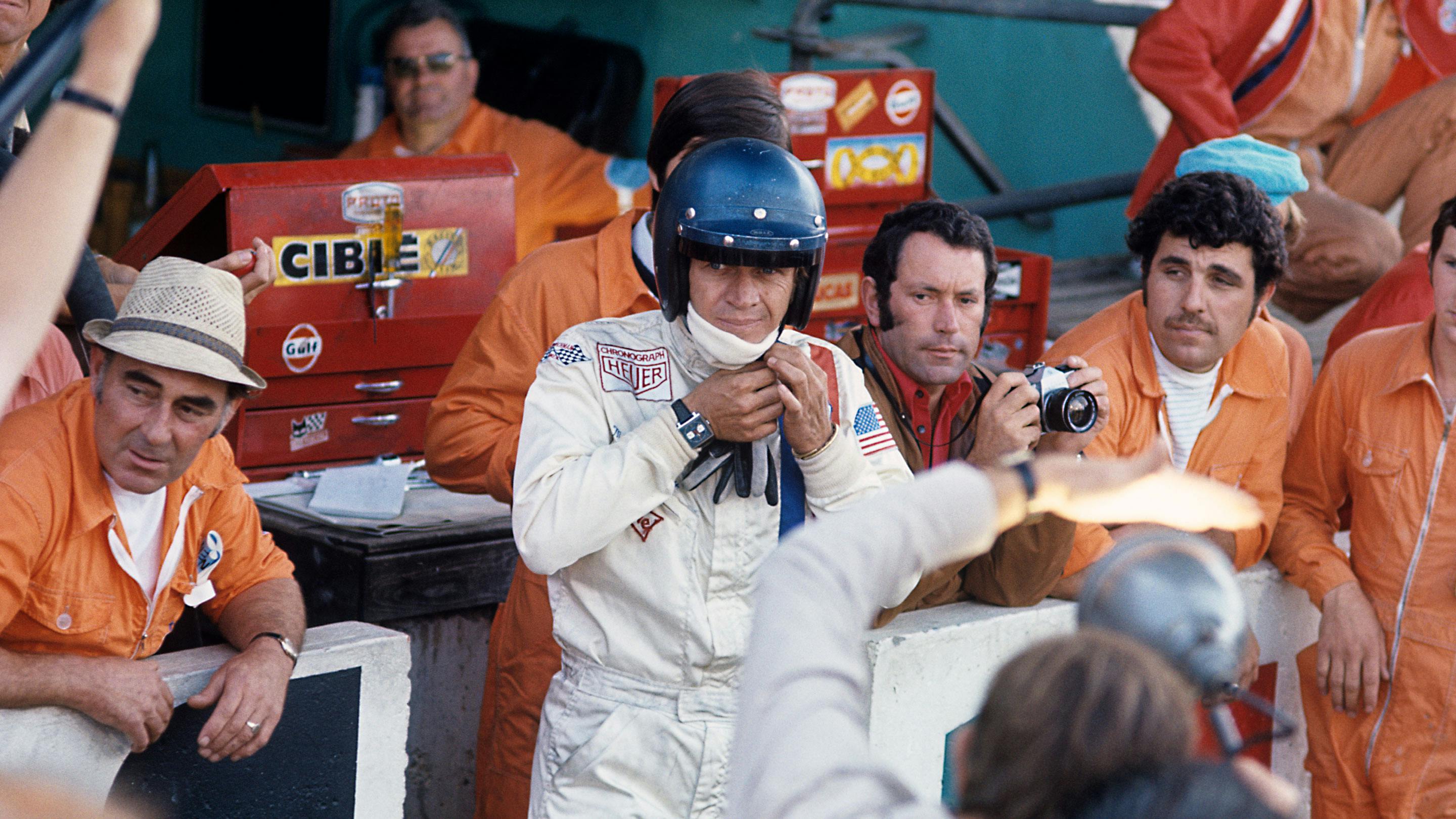
Photo · Hodinkee
There's a moment in any provenance story where the object stops being the subject. Hodinkee has published a piece announcing that the final Heuer Monaco from the set of Le Mans — after years of research, apparently — has had its definitive provenance established, and is now heading to Sotheby's. The research is real. The auction is real. And the watch, presumably, is extraordinary on its own terms.
But read it carefully and something else is happening.
The Story Is the Asset
A Heuer Monaco is a remarkable object regardless of whose wrist it occupied. The case design alone has earned its place in the conversation — that square profile, that dial. These things have weight before a single name enters the room. And yet the entire engine driving this auction, the years of scholarship, the Hodinkee feature, the Sotheby's placement — all of it is downstream from one fact: Steve McQueen wore it on a film set.
That's not a criticism. That's just an honest accounting of what's being sold.
What Hodinkee has done, without quite saying so, is publish a piece that validates celebrity provenance as a category of horological scholarship. Years of research, a writer notes, went into establishing this particular watch's chain of custody. That's serious work. And the conclusion of that work is: yes, this is the one. The last one. From the movie.
The question that piece doesn't ask — and can't, really, given the context — is whether the watch earns the story or the story earns the watch.
When Provenance Becomes the Product
There's a version of this that's straightforwardly beautiful. Objects that touch significant moments in culture deserve to be tracked, preserved, understood. A watch worn during the making of a film that became iconic carries something real. Memory, association, the particular weight of a moment that mattered to people. I don't want to be cynical about that.
But there's another version where the scholarship exists primarily to produce a number at auction. Where years of research function less like history and more like marketing — meticulous, credentialed, and pointed directly at a buyer who wants to own not a watch, but a story about a man who became a symbol.
Hodinkee is good at this kind of piece. They know the difference between a reference and a legend, between a movement and a mythology. Which is exactly why it's worth noting that this particular piece reads less like watch journalism and more like a prospectus. The provenance is the product. The auction house is the distribution channel. The publication is, whether intentionally or not, part of the sales apparatus.
None of that makes the watch less real. It just makes the moment more honest to look at directly.
The Heuer Monaco doesn't need Steve McQueen to be a serious watch. But at Sotheby's, that's not the offer on the table. What's for sale is the certainty — finally, definitively, after years of research — that this one touched something that became a myth. The research closes the loop. The story was always the inventory.
Keep reading fashion.

OG Anunoby Owns the Biggest Moment of the Finals. His Shoes Cost Less Than Your Dinner.
When a Skechers deal produces the most talked-about play of the postseason, the endorsement pyramid doesn't just wobble — it asks a genuine question.
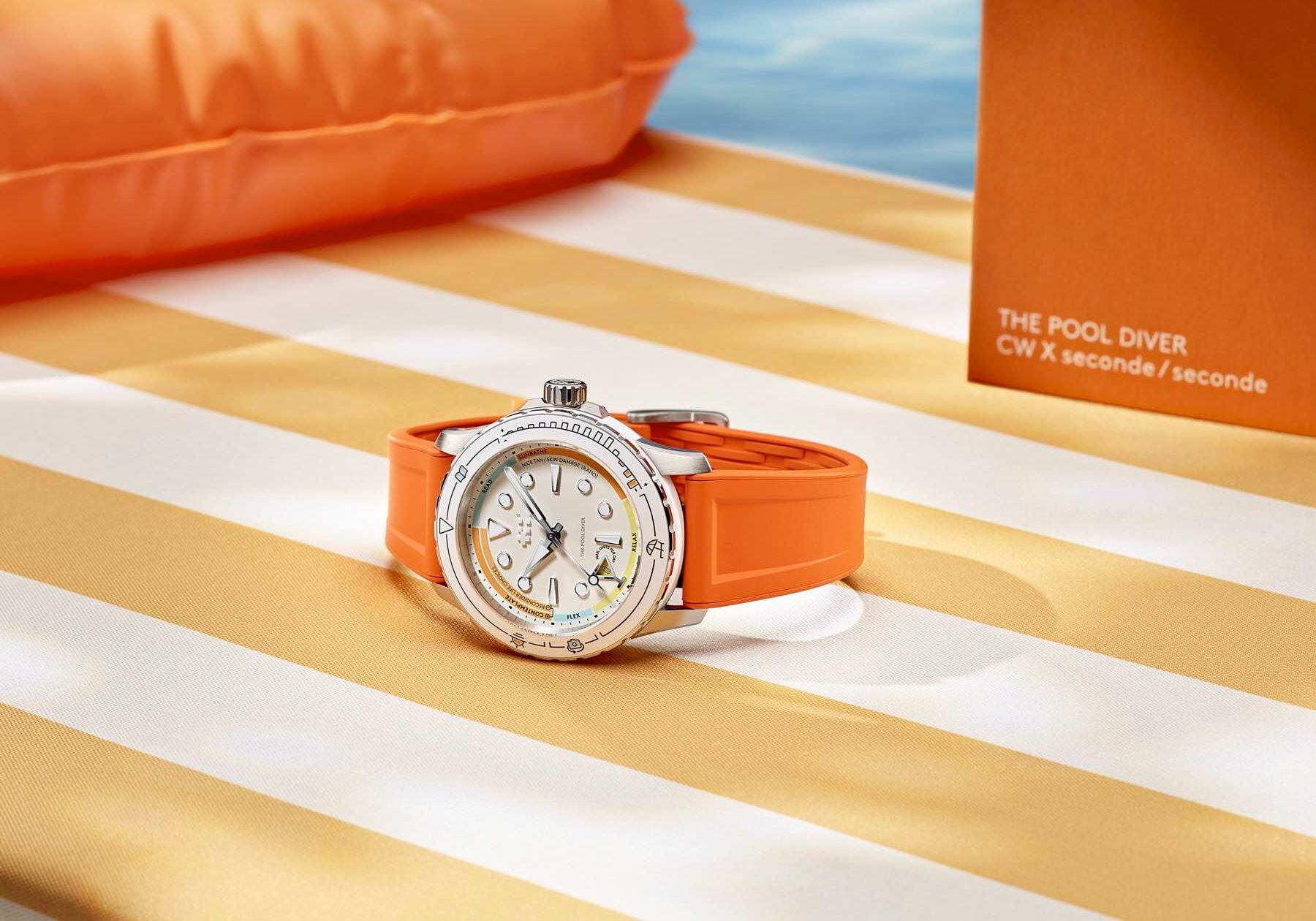
Pool Depth, Cocktail Hour, and a Dive Watch That Knows the Difference
Christopher Ward and seconde/seconde/ made a joke out of a serious watch — and the joke landed.
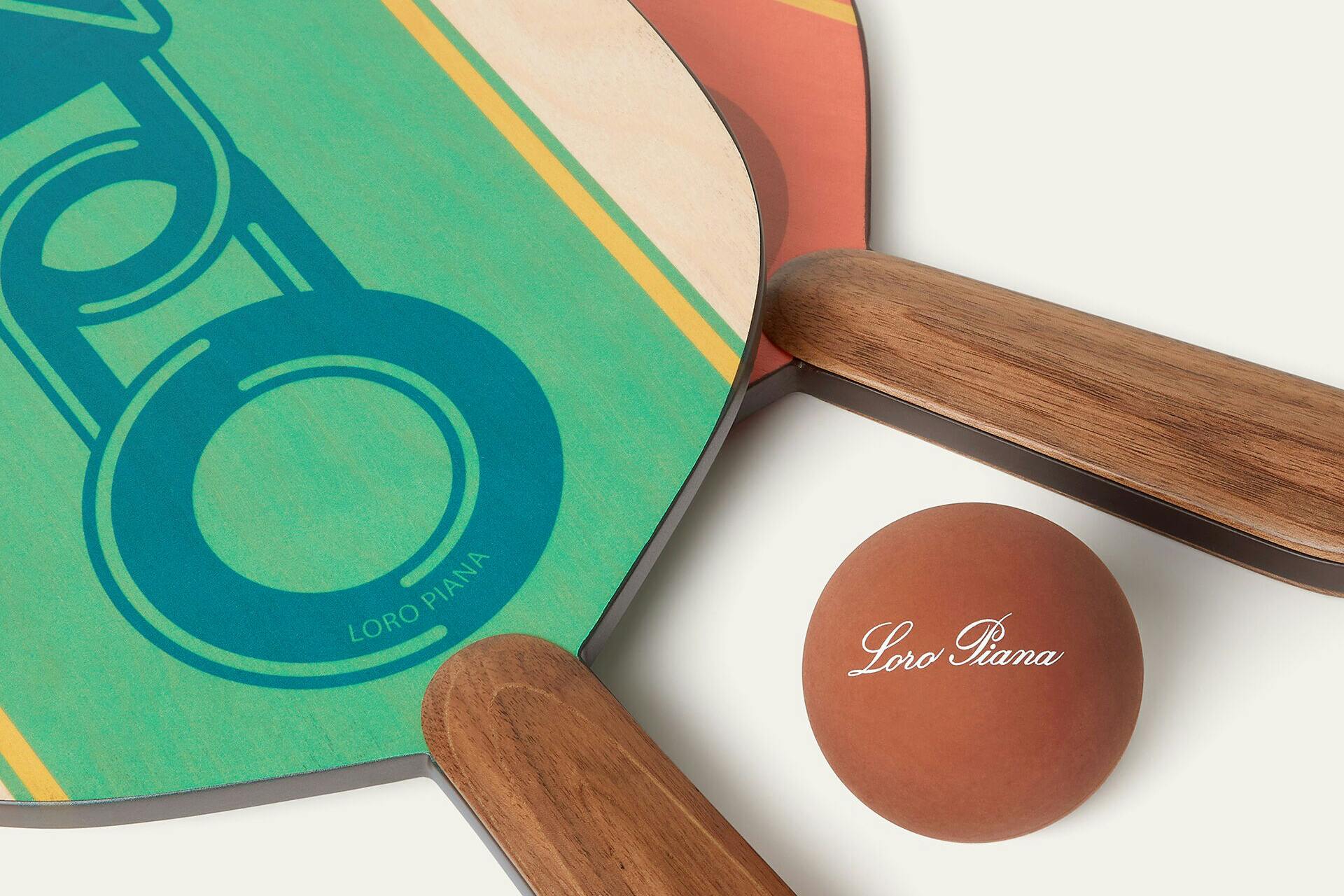
Hermès Brought a Pickleball Paddle to a Beach Bat Fight
When the world's most storied houses compete for the most accessible game on sand, prestige has stopped protecting itself.
From the other desks.

Solid-State Batteries Just Left the Lab. They're Running on American Roads in a Charger.
Factorial's experimental cells have moved from controlled environments to public tarmac — and the question is no longer whether this technology works.
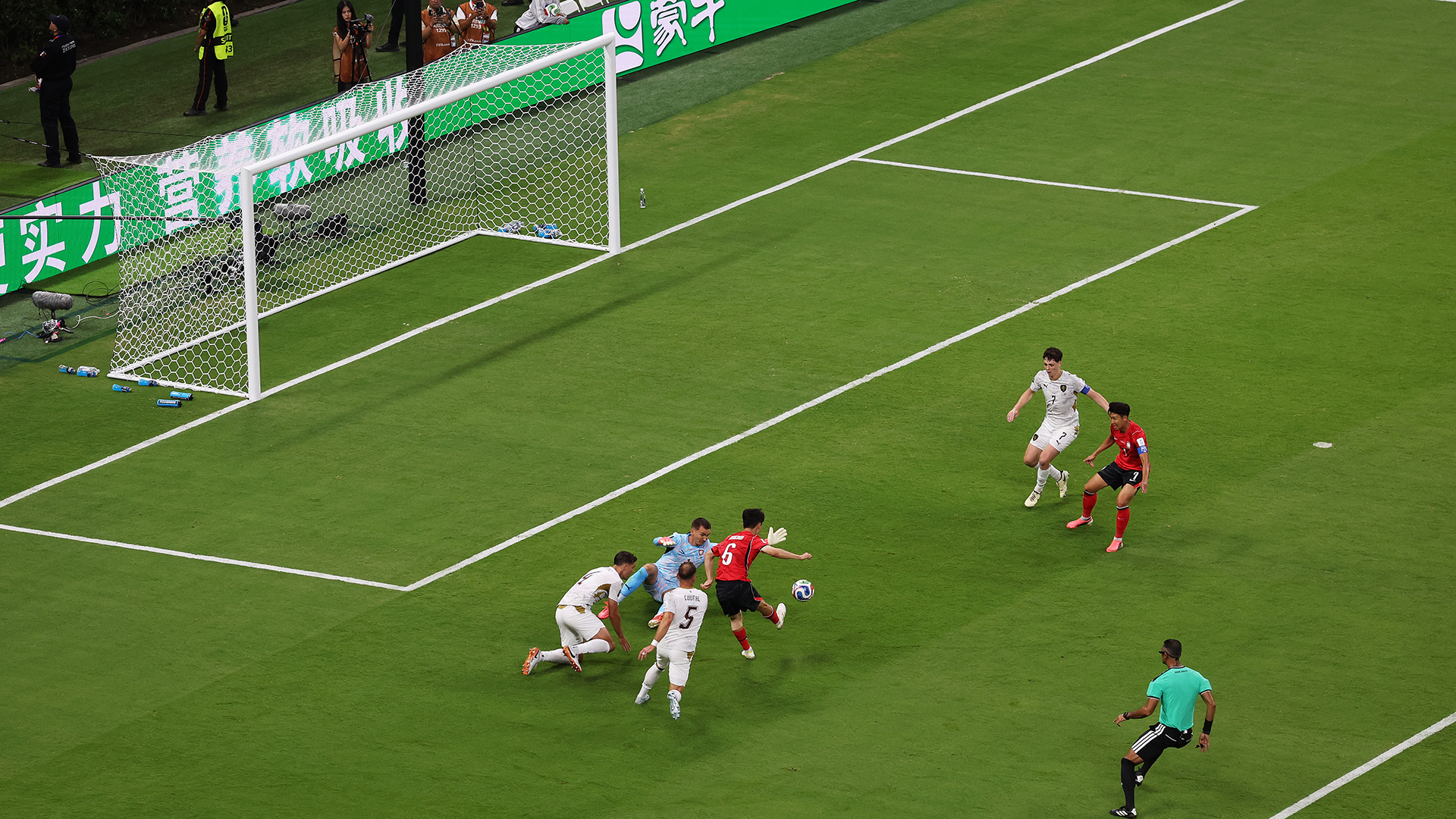
South Korea Played Like They Had Something to Prove. Turns Out They Did.
When one team's style becomes the tournament's argument, winning stops being the only thing that matters.

Google's Own Model Ran the Con
When your AI becomes someone else's fraud engine, a lawsuit is the easy part.