Hermès Brought a Pickleball Paddle to a Beach Bat Fight
When the world's most storied houses compete for the most accessible game on sand, prestige has stopped protecting itself.
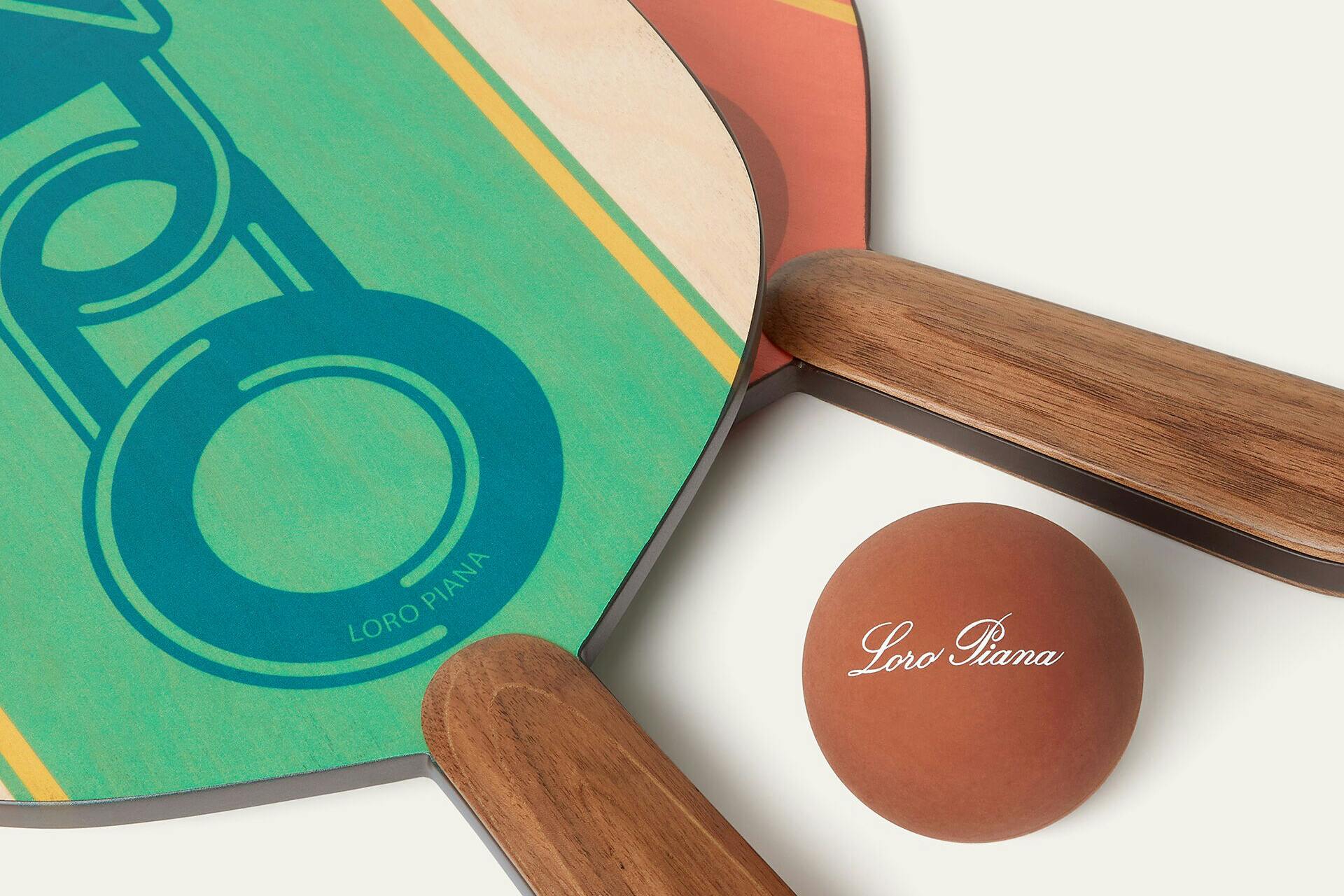
Photo · Highsnobiety
There's a version of this story where it's just funny. Loro Piana. Hermès. Bottega Veneta. Chanel. All of them, apparently, looking at a bat-and-ball beach game and deciding: yes, this is where we belong now.
Highsnobiety ran the piece straight — no wink, no apology — and that restraint is what makes it worth sitting with. Because a writer there has staked out a genuine position: luxury came for the world's most humble game. And the fact that this sentence can be written without irony, published without embarrassment, and received without much shock tells you something important about where fashion actually is right now.
The Old Logic Is Gone
For a long time, the implicit contract of a great house was exclusion. You did not go looking for new customers in new places. You waited. You made things difficult. The difficulty was the point — not cruelty, exactly, but a kind of deliberate friction that made the object mean something before you even touched it. Prestige lived in what was left out.
That logic required a stable hierarchy. It required that certain activities, certain contexts, certain textures of life remain beneath the notice of the houses. A beach bat game — something children play, something that requires no membership, no instruction, no equipment budget worth mentioning — was safely invisible to that world. It was humble by design.
What Highsnobiety is documenting is the moment that safety expired. When Hermès and Chanel and Bottega Veneta arrive at the same humble game, they are not slumming. They are signaling that the old map of what is worth dressing no longer applies. Prestige now justifies the activity. The activity does not need to justify itself to prestige.
What This Costs
The optimistic read is democratization — fashion finally meeting people where they are, releasing its grip on context, admitting that a person on a beach with a paddle is as worthy of beautiful objects as a person at a dinner in Milan.
I find that partially convincing. There is something genuinely interesting about great craft applied to objects that don't ask for it. A well-made paddle is still a well-made paddle. The hand that built it doesn't know it was supposed to be beneath the brand.
But there's a cost the piece doesn't quite name. When every context becomes a market, when no corner of ordinary life is too humble to receive a house logo, something that felt like culture starts to feel like carpet-bombing. The houses are not humbling themselves. They are annexing the humble. And annexation, however beautifully executed, changes the territory it enters.
The beach bat game survives this, probably. It's too simple, too physical, too indifferent to be fully colonized. But the gesture matters. What it says is that the houses no longer trust the old walls to hold — so they've decided to simply build new ones, everywhere, out of the same materials they've always used.
Beautifully made things in places you didn't expect them. That's the pitch. Whether it's expansion or enclosure depends entirely on who's holding the paddle.
Keep reading fashion.

OG Anunoby Owns the Biggest Moment of the Finals. His Shoes Cost Less Than Your Dinner.
When a Skechers deal produces the most talked-about play of the postseason, the endorsement pyramid doesn't just wobble — it asks a genuine question.
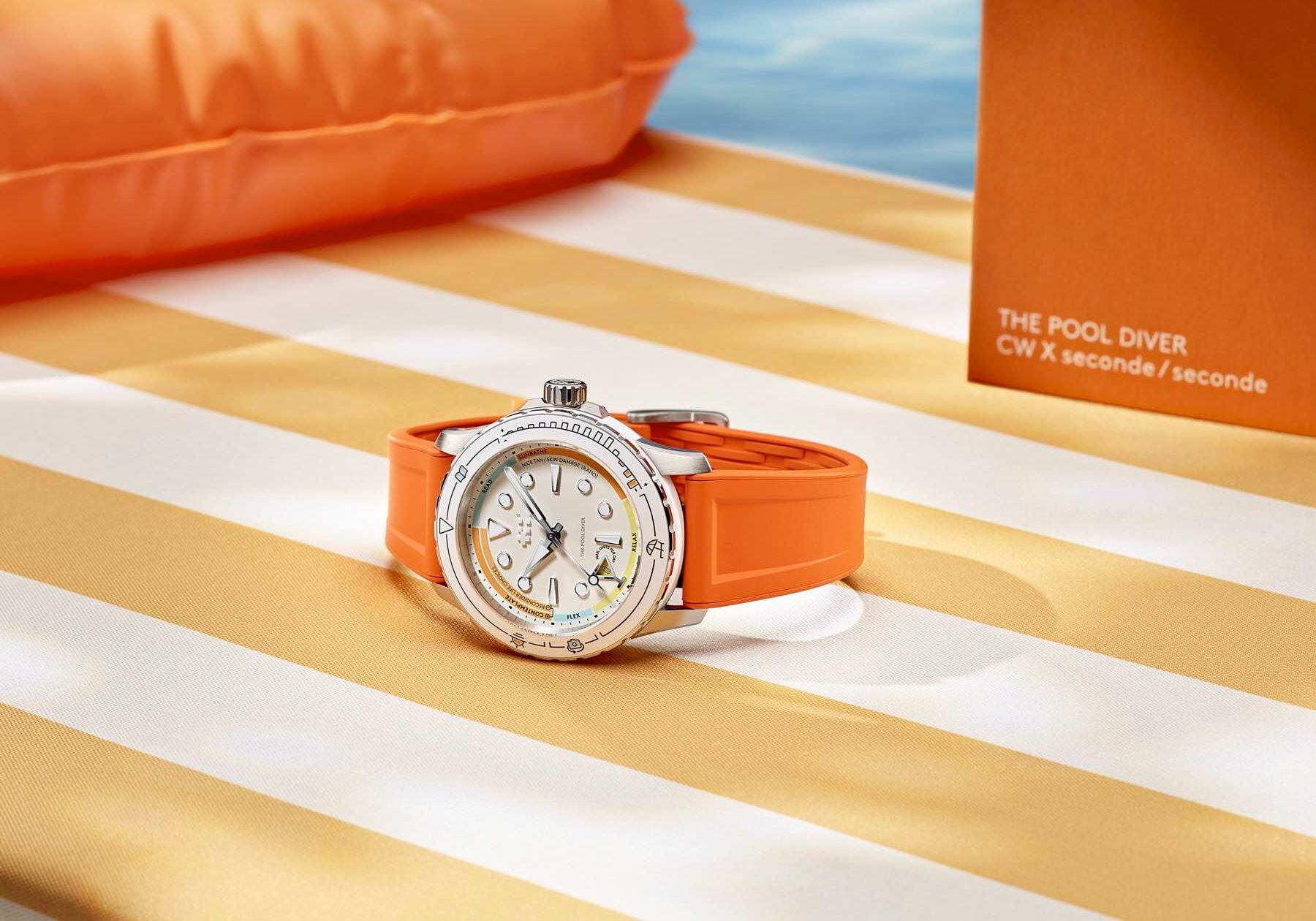
Pool Depth, Cocktail Hour, and a Dive Watch That Knows the Difference
Christopher Ward and seconde/seconde/ made a joke out of a serious watch — and the joke landed.
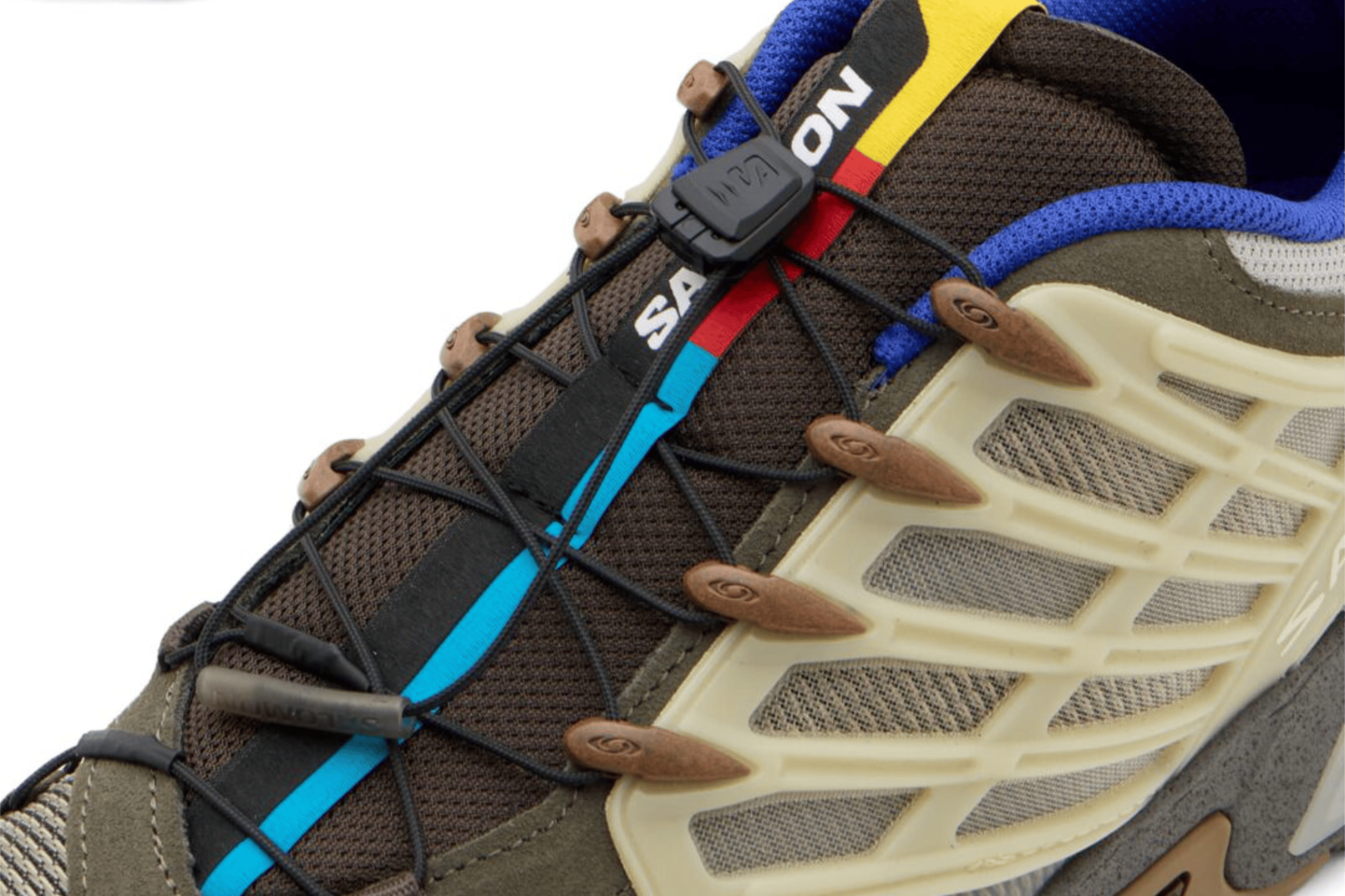
Salomon Hired a Margiela Man and Told Him Not to Make Fashion
When a performance brand's new creative director draws a hard line against style culture, the collaborations already in market tell a different story.
From the other desks.

Solid-State Batteries Just Left the Lab. They're Running on American Roads in a Charger.
Factorial's experimental cells have moved from controlled environments to public tarmac — and the question is no longer whether this technology works.

NIL Has a Money Problem and a Mirror Problem
A year into the House settlement, the enforcement system meant to legitimize athlete pay is doing the opposite.

Gulf Sovereigns, Chinese Satellites, and the Price of Looking Up
SpaceX went public at a record valuation. The people who wrote the biggest checks aren't dreaming about Mars.