Ford Sends Lincoln to China. The Badge Stays American.
The 2027 Corsair may be built in China and sold as a hybrid — and Detroit is betting you won't look at the back of the label.
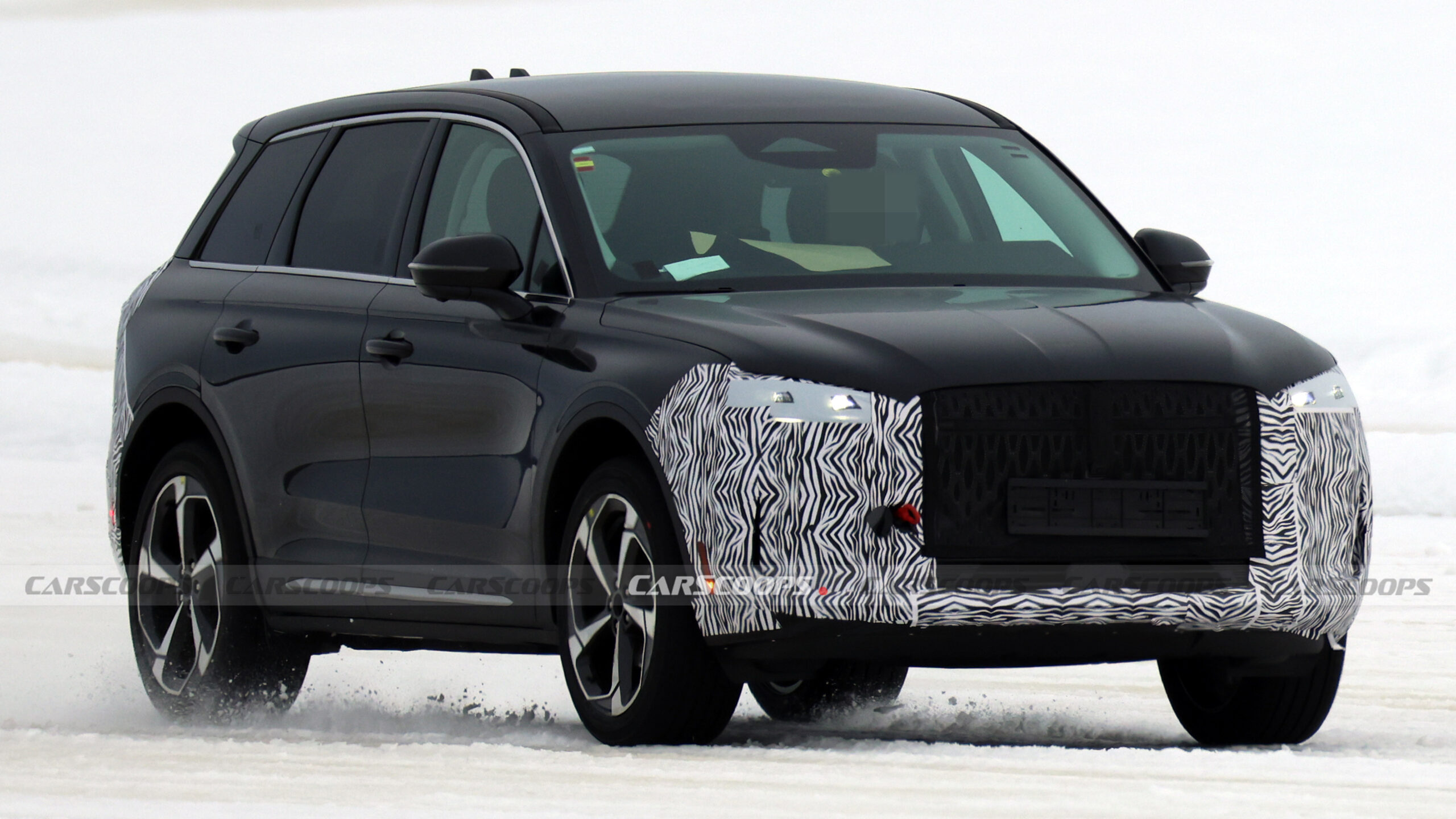
Photo · Carscoops
There's a version of this story where it's just logistics. A plant gets repurposed for trucks, production moves overseas, a hybrid powertrain gets slotted in — nobody's supposed to notice the seams. That's the version Ford is probably hoping lands.
But documentation reviewed by Carscoops tells a different one: the 2027 Lincoln Corsair is set to be imported from China, arriving with a hybrid engine, at a moment when the conversation around Chinese-built cars in America has never been louder or more politically charged.
The Plant, the Pivot, the Gap
The American facility currently producing the Corsair is being converted to truck production, according to reporting from Driving. So the equation isn't complicated — volume stays, address changes. Lincoln needed somewhere to build the next Corsair. China answered.
What's worth sitting with is what that actually means for the car. The hybrid powertrain is a real upgrade, not a consolation. Electrification is where buyers are moving, and a Corsair that arrives as a hybrid rather than a conventional combustion vehicle is, on paper, a more competitive product than what it replaces. The engineering argument is reasonable.
The branding argument is where it gets messy.
Lincoln is an American nameplate with all the weight that carries — the associations, the aspirations, the unspoken promise that the thing sitting in your driveway is connected to something domestic. That's not jingoism. It's just how brand equity actually works in this segment. People buying into Lincoln aren't only buying a car; they're buying a particular idea of American road presence. When the vehicle gets built somewhere else and shipped back, that idea develops a crack.
What Detroit Is Actually Betting On
The move isn't unprecedented. Global supply chains have been reshaping where cars are made for decades. But there's a specific irony in doing it now, with a Chinese-built product, under a nameplate that trades in Americana, while tariff policy and trade tension are daily headlines.
Carscoops flagged the import plan through regulatory documentation — which means this isn't rumor, it's paperwork. Ford isn't hiding the decision so much as hoping the hybrid story is interesting enough to carry the room.
Maybe it will be. Buyers have shown they can be pragmatic when the product is right. The question is whether Lincoln's version of 'right' — a Chinese-built hybrid in a segment where perception is half the sale — holds up once the sticker shock of the origin story settles in.
Because here's the thing nobody in a press release will say plainly: the credibility of 'Made in America' as a selling point has always depended on people not asking too many questions about the supply chain. Lincoln just made the question unavoidable.
The badge is still from Detroit. The car is not. Somewhere between those two facts, there's a conversation about what American luxury is actually selling — and who's still buying the premise.
Keep reading cars.
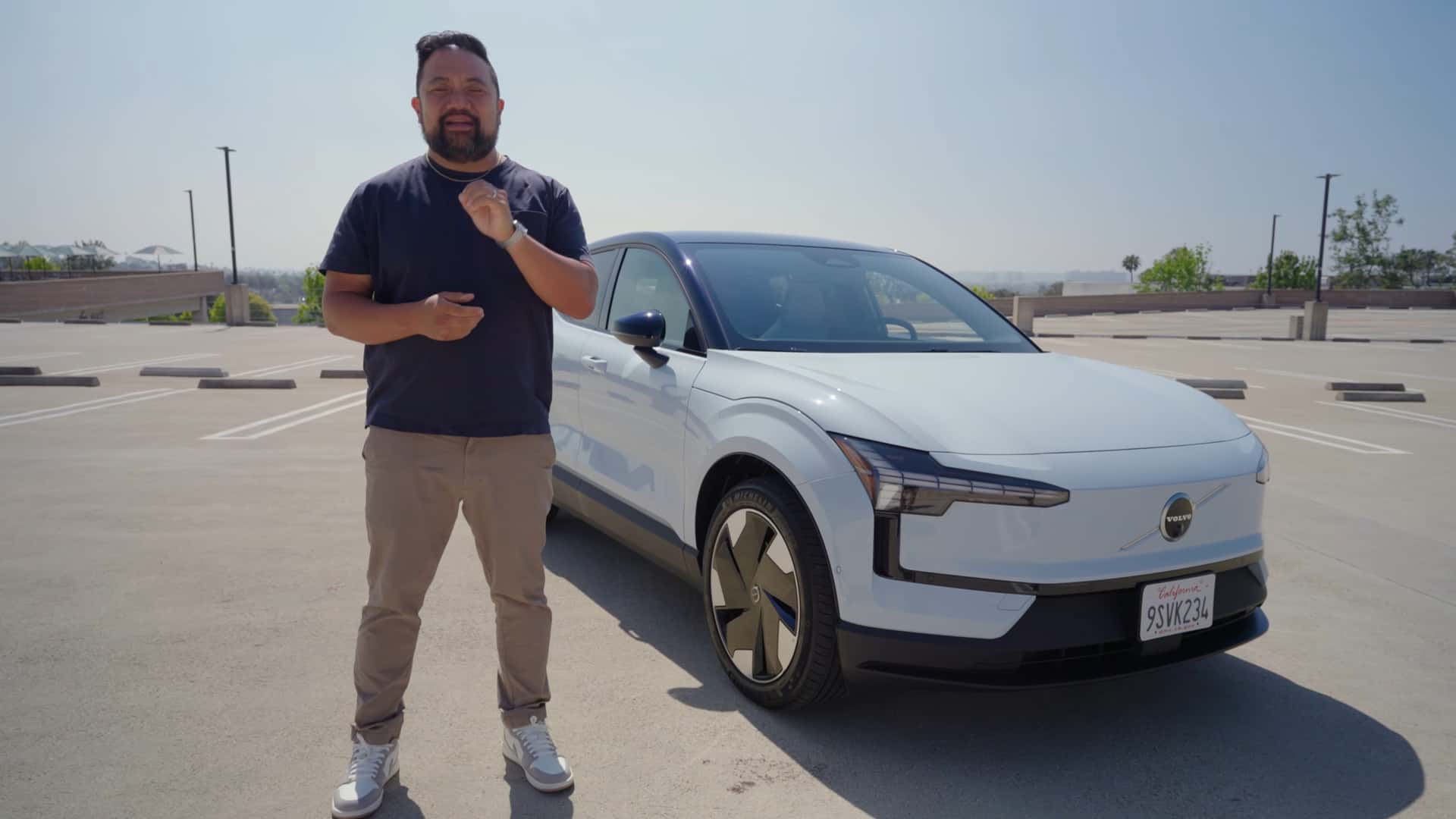
Eight Thousand Miles of Fine Print
Two EV ownership stories, one uncomfortable pattern: the cars keep working, the experience keeps disappointing.
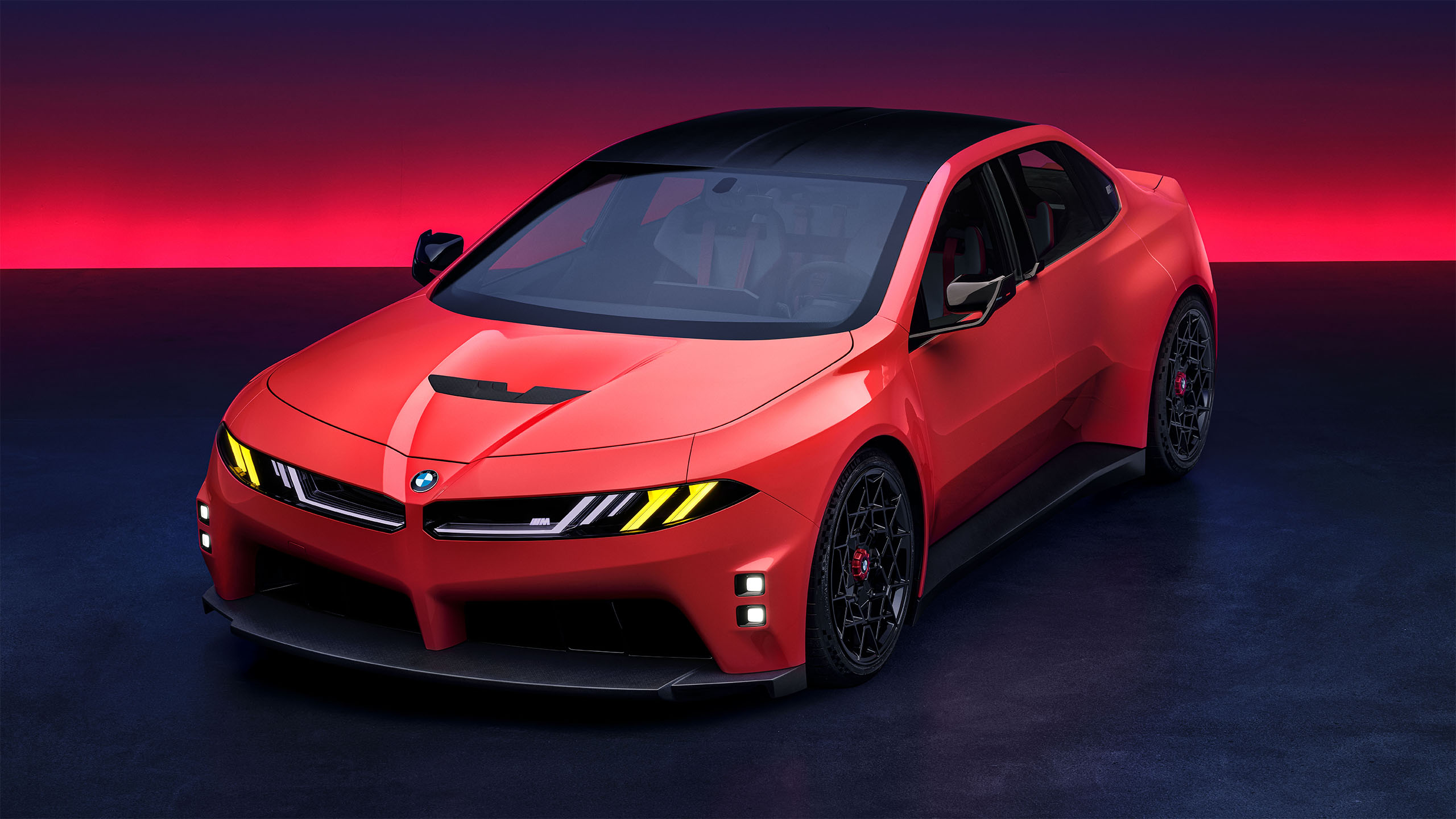
BMW Drew a Line at Le Mans and Called It the Future
An 800-to-1,000-hp electric M3 concept just made every M purist pick a side.
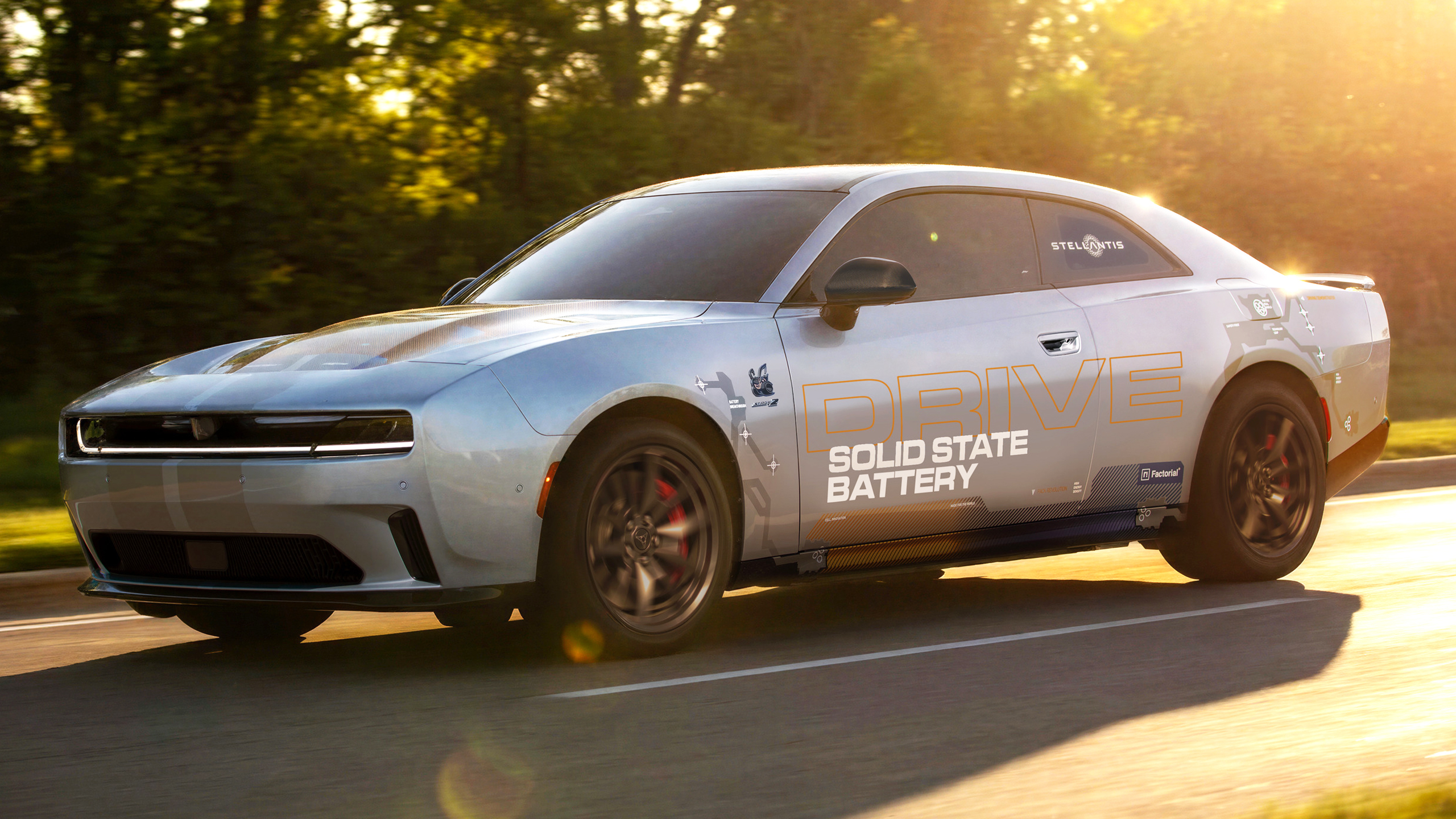
Solid-State Batteries Just Left the Lab. They're Running on American Roads in a Charger.
Factorial's experimental cells have moved from controlled environments to public tarmac — and the question is no longer whether this technology works.
From the other desks.
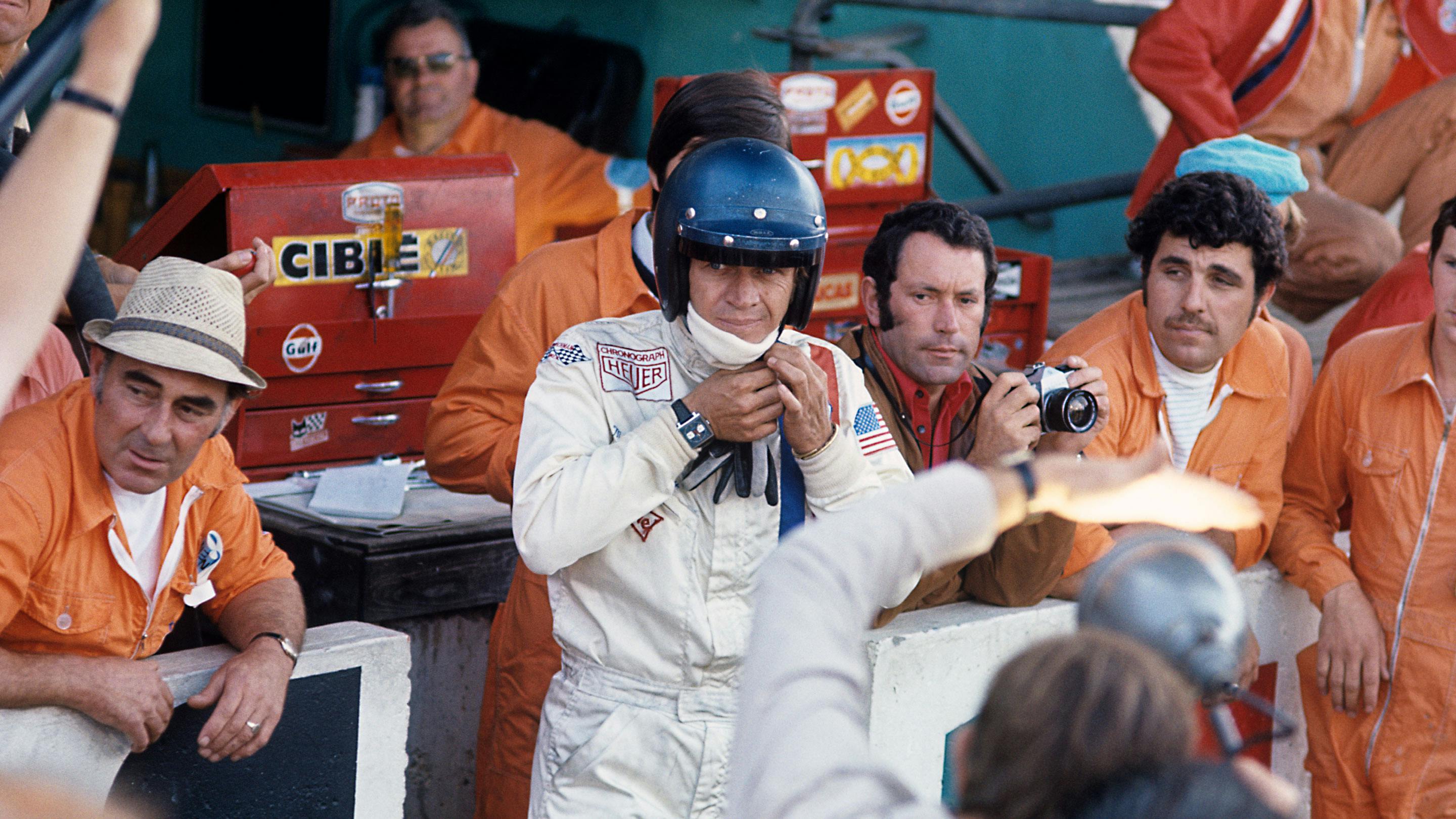
Steve McQueen's Wrist, and What We're Actually Bidding On
Sotheby's is selling the last Heuer Monaco from the set of Le Mans. Hodinkee says the provenance is finally settled. I think the more interesting question just opened up.

Cyle Larin Scored. Nobody Could Agree on What to Celebrate.
Canada finally got their World Cup point. The conversation was already somewhere else.

Google's Own Model Ran the Con
When your AI becomes someone else's fraud engine, a lawsuit is the easy part.