Eight Thousand Miles of Fine Print
Two EV ownership stories, one uncomfortable pattern: the cars keep working, the experience keeps disappointing.
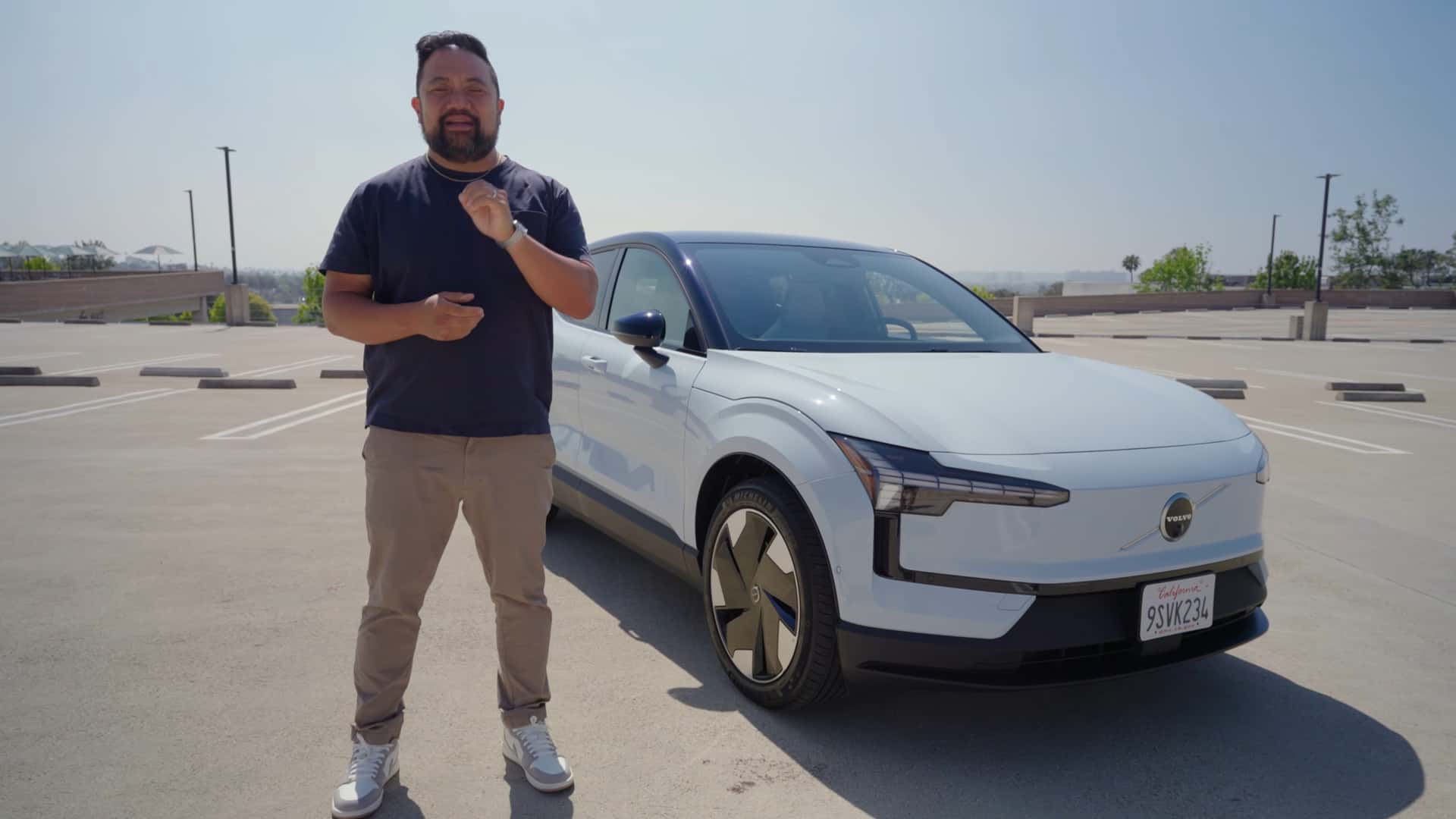
Photo · InsideEVs - Articles
There's a version of the EV pitch where you plug in at night, wake up to a full charge, and quietly wonder why anyone still buys gas. That version exists. It's just not the whole story.
Two snapshots of EV life landed recently, and neither one is a disaster. Both are something more instructive than that.
The Car That Looks Better on Paper
Edmunds put roughly 8,000 miles on a Volvo EX30 over a year and came away describing it as a very frustrating car to live with. That's a precise kind of damnation — not broken, not dangerous, just frustrating. The slow accumulation of friction that doesn't show up in a test drive or a spec sheet. The EX30 is a car that photographs well and checks boxes on paper, and apparently makes you feel that gap every day you own it.
That's the credibility problem nobody in the EV industry wants to talk about. Not range anxiety, which is manageable. Not charging infrastructure, which is improving. It's the more personal failure: a car that was sold as the future and feels, in daily practice, like a rough draft of it.
When a brand with Volvo's reputation for considered, livable design produces something its long-term owners call frustrating, you have to wonder where the signal got lost between the engineering brief and the finished product. Specs don't tell you how a touchscreen responds when your hands are cold. Range estimates don't tell you how the software behaves six months in. A year of real ownership does.
Where Optimism Still Lives
Now set that against a first drive of the 2027 Chevy Bolt — punchy acceleration, a genuinely capable infotainment system, and interior storage that apparently surprised people who went in expecting compromise. The Bolt has always been the pragmatist's EV, the one that didn't ask you to believe in anything, just to use it. And by that measure, it delivers.
The catch: the interior materials felt cheap. Not offensive, not dealbreaker-level — just underwhelming in a way that chips at the experience. A small thing, maybe. But in a category where every piece of the ownership story is being written in real time, small things accumulate. They become the review. They become the word-of-mouth.
The Bolt's story is almost the inverse of the EX30's. Where Volvo brought a certain promise and fell short of it, the Bolt sets modest expectations and mostly meets them. Different failure modes, same underlying question: why is the EV industry still struggling to close the gap between what these cars promise and what they actually feel like to live with?
The Gap Is the Story
This is the pattern across both pieces, and it's worth naming plainly. The hardware is maturing. Motors are smooth, range is usable, charging — when it works — is fast enough. What hasn't caught up is the texture of ownership. The software that still surprises you the wrong way. The interior that reminds you of the price you paid. The daily friction that no brochure acknowledges.
The EV transition doesn't fail with a blowout. It fails with a thousand small disappointments that make someone, two years into ownership, quietly start looking at hybrids.
The cars are good enough now. Good enough isn't going to be enough.
Keep reading cars.

Ford Sends Lincoln to China. The Badge Stays American.
The 2027 Corsair may be built in China and sold as a hybrid — and Detroit is betting you won't look at the back of the label.
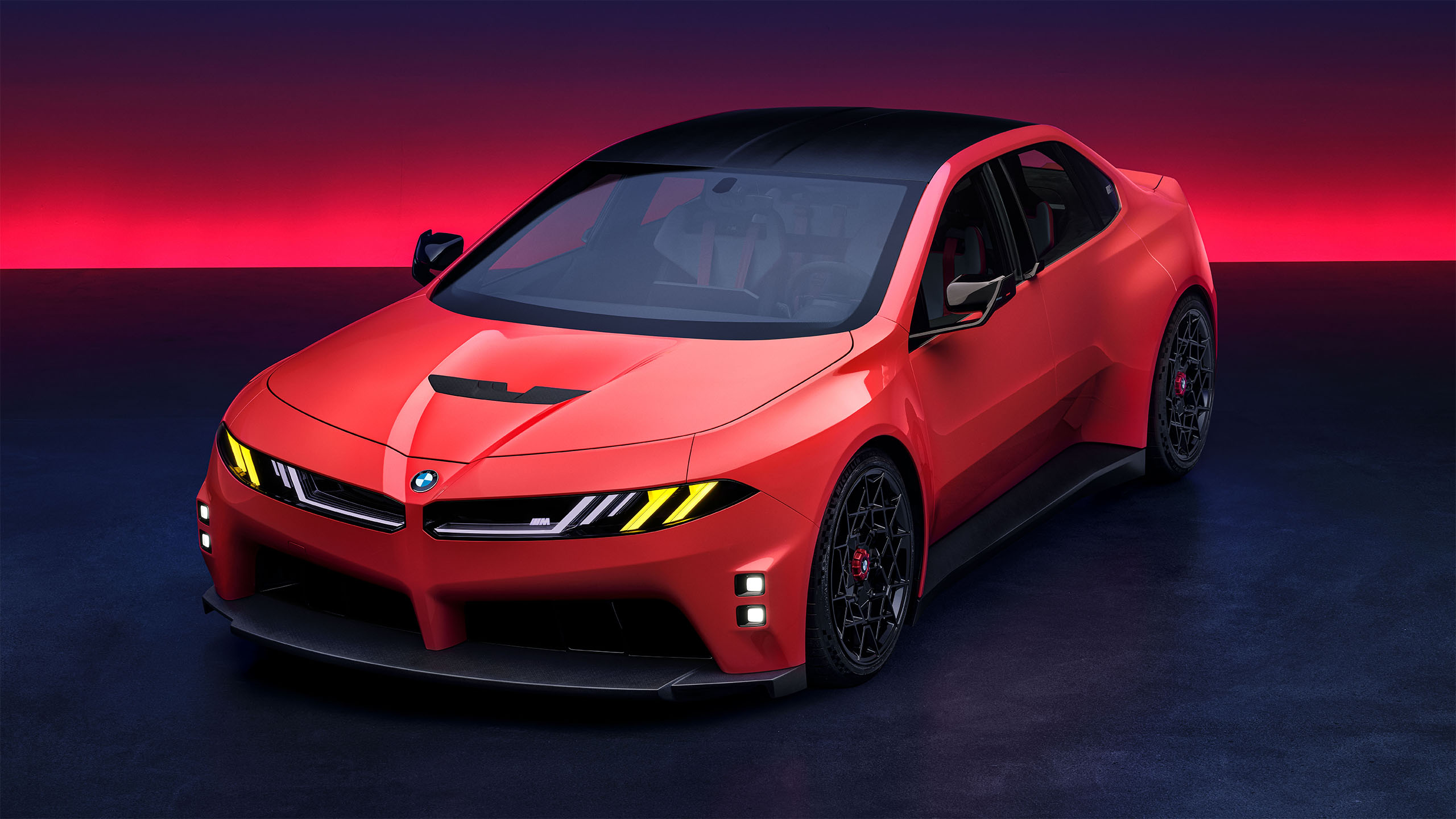
BMW Drew a Line at Le Mans and Called It the Future
An 800-to-1,000-hp electric M3 concept just made every M purist pick a side.
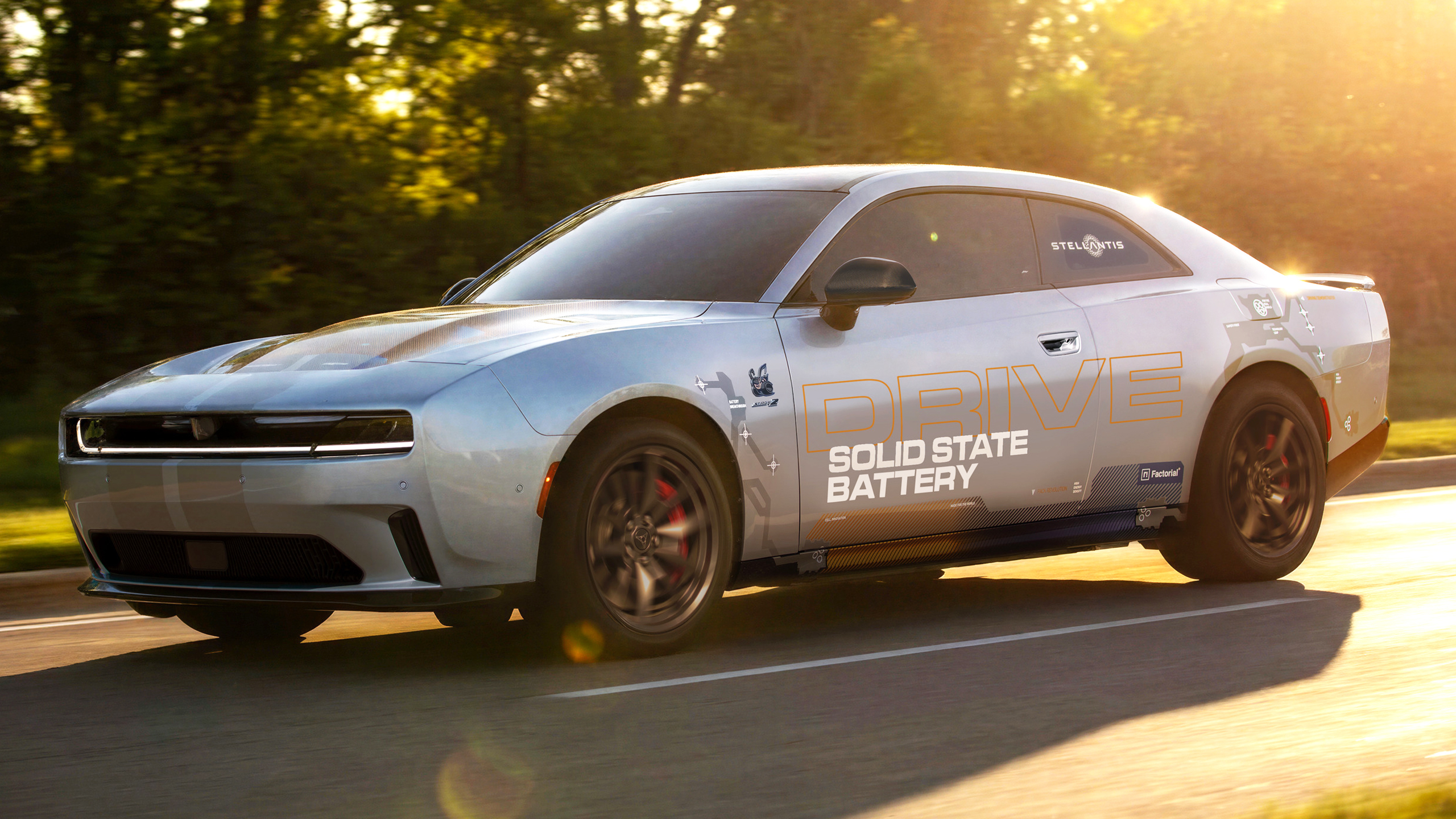
Solid-State Batteries Just Left the Lab. They're Running on American Roads in a Charger.
Factorial's experimental cells have moved from controlled environments to public tarmac — and the question is no longer whether this technology works.
From the other desks.
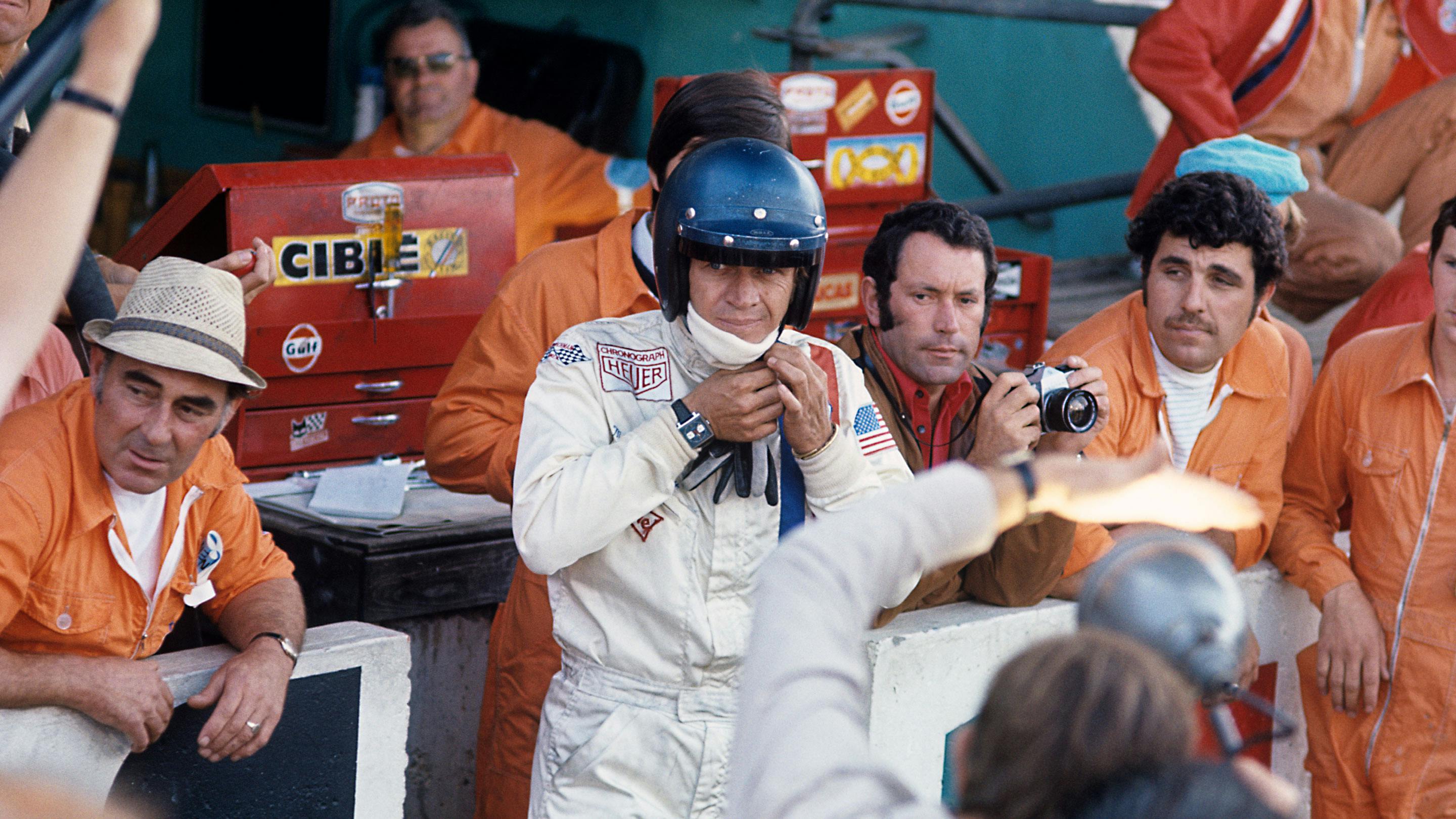
Steve McQueen's Wrist, and What We're Actually Bidding On
Sotheby's is selling the last Heuer Monaco from the set of Le Mans. Hodinkee says the provenance is finally settled. I think the more interesting question just opened up.
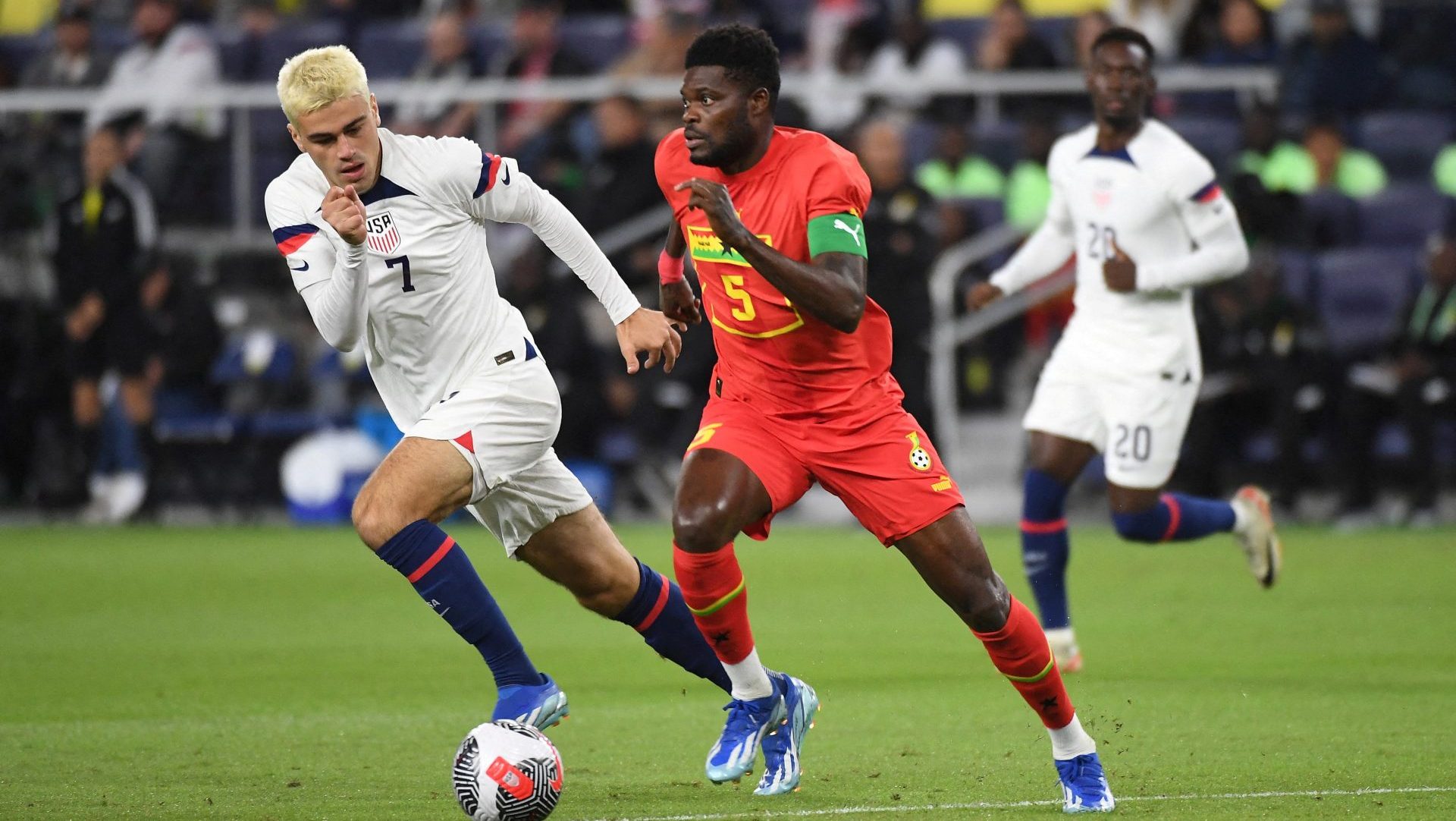
Cyle Larin Scored. Nobody Could Agree on What to Celebrate.
Canada finally got their World Cup point. The conversation was already somewhere else.

Google's Own Model Ran the Con
When your AI becomes someone else's fraud engine, a lawsuit is the easy part.