260 Years Old, and Arnold & Son Just Learned to Wink
A mother-of-pearl London dial that hides its own secrets in the dark — and what that says about heritage watchmaking right now.
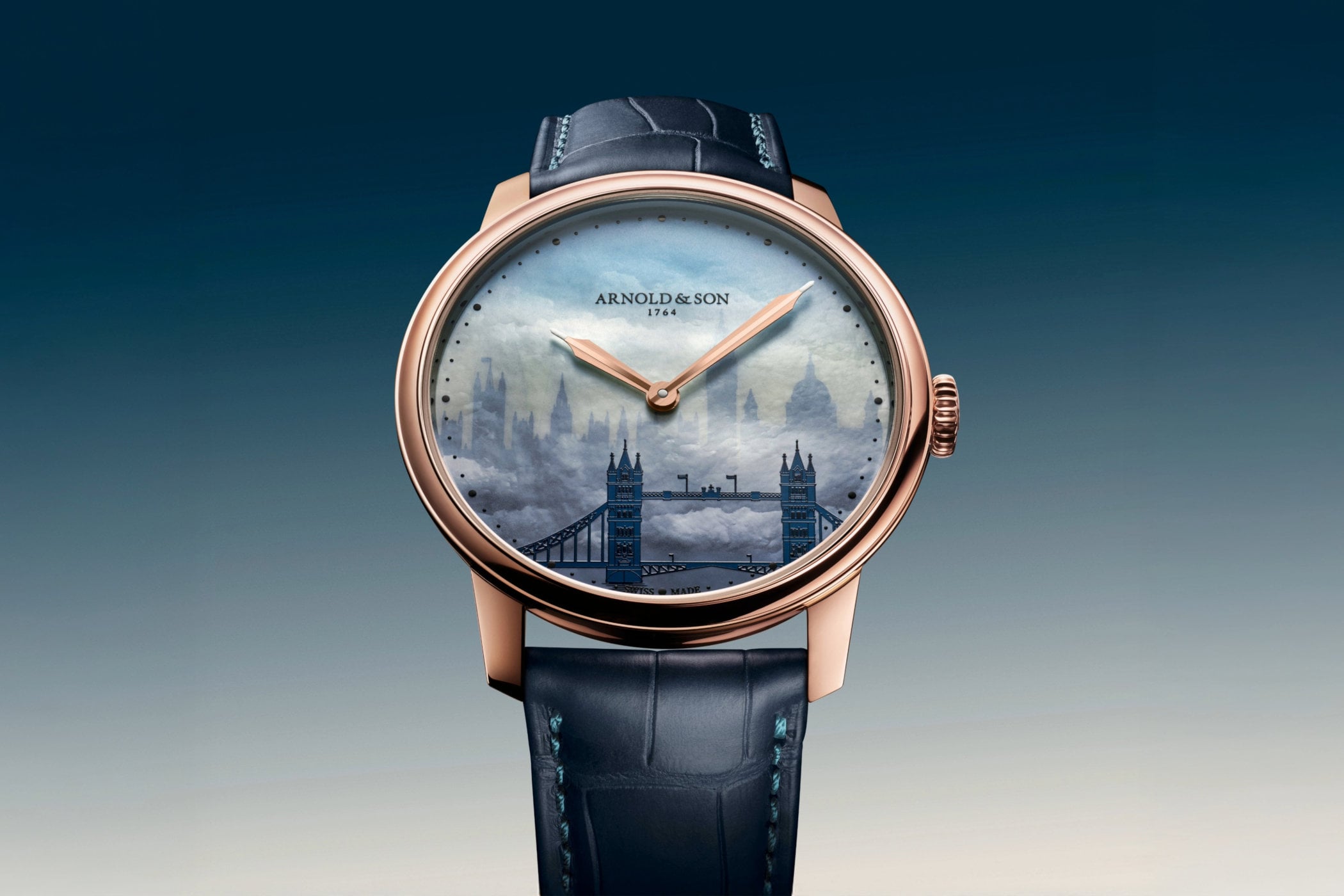
Photo · Monochrome Watches
There's a particular kind of confidence that only comes with age. Not arrogance — confidence. The kind that lets you spend two and a half centuries doing one thing seriously, then one day decide to do it with a smirk.
Arnold & Son, a brand built in honour of the 18th-century English watchmaker John Arnold, just released the HM London Skyline in partnership with The Limited Edition. The occasion is the brand's 260th anniversary. The watch is, on its surface, a dress piece — the HM line is the brand's more formal collection, driven by an in-house movement that multiple sources describe as ultra-thin and technically accomplished. But the real story isn't the movement. It's what happens when you turn the lights off.
The Trick
In daylight, the dial reads as a portrait of London in a kind of historical register — a city of spires and skylines rendered on mother-of-pearl. It's handsome. Considered. The sort of thing that earns a quiet nod at a dinner table.
Then darkness falls, and the dial reveals a second city. The lume — applied selectively, with apparent intention — illuminates a different version of the same skyline. What was hidden underneath the daytime composition emerges at night. As SJX noted, the watch seemingly depicts the British capital of yesteryear by day, but after dark it lights up to show something else entirely. Two Londons on one dial. One watch carrying a before and after.
It's a trick. A well-executed, entirely deliberate trick. And I find myself more interested in the fact that Arnold & Son chose to do it than in the mechanics of how.
What the Wink Costs
Heritage watchmaking has a complicated relationship with playfulness. The closer a brand sits to its own history — and a brand tracing itself back to an 18th-century pioneer sits very close — the more any departure from solemnity feels like a risk. The concern, usually unspoken, is that cleverness reads as insecurity. That a brand comfortable with itself doesn't need parlor tricks.
The London Skyline argues the opposite. Arnold & Son's in-house movement count stands at roughly 20 calibres, according to Monochrome — a figure that represents a genuine commitment to manufacture. The technical credibility is already established. Oracle Time notes the watch marks 260 years of the brand's history, a number that doesn't need embellishment. When you're standing on that kind of ground, you can afford to play.
The lume reveal isn't a distraction from the watchmaking. It's made possible by it. The mother-of-pearl dial, the selective luminescent application, the layered composition — these aren't shortcuts. They're craft deployed in service of an idea rather than pure specification.
What strikes me across all three pieces of coverage is a collective lack of skepticism. Nobody called it gimmicky. Nobody questioned whether the trick cheapened the watch. That's not nothing. The watchmaking press has a sensitive nose for the difference between a brand that's earned its wit and one that's borrowed it.
Arnold & Son, it seems, has earned it.
A 260-year-old brand learning to wink isn't a sign of weakness — it might be the clearest proof of staying power there is.
Keep reading fashion.
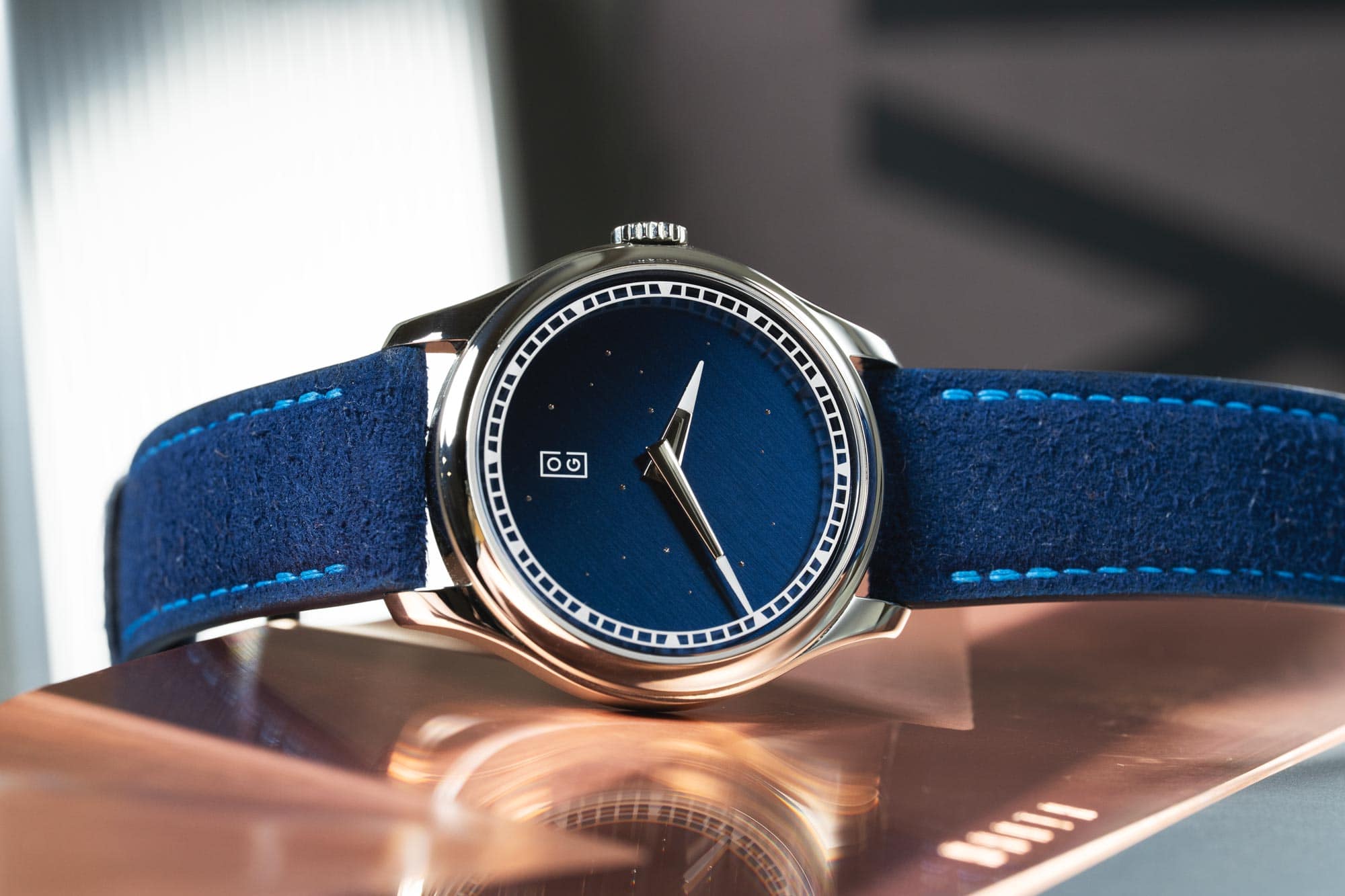
Minimalism Has Been Lying to Us. Oliver Gallaugher Is Telling the Truth.
A writer at Worn & Wound just described a watch that looks simple and costs a fortune to make — and that tension is worth sitting with.
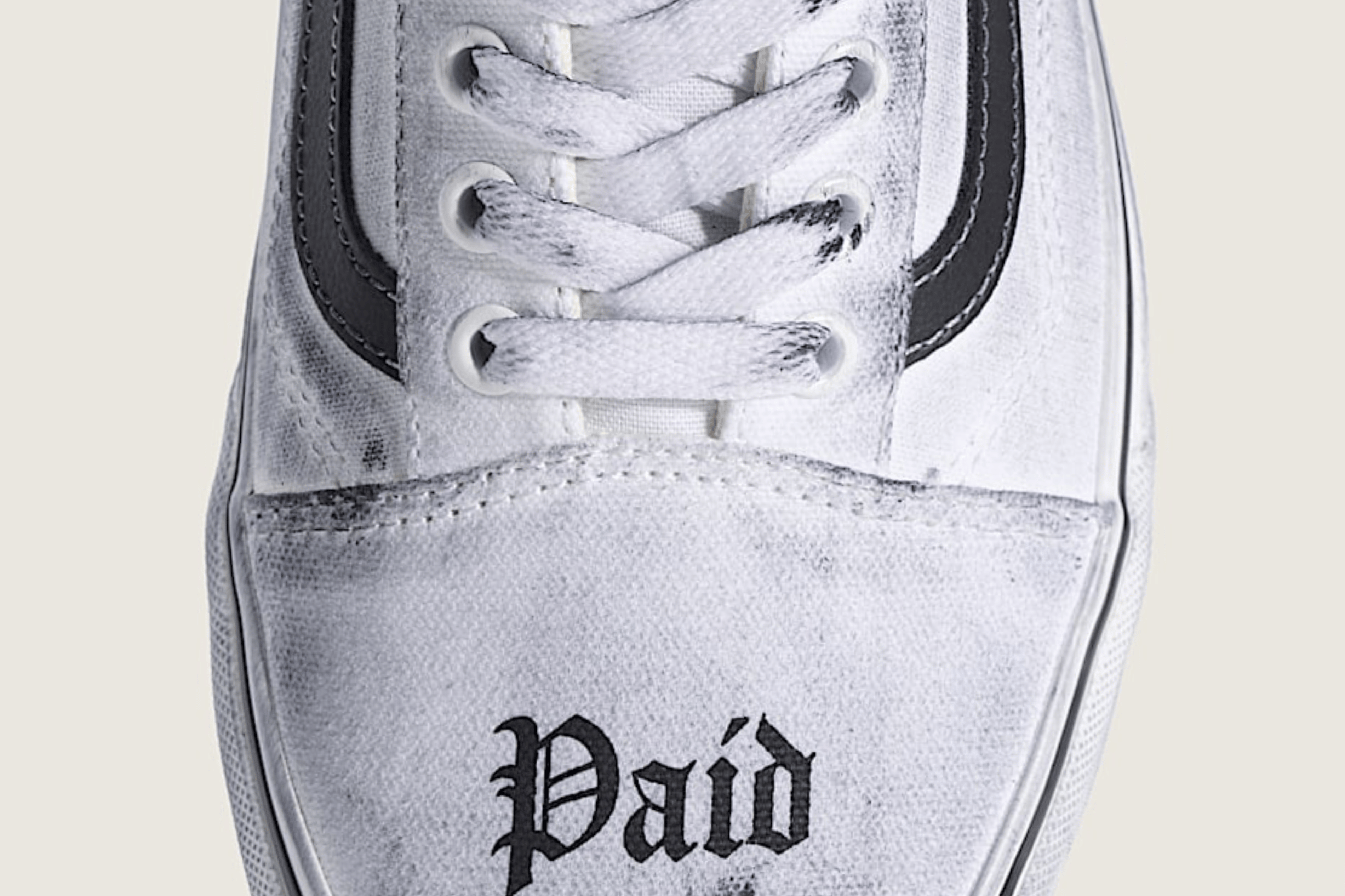
Scuffs as Signatures: What Vans and Travis Barker Just Admitted About Damage
When the distress is the design, something fundamental has shifted in how skate culture sells itself.
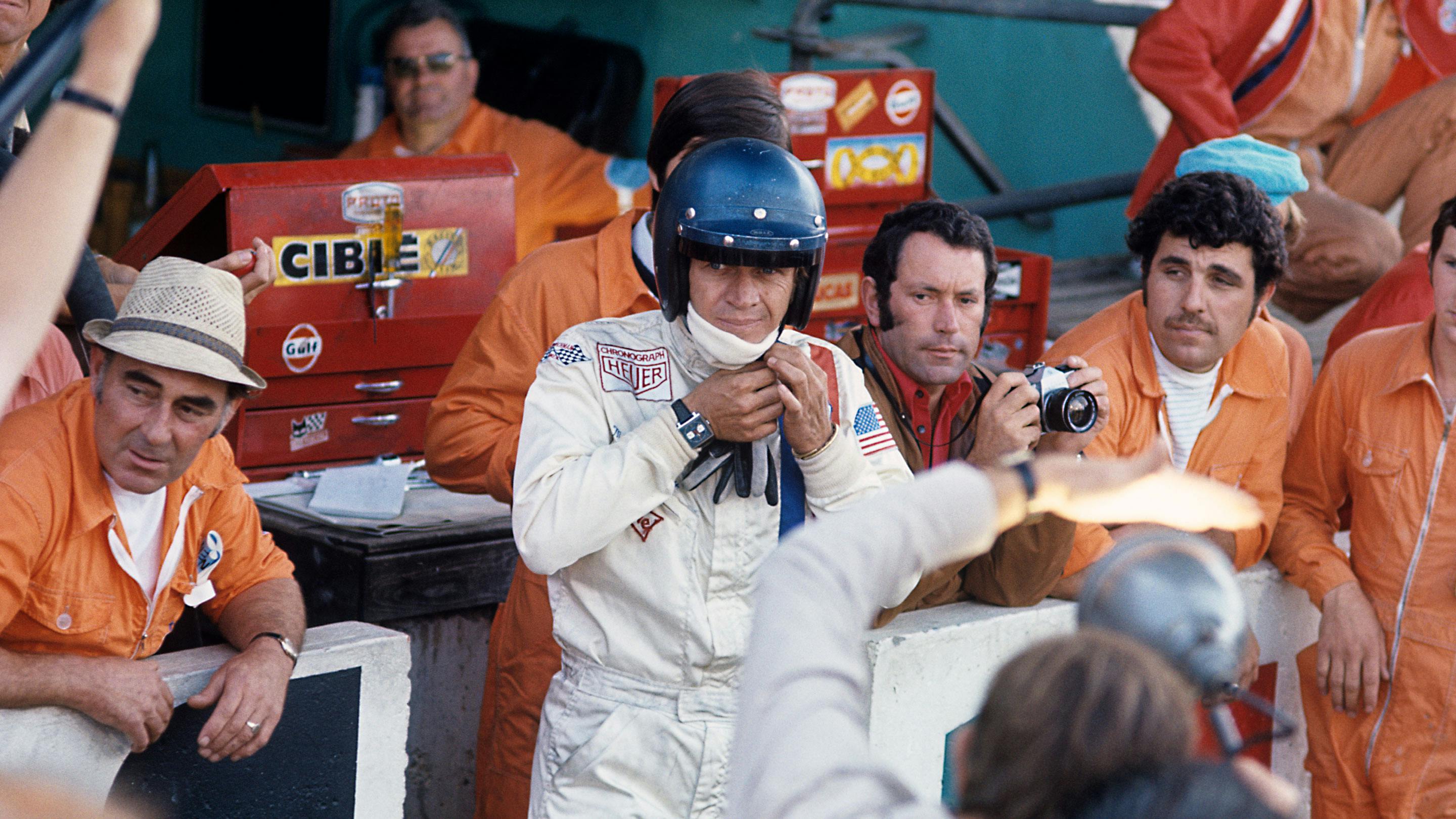
Steve McQueen's Wrist, and What We're Actually Bidding On
Sotheby's is selling the last Heuer Monaco from the set of Le Mans. Hodinkee says the provenance is finally settled. I think the more interesting question just opened up.
From the other desks.

Genesis Took a Concept to Le Mans and Called It a Racer
When Seoul's boldest design exercise sprouted wings at the world's most famous endurance race, something shifted in the performance conversation.
SEC Wrote a Memo Against the Fix. Read That Sentence Again.
When the most powerful conference in college sports warns that a reform bill will make litigation worse, the confession buried inside that argument is more damning than the bill itself.

42 Attorneys General Subpoenaed OpenAI's Ads, Its Safety Policies, and Its Sycophancy All at Once
When regulators come for your chatbot's personality, the credibility problem runs deeper than compliance.