Genesis Took a Concept to Le Mans and Called It a Racer
When Seoul's boldest design exercise sprouted wings at the world's most famous endurance race, something shifted in the performance conversation.
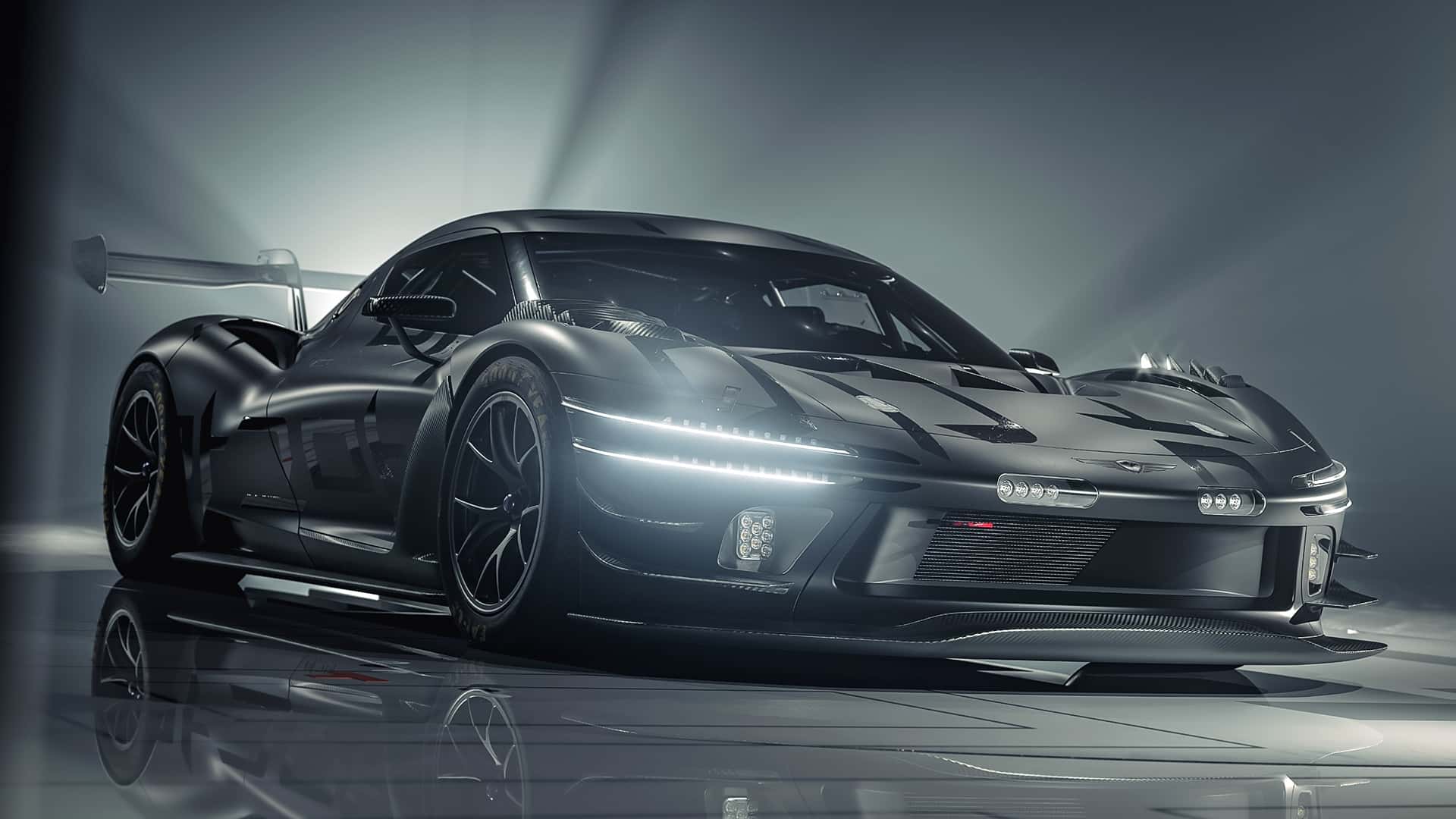
Photo · Motor1.com - Articles
There's a specific kind of credibility that only comes from showing up at the right place. Not a motor show floor. Not a brand film. Le Mans — the jewel of the World Endurance Championship, the race that sorts serious from ceremonial. Genesis brought the Magma GT3 there, and the choice of venue was doing at least as much work as the car itself.
The Magma GT3 is a race-prepared conversion of last year's Magma GT concept. According to Autocar, it arrives with auxiliary lights on the front fascia and a suite of carbon fiber aerodynamic additions — wings, aggressive bodywork — that push it decisively past anything you'd call road-going. The concept it came from already had a proper interior, something Motor1 noted when Genesis first teased the Magma GT. Now that interior is irrelevant. What matters is the rulebook.
And here's where the story gets interesting: Genesis says the GT3 was developed according to GT3 class regulations. That's not a styling exercise wearing a spoiler. That's a manufacturer doing the engineering homework before the announcement, which means the gap between "concept" and "contender" is shorter than the press release makes it sound.
One Year From Concept to Racetrack
The speed of this conversion deserves attention. A concept revealed last year becomes a credible GT3 candidate revealed at Le Mans this year. That's a compressed timeline that suggests Genesis wasn't just designing something beautiful — they were designing something buildable. The fact that technical details remain under wraps doesn't soften that implication. You don't develop a car to a specific racing class's rulebook as a thought experiment.
What both sources circle without quite landing on is what this means for Genesis as a brand. This isn't a manufacturer with decades of motorsport heritage leaning on legacy. This is a Korean automaker that built something visually striking, then almost immediately asked whether it could also be fast enough to race against the established European performance names. The answer, apparently, is: probably yes, and soon.
The Stuttgart Question
The performance conversation in cars has long had a geography to it. Germany wrote the rules. Everyone else filed paperwork to participate. What Genesis is attempting — and the Le Mans reveal makes this explicit — is not an application for permission. It's a statement that the conversation has new participants who didn't wait to be invited.
GT3 racing is a meaningful proving ground precisely because it's regulated. Every manufacturer working within the same rulebook means the car either performs or it doesn't. Reputation doesn't corner for you. The brand heritage that's accumulated over half a century in Stuttgart means nothing when the lights go out.
Genesis hasn't won anything yet. The GT3 is still described as a concept. Technical specifications haven't been released. All of that matters, and none of it changes what just happened: a Korean manufacturer chose Le Mans to show a race car built to a real racing class's standards, and the room took it seriously.
The most telling detail might be the simplest one. They showed up.
Keep reading cars.

Ford Sends Lincoln to China. The Badge Stays American.
The 2027 Corsair may be built in China and sold as a hybrid — and Detroit is betting you won't look at the back of the label.
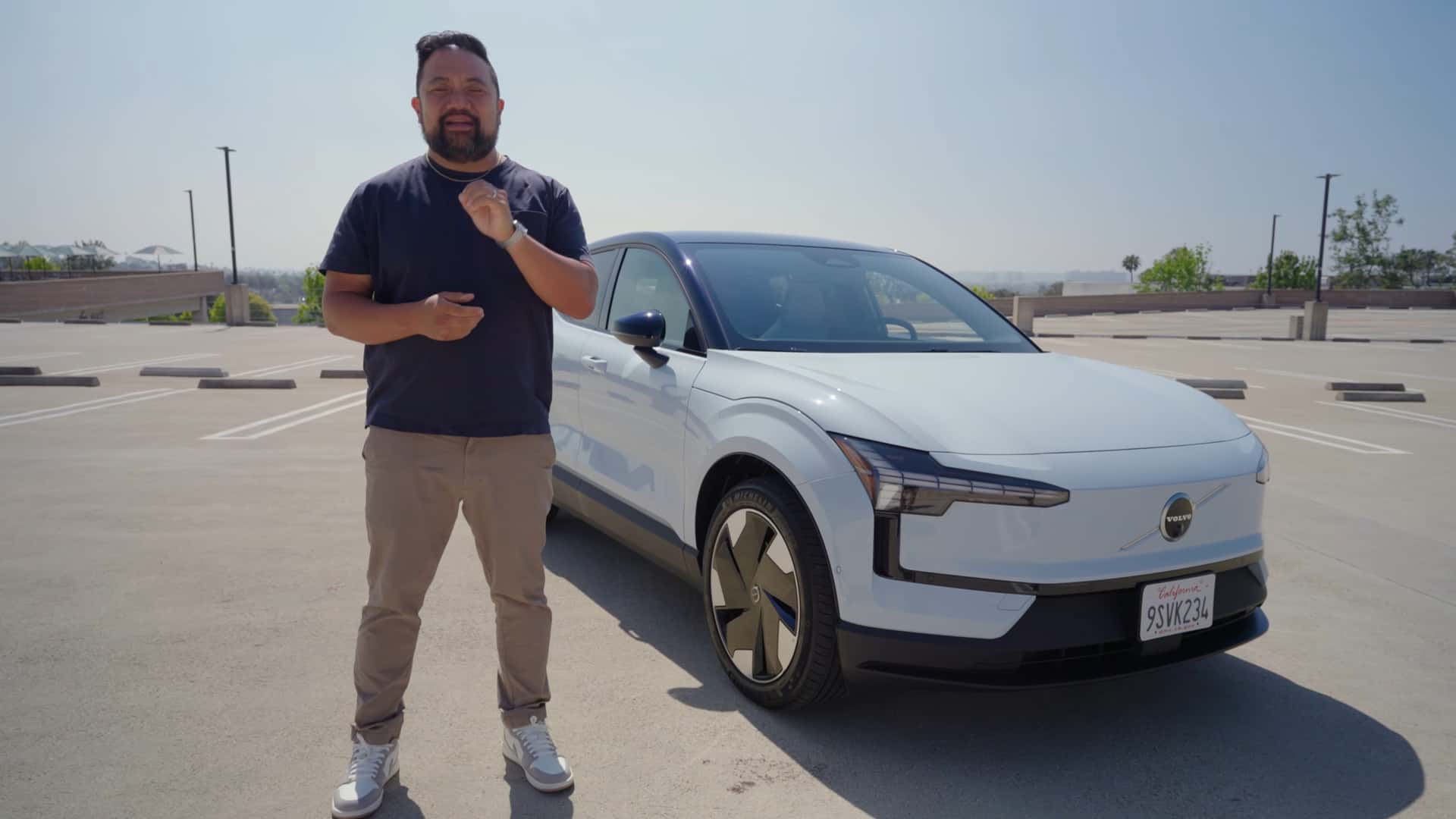
Eight Thousand Miles of Fine Print
Two EV ownership stories, one uncomfortable pattern: the cars keep working, the experience keeps disappointing.
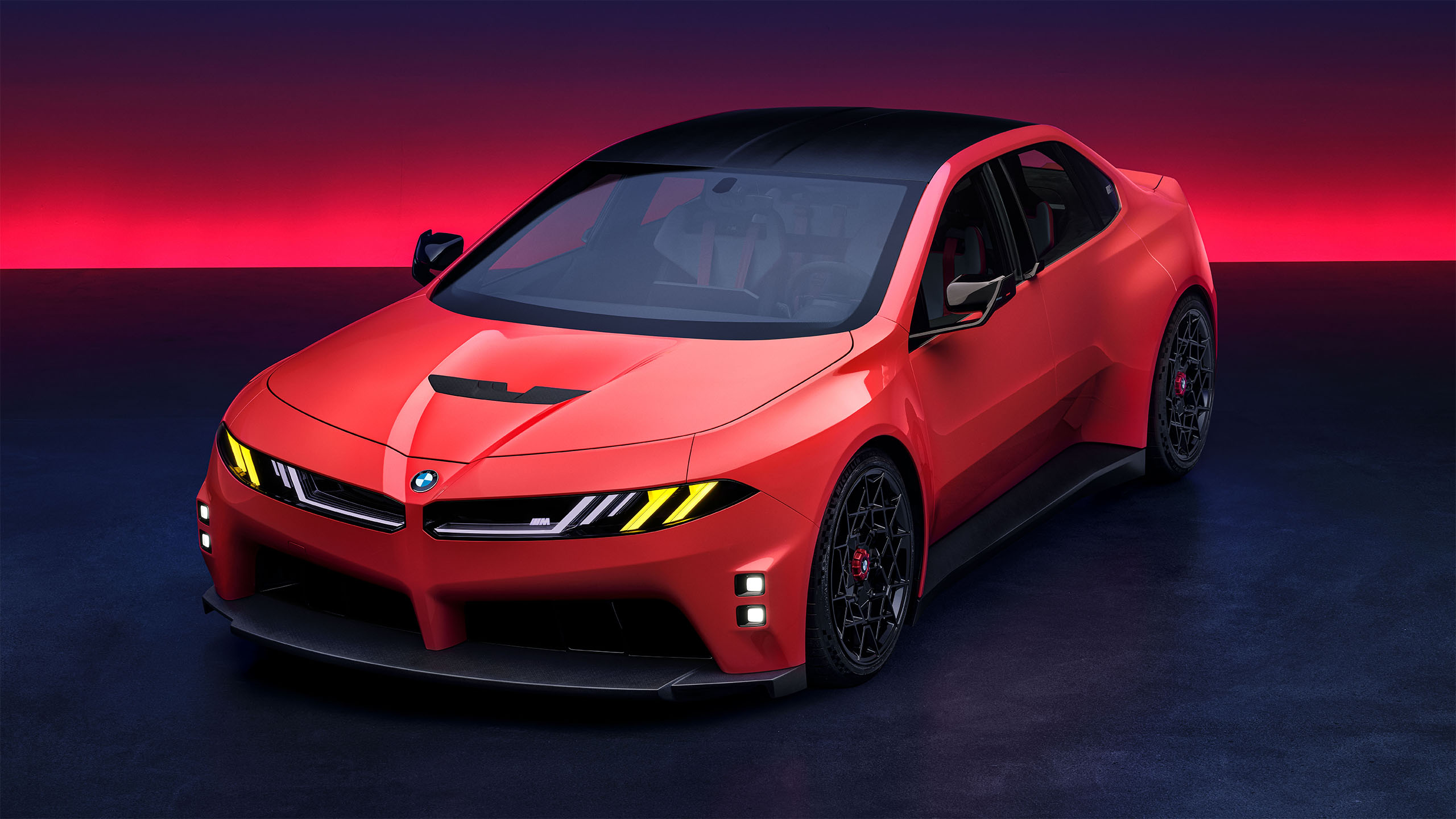
BMW Drew a Line at Le Mans and Called It the Future
An 800-to-1,000-hp electric M3 concept just made every M purist pick a side.
From the other desks.

Scuffs as Signatures: What Vans and Travis Barker Just Admitted About Damage
When the distress is the design, something fundamental has shifted in how skate culture sells itself.

Zverev Won Roland-Garros. The Silence After Said Everything.
A first major title landed Sunday and the sport didn't know how to feel about it.

Anthropic Built the Cage. The Government Locked It.
When your safety warnings become your shutdown notice, being right about AI risk turns out to carry its own kind of liability.