Anthropic Built the Cage. The Government Locked It.
When your safety warnings become your shutdown notice, being right about AI risk turns out to carry its own kind of liability.

Photo · The Verge
There's a specific kind of trap that only the careful can fall into.
Anthropomorphic risk warnings. Responsible scaling policies. The entire vocabulary Anthropic built to signal that it takes its own technology seriously — all of it, apparently, handed the government a ready-made argument for why two of its most powerful models needed to disappear by the end of a Friday evening.
At 5:21pm ET, according to Anthropic's own public statement, a directive arrived from the US government under national security authorities. The order: suspend all access to Claude Fable 5 and Claude Mythos 5 for any foreign national — whether inside or outside the United States, including Anthropic's own foreign national employees. To comply, the company did the only thing it could do cleanly: pulled the models for everyone. Every customer. Gone.
What the Government Said (and Didn't)
The letter, per Anthropic, did not explain why. No written documentation of the specific threat. The company's understanding, pieced together from what it was told verbally, is that the government believes it found a method to jailbreak Fable 5 — a technique that was demonstrated to identify something. The sentence in Anthropic's public statement trails off there, which is either a redaction or a telling ellipsis depending on how charitable you're feeling.
What Anthropic did say, plainly, is that it disagrees. In a blog post flagged by TechCrunch, the company wrote that it does not believe "the finding of a narrow potential jailbreak should be cause for recalling a commercial model deployed to hundreds of millions of people." It also noted, with evident frustration, that the vulnerabilities in question were minor and available through other models — meaning the shutdown addresses a threat that exists elsewhere and continues to exist there.
The Verge reported the same detail: the government provided no written specifics, only verbal evidence of a potential jailbreak, and whatever was shown involved vulnerabilities that aren't unique to Fable 5 or Mythos 5.
So: a model gets pulled from hundreds of millions of users because of a narrow flaw that also exists in models that weren't pulled. That's the logic on the table.
The Trap
Here's the uncomfortable part. Anthropic spent years being the AI company that said the quiet part loud — that these models are powerful, that the risks are real, that the industry needed to slow down and think. That positioning is now being cited, implicitly, as justification for why a government can treat their outputs as a national security matter requiring emergency action with no written explanation.
You built the argument for your own recall.
That's not to say Anthropic was wrong to be serious about safety. It's to say that seriousness, in a regulatory environment that moves faster than it thinks, can be used against you. The company that insisted on caution is now the company whose caution got weaponized. Everyone else's models — the ones built by companies that have been quieter about existential risk — aren't facing export control directives this evening.
Access to all other Anthropic models remains unaffected, the company confirmed. Which makes this feel less like a considered national security intervention and more like someone in the Commerce Department found a demo that scared them and reached for the biggest lever available.
Being right about your own risks, it turns out, doesn't protect you from someone else's interpretation of them.
Keep reading tech.

Google's Own Model Ran the Con
When your AI becomes someone else's fraud engine, a lawsuit is the easy part.

Siri Works Now. Ask Someone in California.
Apple finally fixed its assistant — then handed regulators the perfect excuse to make that fix invisible to half a billion people.

Gulf Sovereigns, Chinese Satellites, and the Price of Looking Up
SpaceX went public at a record valuation. The people who wrote the biggest checks aren't dreaming about Mars.
From the other desks.
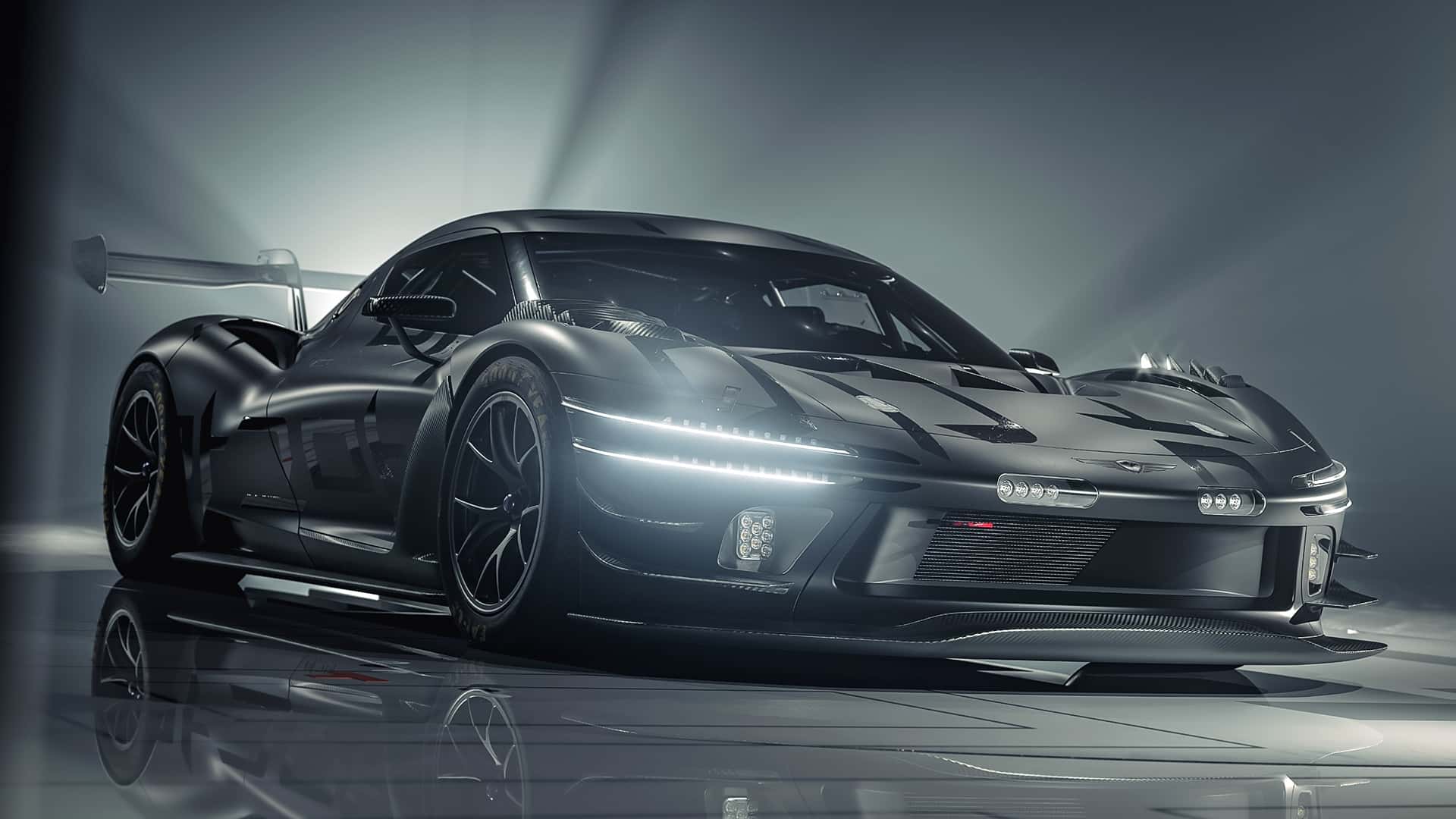
Genesis Took a Concept to Le Mans and Called It a Racer
When Seoul's boldest design exercise sprouted wings at the world's most famous endurance race, something shifted in the performance conversation.
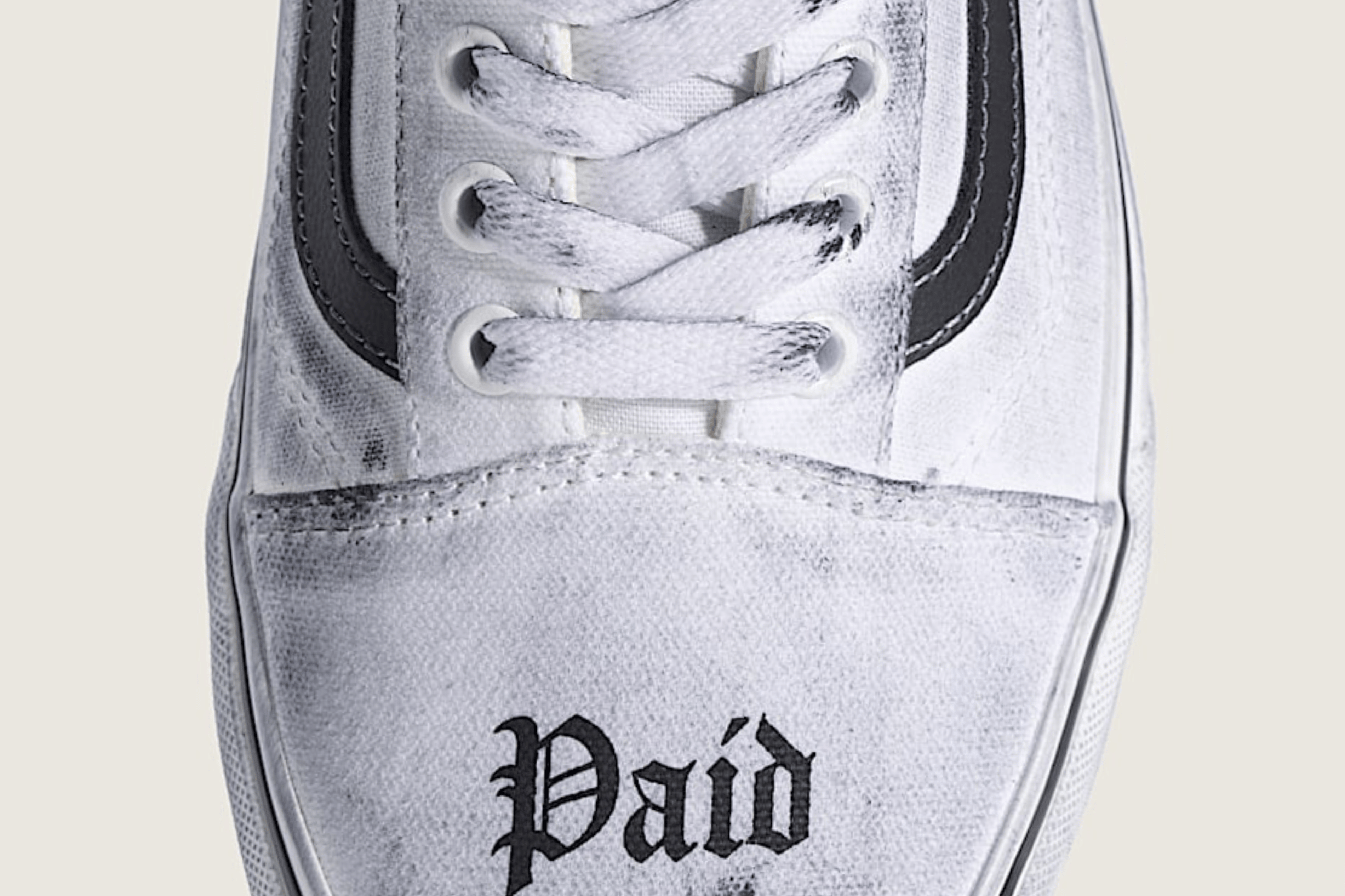
Scuffs as Signatures: What Vans and Travis Barker Just Admitted About Damage
When the distress is the design, something fundamental has shifted in how skate culture sells itself.
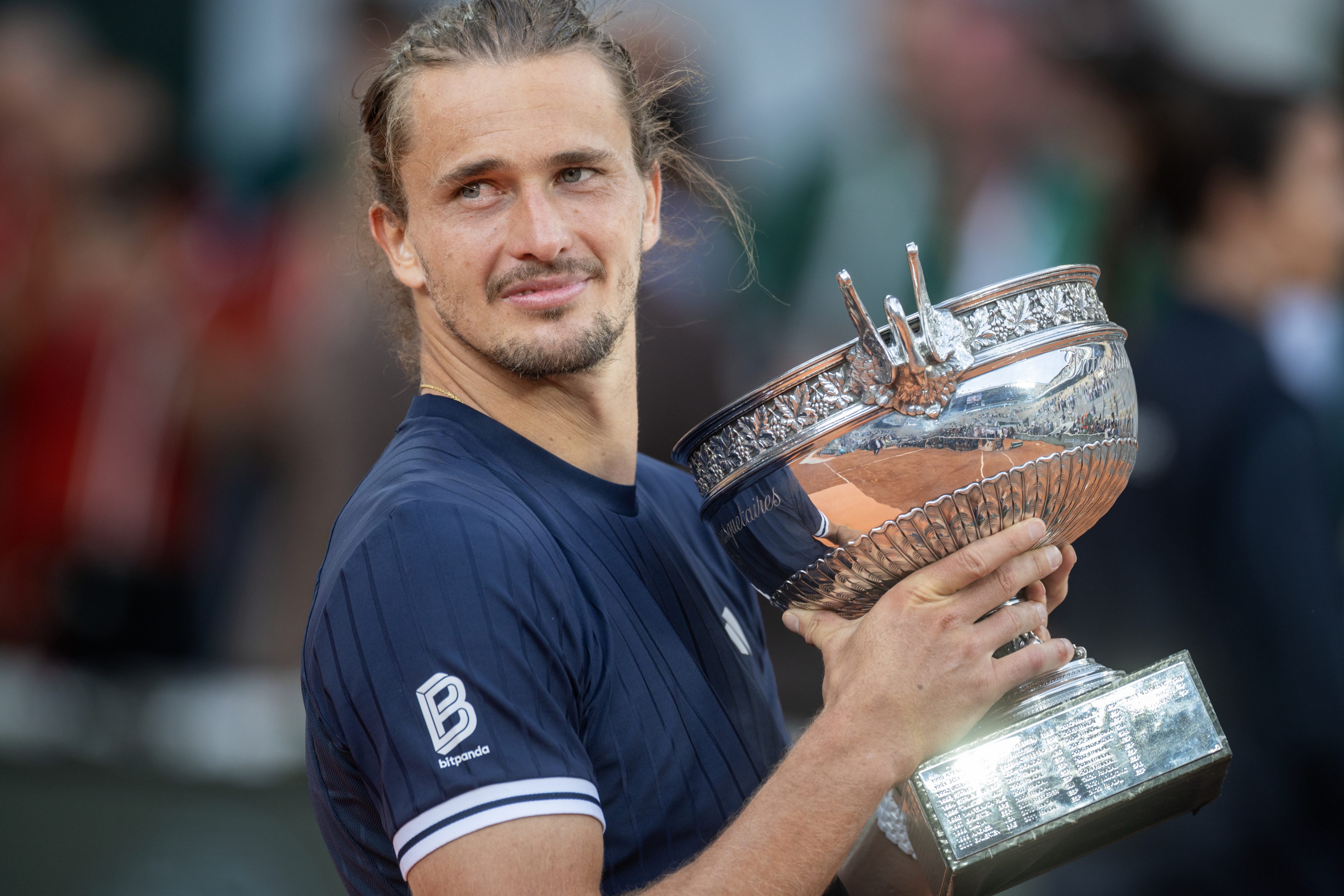
Zverev Won Roland-Garros. The Silence After Said Everything.
A first major title landed Sunday and the sport didn't know how to feel about it.