Zverev Won Roland-Garros. The Silence After Said Everything.
A first major title landed Sunday and the sport didn't know how to feel about it.
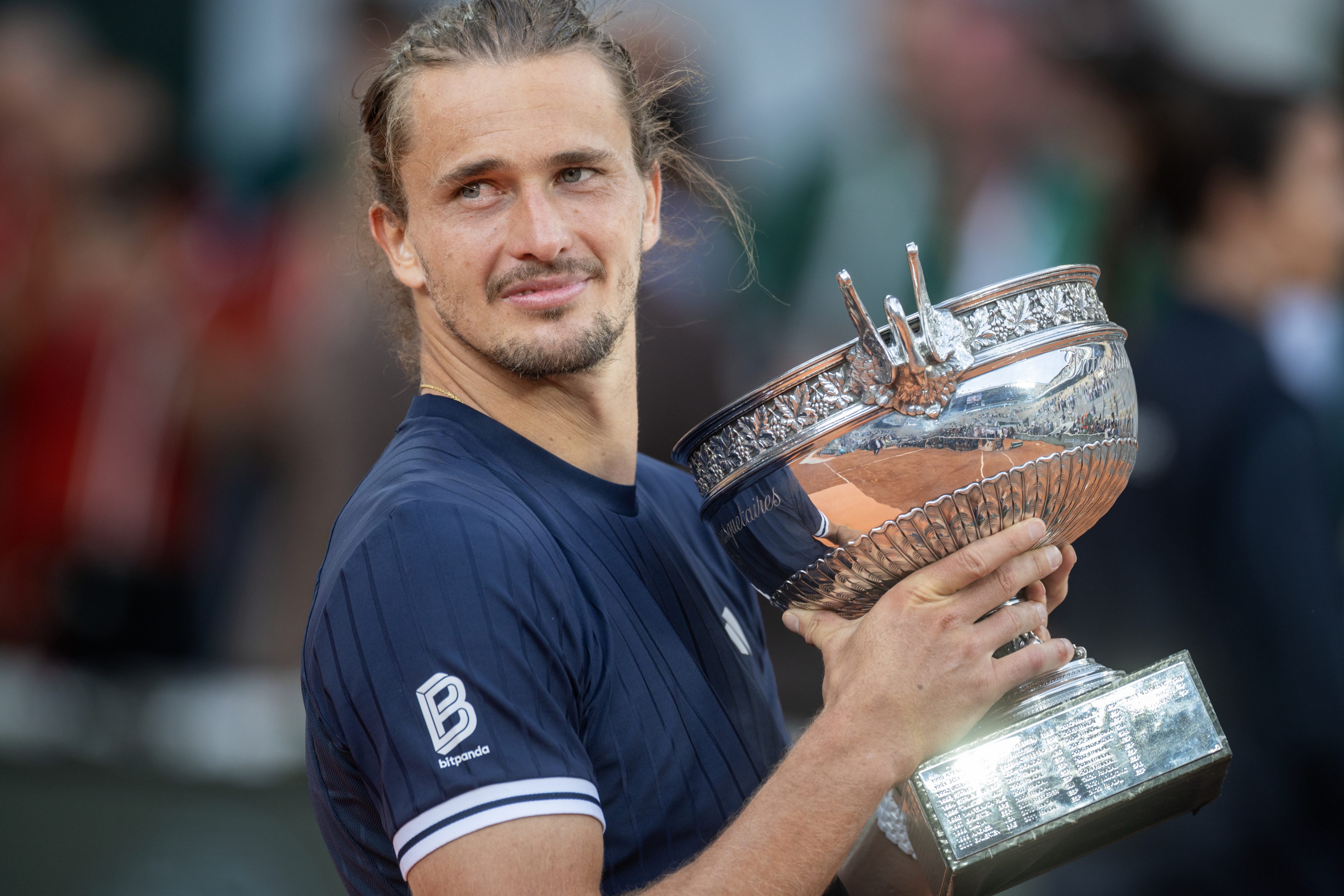
Photo · Defector
The Trophy Without a Story
Alexander Zverev won Roland-Garros on Sunday. He is 29. He had been waiting roughly a decade for this. By every measurable standard of the sport, he finally did the thing.
And then the room went quiet in a way that isn't really quiet at all.
A writer at Defector put it plainly this week: it's hard to find the feel-good angle. That's the piece. That's the whole uncomfortable thesis, stated without flinching. And what's interesting isn't the conclusion — it's that someone felt it necessary to say it out loud, right now, in the afterglow of a man's career achievement.
Because there is material for a good story. Zverev has managed a type-1 diabetes diagnosis through his career, regulating his blood sugar mid-competition. He spent years as one of the most talented players in the draw who couldn't close at the major level, the kind of near-miss narrative sports journalism practically runs on. He won this one with a draw that had been thinned by injuries and early upsets — not unusual in a sport where attrition is part of the tournament — but he still had to show up and win the matches in front of him.
Normally that's enough. Normally the sport leans in.
This time, as the Defector piece makes clear, a large portion of the tennis-watching public and the journalists covering it couldn't get there. The reason is the allegations Zverev has faced — allegations serious enough that they've followed his career through every near-miss and now through the win itself, refusing to dissolve into the background the way inconvenient context usually does when a champion is crowned.
What Excellence Can't Outrun
Sports has always had a complicated relationship with separating performance from person. The usual resolution is that performance wins. The crowd finds a way. The narrative machine finds the angle. The trophy becomes the story and the other thing becomes a footnote, asterisked and eventually forgotten.
What's striking about the Defector piece — and what it reveals about this moment — is that the machine stalled. The writer isn't saying Zverev is guilty of anything. They're saying the feel-good angle is hard to find. That's a more honest and more unsettling observation than a verdict, because it describes a collective failure of comfort rather than a legal conclusion.
That failure matters. Sports fandom runs on the ability to project something onto athletes — hope, resilience, redemption, the idea that the best ones are also somehow worthy of being the best ones. When a win arrives and the projection doesn't load, it exposes how much of what we call "a great story" was always a kind of agreement we made with ourselves.
Zverev didn't need the story to win. He needed to win the tennis matches, and he did. But the culture around the sport needs the story, and right now it doesn't have one it can sell cleanly, and it doesn't quite know what to do with that.
The Defector piece is worth paying attention to not because it breaks news or renders a verdict, but because it names the discomfort directly instead of papering over it with highlights. That's the harder thing to do. And it raises a question that doesn't resolve just because the tournament ended: when excellence arrives without a usable narrative, do we reckon with the silence, or do we just wait for the next match?
Keep reading sports.

53 Years of Waiting Looked Like 20.9 Million People
When the Knicks pulled off the biggest Game 4 comeback anyone had seen in decades, New York didn't just watch — it declared itself appointment television.
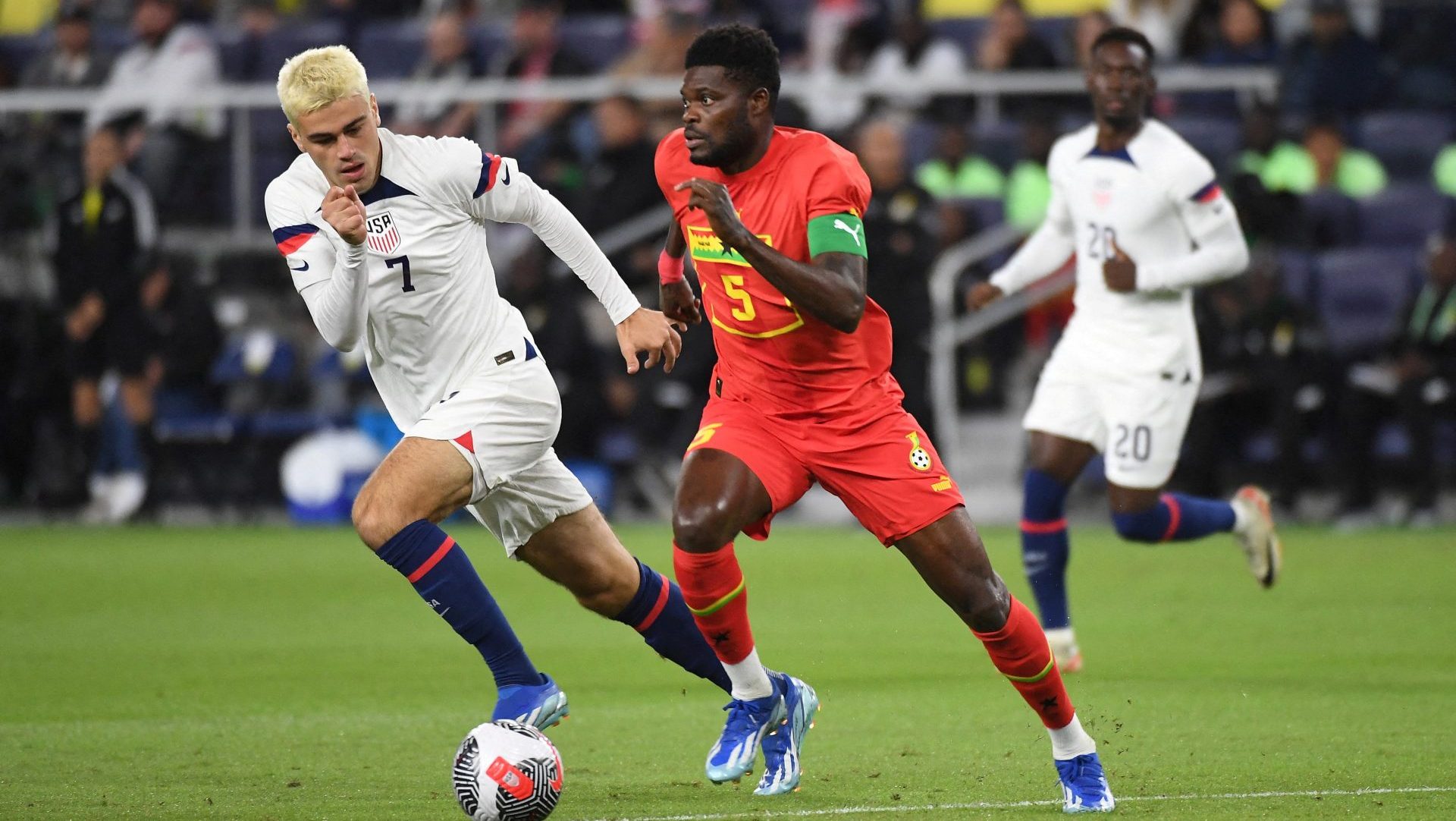
Cyle Larin Scored. Nobody Could Agree on What to Celebrate.
Canada finally got their World Cup point. The conversation was already somewhere else.
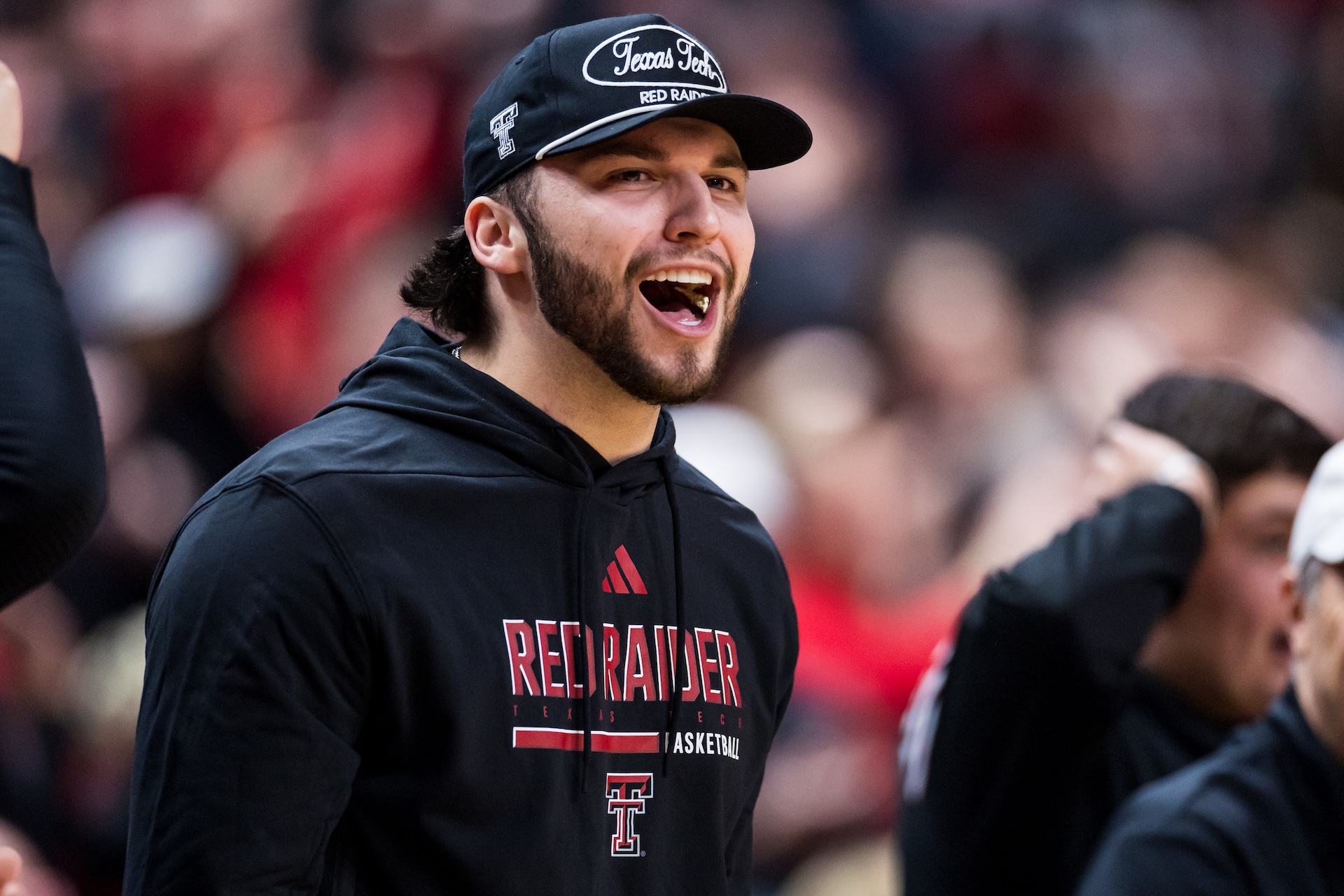
Brendan Sorsby Walked Back Onto the Field and the NCAA Couldn't Stop Him
A Texas court handed a suspended quarterback an injunction, and suddenly the most powerful enforcement body in college sports is optional.
From the other desks.

Genesis Took a Concept to Le Mans and Called It a Racer
When Seoul's boldest design exercise sprouted wings at the world's most famous endurance race, something shifted in the performance conversation.

Scuffs as Signatures: What Vans and Travis Barker Just Admitted About Damage
When the distress is the design, something fundamental has shifted in how skate culture sells itself.

Anthropic Built the Cage. The Government Locked It.
When your safety warnings become your shutdown notice, being right about AI risk turns out to carry its own kind of liability.