53 Years of Waiting Looked Like 20.9 Million People
When the Knicks pulled off the biggest Game 4 comeback anyone had seen in decades, New York didn't just watch — it declared itself appointment television.
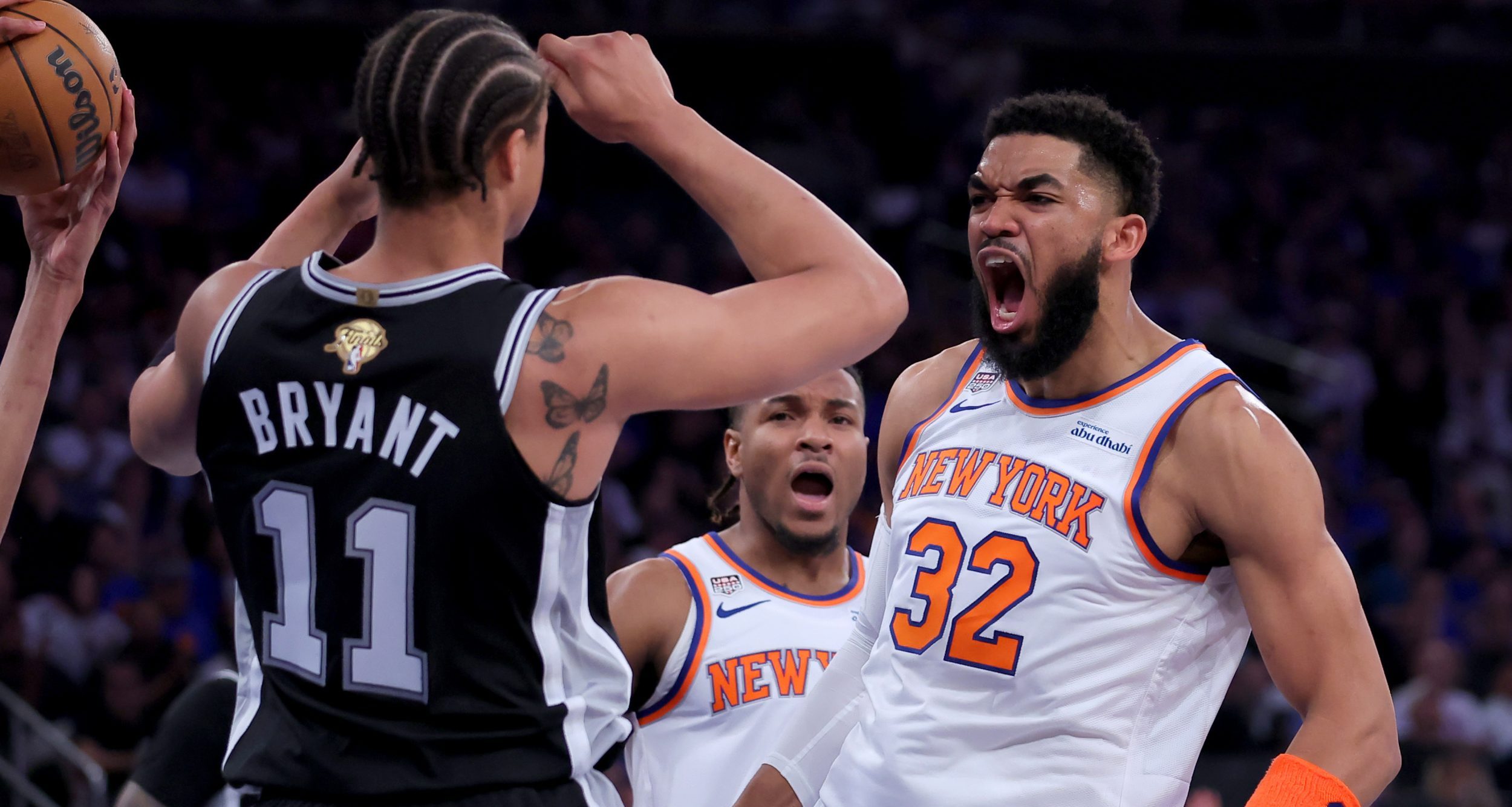
Photo · Awful Announcing
There's a version of this story where the number is the story. Twenty point nine million viewers on ABC for Game 4 of the 2026 NBA Finals — the largest Game 4 audience since 1998, per Awful Announcing. That's a lot of people watching a basketball game on a Wednesday night. But the number is just the receipt. The real story is what people were paying for.
The Knicks and the San Antonio Spurs. An instant classic, Front Office Sports called it. A comeback that will go down in history. You don't generate those phrases — or those viewers — by accident, and you don't generate them by marketing. You generate them by making people feel like they might miss something they will never stop hearing about.
New York has been that city before. It has not been that city in a while.
The City Remembers How to Need This
The Knicks haven't won an NBA championship in 53 years. That fact sits underneath everything — the watch parties the team announced across New York City for Game 5, the scramble for tickets, the coverage that reads less like sports journalism and more like a civic event being documented in real time. The NY Post reported that the Knicks were hosting three separate watch parties in the city as the team looked to clinch. That's not a PR move. That's a city that has run out of patience for pretending it doesn't care.
And then there's what happened in San Antonio. Reports surfaced, picked up by Men's Journal and the NY Post, that Knicks fans were buying up tickets to Game 5 at a rate that alarmed the home team. Ticketmaster stepped in to block out-of-market purchasers on behalf of the Spurs — essentially a digital velvet rope around the arena to keep New York money out. You don't build that wall unless the flood is real.
Think about what that means. Knicks fans were willing to travel to Texas for a potential clinching game, willing to pay whatever the market demanded, willing to exist in enemy territory just to be in the room. That's not fandom. That's hunger with a credit card.
What 28 Years Actually Means
The 1998 comparison deserves a second. That was the Jordan era. The Finals were a cultural event in a way the league has been chasing ever since. To draw a Game 4 audience that size now — in a fragmented media landscape, against every other thing competing for attention on a screen — means something broke through.
It means the game was that good. The comeback was that real. And it means the Knicks, specifically, carry a kind of narrative weight that even casual fans respond to. New York losing for a long time and then threatening to win is a story structure that works on people who don't follow the standings. It works on people who haven't watched a full game in years. It works because the city is legible to the entire country, and when it suffers, everyone knows what the suffering looks like, and when it's about to end, everyone wants to see the face it makes.
That's the thing the viewership number actually measures. Not loyalty. Not market size. Permission — the collective decision that this is worth watching live, worth canceling plans for, worth being present for instead of catching the highlights later.
New York just got that permission back. San Antonio is trying to hold the door.
The scoreboard will settle it. But 20.9 million people already showed up to care.
Keep reading sports.
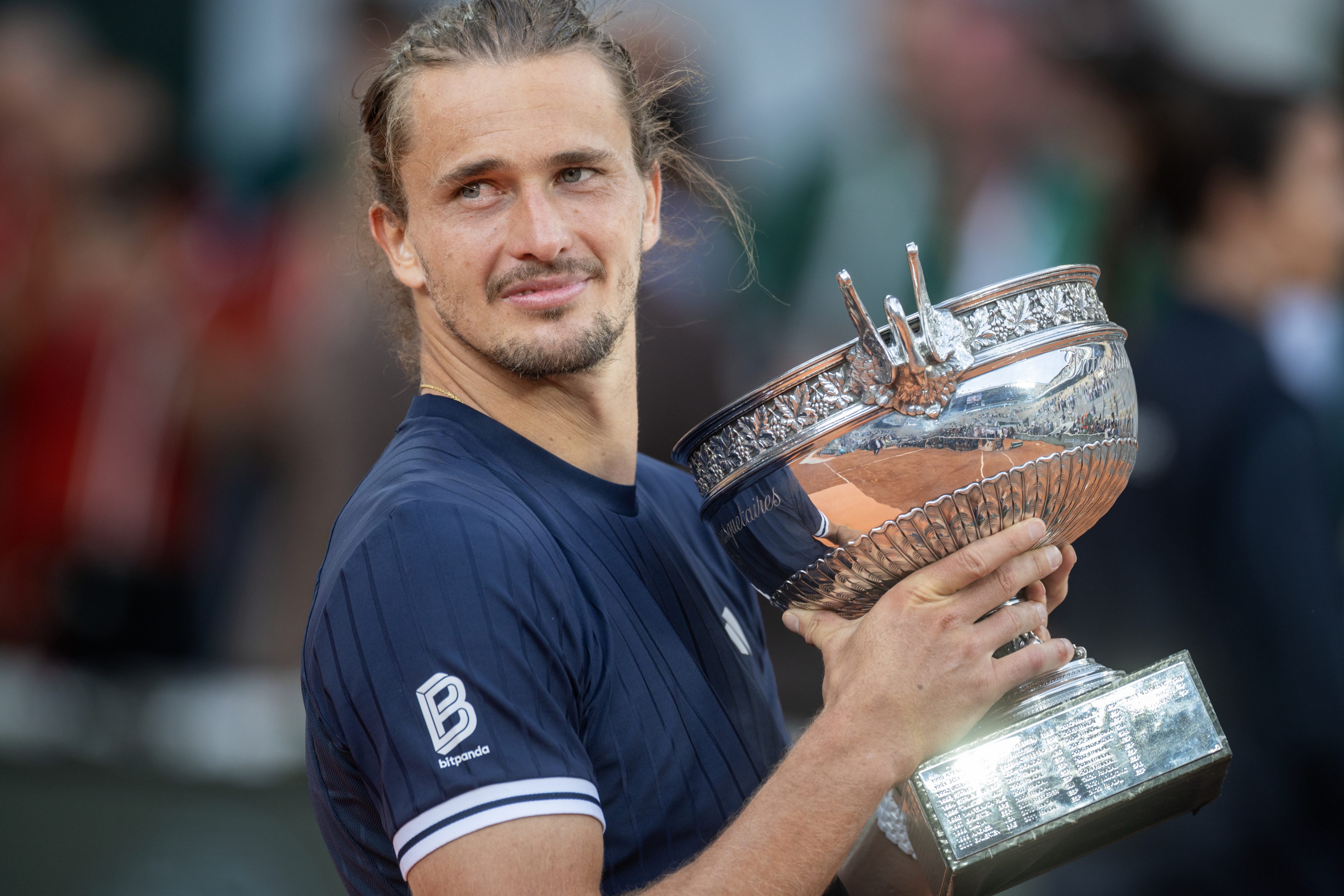
Zverev Won Roland-Garros. The Silence After Said Everything.
A first major title landed Sunday and the sport didn't know how to feel about it.
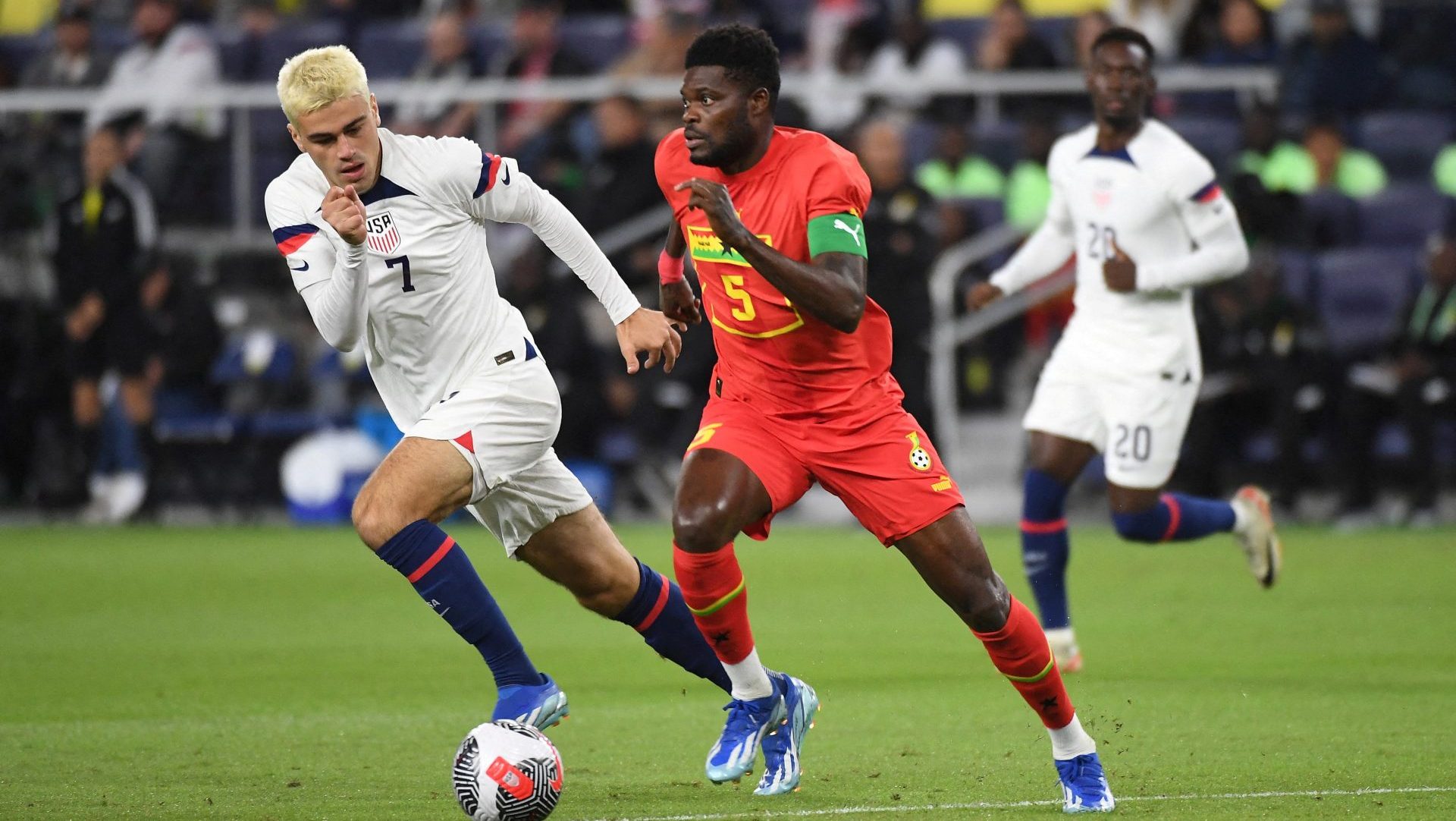
Cyle Larin Scored. Nobody Could Agree on What to Celebrate.
Canada finally got their World Cup point. The conversation was already somewhere else.
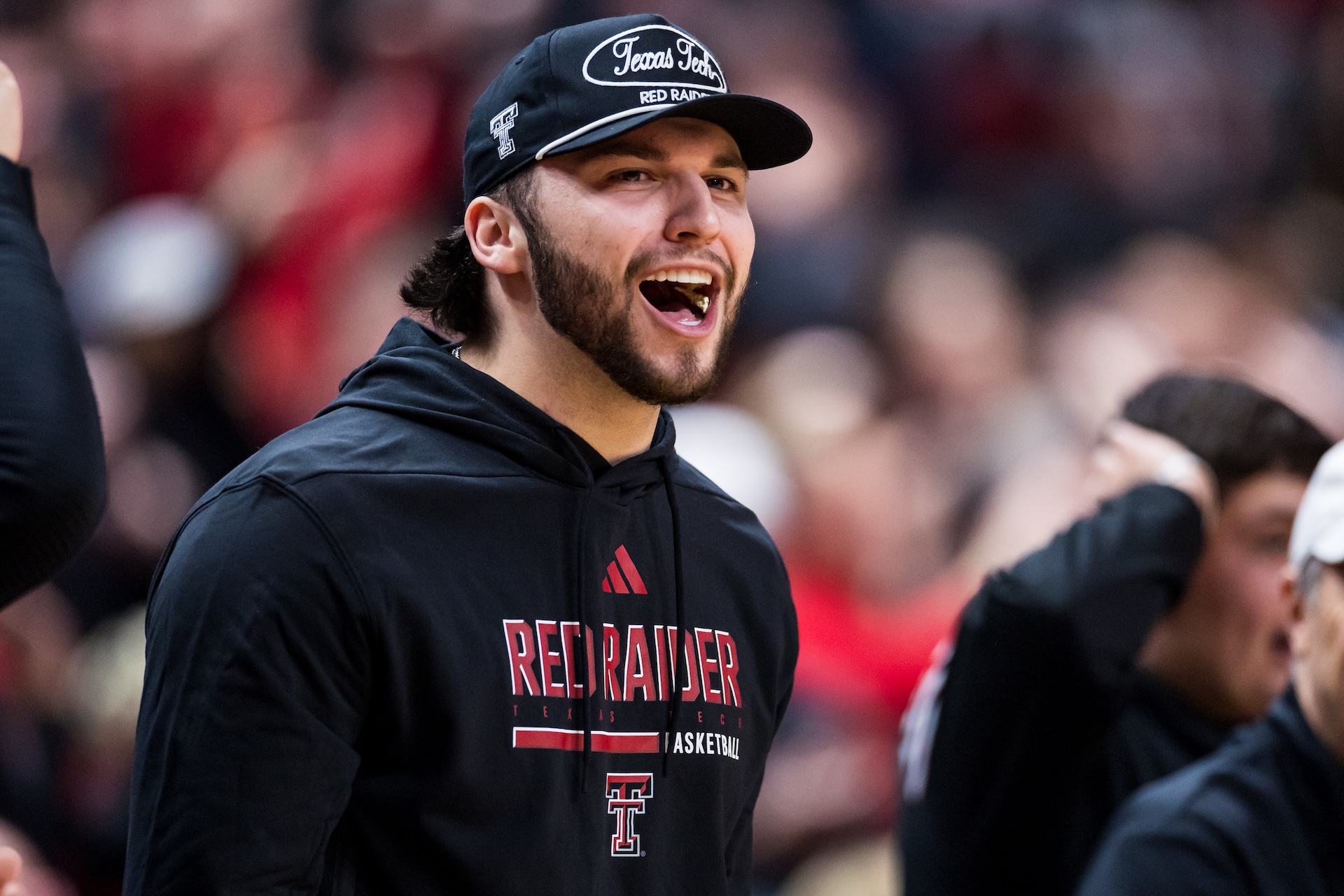
Brendan Sorsby Walked Back Onto the Field and the NCAA Couldn't Stop Him
A Texas court handed a suspended quarterback an injunction, and suddenly the most powerful enforcement body in college sports is optional.
From the other desks.

Genesis Took a Concept to Le Mans and Called It a Racer
When Seoul's boldest design exercise sprouted wings at the world's most famous endurance race, something shifted in the performance conversation.
Scuffs as Signatures: What Vans and Travis Barker Just Admitted About Damage
When the distress is the design, something fundamental has shifted in how skate culture sells itself.

Anthropic Built the Cage. The Government Locked It.
When your safety warnings become your shutdown notice, being right about AI risk turns out to carry its own kind of liability.