Minimalism Has Been Lying to Us. Oliver Gallaugher Is Telling the Truth.
A writer at Worn & Wound just described a watch that looks simple and costs a fortune to make — and that tension is worth sitting with.
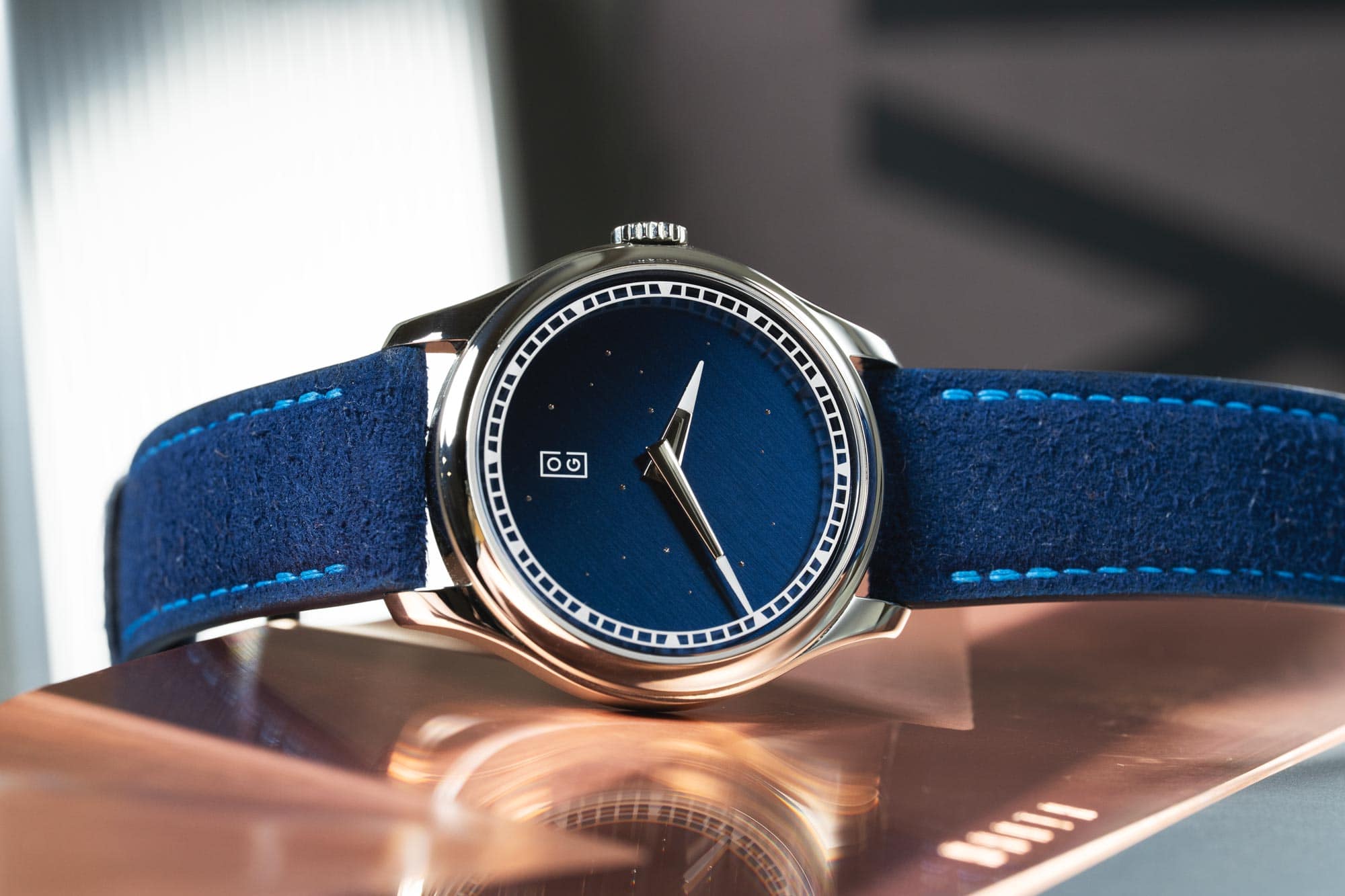
Photo · Worn & Wound
The Clean Thing That Costs
Something has shifted. A writer at Worn & Wound, reviewing the Oliver Gallaugher Deep Space Blue, lands on a tension that most watch coverage sidesteps entirely: the object looks stripped-down, and the manufacturing is anything but. What reads as restraint, apparently, is the product of elaborate process. What looks, at a glance, like something simple — a hand, say — never is.
That's a specific kind of honesty, and it matters more right now than it might seem.
For the better part of a decade, minimalism in design carried an implicit promise: fewer elements, lower cost. The logic felt airtight. Remove the clutter, remove the expense. Scandinavian furniture sold this idea to an entire generation. Fast fashion borrowed the aesthetic and stripped out the craft. Eventually the clean line became shorthand for affordable, and everyone got comfortable with that equation.
Watch design wasn't immune. Plenty of brands learned to look minimal while cutting corners at every turn. A flat dial, no indices, one or two hands — easy to produce, easier to photograph. The visual vocabulary of serious watchmaking, borrowed and hollowed out.
What Gallaugher's Approach Actually Argues
What the Worn & Wound piece quietly surfaces is that Oliver Gallaugher is working from a different premise entirely. The aesthetic is clean, yes. But the methods are complex. The costs are higher because the difficulty is higher — not despite the simplicity, but because of it. When you remove every element that could hide a flaw, the things that remain have to be made with a precision that decorative complexity never demands.
That's a design philosophy with real stakes. It means the object can't hide. A complicated dial forgives a lot. A spare one forgives nothing.
I keep coming back to the writer's word: riskiness. There's something clarifying about that framing. Because it acknowledges that this approach isn't just an aesthetic preference — it's a bet. Gallaugher is betting that the people who pick this up will understand that the plainness is the hard part. That the cost reflects the making, not the ornamentation.
Most buyers won't know that immediately. They'll see clean lines and feel the price and pause. The story isn't on the surface. It has to be told.
And that's exactly what Worn & Wound is doing by publishing this piece now. There's a growing appetite — quiet but real — for objects that demand you understand what you're holding before you judge it. The Deep Space Blue is apparently one of those objects. The review doesn't gush. It admires, which is different. Admiration requires comprehension.
Minimalism stopped being cheap the moment someone decided to actually mean it.
Keep reading fashion.
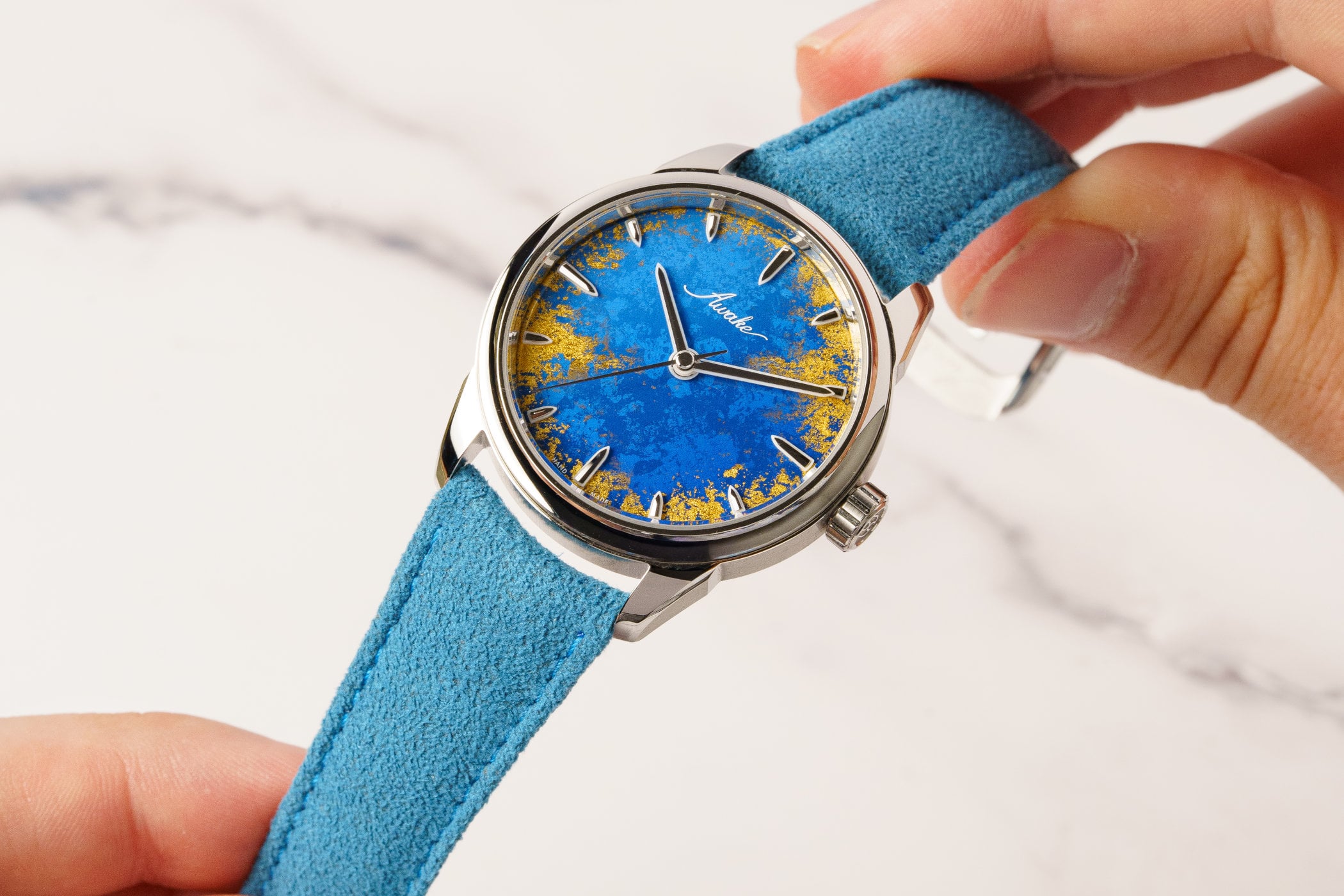
Gold Leaf on a Lacquer Dial, and the Weight of What That Costs
Awake's Frosted Leaf Royal Blue asks a question Vietnamese craft has never quite had to answer at this price.

Kyle Smith Has a Job Title That Didn't Exist Before. That's the Whole Tell.
When the NFL hires a fashion editor, it's not about clothes — it's about who gets to decide what matters.
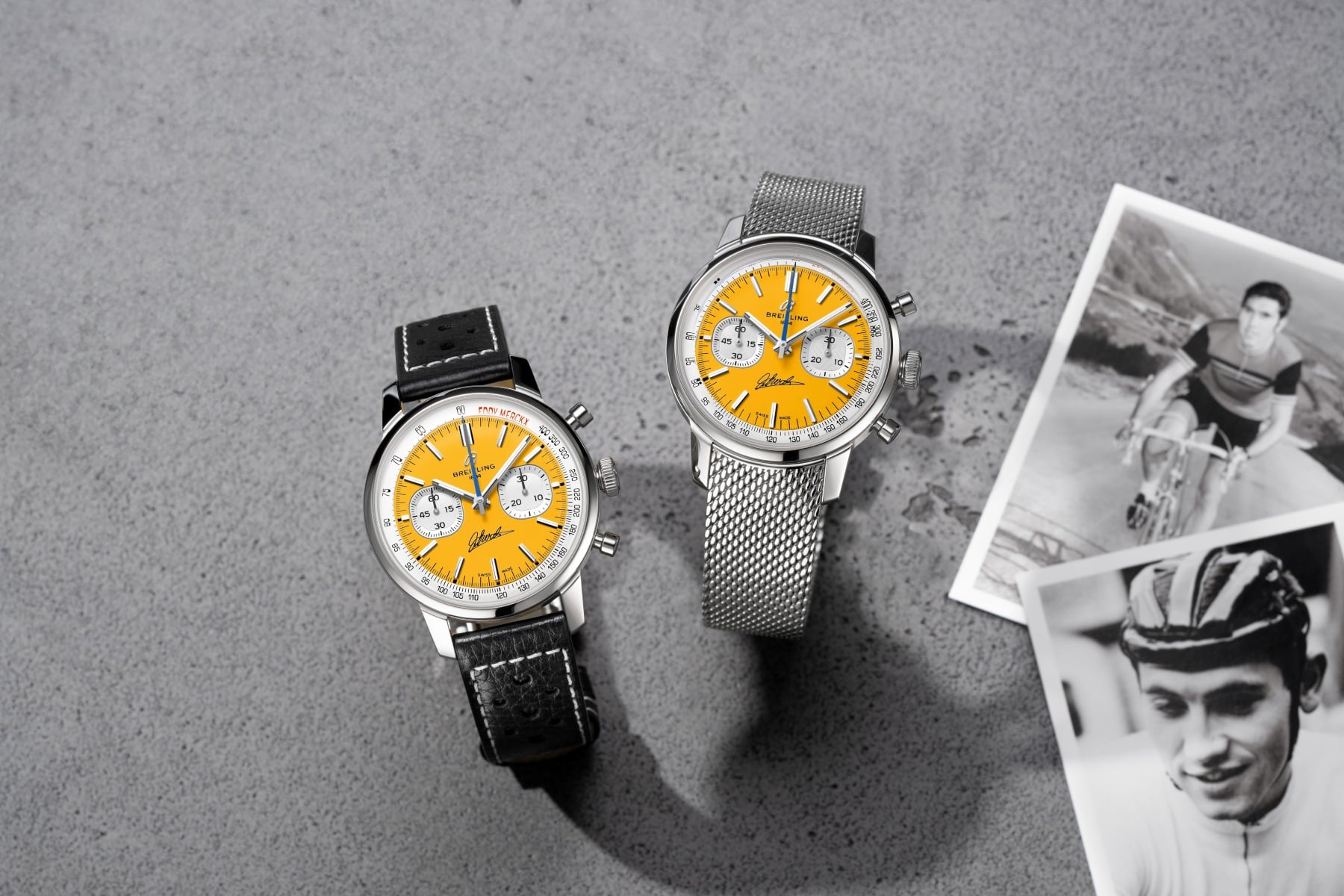
525 Victories, One Dial, and Cycling's Long Wait for a Wrist
Breitling's Eddy Merckx edition doesn't just reference a legend — it asks whether motorsport's younger sibling has finally earned its place in serious watch culture.
From the other desks.

800 Horsepower, One Ton of Doubt
Lamborghini built the most powerful SUV it's ever made. It's also slower than what it replaced.

ESPN Named Him. Then Unnamed Him. Nobody's Explaining the Gap.
A retraction without a reckoning is just a deleted link.

Hide My Email Has Been Showing Your Email
Apple's privacy flagship has a hole in it. They've known for over a year.