Brunson Had a Championship and Used It on This
When a Finals MVP burns celebration capital defending a broadcaster from a pop star's fanbase, something has shifted in what athletes think they're allowed to say.
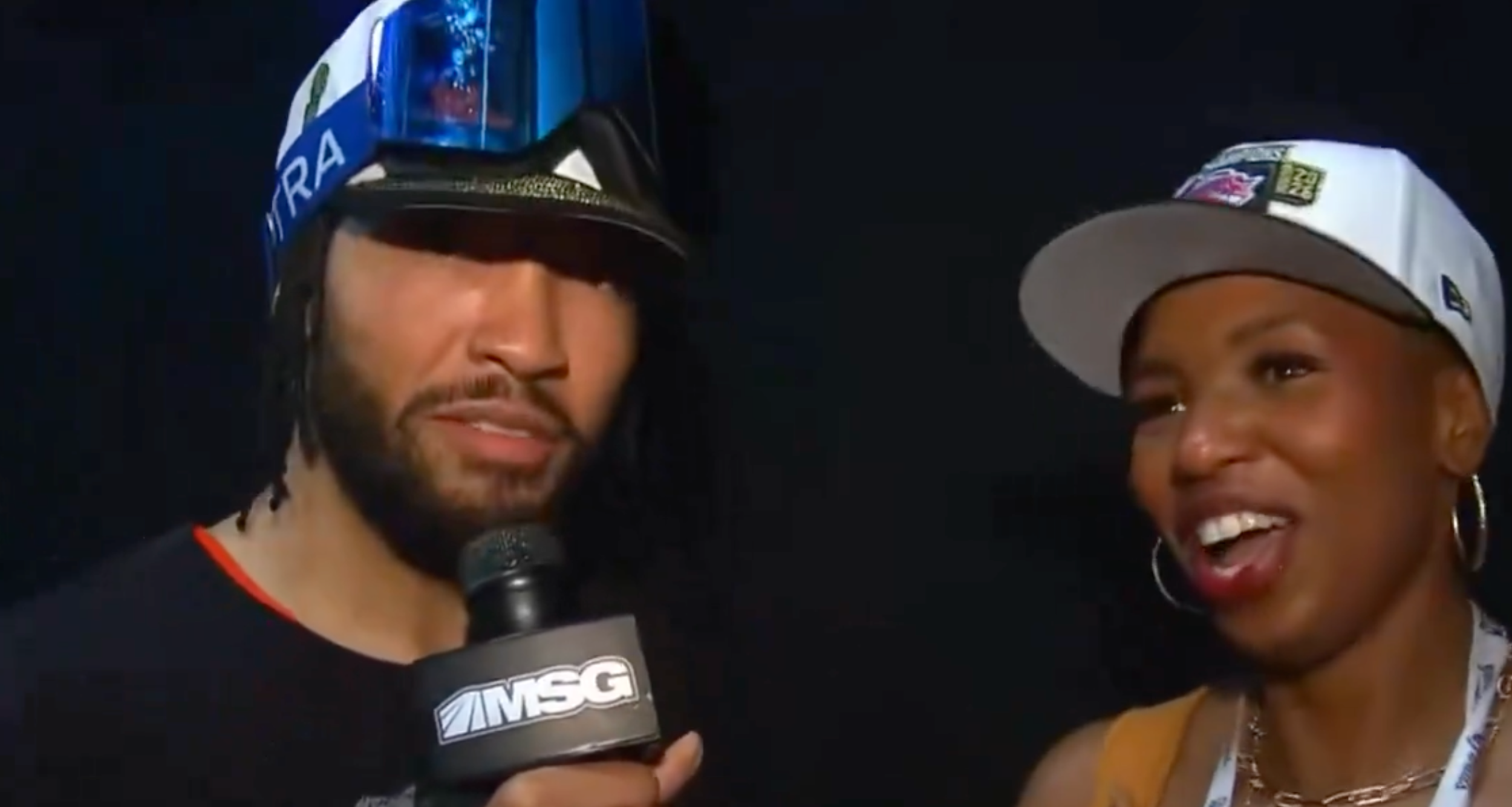
Photo · Awful Announcing
Jalen Brunson just won the Knicks an NBA championship. Then he turned to a camera and addressed the Swifties.
Not his teammates. Not the city. Not the decades of suffering that preceded this moment. The Swifties.
A writer at Awful Announcing flagged it: in the postgame moments after New York closed out San Antonio, Brunson used some portion of his platform — the most valuable real estate an athlete occupies all year — to publicly defend television analyst Monica McNutt against harassment from Taylor Swift's fanbase. That's the fact. The fact is strange enough on its own.
What He Gave Up to Say It
Championship night is finite. There's a window — maybe an hour, maybe two — where the world is watching and the confetti is still in the air and whatever you say carries the full weight of what just happened. Coaches use it to thank assistants. Veterans use it to eulogize the journey. Stars use it to secure their legacy in a single quotable line.
Brunson used some of it on discourse.
That's not a criticism. That's the thing worth paying attention to. Because the old template — head down, stay in your lane, this is about basketball — is visibly breaking. Athletes have been edging toward full personhood in public for a while now, but there's something different about doing it here. On the biggest night. When the math says every second should be about the ring.
The calculation Brunson made, consciously or not, is that he had enough credibility in that moment to spend some of it on something that had nothing to do with winning. That's confidence of a different kind than what you need to hit a shot in the fourth quarter.
Whether It Was Allowed
Here's what the Awful Announcing piece is really surfacing, even if it doesn't say so directly: we're still figuring out whether athletes are allowed to have opinions about the media ecosystem they live inside.
For years the answer was effectively no. You could thank broadcasters. You could dodge uncomfortable questions. You could give the safe answer about focusing on the game. The unwritten rule was that the press conference was a transaction — they ask, you deflect, everyone goes home. The athlete's actual view of any of it stayed private.
Brunson didn't do that. He walked into postgame and named a specific fanbase and made a specific ask on behalf of a specific person. That's not deflection. That's participation.
Whether McNutt needed the defense, whether the Swifties deserved the callout, whether this changes anything about how fan harassment works online — none of that is really the story. The story is that a Finals MVP decided the moment was big enough to absorb a detour, and that the detour was worth taking.
Maybe he's right. Maybe when you've just won a championship, you've earned the right to say whatever you want with it. Maybe that's always been true and players just didn't believe it until recently.
Or maybe the moment reveals something simpler: that Brunson looked around at what was happening to someone he respected, decided it was wrong, and said so out loud — because he could, and because silence in that moment would have been its own kind of choice.
Championship capital. He spent a little of it here. Make of that what you will.
Keep reading sports.

Aldon Smith Was 36, and Nobody Knows What Happened Next
A former NFL star is dead, the cause is unknown, and the league's wellness promises are standing very quietly in the corner.
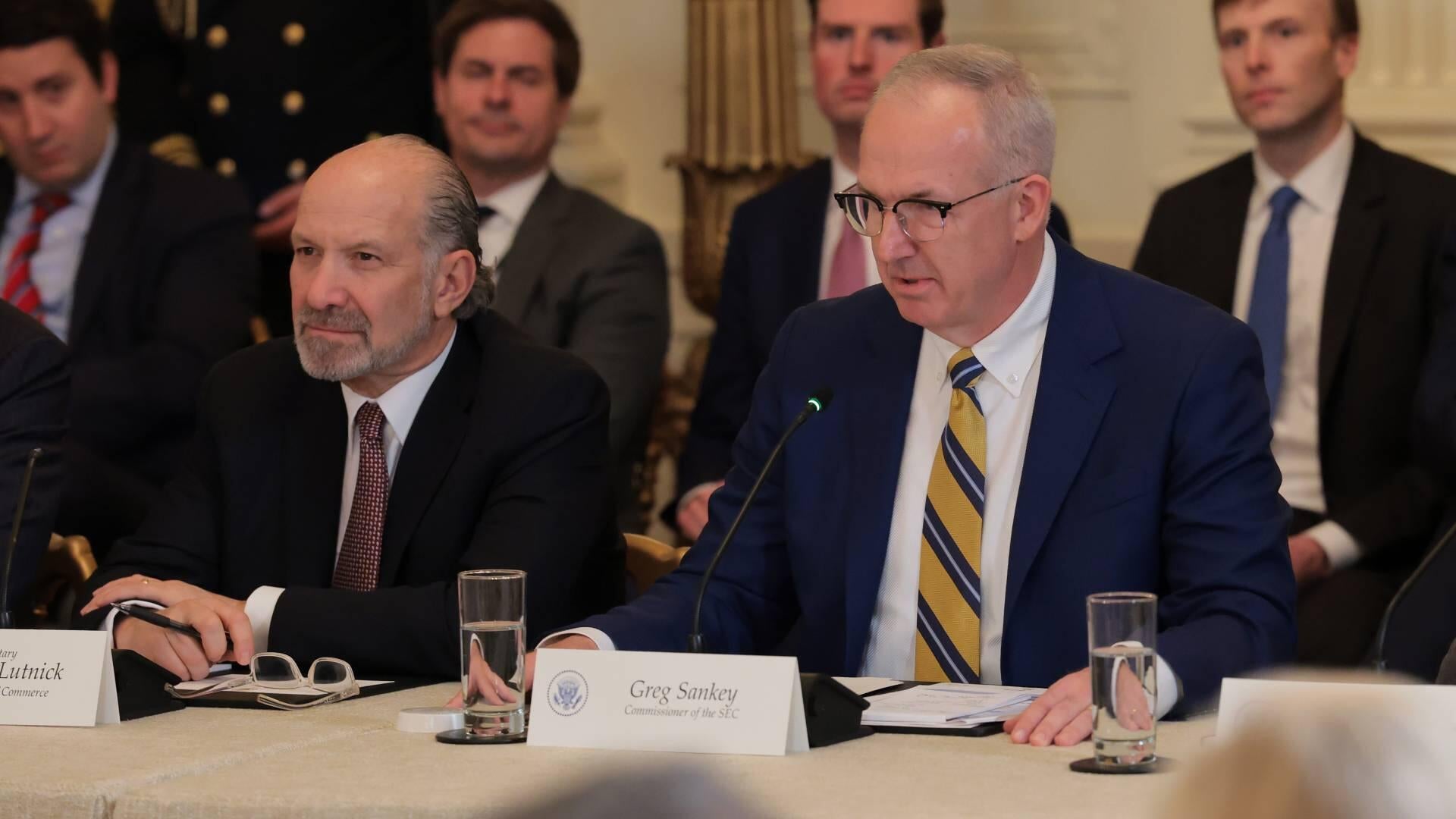
SEC Wrote a Memo Against the Fix. Read That Sentence Again.
When the most powerful conference in college sports warns that a reform bill will make litigation worse, the confession buried inside that argument is more damning than the bill itself.
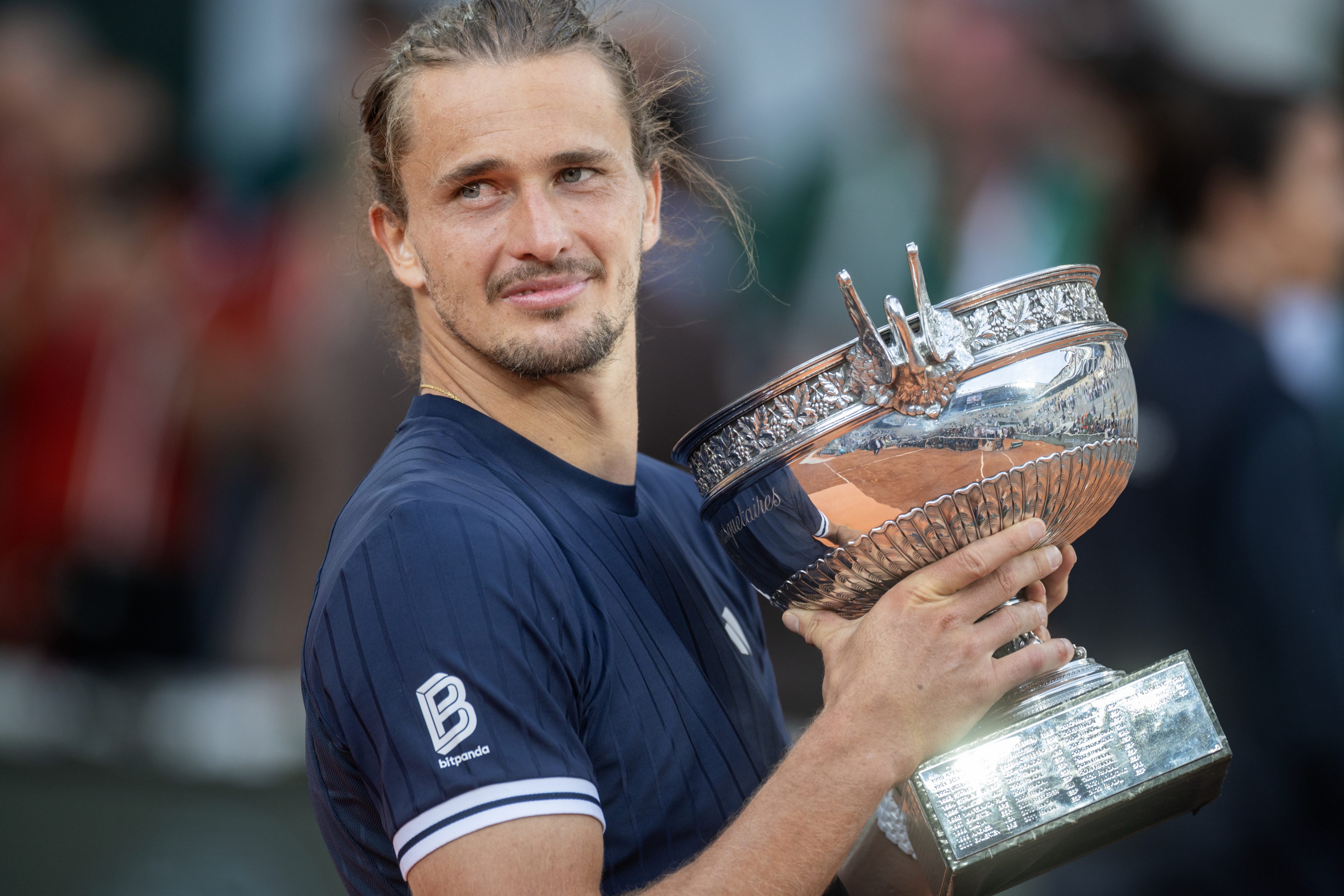
Zverev Won Roland-Garros. The Silence After Said Everything.
A first major title landed Sunday and the sport didn't know how to feel about it.
From the other desks.
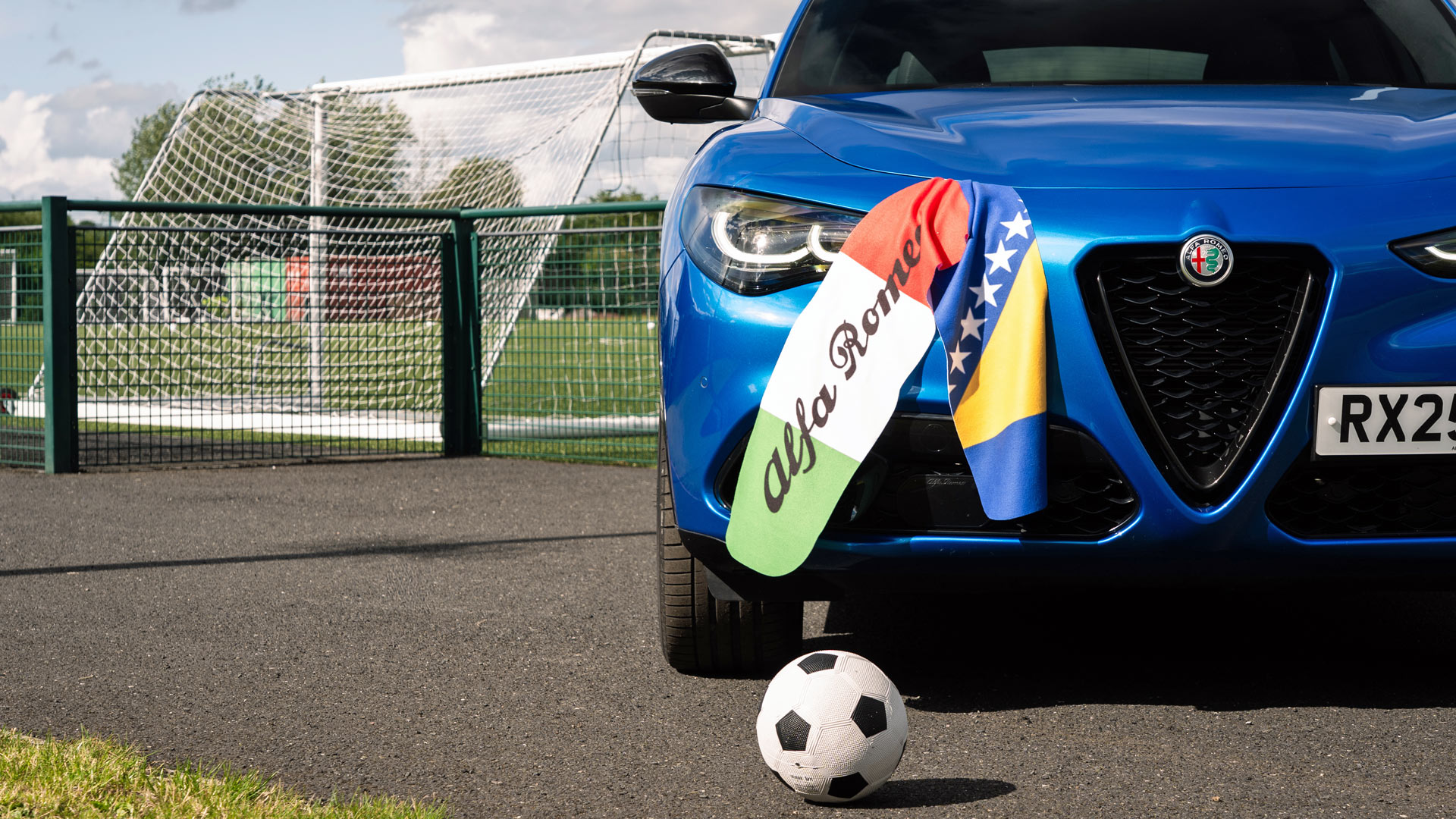
Alfa Romeo Is Cheering for Bosnia Now, and They'd Like You to Know It
A World Cup discount tied to a country Alfa Romeo has no business backing is either the dumbest sponsorship idea of the year or the most honest one.
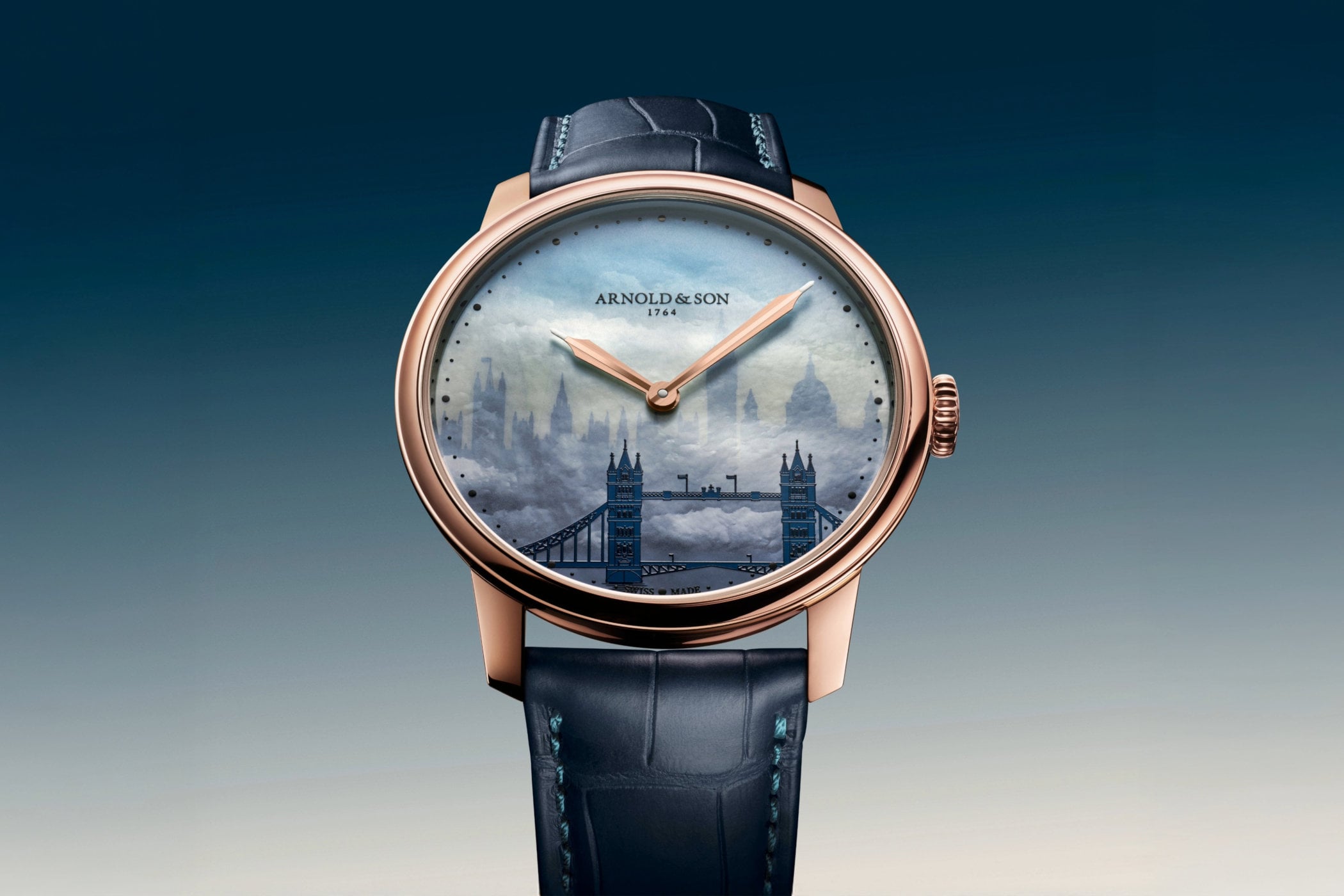
260 Years Old, and Arnold & Son Just Learned to Wink
A mother-of-pearl London dial that hides its own secrets in the dark — and what that says about heritage watchmaking right now.

42 Attorneys General Subpoenaed OpenAI's Ads, Its Safety Policies, and Its Sycophancy All at Once
When regulators come for your chatbot's personality, the credibility problem runs deeper than compliance.