Aldon Smith Was 36, and Nobody Knows What Happened Next
A former NFL star is dead, the cause is unknown, and the league's wellness promises are standing very quietly in the corner.

Photo · NY Post Sports – Latest News, Scores, Stats & Videos
The last thing Aldon Smith told an interviewer was that he'd had better days.
He was 36. He said it plainly, without apparent alarm — the kind of admission that reads differently in retrospect than it did in the moment. By Saturday, he was dead. And as of this writing, nobody officially knows why.
That gap — between a man saying he'd had better days and a man being gone — is where this story lives. And it's uncomfortable precisely because it refuses to close neatly.
What We Know, and What We Don't
Smith died at 36, according to reporting from the NY Post. His cause of death, per Men's Journal, is under investigation, with new details about his final hours still emerging and no public determination made. That's it. That's the whole ledger of confirmed facts. The rest is silence — institutional, organizational, and otherwise.
And here's what bothers me about that silence: Aldon Smith's career was defined by the NFL's relationship with player welfare. His struggles were public. His suspensions were documented. His path back to the league after years away was framed, in part, as a story about second chances and support systems. The league liked that narrative. It fit cleanly into the language of wellness and redemption that the NFL has been speaking more fluently in recent years — the mental health initiatives, the player assistance programs, the careful messaging about destigmatizing struggle.
None of that language is in the room right now. The room is quiet.
The Credibility Test Nobody Wanted
Mental health infrastructure in professional sports gets evaluated in one of two ways: proactively, through visible investment and player testimony, or retroactively, through what happens when someone falls through. The proactive version is easier. It involves press releases and partnerships and athletes willing to speak openly about getting help. It's a story the league can shape.
The retroactive version is harder. It asks whether the system actually caught anyone. It asks what the hours before a death looked like, and whether any of the machinery was moving. It asks questions that can't be answered with a wellness program brochure.
Smith told someone in a final interview that he'd had better days. That's not a cry for help in the dramatic, legible sense. It's quieter than that — the kind of thing a person says when they're not quite ready to say more, or when they've learned that saying more doesn't always produce results. We don't know which it was. We may not find out.
What we do know is that the NFL will eventually be asked to account for this. Not legally, necessarily. But morally, in the way that institutions are always eventually asked to account for the distance between their stated commitments and their actual reach. The league has spent years building a story about how differently it treats player welfare now. Aldon Smith's death — unexplained, investigated, shrouded in those final ambiguous hours — is a test of that story's durability.
Silence, in moments like this, isn't neutral. It's a position. And right now, the position is: we don't know, and we're not saying much until we do.
Maybe that's appropriate. Investigations take time. Families deserve privacy. Rushing to conclusions about cause of death before the facts are established would be its own kind of failure.
But the question of what the system did or didn't do — that one doesn't require a toxicology report. It requires honesty. And honesty, from large institutions protecting large interests, tends to arrive slowly, if at all.
Aldon Smith said he'd had better days. He was 36. Someone should be asking who else knew that, and what they did about it.
Keep reading sports.
Brunson Had a Championship and Used It on This
When a Finals MVP burns celebration capital defending a broadcaster from a pop star's fanbase, something has shifted in what athletes think they're allowed to say.
SEC Wrote a Memo Against the Fix. Read That Sentence Again.
When the most powerful conference in college sports warns that a reform bill will make litigation worse, the confession buried inside that argument is more damning than the bill itself.
Zverev Won Roland-Garros. The Silence After Said Everything.
A first major title landed Sunday and the sport didn't know how to feel about it.
From the other desks.
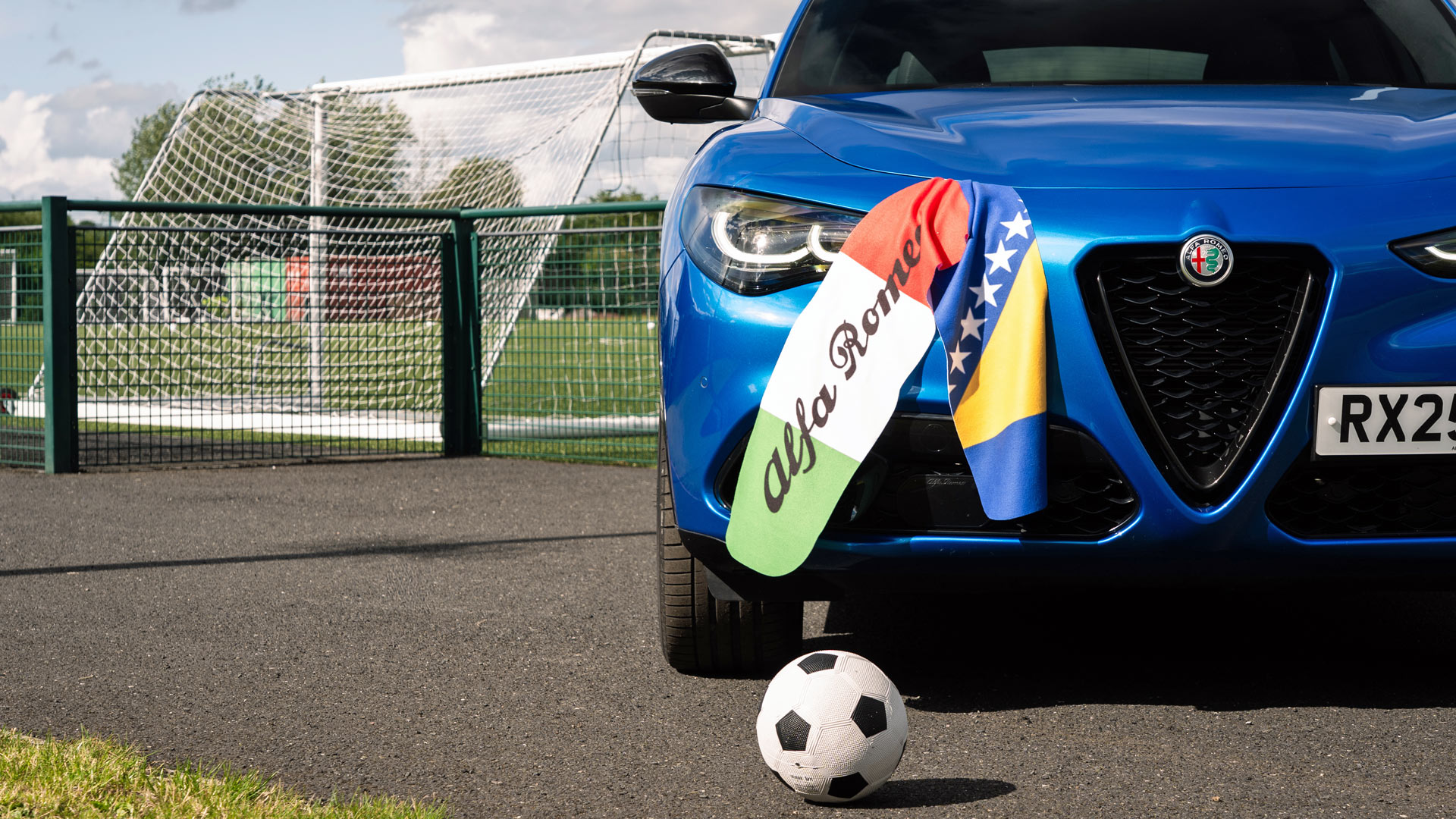
Alfa Romeo Is Cheering for Bosnia Now, and They'd Like You to Know It
A World Cup discount tied to a country Alfa Romeo has no business backing is either the dumbest sponsorship idea of the year or the most honest one.

260 Years Old, and Arnold & Son Just Learned to Wink
A mother-of-pearl London dial that hides its own secrets in the dark — and what that says about heritage watchmaking right now.

42 Attorneys General Subpoenaed OpenAI's Ads, Its Safety Policies, and Its Sycophancy All at Once
When regulators come for your chatbot's personality, the credibility problem runs deeper than compliance.