Alfa Romeo Is Cheering for Bosnia Now, and They'd Like You to Know It
A World Cup discount tied to a country Alfa Romeo has no business backing is either the dumbest sponsorship idea of the year or the most honest one.
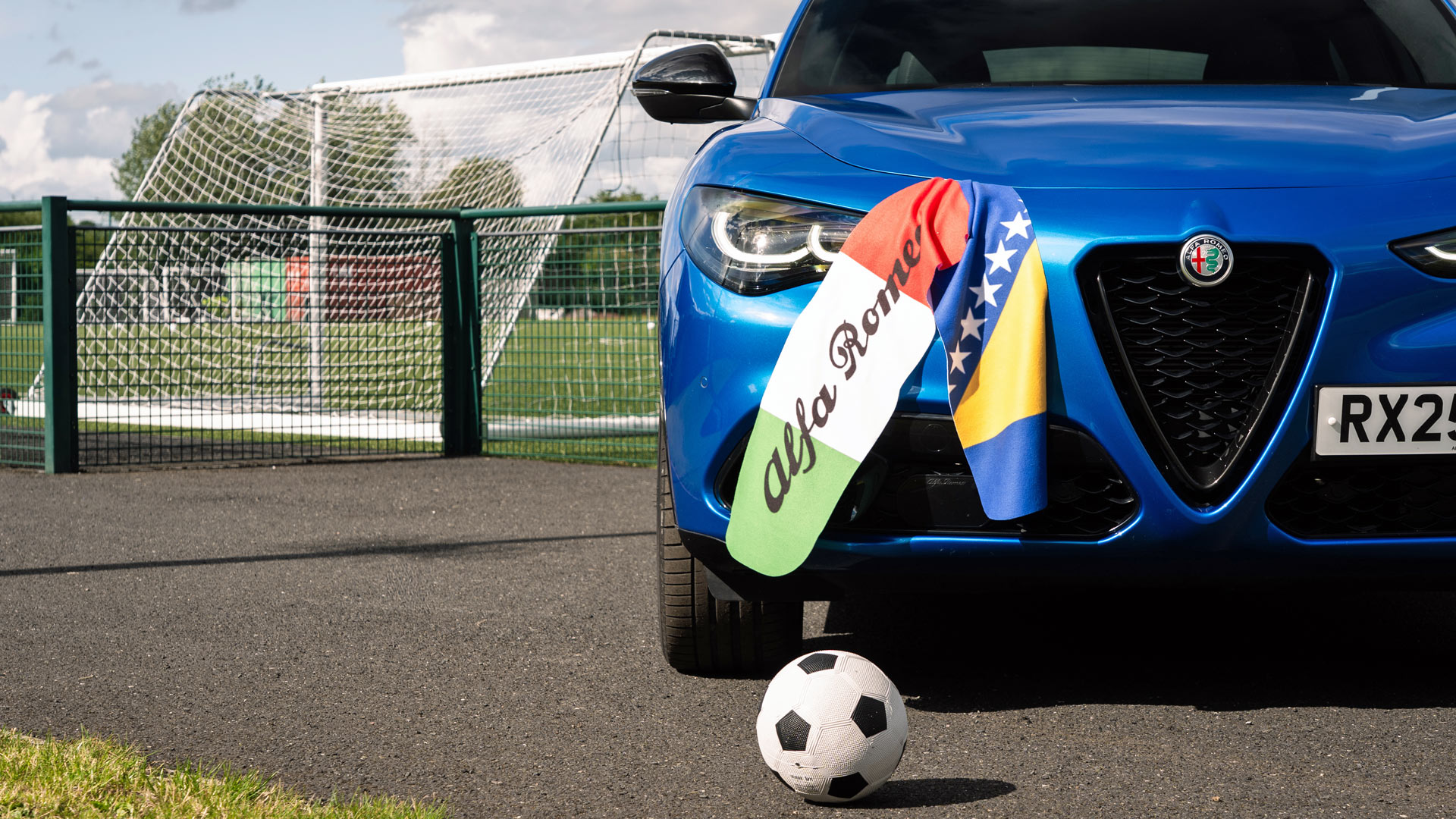
Photo · Motoring Research
The Bet
Italy didn't qualify for the 2026 World Cup. That's the fact underneath this whole thing, and it matters, because Alfa Romeo — a brand whose identity is woven so tightly to Italian football that the absence of the Azzurri should feel like a category error — has responded not with silence, but with a discount tied to Bosnia and Herzegovina scoring goals.
A writer at Motoring Research flagged this arrangement, and I keep coming back to it. Not because it's clever, exactly. Because it's revealing.
What Alfa Romeo has done, whether they meant to or not, is strip sports sponsorship down to its actual skeleton. The typical formula — brand aligns with winner, winner wins, brand absorbs reflected glory — gets swapped out for something stranger and more honest: brand aligns with longshot, longshot scores, buyer saves money. The emotional theater is gone. What's left is a pure transaction dressed in absurdist clothes.
That's not a criticism. That might be the only move left.
When Irony Becomes Strategy
Sports marketing spent decades pretending the association was the point. Paste your logo close enough to greatness and some of it rubs off. It worked, for a while, in a media environment where audiences had no choice but to absorb the message. Now they skip the ad in five seconds and the logo becomes visual noise.
So what do you do when your home team fails to qualify and the tournament goes on without you? Alfa Romeo's answer: pick someone else, make the stakes real, and let the absurdity do the talking. Bosnia and Herzegovina scoring isn't just a trigger for a discount — it's a punchline that keeps the brand in conversation for the duration of the tournament, every time that team takes the pitch.
That's not dumb. That's earned attention on a shoestring of irony.
What's interesting is that this only works because everyone already knows the joke. Italy didn't qualify. Alfa Romeo is Italian. The gap between those two facts is where the campaign lives. A writer at Motoring Research didn't need to explain it — the headline does all the work. The brand's embarrassment becomes the hook, and suddenly you're not ignoring the ad, you're forwarding it.
Sponsorship built on dignity has a short shelf life when the thing you sponsored fails to show up. Sponsorship built on self-awareness can run the whole tournament.
There's something worth sitting with here about what cars actually have to do with football. The answer, always, has been: nothing. The pretense was that passion connects everything — passionate fans, passionate drivers, passionate brand. But passion is hard to fake when your team is watching from home. What Alfa Romeo is selling now is something more durable: the ability to laugh at yourself while still making the sale.
The discount is real. The stakes are real. Bosnia scores, you save money. That's a cleaner value proposition than most car advertising manages in thirty seconds of cinematic road footage and swelling orchestral strings.
Whether it moves metal is a different question. But as a statement about where sports marketing is going — toward transparency, toward self-deprecation, toward the admission that the whole thing is a bit of a game — it's more interesting than anything Italy would have inspired.
Keep reading cars.
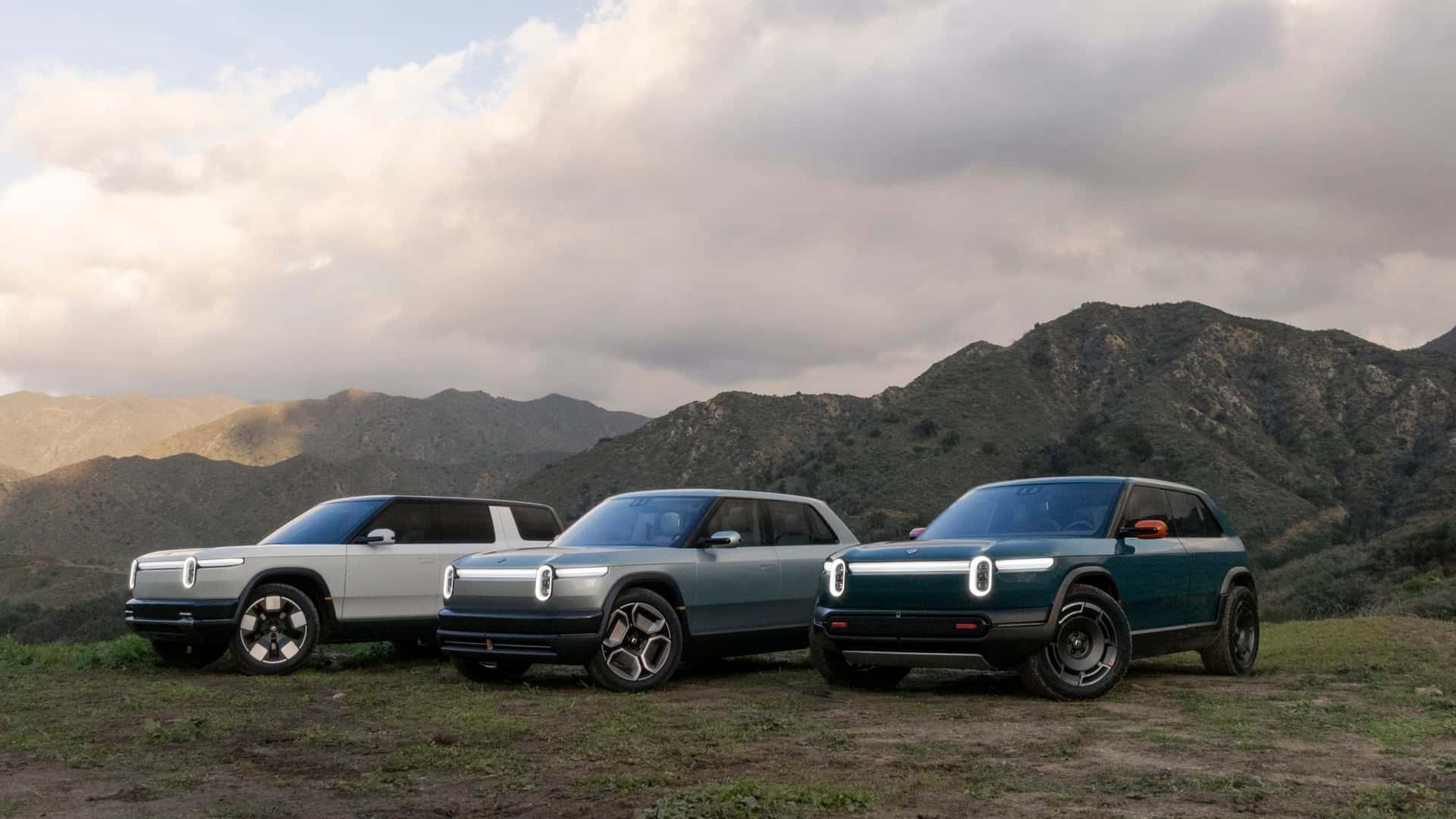
Rivian Built a $45,000 Bet on Something Spreadsheets Can't Measure
The R2 isn't selling on range. It's selling on the feeling that someone actually thought it through.
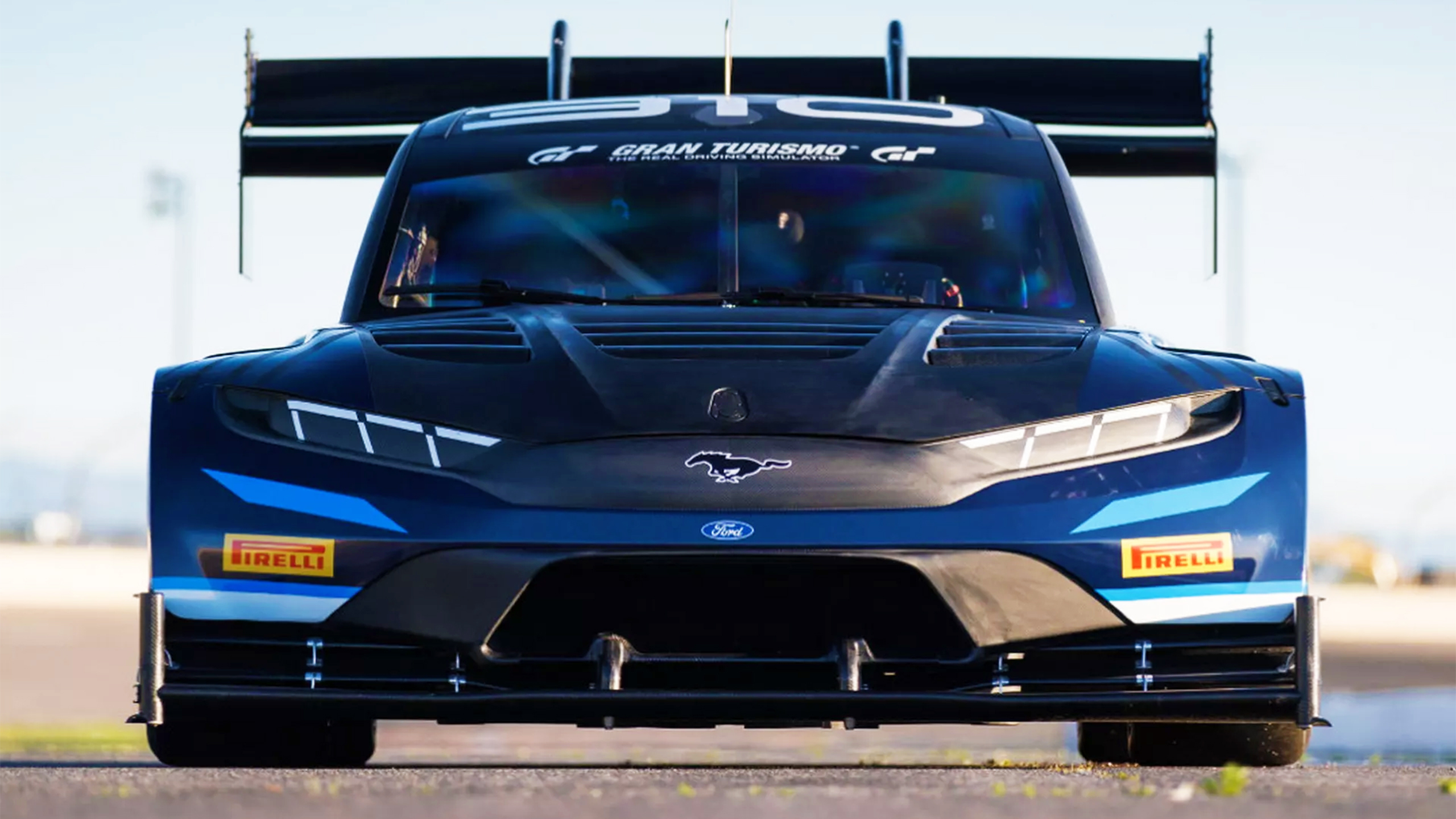
Ford Said No to Formula E. Now Watch What It Does With That Answer.
When a carmaker exempts its wildest machines from electrification, it's not a retreat — it's a declaration about what performance actually means.

13,000 Miles and a Battery That Already Flinched
A 2025 Model Y failed its own manufacturer's health check. That's not a data point — it's a credibility problem.
From the other desks.
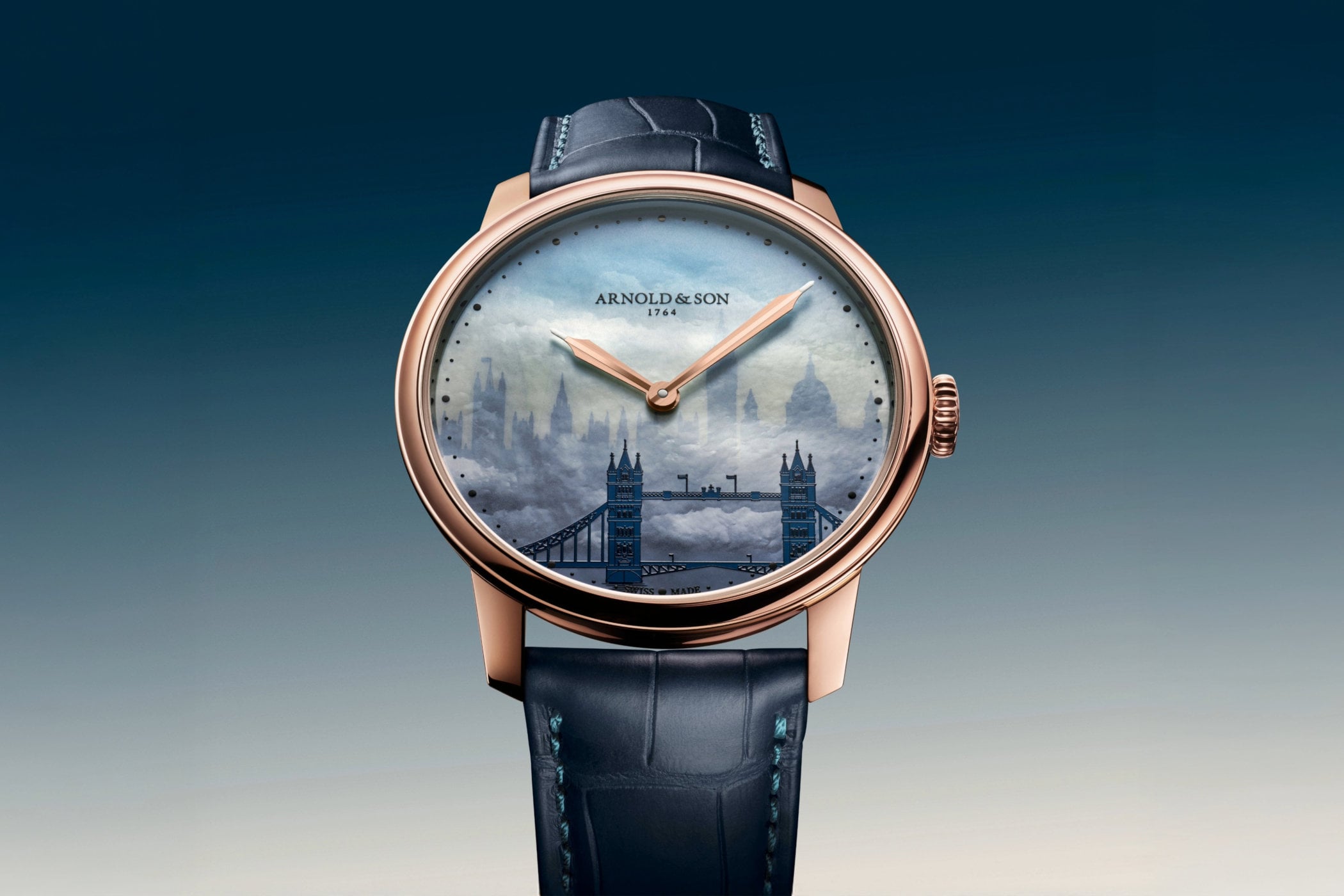
260 Years Old, and Arnold & Son Just Learned to Wink
A mother-of-pearl London dial that hides its own secrets in the dark — and what that says about heritage watchmaking right now.
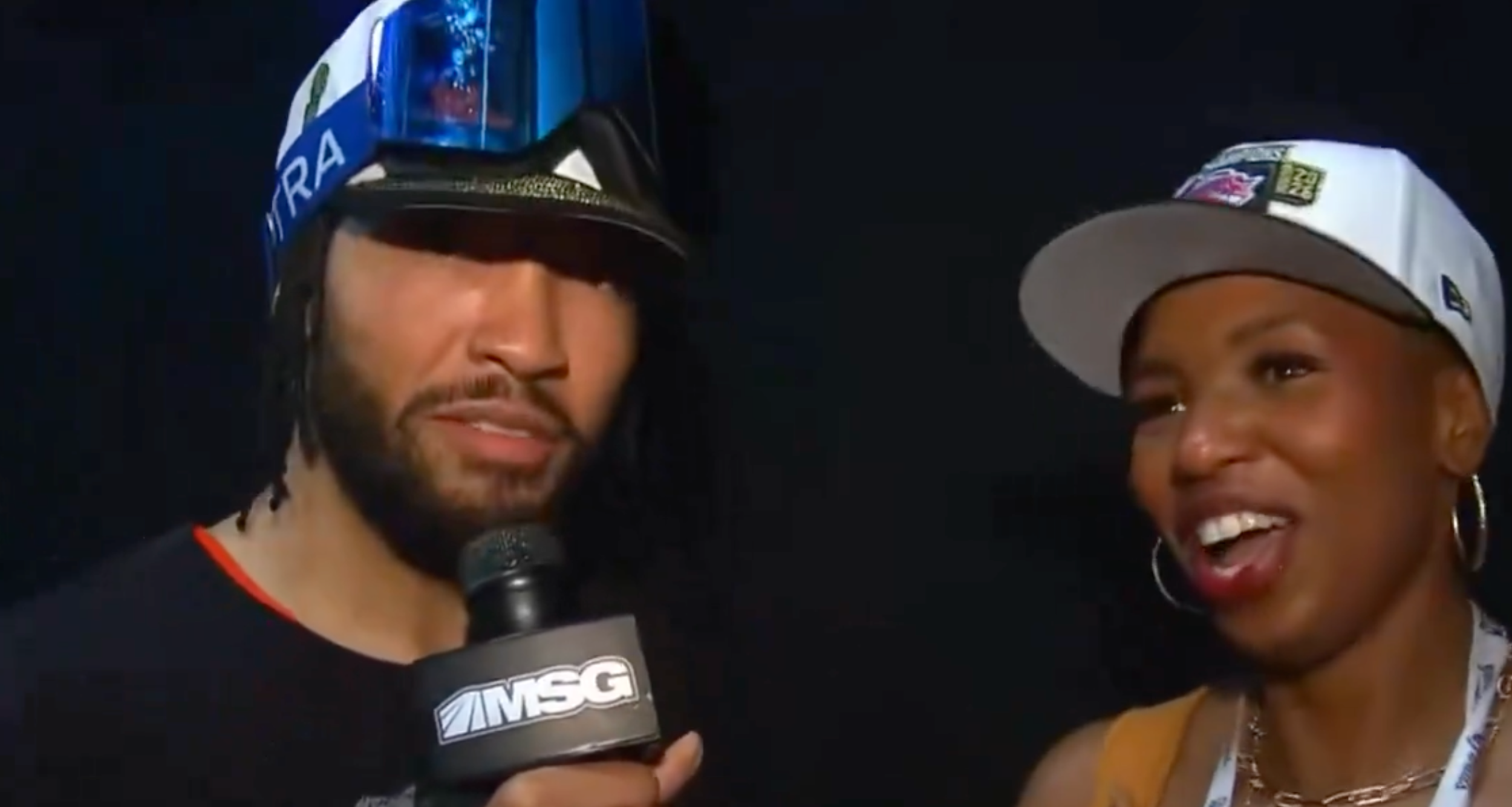
Brunson Had a Championship and Used It on This
When a Finals MVP burns celebration capital defending a broadcaster from a pop star's fanbase, something has shifted in what athletes think they're allowed to say.

42 Attorneys General Subpoenaed OpenAI's Ads, Its Safety Policies, and Its Sycophancy All at Once
When regulators come for your chatbot's personality, the credibility problem runs deeper than compliance.