13,000 Miles and a Battery That Already Flinched
A 2025 Model Y failed its own manufacturer's health check. That's not a data point — it's a credibility problem.

Photo · InsideEVs - Articles
There's a version of this story where one vehicle, one owner, one number means nothing. Outliers exist. Batteries are chemistry, not clockwork. Early data is noisy. All of that is true, and none of it is the point.
A writer at InsideEVs recently flagged something that deserves more than a forum thread. After 18 months and just over 13,000 miles, a 2025 Tesla Model Y was run through Tesla's own battery-health diagnostic — and returned a result its owner described as unacceptable. Not a third-party tool with questionable methodology. Tesla's test. Tesla's car. Tesla's numbers.
That's the part that sticks.
When the Manufacturer's Own Tool Turns on You
Range anxiety, as a concept, has been the EV industry's most persistent PR problem. The industry's counter has always been the same: trust the specs, trust the engineering, trust that what we promise is what you'll have. That argument only works if the specs hold. When degradation shows up at 13,000 miles — a number most combustion-engine owners would associate with barely breaking in — the counter-argument gets harder to make without sounding like spin.
This isn't about whether EVs are good. Most of the evidence says they are. It's about what happens to the broader EV transition when early adopters — the people who bought in first, paid full price, and staked some social credibility on the choice — start reporting results like this. Those owners don't stay quiet. They post. They talk at dinner parties. They become the cautionary tale someone's skeptical uncle cites in 2027.
The math of trust works like this: one bad experience, loudly told, does more damage than a hundred satisfied owners do good. That's not cynicism, it's how humans process risk.
What 13,000 Miles Actually Represents
For context, that's a light year of driving. Someone who commutes moderately, takes a road trip or two, lives a normal life. Not a rideshare driver hammering superchargers at noon. Not a fleet vehicle with six drivers and no overnight charging. A regular person, using a car like a car.
If significant degradation is appearing in that use profile, on a 2025 model — not a first-generation prototype, not a software beta, a current production vehicle — then there's a manufacturing consistency question that no amount of over-the-air updates fully answers. Software can adjust range estimates. It cannot put capacity back into a cell.
What makes the InsideEVs piece worth taking seriously is precisely that it doesn't catastrophize. It presents the finding and lets the number do the talking. The writer isn't declaring the EV experiment over. They're doing something more useful: documenting a specific failure, on a specific vehicle, with a specific diagnostic, so that the pattern — if one exists — has somewhere to start.
That's responsible coverage. The industry should want more of it, not less, because the alternative is a slow accumulation of anecdotes with no accountability structure at all.
The EV transition will survive early failures. It has to. But it will only survive them cleanly if manufacturers treat a bad battery-health result at 13,000 miles as a five-alarm signal rather than a warranty claim to be quietly processed and closed.
The car has to earn the promise every single mile — not just on the spec sheet, and not just at delivery.
Keep reading cars.
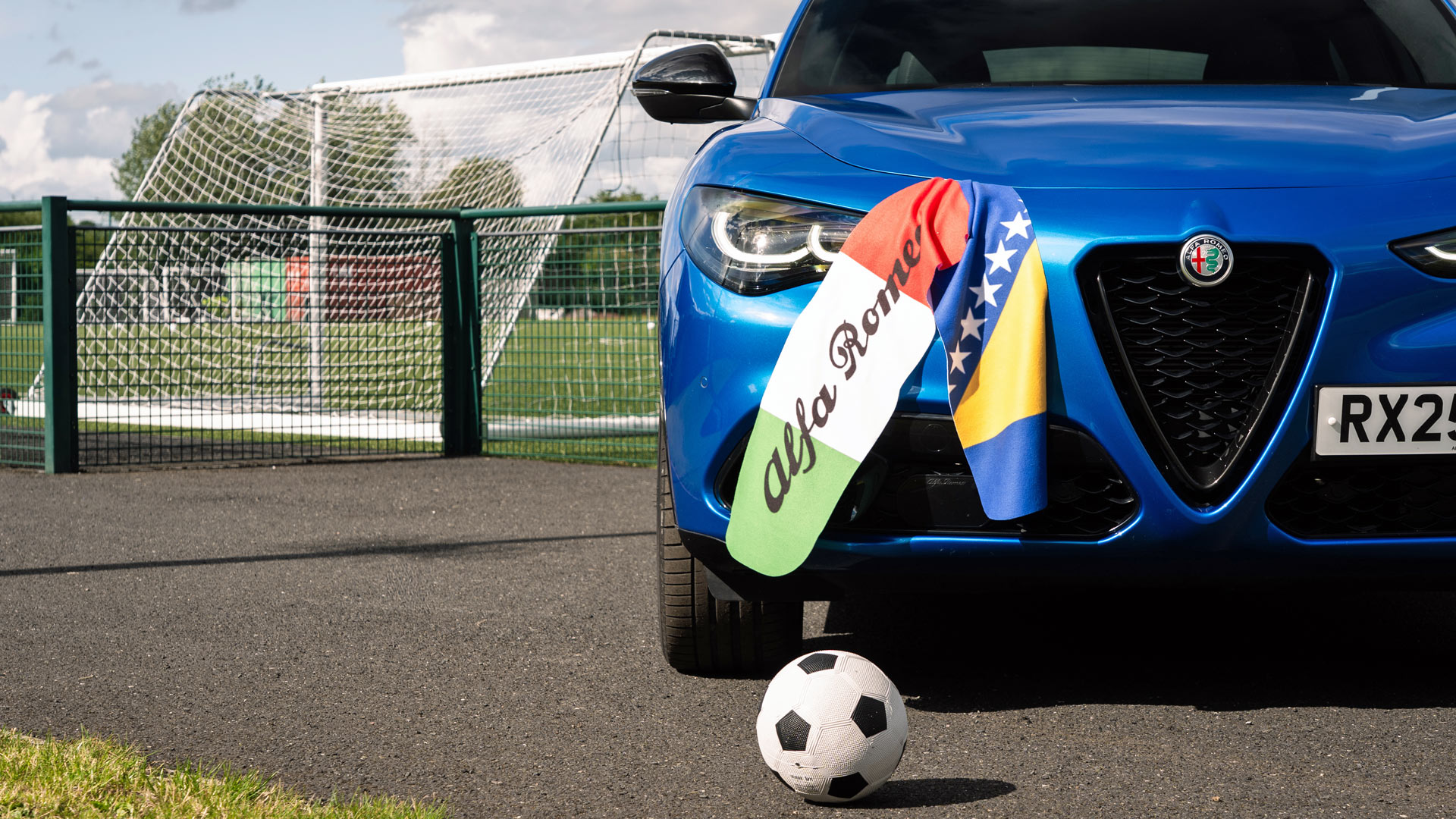
Alfa Romeo Is Cheering for Bosnia Now, and They'd Like You to Know It
A World Cup discount tied to a country Alfa Romeo has no business backing is either the dumbest sponsorship idea of the year or the most honest one.
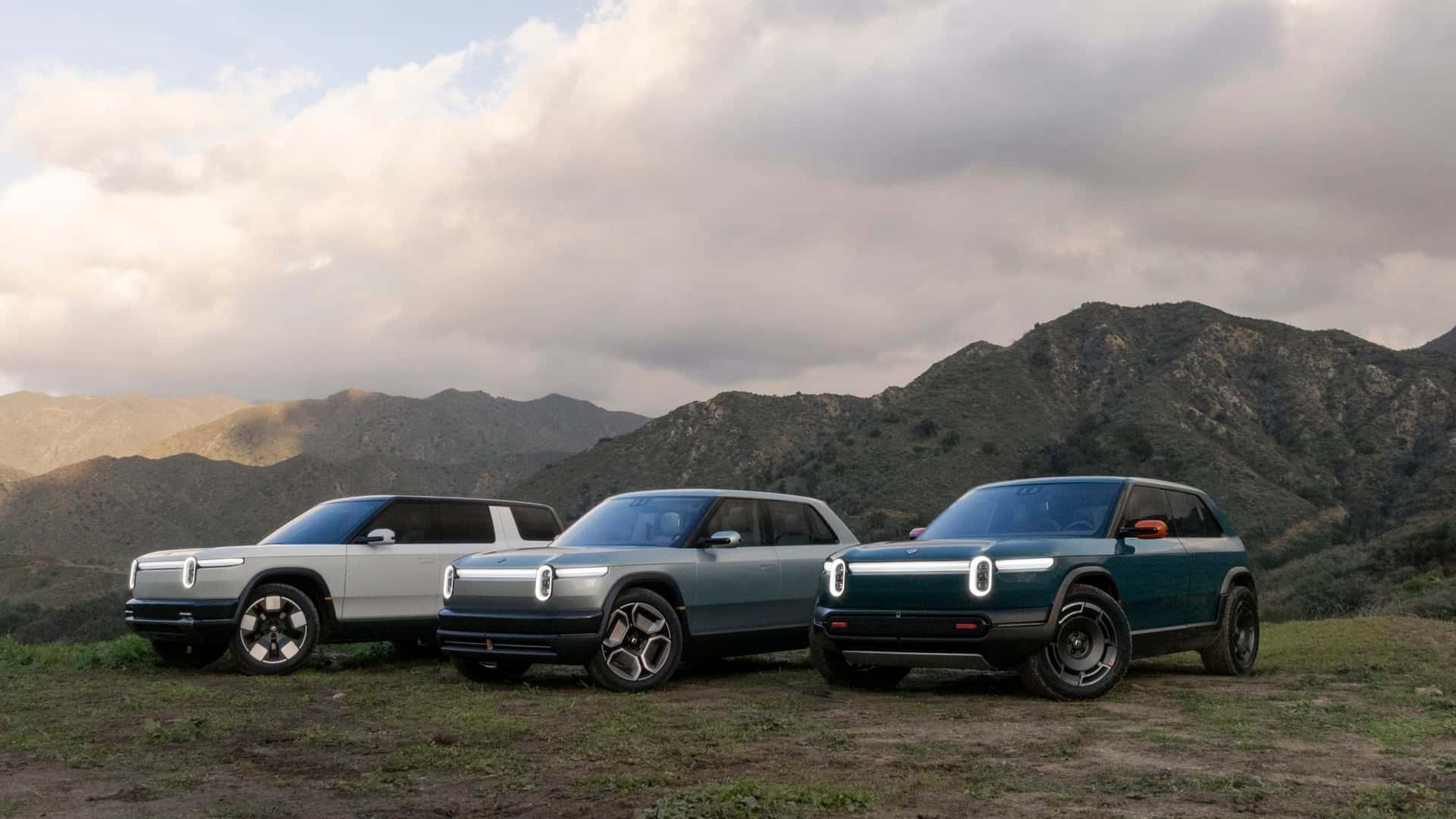
Rivian Built a $45,000 Bet on Something Spreadsheets Can't Measure
The R2 isn't selling on range. It's selling on the feeling that someone actually thought it through.
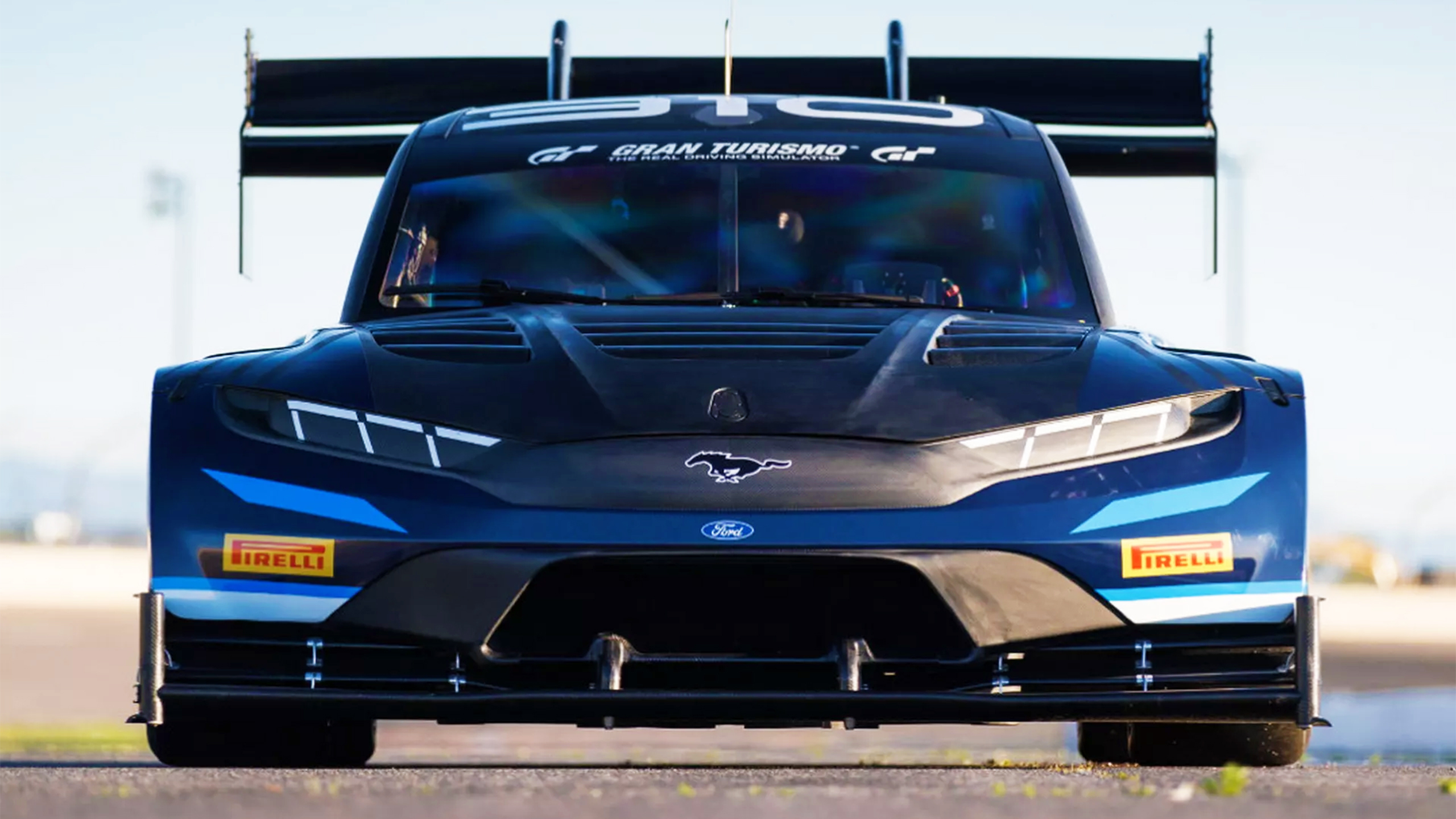
Ford Said No to Formula E. Now Watch What It Does With That Answer.
When a carmaker exempts its wildest machines from electrification, it's not a retreat — it's a declaration about what performance actually means.
From the other desks.
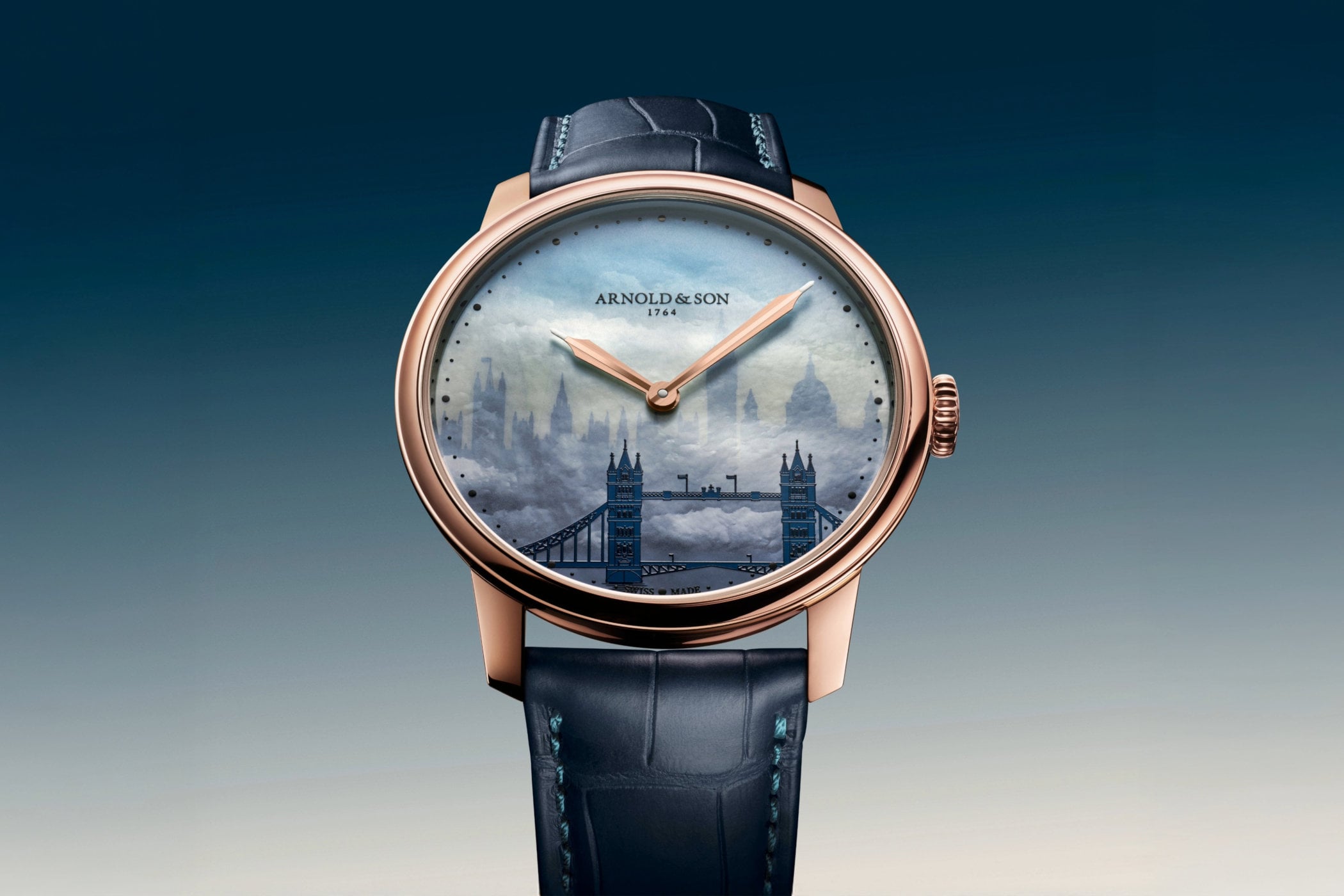
260 Years Old, and Arnold & Son Just Learned to Wink
A mother-of-pearl London dial that hides its own secrets in the dark — and what that says about heritage watchmaking right now.
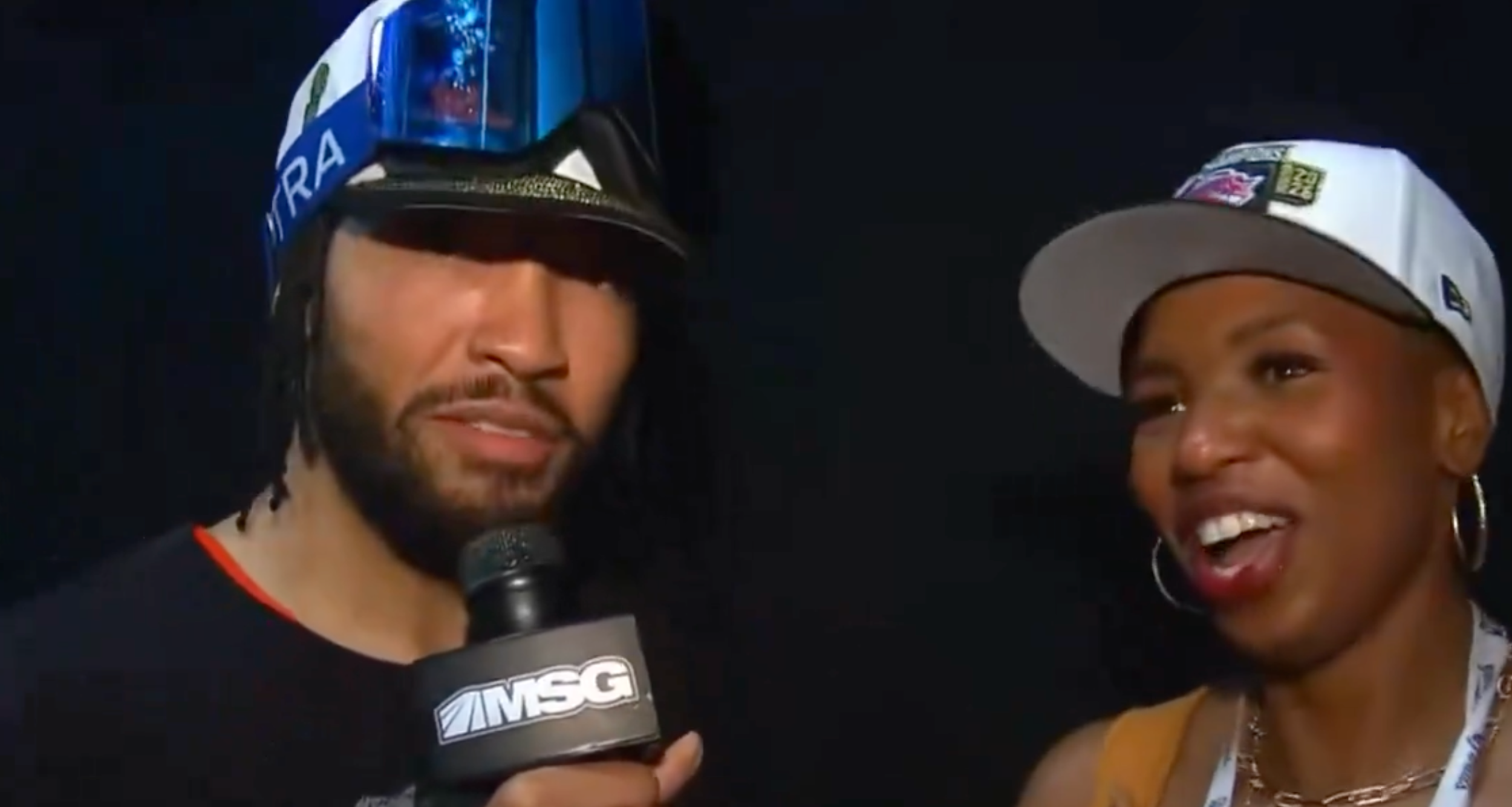
Brunson Had a Championship and Used It on This
When a Finals MVP burns celebration capital defending a broadcaster from a pop star's fanbase, something has shifted in what athletes think they're allowed to say.

42 Attorneys General Subpoenaed OpenAI's Ads, Its Safety Policies, and Its Sycophancy All at Once
When regulators come for your chatbot's personality, the credibility problem runs deeper than compliance.