Rivian Built a $45,000 Bet on Something Spreadsheets Can't Measure
The R2 isn't selling on range. It's selling on the feeling that someone actually thought it through.
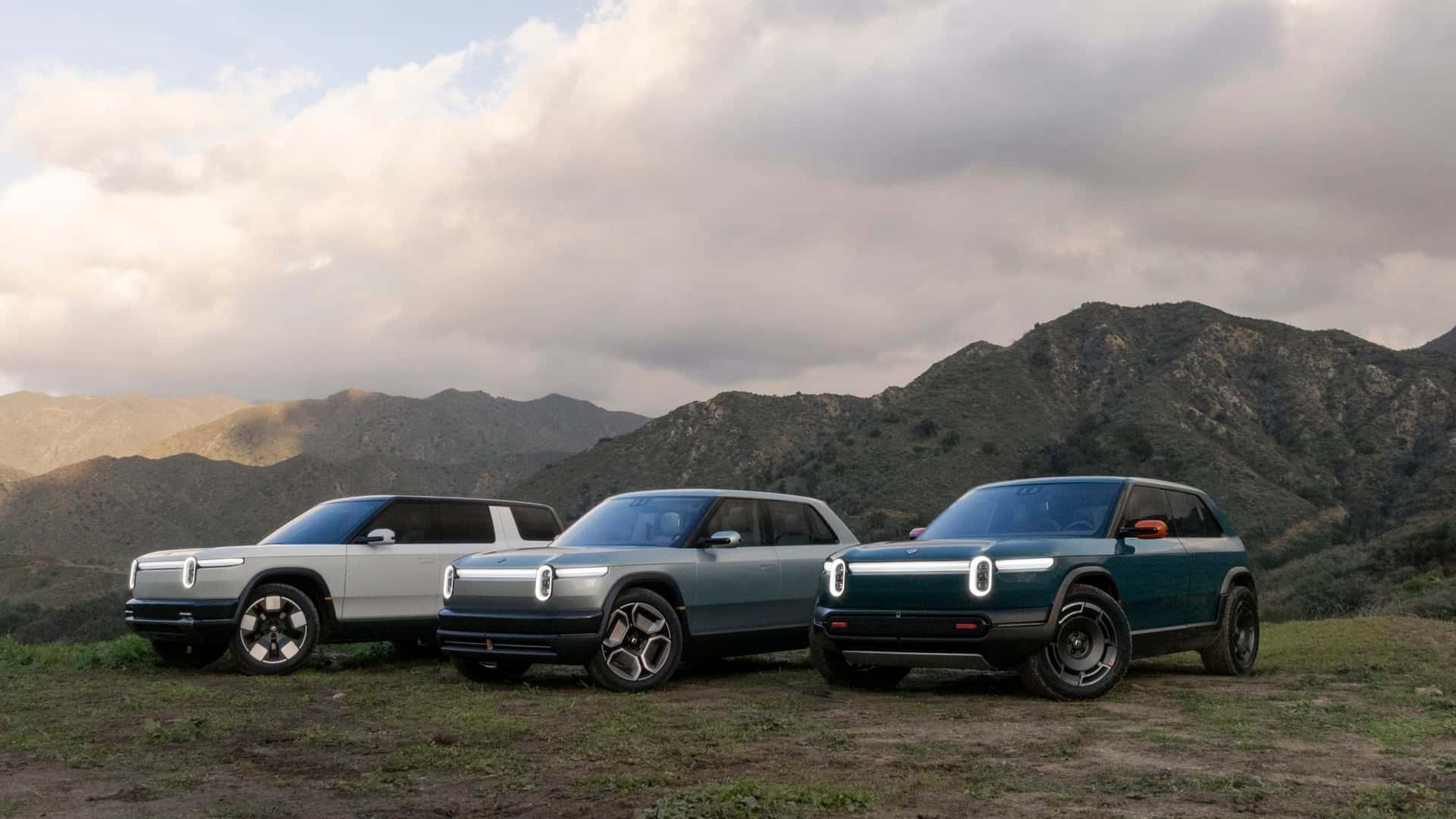
Photo · InsideEVs - Articles
There's a version of the EV story where every launch is a spec war — kilowatt-hours, charging curves, zero-to-sixty — and the car underneath barely matters as long as the numbers win the comparison chart. Rivian just released a car that doesn't play that game, and the coverage around it is telling us something the press releases won't.
Jason Fenske, the engineer behind the YouTube channel Engineering Explained, came away from time with the R2 describing himself as really impressed — and the specific things he fixated on weren't the big headline numbers. They were the smaller ones. The details. The sense that the engineering decisions had been made by people who actually drive. That kind of reaction, from someone who dissects vehicles for a living, carries a different weight than a favorable blurb in a first-drive round-up.
What "Really Impressed" Actually Means
When an engineer who built his audience on explaining why things work the way they do comes away satisfied, that's not a marketing win. That's a product win. The R2 starts around $45,000 — not cheap, but positioned below what Rivian has previously sold — and what the early impressions suggest is that Rivian didn't just shrink the R1 and call it a day. The execution apparently holds up at a different price point, which is genuinely hard to do and rarely acknowledged as such.
The car industry has a habit of treating affordability as a compromise you apologize for. The R2 seems to be attempting something more honest: that the $45,000 version deserves the same consideration as the one that costs twice as much. Whether it fully delivers on that in the long run is a question time and owners will answer. But the early read is that the intention survived the build.
Meanwhile, CEO RJ Scaringe has been talking about what comes next. He's shared a timeline around the R3 and gestured at further models down the line — which means Rivian is now operating as a company with a roadmap, not just a halo product. That's a different animal. The R1 was a proof of concept wrapped in ambition. The R2 is where Rivian finds out if it can execute at scale, repeatedly, without losing the thing that made people care in the first place.
The Company That Has to Survive Its Own Success
There's a particular danger for brands that earn genuine affection early: the moment volume becomes the priority, the care tends to thin out. You can feel it in other EV makers who started with a devoted following and are now navigating the gap between cult and commodity. Scaringe knows this. Hinting at the R3 timeline while the R2 is still fresh off launch is either confidence or pressure management — probably both.
What the coverage across these two sources keeps circling is that the R2's significance isn't really about the R2. It's about whether Rivian has built an organization capable of translating taste into process. Fenske's impressions suggest the engineering culture is intact. Scaringe's roadmap talk suggests the ambition hasn't shrunk. What neither source can tell us is whether those two things stay true when the production numbers climb and the margin pressure tightens.
The optimistic read: Rivian has figured out how to build a car that feels considered at a price point where considered usually gets cut. The cautious read: we've seen this story before, and the second chapter is always harder than the first.
Either way, the R2 is the real test. Not because it's a better vehicle than the R1 — maybe it is, maybe it isn't — but because it's the vehicle where Rivian stops being interesting and starts being important.
Keep reading cars.
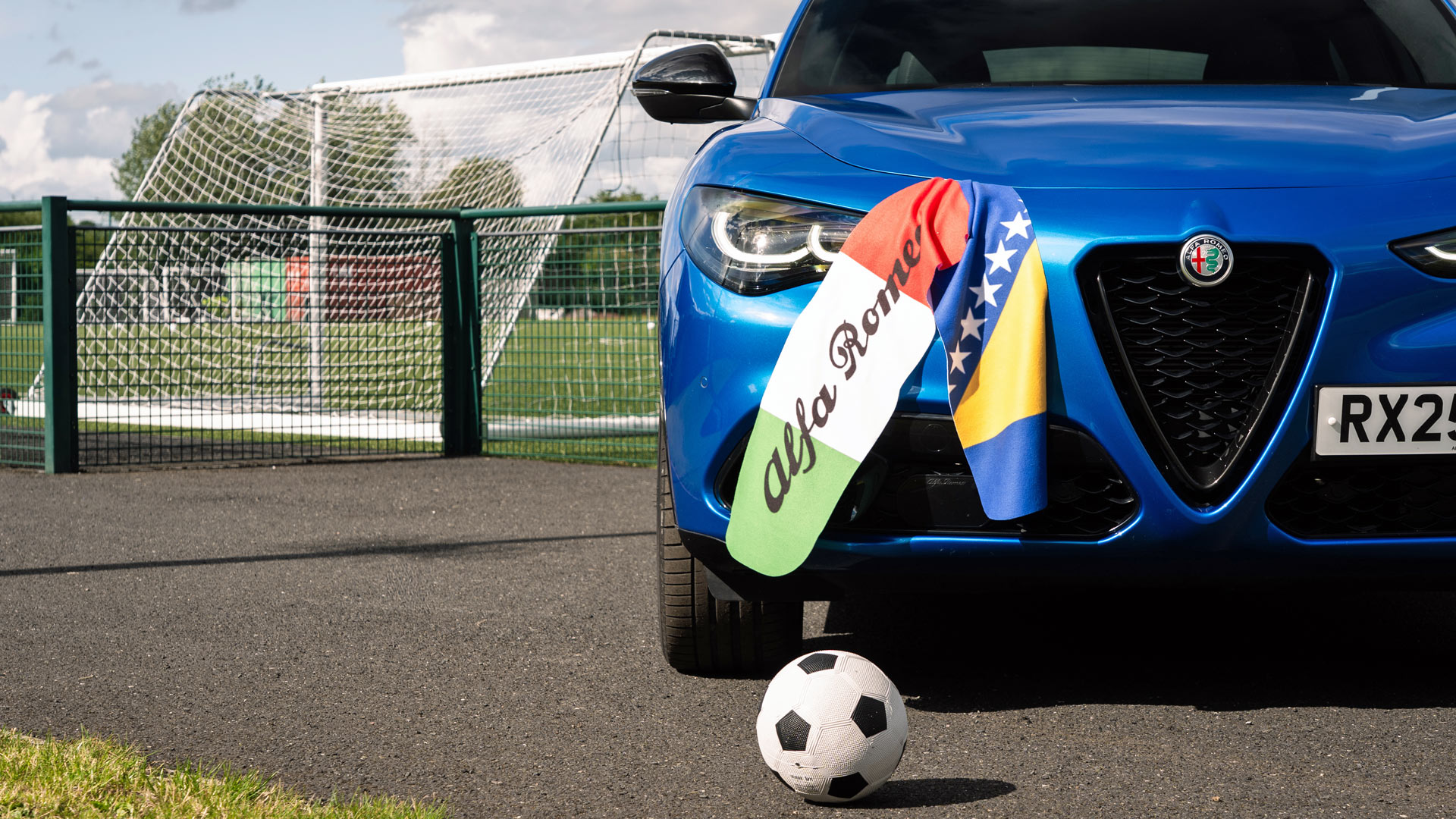
Alfa Romeo Is Cheering for Bosnia Now, and They'd Like You to Know It
A World Cup discount tied to a country Alfa Romeo has no business backing is either the dumbest sponsorship idea of the year or the most honest one.
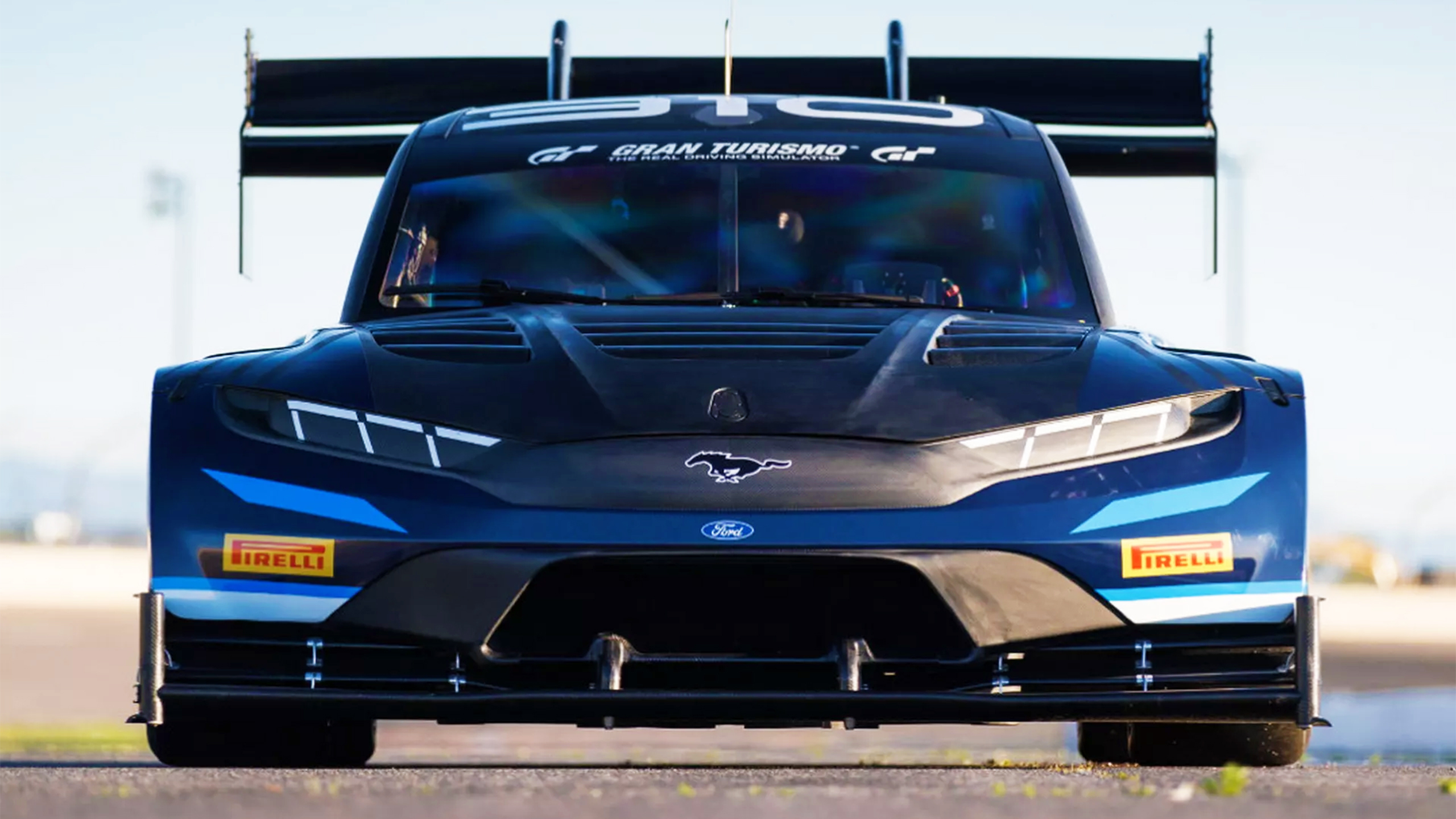
Ford Said No to Formula E. Now Watch What It Does With That Answer.
When a carmaker exempts its wildest machines from electrification, it's not a retreat — it's a declaration about what performance actually means.

13,000 Miles and a Battery That Already Flinched
A 2025 Model Y failed its own manufacturer's health check. That's not a data point — it's a credibility problem.
From the other desks.
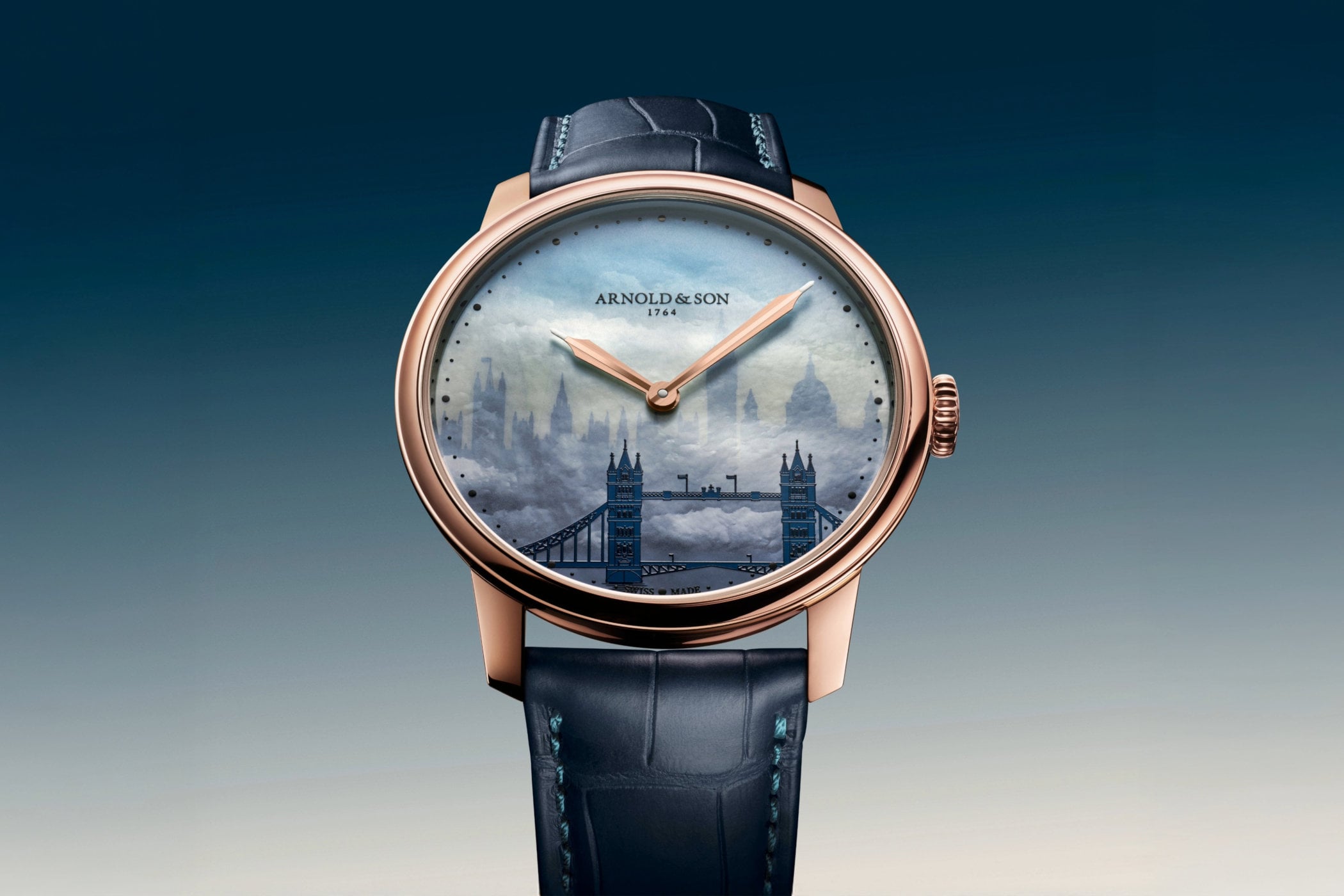
260 Years Old, and Arnold & Son Just Learned to Wink
A mother-of-pearl London dial that hides its own secrets in the dark — and what that says about heritage watchmaking right now.

Brunson Had a Championship and Used It on This
When a Finals MVP burns celebration capital defending a broadcaster from a pop star's fanbase, something has shifted in what athletes think they're allowed to say.

42 Attorneys General Subpoenaed OpenAI's Ads, Its Safety Policies, and Its Sycophancy All at Once
When regulators come for your chatbot's personality, the credibility problem runs deeper than compliance.